In the past, I’ve posted on how “casting” characters as if they were played by (mostly) classic era actors in my earlier Jessica Minton mysteries helped me flesh out their characters. Now that Shadows of a Dark Past is out, I thought you might enjoy reading about the inspirations for the folks Jessica, Liz, and James encounter on the mysterious Birdsong Island. So, let’s begin!
When you’re writing a ghost story à la Val Lewton/Edgar Ulmer/ Joseph Lewis, it only makes sense that some of your characters be inspired by star players from those films. So, with whom to start? Why not the inspiration for the haunted scientist/widower of Shadows, Vitus Blasko?
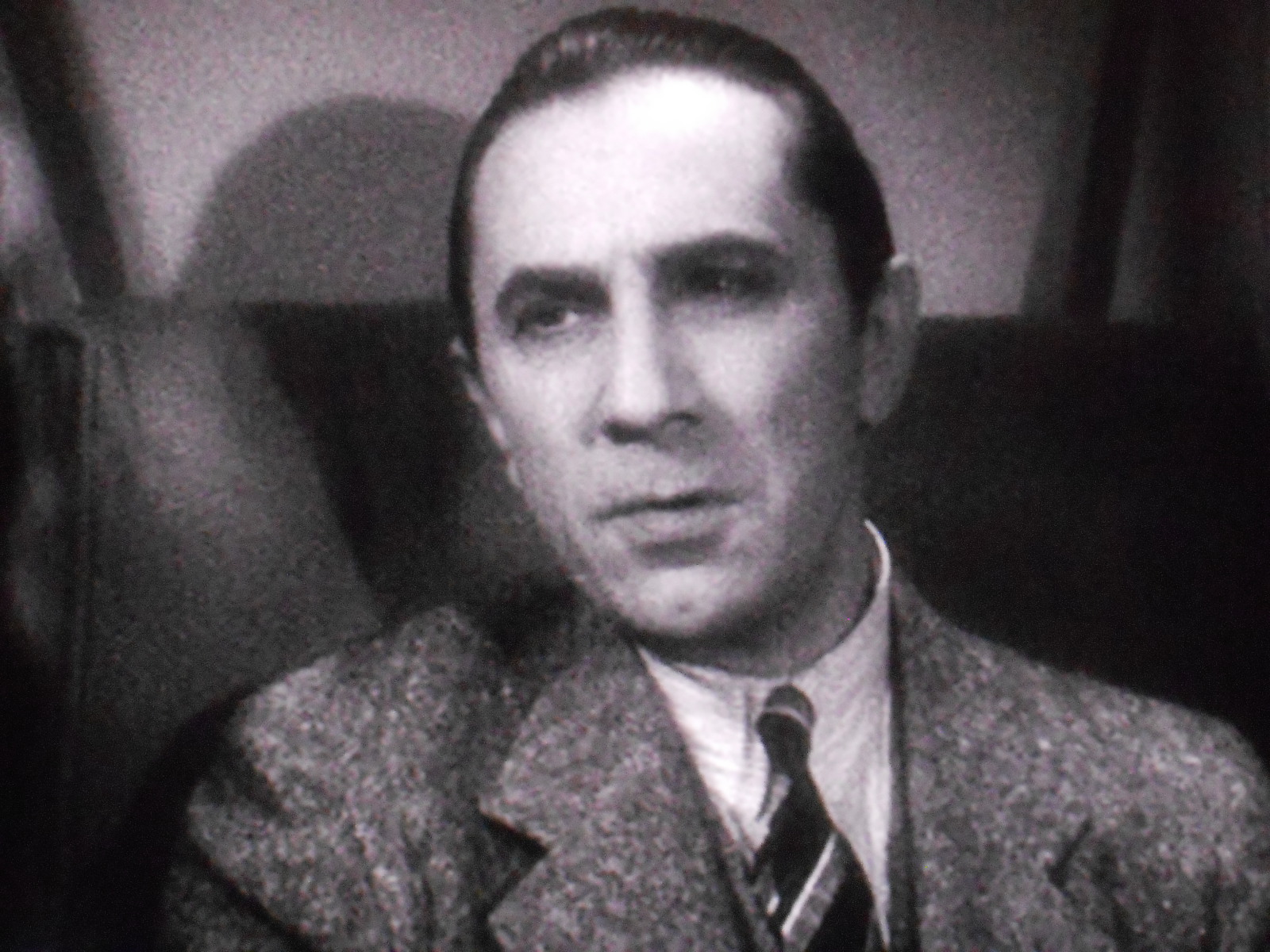
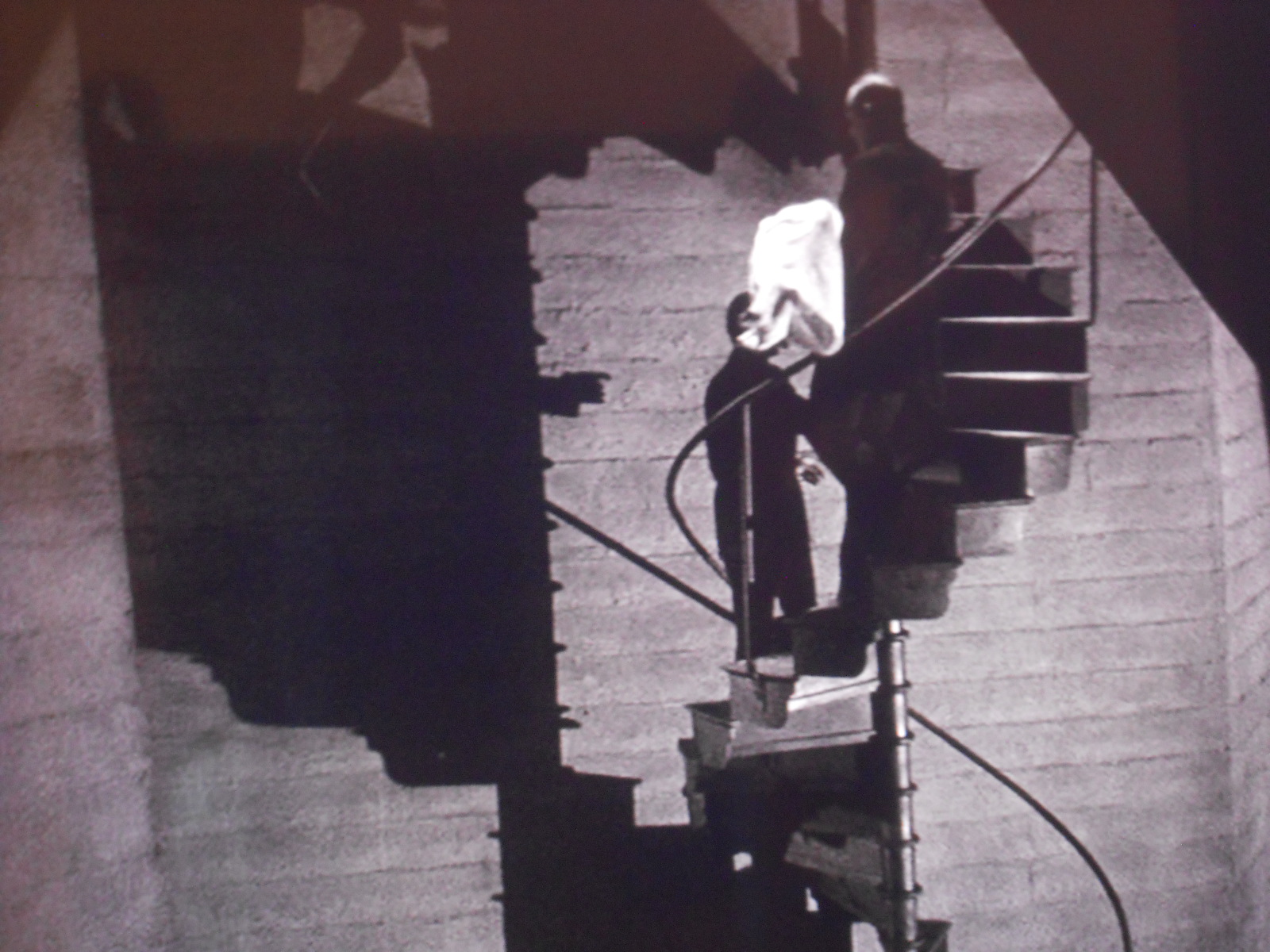
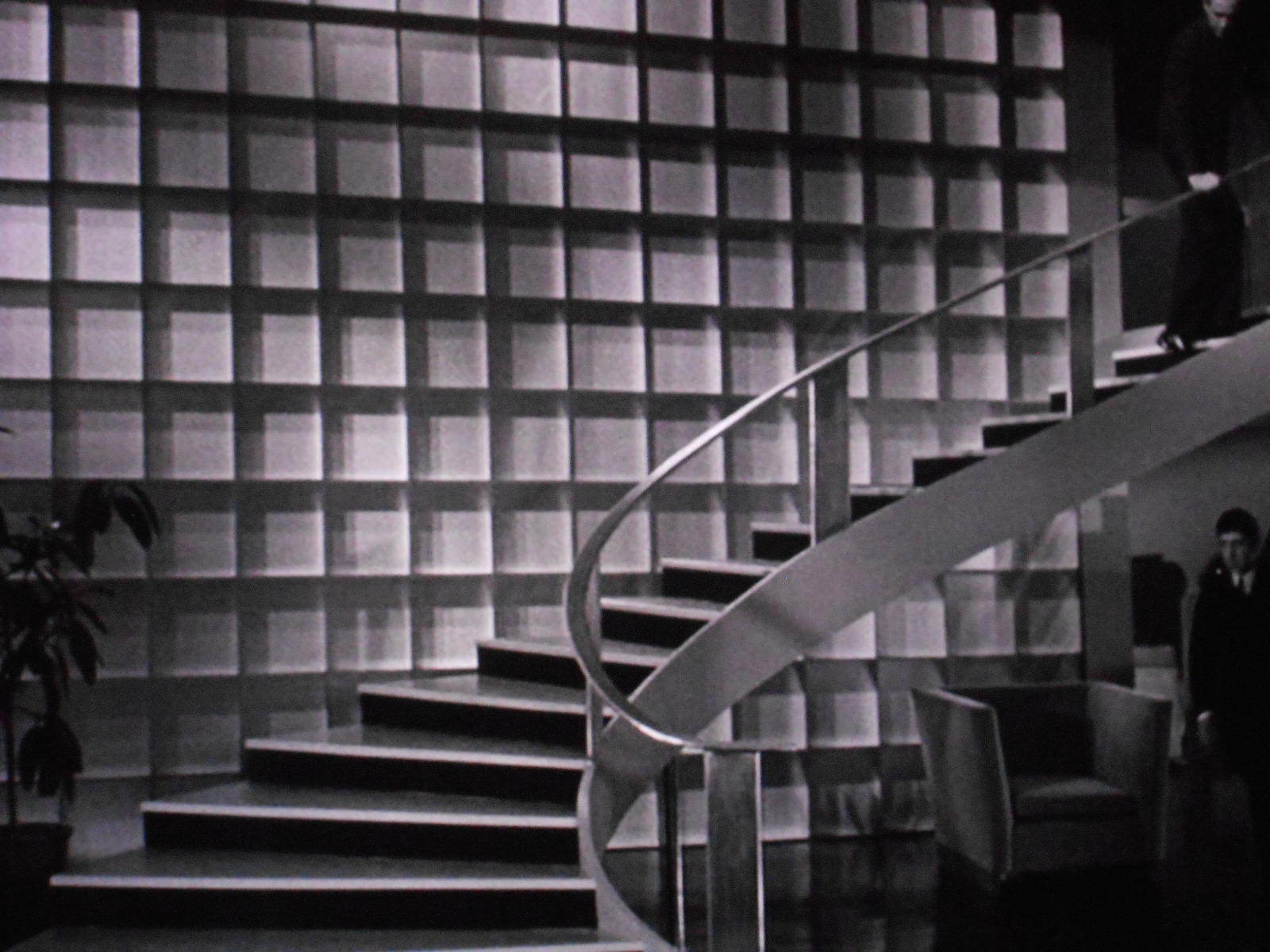
Who is a prime prospect to play a man whose obsession with his work cost him his wife and child many years ago? My choice was one of the premiere players of 1930s/40s horror, especially at Universal: Bela Lugosi. “What?!” you exclaim. “The guy who played those Machiavellian vampires in Dracula (1931) and Return of the Vampire (1945), as well a plethora of sinister scientists?” “You bet!” I reply. Lugosi also played the tortured and highly sympathetic Dr. Vitus Werdegast in 1934’s The Black Cat. Here, he’s a doctor who had been sent to a death camp at the end of WWI, costing him his wife and daughter, through the betrayal of Boris Karloff’s Hjalmar Poelzig. (Now those are names!) His intellectual battles with Poelzig may seem sinisterly to threaten a young married couple caught in the middle at Hjalmar’s Frank-Lloyd-Wright-on-LSD designed mansion. However, Werdegast’s grief over what he has lost and his protection of the couple reveal a sympathetic tenderness in Lugosi’s acting. In honor of the sensitivity of Lugosi’s performance, I opted to select Vitus for the first name of my haunted scientist from Lugosi’s character in The Black Cat and the last name from Lugosi’s actual family name.
Jamie Blasko: Jamie, Vitus and the ghostly Felicia’s daughter, has terribly suffered through her mother’s murder (or abandonment?), a broken engagement, and living in a shadow-shrouded manse looking after a father broken by the mistakes of his past. With a cast member of The Wellstone MysteryHour offering her the life saver of romance, Jamie has a chance for happiness. Dare she take it? The radio program will broadcast shows focusing on that most terrible time: the mystery of her mother’s disappearance. Can Jamie bear a revival of that scandal and pain? Will the program provide the answers she needs? Will she and her father be able to bear those answers?
Soulful-eyed Gail Russell is the natural inspiration of my creation, Jamie Blasko. In such roles as the haunted daughter determined to embrace the ghostly touch of her mother in The Uninvited or the young woman struggling against the psychic prediction of her death at a fast approaching appointed hour in The Night Has a Thousand Eyes, Russell’s gentle demeanor threaded with flashes of piercing anguish embodies the spirit of the Blasko girl.
Gerry Davis: A WWII vet who lost a leg at Anzio, Gerry is a true radio trouper on The Wellstone Mystery Hour, not only playing most of their romantic leads but a host of other parts as the need arises. Handsome with wavy blondish brown hair and a twinkle in his eye, Gerry’s kind heart and impish wit may be just the ticket to save Jaime Blasko from the darkness shadowing her life. However, Gerry must overcome the antipathy between Vitus Blasko and the Carlyle family sponsoring these broadcasts of a past tearing apart both families. For Gerry, I’ve turned to a more modern player for inspiration: Geraint Wyn Davies. The humor, passion, and intelligence Davies has brought to roles ranging from Shakespeare to the conscience-stricken vampire detective of Forever Knight makes him an ideal choice to inspire Gerry’s good nature and passion to protect Jamie Blasko.
If you haven’t already, check out my blogs on casting characters in the first three novels of the Jessica Minton Mysteries
October 30, 1938: across the nation, Americans were sent into a frenzy of terror when they
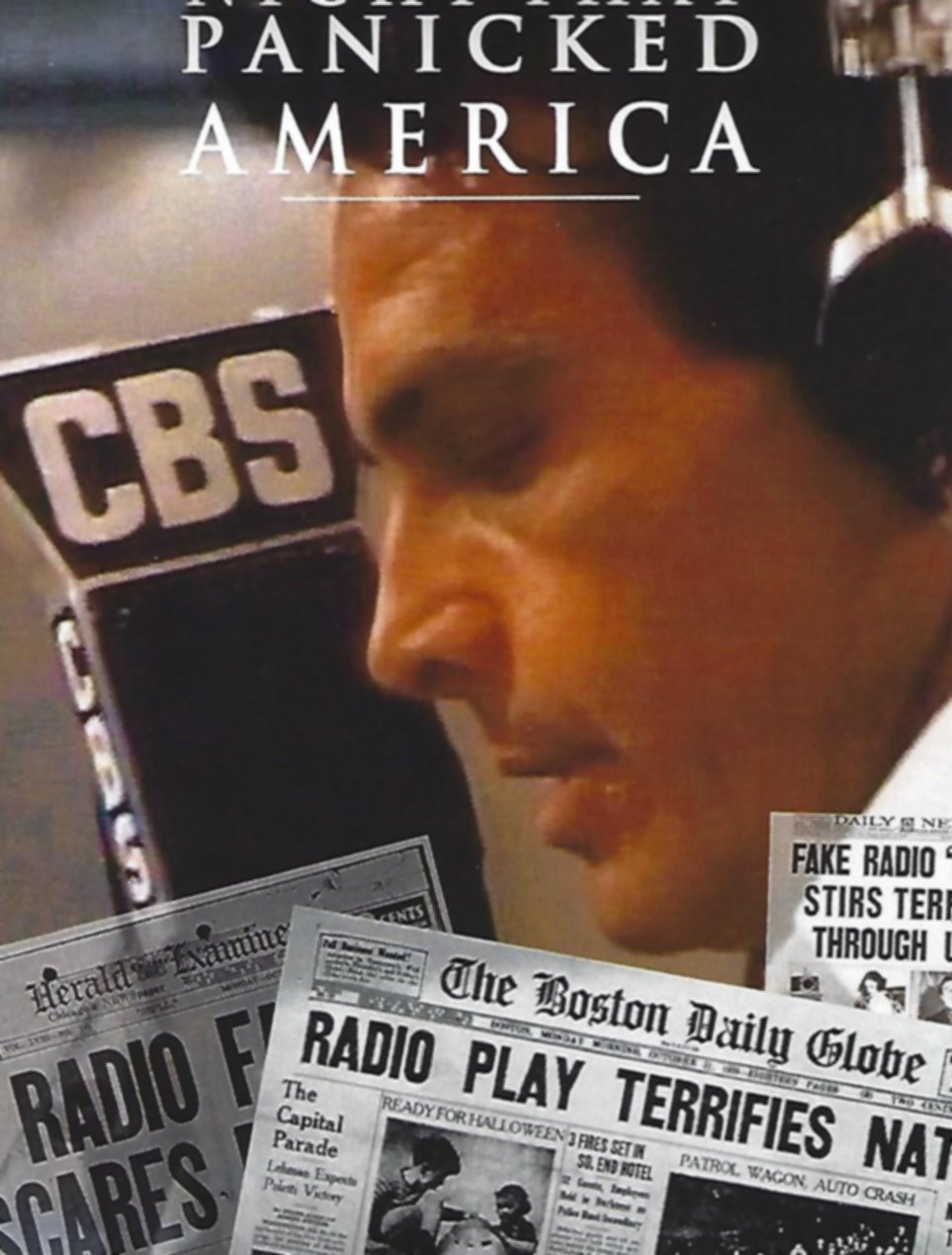
mistook Orson Welles’ Mercury Theatre broadcast of The War of the Worlds for the real thing. Why did so many people run terrified, believing a radio program of a Martian invasion was actually happening? One wag answered, “Because all the intelligent people were listening to Charlie McCarthy” (ventriloquist Edgar Bergen’s dummy) on another station. Historians and social psychologists see some far less funny causes at play: American’s very real fears of invasion after the devouring of Europe and Asia by fascist powers as well as anxiety over economic and social tensions. The radio play embodied and thus brought to the surface the very fears so many Americans were trying to suppress: our nation’s weakness instability in the face of invasion by alien German and Japanese. The 1975 television film TheNight That Panicked America effectively conveys this insight by interweaving storylines of the radio show’s production and broadcast with the reactions of Americans across the country.
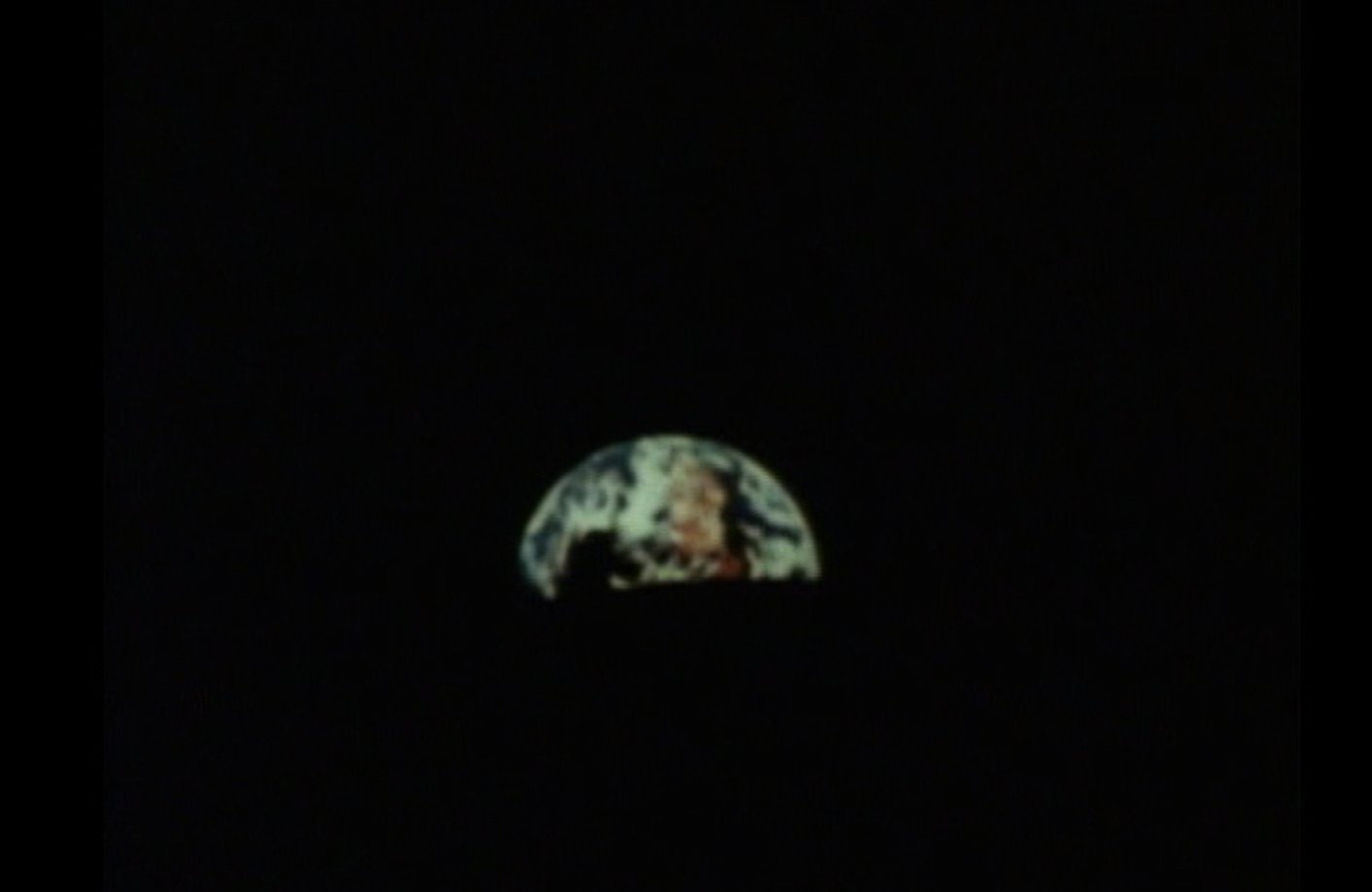
Opening with a view of the earth from outer space, calmly tracking in to it, director Joseph Sargent evokes H.G. Wells’s opening to his novel War of the Worlds. The film further establishes the links between a world on the verge of world war and a world about to suffer Martian invasion with a narrator intoning the state of earth’s conflicts in language similar to Wells’s novel. The background of broadcasts of war news and Nazi rallies establishes radio’s power to show the impossibility of denying the fearsome inevitability of world war.
Next comes a switch to the pre-production frenzy of putting on a radio program, following producer/director Paul Stewart into the broadcasting station and up the elevator to the studio with a network standards and practices rep hammering at him to keep things uncontroversial, then into the studio where he’s pulling together script changes and pressing the sound effects woman to create something ominous. It’s an exciting vision of how live radio performances came together: actors, scripts, sound effects, orchestra, directing battling against time, censors, and technical limitations. If you think about it, though, all this rush and pressure to make things perfect right up to the last minute also mirrors the sense of tension and uncertainty in the country itself. A nice hint at the unspoken realization of the tinderbox of American fears is the S & P guy (Tom Bosley) insisting that they can’t have Roosevelt as part of the story; they have to go down all the way down to the Secretary of the Interior. It’s never uttered, but, of course, having “Roosevelt” in their play about a devastating invasion lends it too much authenticity. And isn’t it much less scary if you skip past vice presidents, speakers of the house, secretaries of state all the way down to Secretary of the Interior. (Welles gets past this by agreeing to substitute Secretary of the Interior for the President, but he sounds like Roosevelt). Art liberates attempts to suppresses reality.
The stories interwoven with the broadcast are sometimes humorous, yet they also bring home that this radio play brought to the surface fears and uncertainties, not just about war but about belief in American exceptionalism. John Ritter and Michael Constantine are son and father who are farmers at Grovers Mills, the site of the invasion according to the play. Joining up with others to defend their country from invaders, the son sees his father and other farmers shoot up — a water tower. This does not amuse the owner. However, this son, who has been arguing he wants to go to Canada to join up and fight against Hitler before the war came to America, is the one who figures out this is only a radio program and tries to stop the others from acting hysterically. The fellow who admits that half the world is in flames is clear-eyed enough to recognize a real danger, while those who try to live in denial find their fears breaking free of suppression to control them.
Other examples are especially interesting. Two servants had been listening to the radio before their wealthy employer’s party. So, they know that it’s only a play — which their general perspicuity would have told them anyway. However, the snobby employer and his equally snobby friends, frivolous, self-important, and even a little impressed with Hitler, buy into the program lock, stock, and Martian cylinder. Their self-satisfied ignorance practically hits you over the head as the employer keeps refusing to listen when the butler tries to tell him it’s only a play. Equally snobbish and obtuse, one of the guests decides the whole thing must be real because the professor reporting is touted as being from Yale — a fictional professor. Eventually, the crowd of airhead snobs rushes off into the night, stealing their hosts valuables, while the servants chill, finishing off the horsd’oervres and champagne.
Not all the stories are amusing, however. Will Geer is a Protestant minister who won’t let his daughter marry a Papist infidel, fearing a religious alien invasion. His bigoted form of faith isno comfort when he believes aliens will destroy him and he loses his sanity for a time. Perhaps the most poignant tale involves a middle-class family where the father (Vic Morrow) is leaving the wife (Eileen Brennan) and children to “go look for work,” but the suggestion is that he can’t handle supporting his family emotionally as well as financially any longer. The American dream of family stability and work’s inherent dignity and security has fallen apart. The fear of the family dying in the invasion pulls husband and wife together in an attempt to take their children to safety, until what they perceive as the approaching alien ship with its horrific heat rays draws them into the decision that mercy-killing the children is their only option.
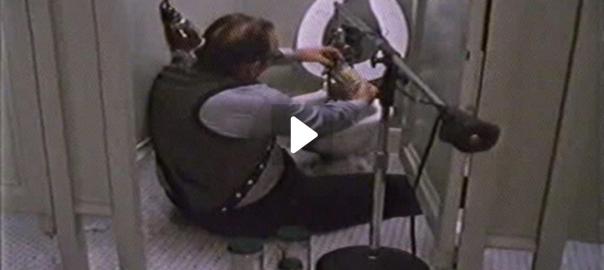
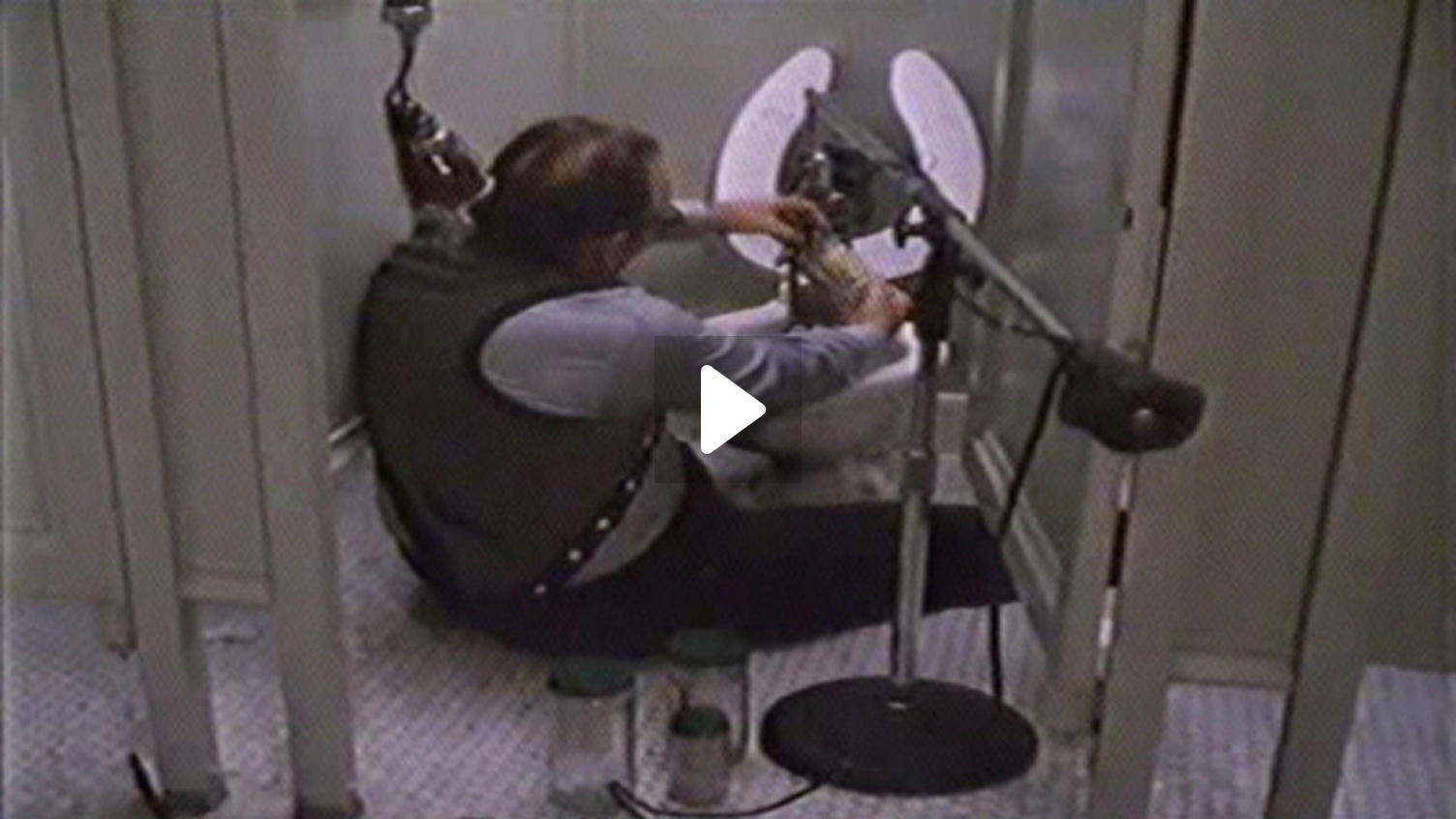
Anyway, it’s an exciting film to watch that gives you something to think about. I loved seeing all the clever improvisation and creativity of putting on a live broadcast. Perhaps you have heard how the sound person created the menacing unscrewing of the Martian cylinders by having her assistant unscrew a pickle jar in a toilet in the men’s room to get just the right reverb? Paul Shenar was dead on in his reading of Orson Welles’s sign off for the play, as the Mercury Theatre’s trick and treat. I especially liked that the writers (including Nicholas Mayer and Howard Koch, a writer on the original script) left me considering how suppressing rather than facing what unsettles us in this world actually leaves us prone to that that which we try to suppress. If this can happen unintentionally by creative writers, actors, and technicians, what can deliberate manipulation through something like AI do, if we haven’t faced and come truly to understand the contentions of our world?








 Sharon Healy-Yang

