Category Archives: supernatiral films

Casting Shadows, as It Were

“Casting Shadows, as It Were”

In the past, I’ve posted on how “casting” characters as if they were played by (mostly) classic era actors in my earlier Jessica Minton mysteries helped me  flesh out their characters.  Now  that Shadows of a Dark Past is out, I thought you might enjoy reading about the inspirations for the folks Jessica, Liz, and James encounter on the mysterious Birdsong Island.  So, let’s begin!
When you’re writing a ghost story à la Val Lewton/Edgar Ulmer/ Joseph Lewis, it only makes sense that some of your characters be inspired by star players from those films.  So, with whom to start?  Why not the inspiration for the haunted scientist/widower of Shadows, Vitus Blasko?
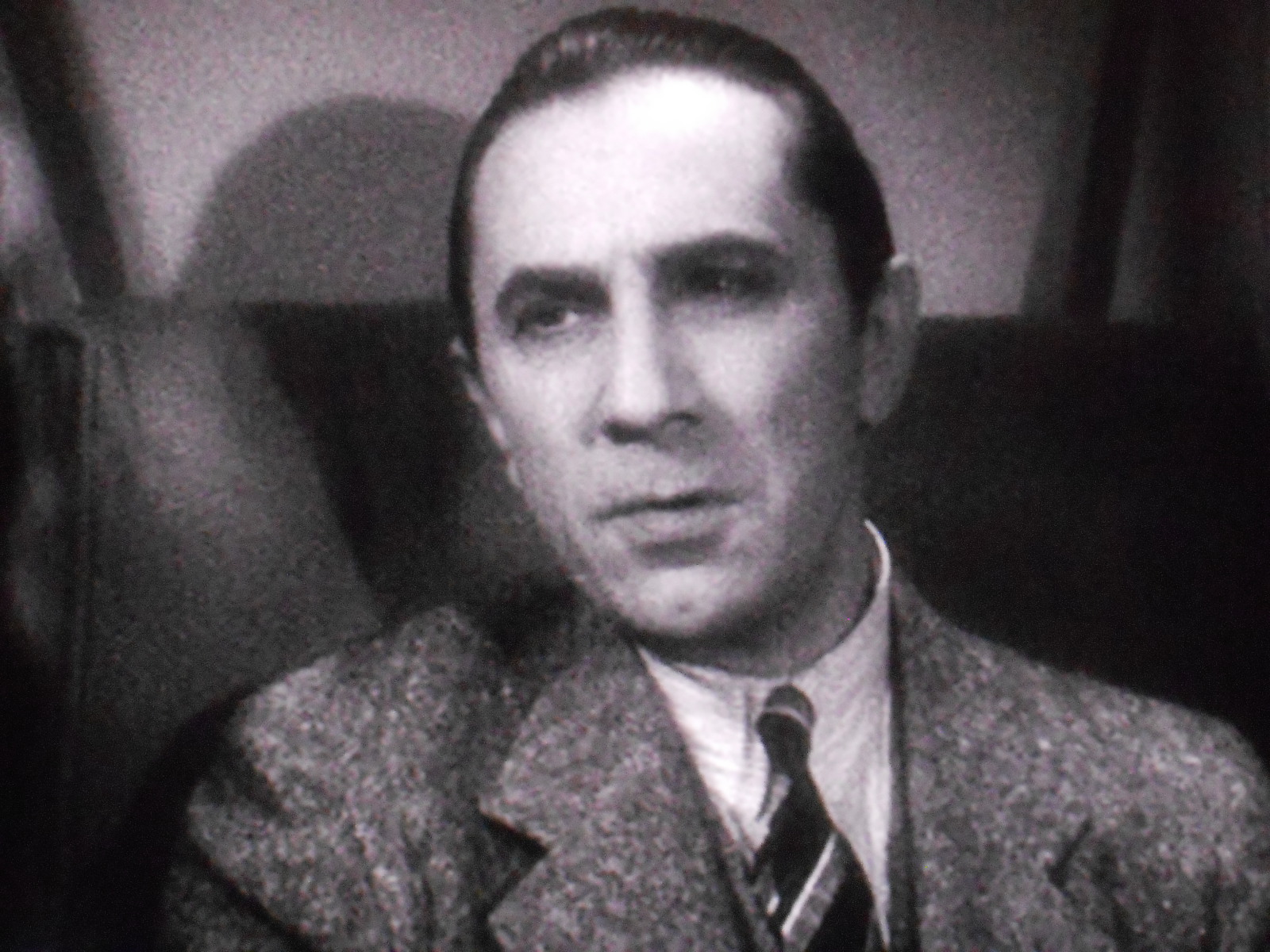
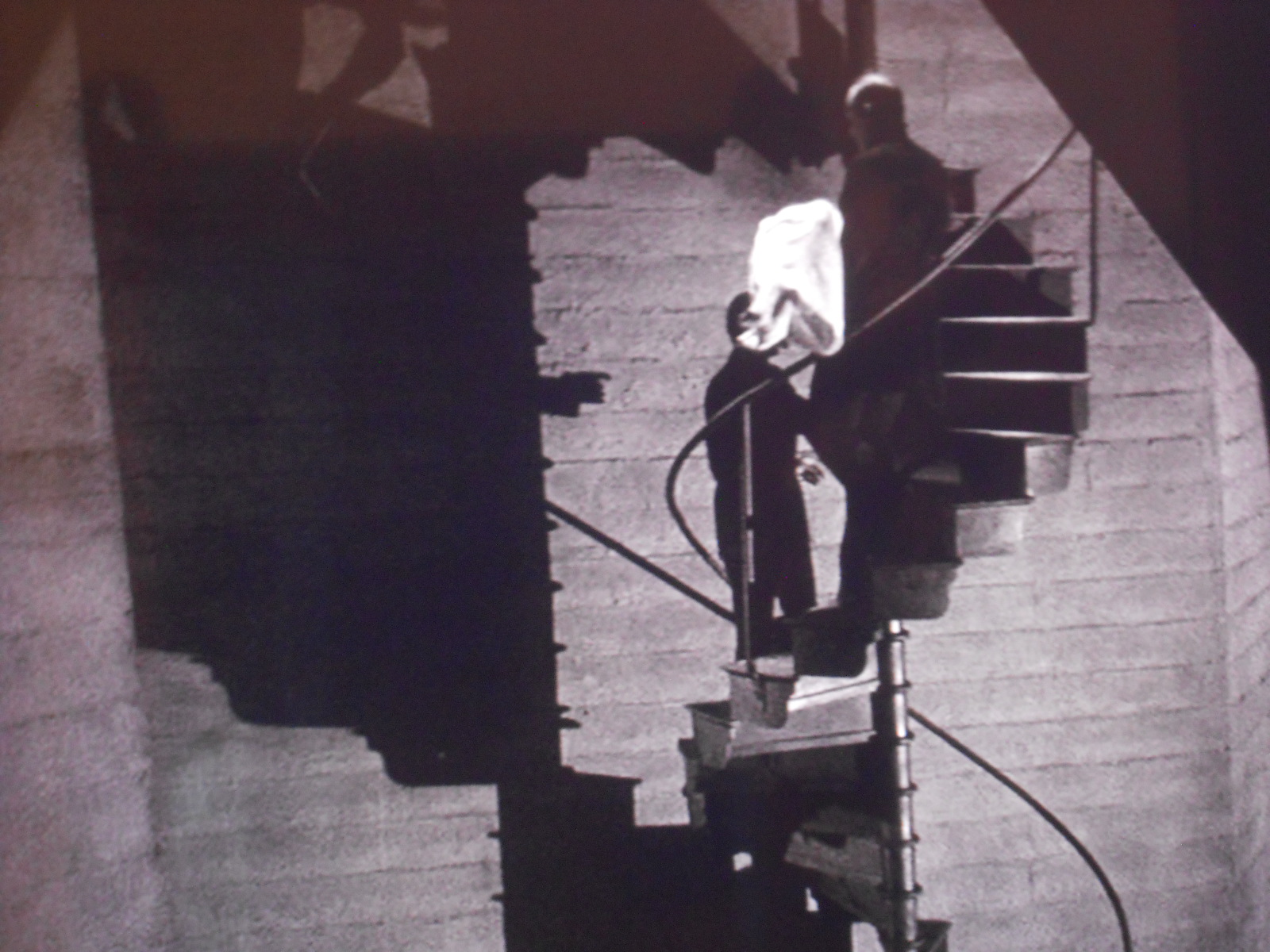
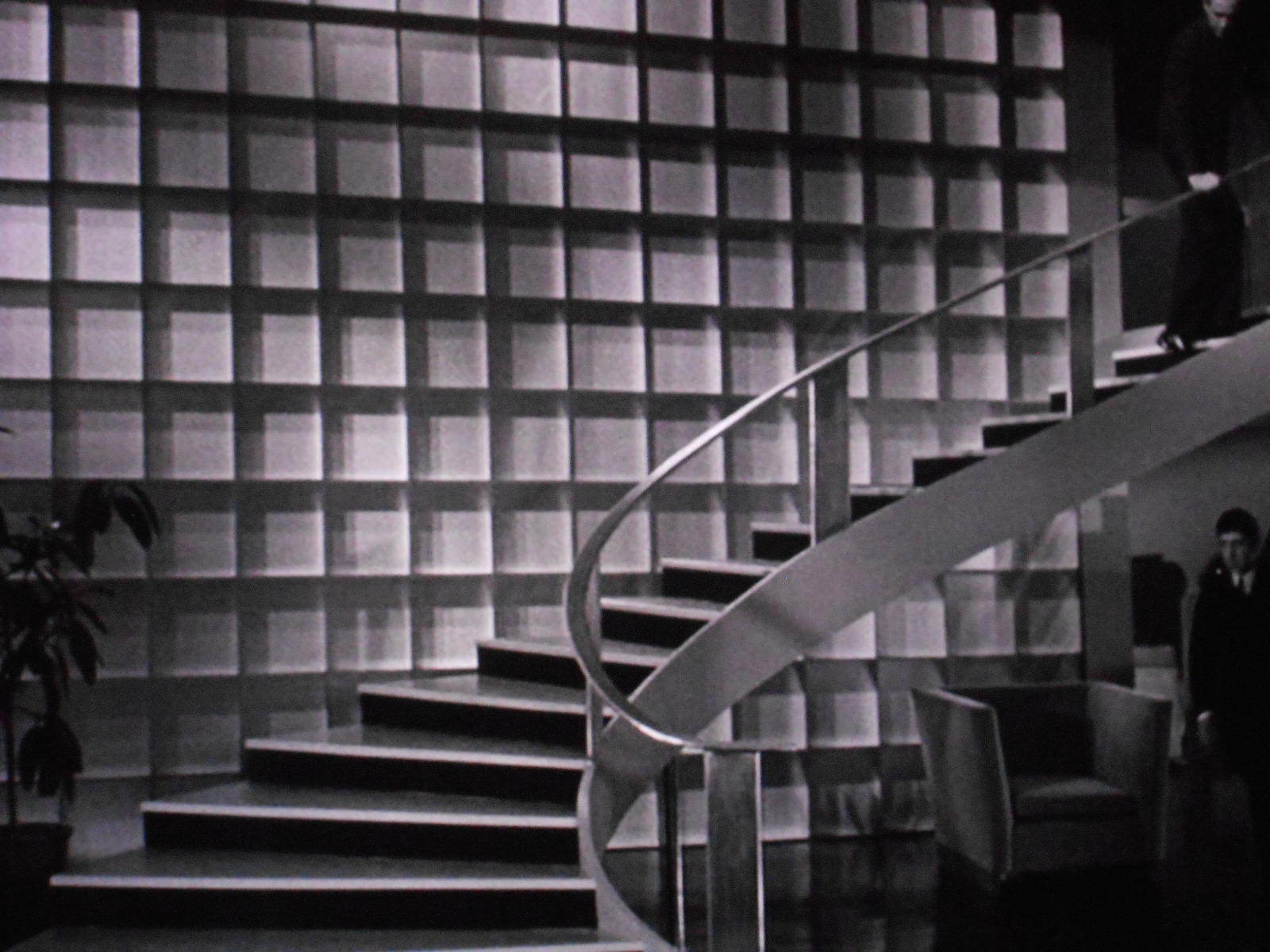
Who is a prime prospect to play a man whose obsession with his work cost him his wife and child many years ago?  My choice was one of the premiere players of 1930s/40s horror, especially at Universal:  Bela Lugosi.    “What?!” you exclaim.  “The guy who played those Machiavellian vampires in Dracula (1931) and Return of the Vampire (1945), as well a plethora of sinister scientists?” “You bet!” I reply.  Lugosi also played the tortured and highly sympathetic Dr. Vitus Werdegast in 1934’s The Black Cat.  Here, he’s a doctor who had been sent to a death camp at the end of WWI, costing him his wife and daughter, through the betrayal of Boris Karloff’s Hjalmar  Poelzig.  (Now those are names!)  His intellectual battles with Poelzig may seem sinisterly to threaten a young married couple caught in the middle at Hjalmar’s Frank-Lloyd-Wright-on-LSD designed mansion.  However, Werdegast’s grief over what he has lost and his protection of the couple reveal a sympathetic tenderness in Lugosi’s acting.  In honor of the sensitivity of Lugosi’s performance, I opted to select Vitus for the first name of my haunted scientist from Lugosi’s character in The Black Cat and the last name from Lugosi’s actual family name.

Jamie Blasko:  Jamie, Vitus and the ghostly Felicia’s daughter, has terribly suffered through her mother’s murder (or abandonment?), a broken engagement, and living in a shadow-shrouded manse looking after a father broken by the mistakes of his past.  With a cast member of The Wellstone Mystery Hour offering her the life saver of romance, Jamie has a chance for happiness.  Dare she take it?  The radio program will broadcast shows focusing on that most terrible time: the mystery of her mother’s disappearance.  Can Jamie bear a revival of that scandal and pain?  Will the program provide the answers she needs?  Will she and her father be able to bear those answers?
Soulful-eyed Gail Russell is the natural inspiration of my creation, Jamie Blasko.  In such roles as the haunted daughter determined to embrace the ghostly touch of her mother in The Uninvited or the young woman struggling against the psychic prediction of her death at a fast approaching appointed hour in The Night Has a Thousand Eyes, Russell’s gentle demeanor threaded with flashes of piercing anguish embodies the spirit of the Blasko girl.


Gerry Davis:  A WWII vet who lost a leg at Anzio, Gerry is a true radio trouper on The Wellstone Mystery Hour, not only playing most of their romantic leads but a host of other parts as the need arises.  Handsome with wavy blondish brown hair and a twinkle in his eye, Gerry’s kind heart and impish wit may be just the ticket to save Jaime Blasko from the darkness shadowing her life.  However, Gerry must overcome the antipathy between Vitus Blasko and the Carlyle family sponsoring these broadcasts of a past tearing apart both families.  For Gerry, I’ve turned to a more modern player for inspiration: Geraint Wyn Davies.  The humor, passion, and intelligence Davies has brought to roles ranging from Shakespeare to the conscience-stricken vampire detective of Forever Knight makes him an ideal choice to inspire Gerry’s good nature and passion  to protect Jamie Blasko.
If you haven’t already, check out my blogs on casting characters in the first three novels of the Jessica Minton Mysteries
Bait and Switch
Letter from a Dead Man
Always Play the Dark Horse

Image Credits
Bela Lugosi images screen shots from The Black Cat (1934), © Universal Pictures.
First Gail Russell Image:  Screen Shot from The Uninvited (1944) © Paramount Pictures.
Second Gail Russell Image Public Domain from Wikkipedia: https://commons.wikimedia.org/wiki/File:Gail_Russell_postcard_photo_circa_1950s.jpg
Geraint Wynn Davies image a portion of Lady Vamp’s Forever Knight Site, http://www.foreverknight.org/LadyVampKnight1228/home.html

If any violation of copyright has been inadvertently committed by my posting or re-posting these images, let me know and I will remove them.
Back to Shadows of a Dark Past
Back to Home Page
 

Made for TV Horror 1: The Norliss Tapes

The Norliss Tapes (1973)

In some ways, the 1970s were a golden age for horror on network TV.  Series such as Ghost Story, Night Gallery, The Sixth Sense, and The Night Stalker chilled us back then, though the over-plus of poster-vision, superimposition, electronic music, and a dizzying tracking in and out may seem a little cheesy now.  And why did everyone think harpsichord music was so scary?  The horror genre also heavily populated another 1970s television trend, the made-for-TV movie.  One of the most prolific purveyors of  ’70s TV horror in a series or a one-off film was Dan Curtis, the guy who brought us Dark Shadows, the first gothic soap opera, in the 1960s.  Many people know Curtis for Darren McGavin’s  The Night Stalker series, which actually started out with two TV movies:  The Nigh Stalker and The Night Strangler. Dan Curtis, quite the busy beaver, also wrote, produced, and/or directed quite a few other telefilms, including Trilogy of Terror, Dracula, The Strange Case of Dr. Jekyll and Mr. Hyde, and The Picture of Dorian Grey.  One film he wrote/directed/produced that was not based on a classic horror tale was The Norliss Tapes.  A pilot that never  made it to a series, The Norliss Tapes is a kind of upscale Night Stalker, based on the premise of writer David Norliss investigating  supernatural incidents in order to debunk them.  Kind of a Scully and Mulder in one.  It could have made an interesting series.
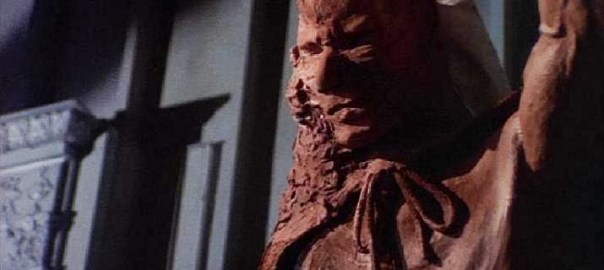
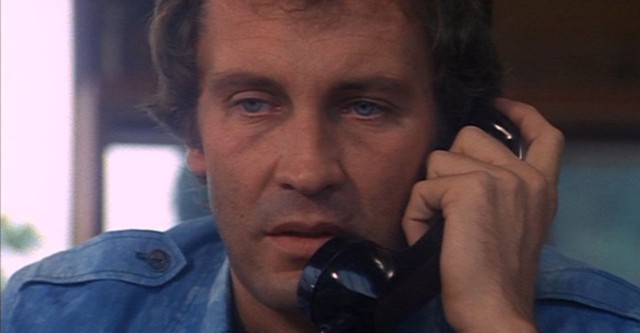
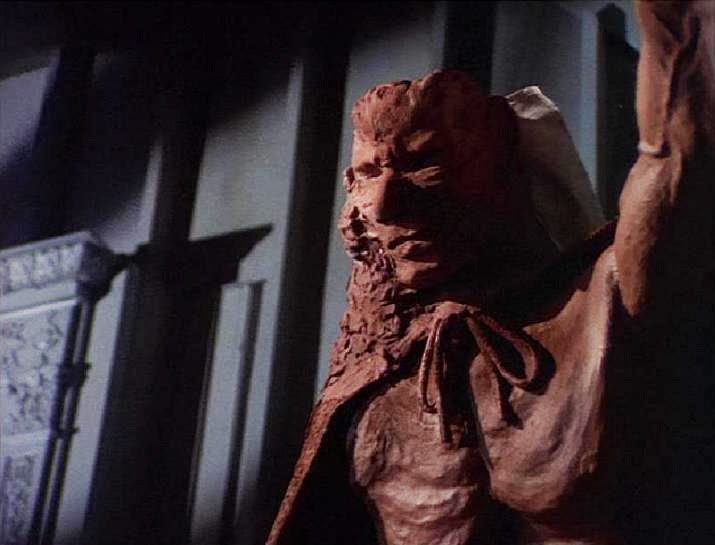
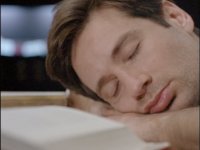
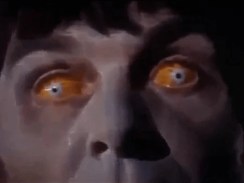
The movie starts with a tense David Norliss (Roy Thinnes) brooding over a foggy San Francisco landscape from the balcony of his apartment, then calling up his editor (Don Porter) to pressure him into a meeting about a book he was supposed to have completed on his investigations of the supernatural, with an aim to debunk.  He cryptically alludes to threats that have kept him from writing, which he now fears may even take his life.  When Norliss misses the meeting, the publisher seeks the writer at his apartment only to comes across a note telling him to play a set of numbered tapes (in the right order!) to understand what’s really going down.  After putting the tape in a handy cassette player/recorder (Now there’s a trip down memory lane!), the publisher and audience hear David’s voice narrating us to his first adventure into darkness — dissolve back into the past and away we go!  The tale unfolds with a recently widowed woman (Angie Dickinson) encountering a gruesome being in her late husband’s art studio, which of course she and her German Shepherd have to cross a hill and some woods in the middle of the night to access.  The creature whips the dog across the room and takes blasts from her shotgun as if it’s only a tackle from a linebacker.  Still, he’s down long enough for the woman to get away so she can tell her sister, a pal of David’s, that this thing is a creepy version of her husband.  He shows up to investigate, but for a skeptic he comes to believe the woman right quick — dazzled by Angie’s charms?  Before you can say Necronomicon (which actually is a long word), victims are being strangled and drained of blood, a new sculpture of something demonic in reddish clay appears to be gradually being finished in the studio, reports emerge of the husband’s prior involvement in dark arts once he learned he was dying, and creepy caverns and crypts reveal horrible secrets. All of which David pieces together, despite the local sheriff’s skepticism not his own.

Despite some of those annoying trackings in and out and a little too much screeching with the electronic music (Robert Colbert did his job much better on Dark Shadows), the movie has some genuinely creepy and suspenseful moments as victims are stalked on dark, lonely nights; in a dank mausoleum; or to a lonely motel room.  The film even makes effective use of the traditional “We’ve got to find the monster  in this forbidding underground passage before he stirs.”  Roy Thinnes, no stranger to the eerie (The Invaders, Horror at 30,000 Feet), makes an interesting and capable investigator:  discovering the right people to interview and asking the right questions, as well as effectively using the library.  Still, Thinnes plays the guy a little too much on the low-key side; he could make Duchovny’s Mulder look peripatetic.  In all fairness, though, didn’t an ambiance of low grade, indefinable anxiety predominate many films of the era, especially mystery and horror? After tale number one ends, the film returns to the editor, ending with him selecting tape number two.  So, one wonders what new adventure in horror David Norliss would have faced had this pilot led to a series.  Though Chris Carter credits The Night Stalker as an inspiration for The X-Files, the sophistication and the detecting skills of Norliss suggest this film is a much closer match.  How might Carter have developed his series if The Norliss Tapes had become a series?  Thinnes did reappear on The X-Files as Jeremiah Smith, ironically, an alien, though one with good intentions for us benighted earthlings.
No copyright infringement intended by use of the properly attributed photos.  If you feel there is a problem, contact me about removing the images.

Image One – author’s collection

Image 2 – https://www.justwatch.com/us/movie/the-norliss-tapes

Image3 – http://thebloodypitofhorror.blogspot.com/2013/10/norliss-tapes-1973-tv.html

Image 4 – https://cleigh6.tripod.com/CTP/CTP-grotesque.html

Image 5 – https://moviebuffsforever.com/products/the-norliss-tapes-dvd-1973

Christmas Noir II: Beyond Tomorrow

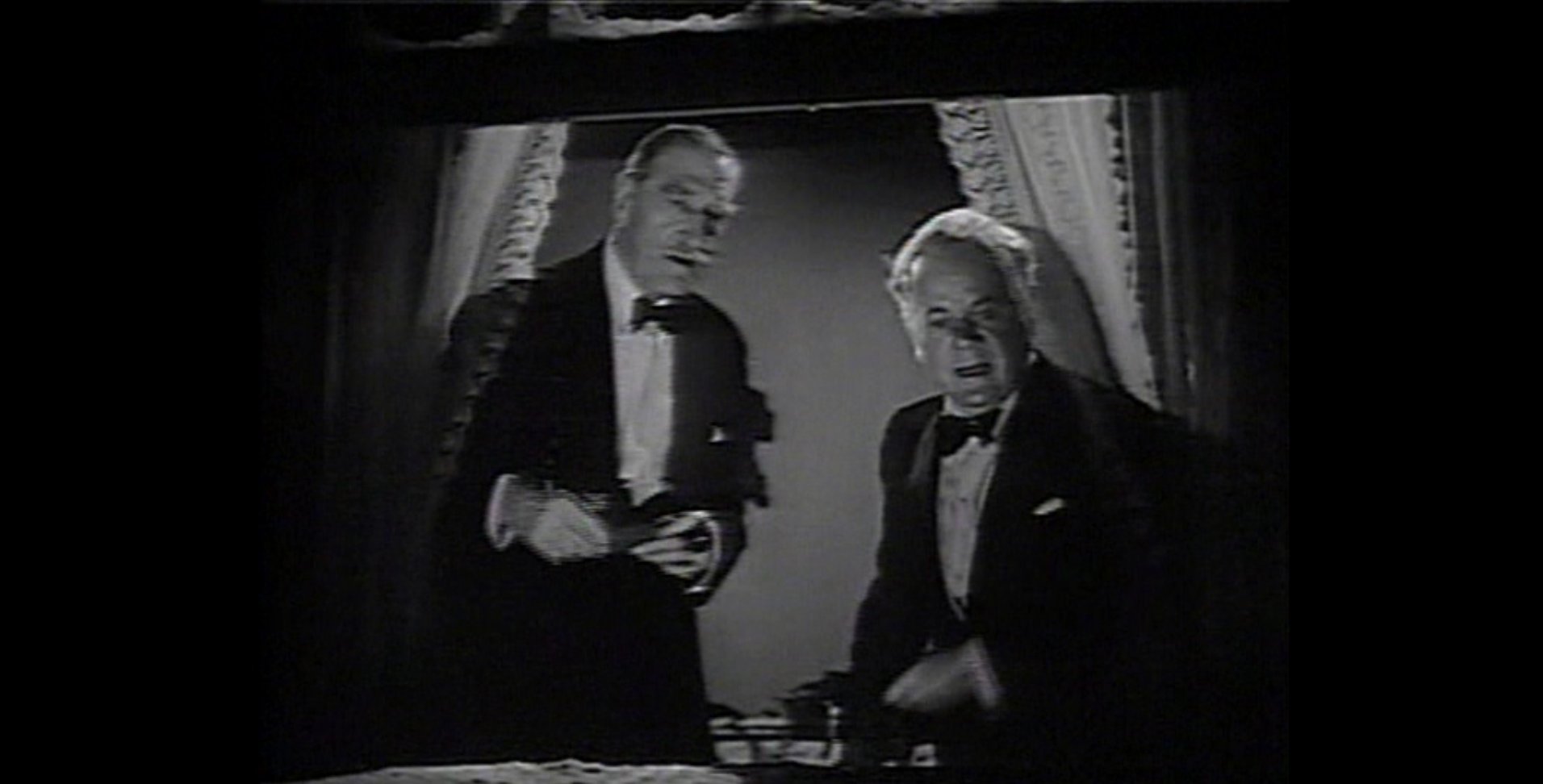
This year, my subject for Christmas noir is Beyond Tomorrow  (1940), an intriguing little dark fairy tale.  Well, aren’t most fairy tales dark somewhere along the line?  Edward Sutherland’s film starts with three “fairy godfathers,” wealthy old gents and business partners.  One Christmas Eve, on a whim ˗˗ and out of loneliness ˗˗ each puts his business card into a separate wallet with ten dollars and tosses it out the window of their mansion onto the snowy Manhattan sidewalk below.  All to see who will return the wallets and perhaps become a new friend to replace the old ones that one partner points out have disappeared into death.
Indeed, fate seems to reward them.  The first wallet is nabbed by a jaded socialite, who keeps it while carelessly tossing the ten bucks  to her chauffeur.  They dodge a bullet missing this brittle babe.  The other wallets are returned by two who promise to fulfill the old men’s wishes for rejuvenating friendship.  The first is Jim Houston, a polite, young, down-on-his-luck cowboy, stranded after a rodeo at Madison Square Garden.   The second is a Jean Lawrence, a sweetly pretty but pert and practical young woman who works and lives at a children’s clinic run by “The Wayne Foundation” (Bruce’s parents?).  Fate scores big for the old guys, as the young people share their lives and open up all kinds of opportunities for fun and giving, especially working with children.  Why the whole set up even earns the approval of the sensitive, spiritual elderly housekeeper (played by who better than Maria Ouspenskaya?)   Of course, the young people brought together by their godfathers fall in love and plan to marry.
A merry Christmas movie, right?  Full of jingle bells, holly wreaths, caroling children, and glittering lights and ornaments.  Um, not exactly.  Characters, plot twists, mise en scène, and lighting combine to create a noir ambience.  Early on, the film does present a cherubic Charles Winniger, as Michael, bursting into a business meeting of his partners at home on Christmas Eve. Laden with presents and releasing overworked secretaries for the holiday, Michael is a kind of redeemed Ebenezer Scrooge.  Yet all this fun and cheer is threaded with dark elements.  There are intimations of something sinister in the past of the crotchety partner George Melton.  The other partner, Chad Chadwick, casts longing glances at photos of a wife and a son long lost to death.  Dear friends scheduled to visit for Christmas Eve have canceled out, leading the men to reflect that those they love are mostly dead and gone.
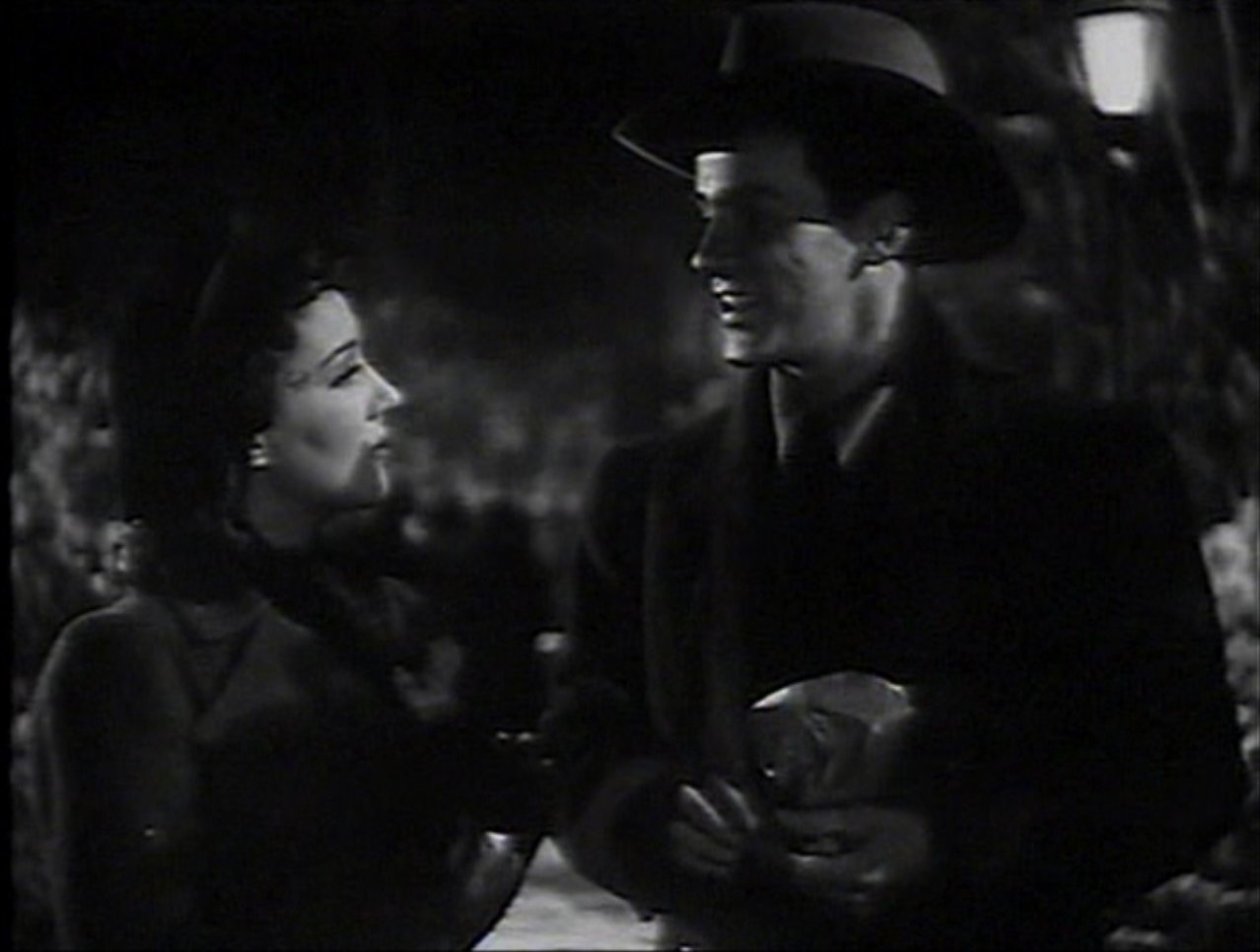
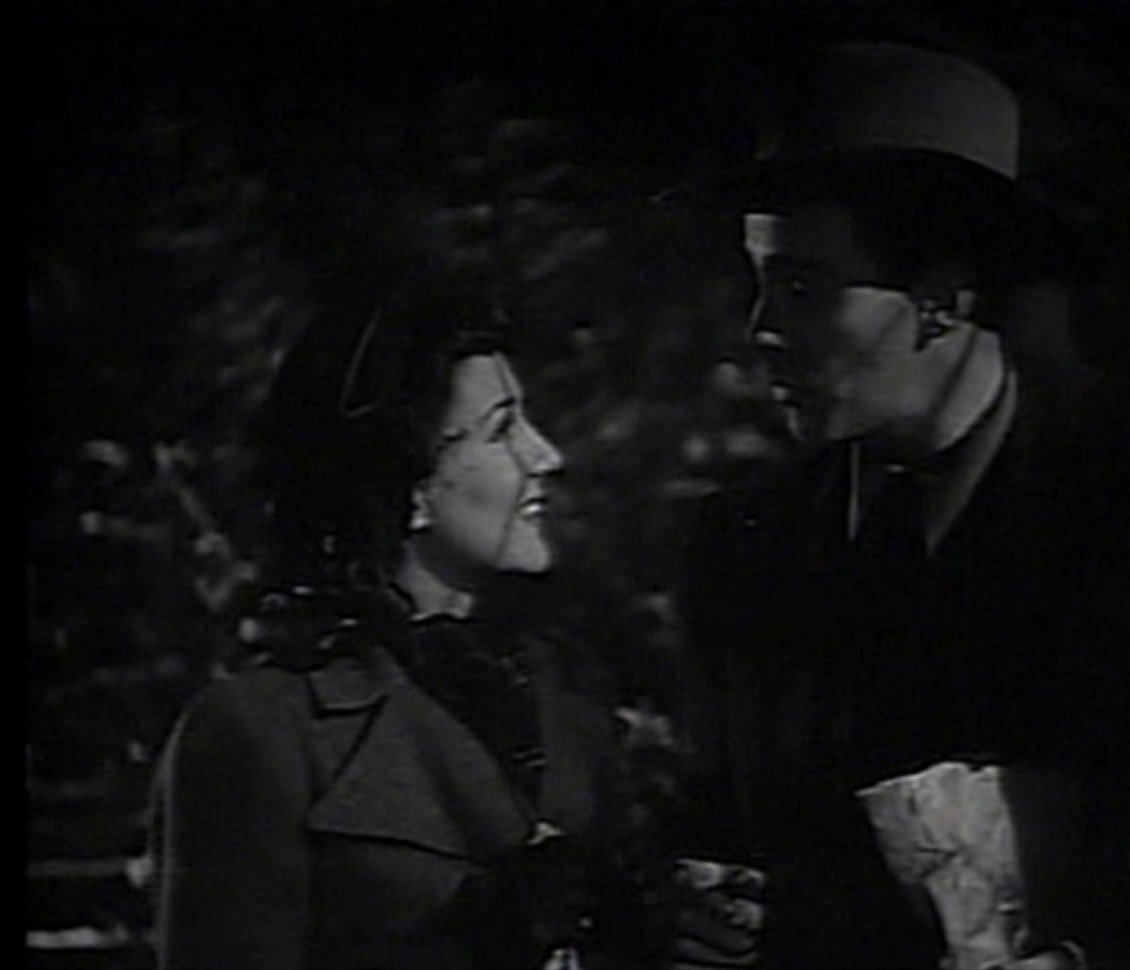
Even the advent of the fresh, kind, and honest Jean and James is overshadowed, literally, by a noir mood.  Sutherland does use bright filler lighting for the Christmas Eve dinner, but that moment is brief.   When old and new friends and servants Madame Tanya and Josef come to the window to listen to a Christmas band, though inside the window frame  is fairly bright, the area surrounding that square of light, the outside world, is darkly shadowed, even the strolling musicians.  The band is brought inside to play for a comradely sing along, yet shadows encroach on the firelight holding the people.   When James sings a love song, though he and Jean exchange tender looks, the shadows insistently fringe their medium close ups, with soft focus further creating an eerie  effect.  Even the love song, “I Dream of Jeanie” emphasizes longing rather than communion, conveying the effervescence of happiness in a noir world.
Throughout the film, noirish night undermines stability, comfort, and humor.  Jean and Jim’s romantic walk home and funny encounter with a mounted policeman and his sergeant occur in small pools of soft-focus light with darkness shrouding most of the frame.  Jim’s later proposal to Jean, though the two laugh playfully, is not in a sunny Central Park but in a dark, shadowy, late night walk there, only faintly illuminated by narrow key lighting on their mostly shadowed faces and the faint glow of a street lamp.  Such imagery  would not be  out of place in the hauntingly sinister streets of Val Lewton’s eerie New York in The Seventh Victim or The Cat Woman
Later, when the femme fatale lures away Jim as he becomes a successful radio star, they meet in a bright apartment.  Yet through the slits of partially open blinds between them pour in the black  night , with intermittent points of light from skscraper windows piercing in on them like intrusive, glaring eyes. It is the noir world that forms the apex of this triangle, predominating and binding the humans together  beneath in tragedy and corruption.
Elsewhere, Sutherland uses darkness and mise en scène to signal that alienation and tragedy inevitably supplant good fortune.  The reporter getting the story he will spread of Jim’s and Jean’s inheritance from Michael is framed in front of  the two (all three in medium closeup) a black silhouette before and between them, almost blotting them out with his black fedora and his black trench coat.  He looms between them and between them and their future  like Death incarnate.  Even the godfathers and their magical influence are at crucial moments overwhelmed by noir ‘s fateful darkness. 
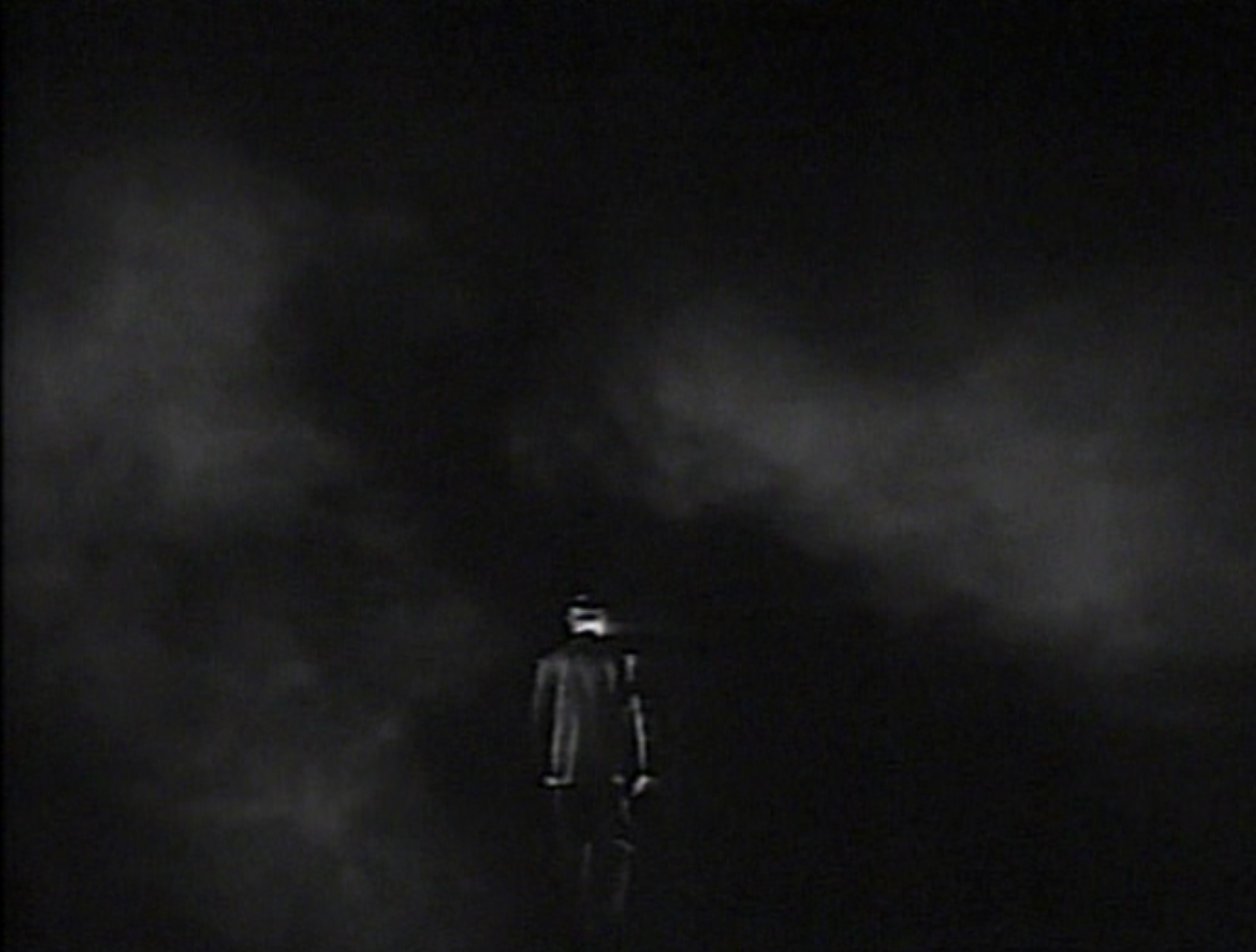
The afterlife is given the noir treatment as well.  Isolated and alone, like many a noir anti-hero, Melton is drawn into and swallowed  by a photo- negative of inky, roiling clouds after his death, predicated by his dark past. Michael’s call to the beyond, though promising peace and happiness, is portrayed disconcertingly:  bright, thin rays against a black sky striking earth from a mass of black clouds.  The friendliness of the angelic voice calling him is unsettlingly undermined by this nightmare image of the divine- all in the surrounding darkness of Lewtonesque city night.
The plot twists imbue Beyond Tomorrow with the same noir vision as the lighting and setting, sometimes even in conjunction.  Just when the godfathers and the young folk seem happy, hopeful, and excited to live, where many a Christmas movie ends, the business partners are killed in a plane crash.  The signal of their deaths merges this ironic turn with dark imagery to create noir ambience. The lovers’ joy as Jean accepts Jim’s humorously inadvertent marriage proposal is undercut for the audience by unseen newsies’ growing cacophony of “Extra” surging insistently out of the shadowed night surrounding the unwitting lovers, hinting that a dreadful turn is emerging from the darkness. It more clearly emerges as the scen closes with a closeup of a headline proclaiming the three godfathers’ deaths.
Other expectations of “comfort and joy” are obliterated with noir’s relentlessly disconcerting unexpectedness.  The three godfathers return as ghosts and settle in their old study to preside over those they love, comforted by Mme. Tanya’s sense of their presence.  However, just when we and they start to get comfortable with this cozy turn, they are one by one called to leave by a darkening of the screen and a mysterious higher power, two to pain and sacrifice. 
In another noir reversal, Michael’s final godfatherly act in life to leave the young friends some dough to make their lives easier and their dreams come true turns out to be exactly the curse Melton warns him it would be – foreshadowed by the reporter’s ominous depiction darkly splitting the lovers.  The news story on the couple’s luck leads to Jim becoming a radio star who deserts Jean under the spell of Arlene Terry, whose fatale ways with her former husband drive him to shoot Arlene, Jim, and himself.  Just when we become comfortable in our security, happiness, love, and fellowship are all battered by the darkness of the world outside us, and also by the darkness within even the best of us that will reach for that darkness without.
There are happy endings in the film, but not without pain, disillusionment, falls from grace, and even death.  Madame Tanya is proved right in her observation that the power and prestige of being royalty in old Russia is nothing compared with the joy of loving and serving others. Loving sacrifices are rewarded; friendship even redeems Melton’s soul from roiling clouds of bitterness and despair.  And yet, Melton’s sadly cynical recognition of human weakness in the face of the darkness outside and within imbues this Christmas film with a noir outlook:  “To be born innocent is natural.  To die pure is a gift.”  No one dies pure in Sutherland’s film.