Tag Archives: Coot

Fare Thee Well, Winter Birds

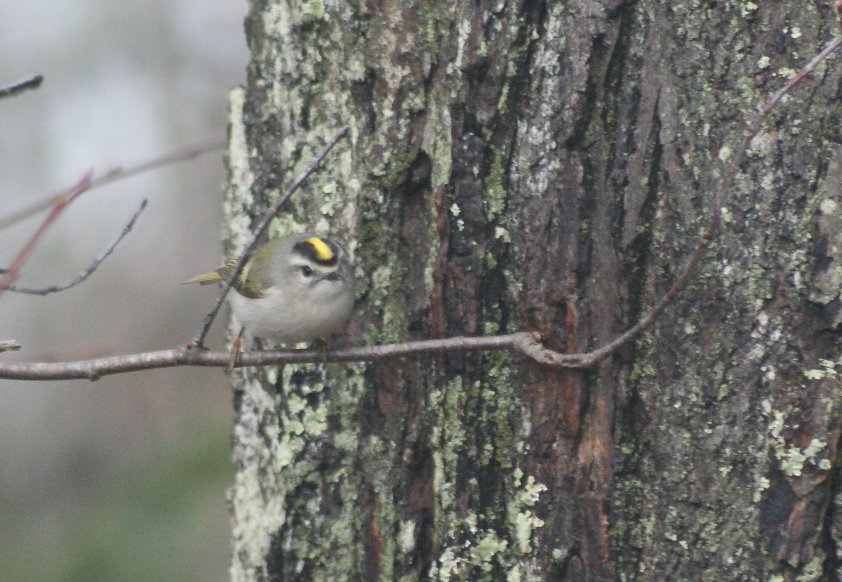
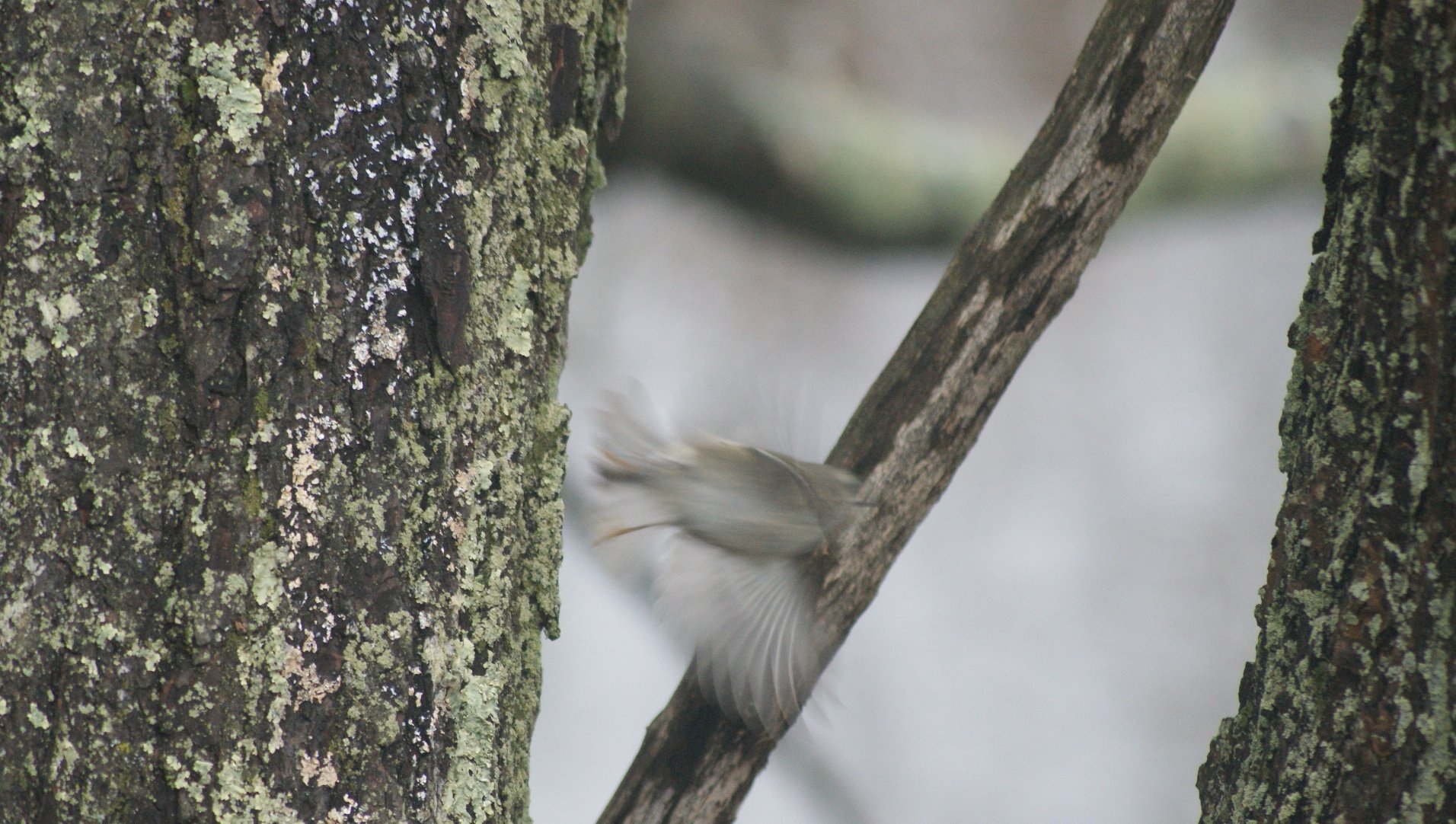
Well, this title isn’t entirely accurate.  Many of the winter birds are still hanging out, as is the cold weather.  Still, I thought I’d better post on some of our winter visitors before the air conditioners snap on and the Baltimore Orioles start sipping mimosas and fanning themselves.  The first visit I want to mention was a local one:  the Swedish Cemetery in Worcester.  Here, we had the great pleasure of snapping some shots of Gold Crowned Kinglets.  These cuties are awfully fast, so Yang actually managed to end up with a few shots of a tree where the bird had been a millisecond before.  Nevertheless, he did get some nice photos, as you see.  Some were even “action” shots like the one below!
In January, we also made it to Gooseberry Island, one of our favorite spots.  Though, for the first time, we missed out on the Long-tailed ducks there, we did sight lots of other feathered pals.  We caught some Eiders on film.  There was a male, a female, and an immature male.  Note the immature male at the the top, right,  acting like a typical teenager – not wanting to be seen with his parents.

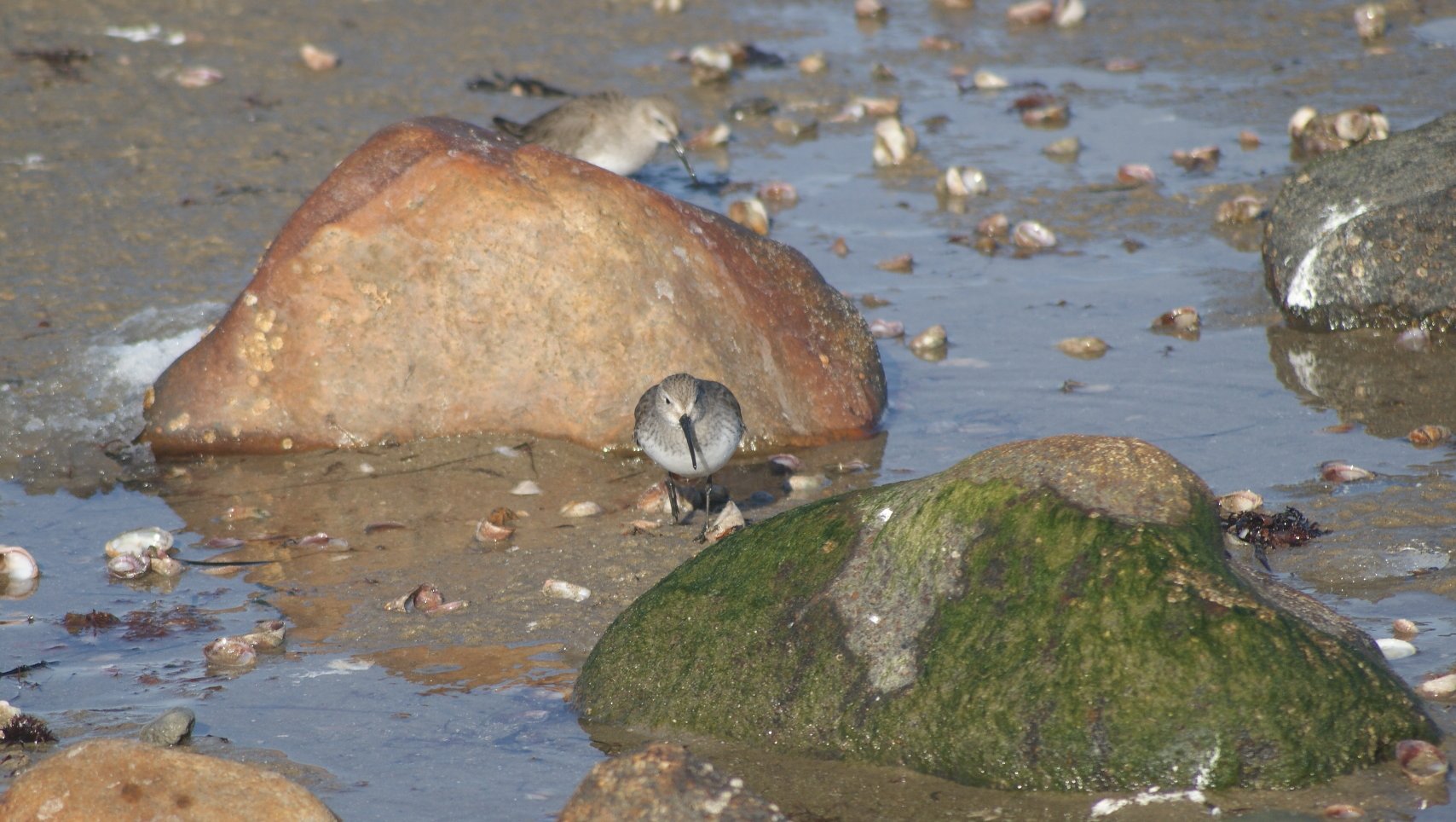
We also some adorable shore birds.  The Dunlins were real cuties.


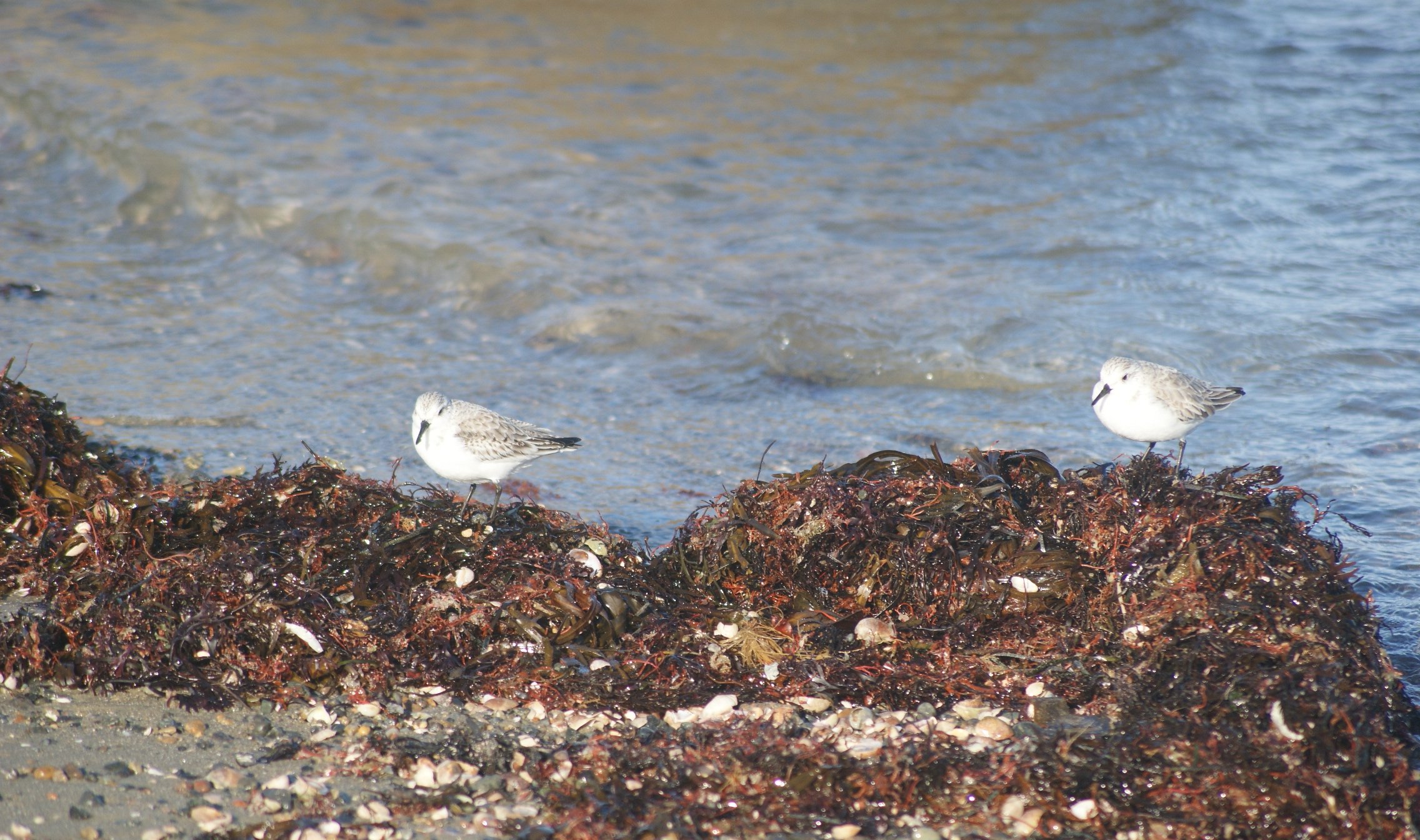
And the Sanderlings were no slouches, either!


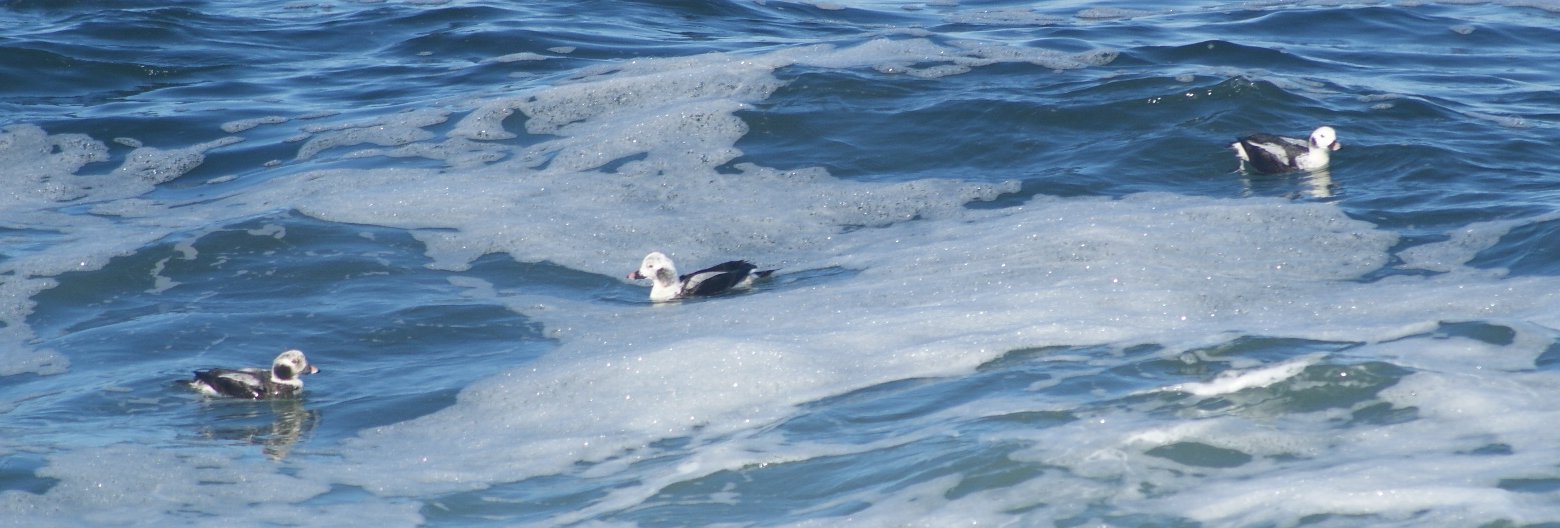
We had to go to Halibut Point to see the Long-Tails and Harlequin Ducks.


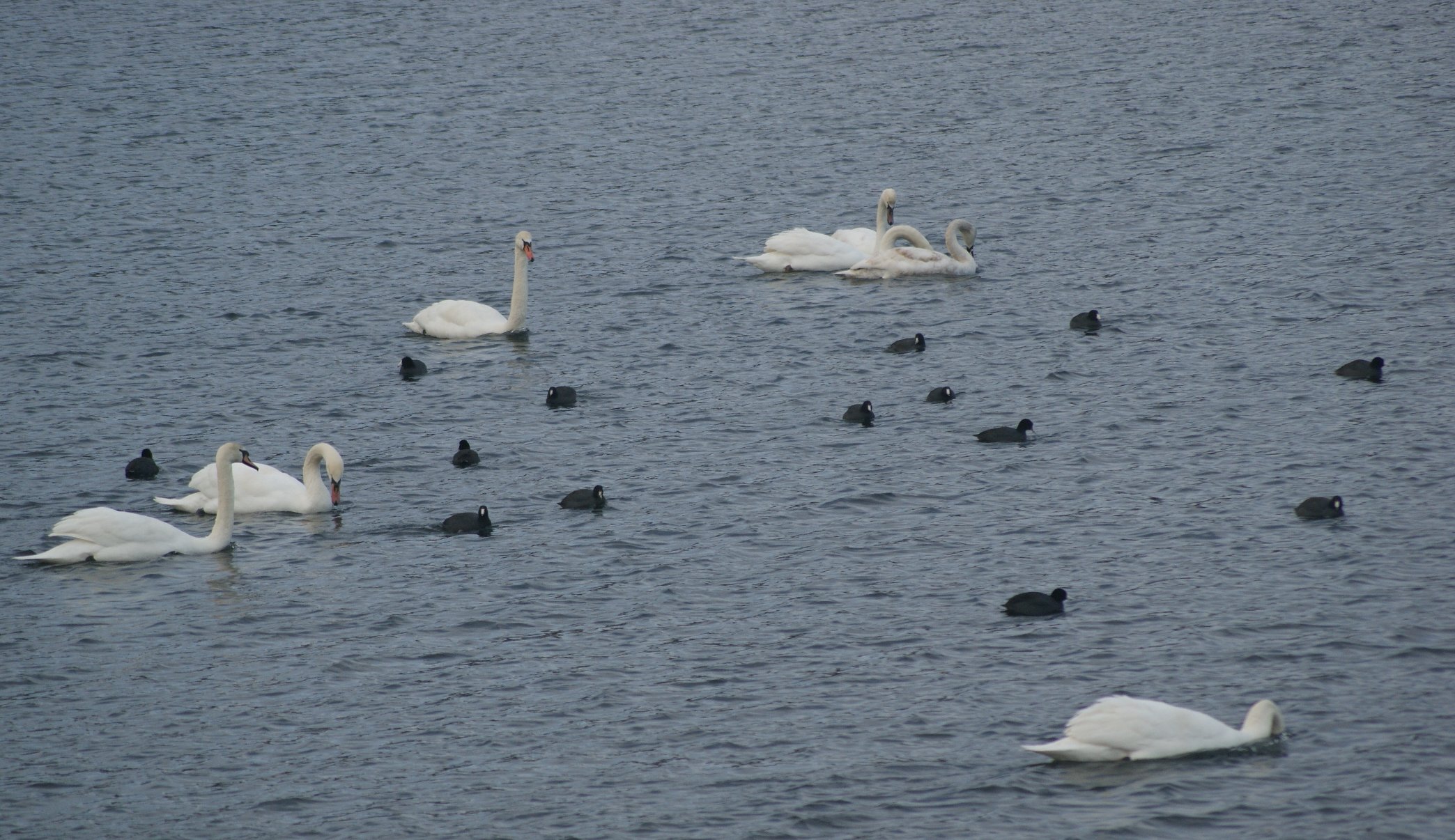
We also made to the Chestnut Hill Reservoir, where we saw many a different waterfowl.  The Coots were in abundance – and they loved to hang out with the Swans.


We also got some closeups of these plump guys.  Their heads are black, their bodies are grey, they have a white streak over their beaks, and they have huge, lobed, yellow feet.  We couldn’t get a good shot of their feet because they were in the water.  Still, we did get some nice close ups of these guys.  They are still at the the Reservoir now, along with tons of Ringed-Neck Ducks.  The Ruddy Ducks have also re-appeared – but that’s a set of pictures for another blog.  For now, enjoy these rotund cuties.  By the way, they also love Horn Pond in Woburn – the forthcoming subject of another blog.

Their bodies may be plump and take-off may be skittery, but the coot can fly!


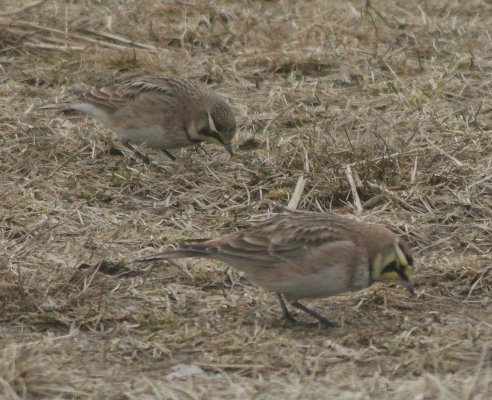
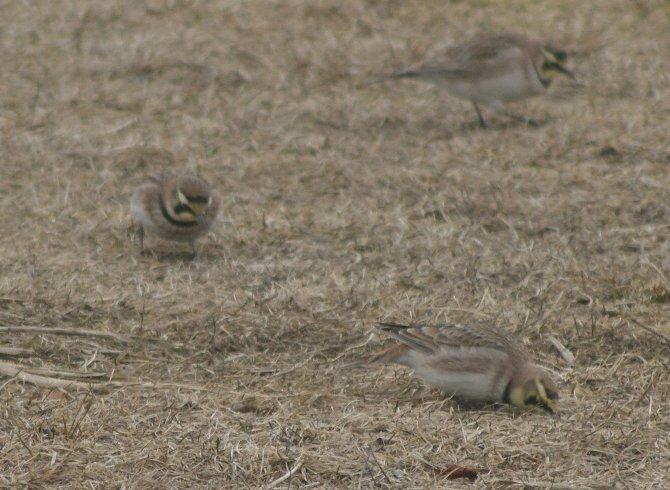
Last report is on our visit to Meig’s Point in Connecticut in February.  A week or so before, we’d gone there on an unseasonably warm Saturday – and, unfortunately, everyone else had the same idea.  There were tons of people but hardly a bird to be seen.  That was sad for Yang, because this was the place we always saw one of his favorites, the Horned Larks.  So, we went back on a colder weekday a week or two later and guess what we saw?

We got to see a whole flock!  We were so careful to approach them quietly, because these guys are very shy.  The the flock will fly off in a winged shape, much like the Snow Buntings that we saw on Deer Island.  It’s so neat to see that sweep of black feathers giving them a “horned” appearance, with that splash of chartreuse on their faces.  As you can see, it’s hard to pick them out with the way their brown feathers blend them in with the winter seared grass.  If you click on the photo, you’ll get a better look.

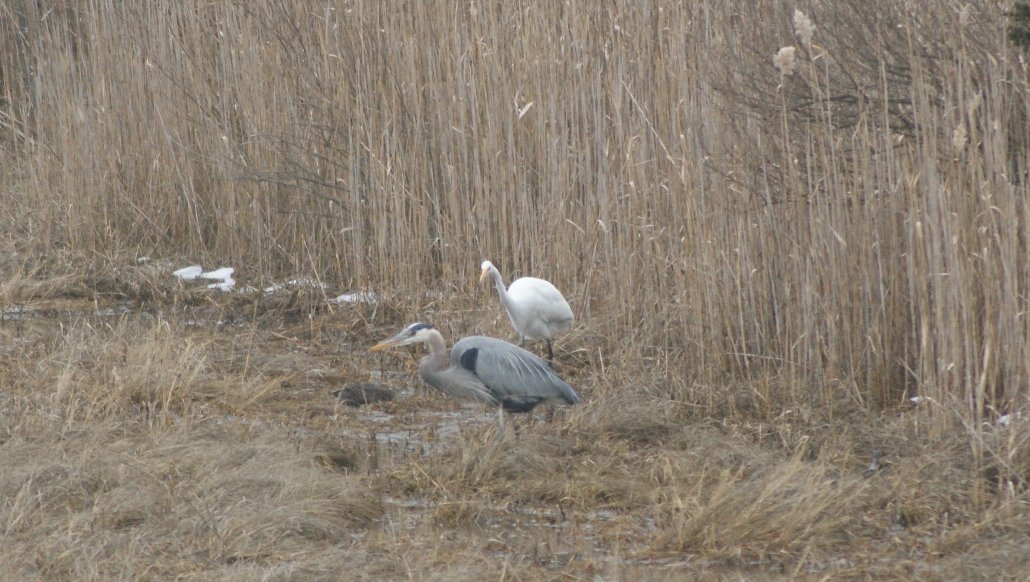
We didn’t just see the larks, though.  I wasn’t able to get a picture, but I did see a female Ruby-Crowned Kinglet close up.  We were  sighted lots of Loons (the avian not the human kind) swimming along the shore, like this chap.  At one point, we even saw three seals sunning themselves out in the bay.  Sorry, they were too far to photograph.  Here’s one of the many Golden Eyes we saw, along with tons of Surf and Black Scoters.  We also had the pleasure of watching a conference between a Great Blue Heron and a Great Egret that, fortunately, ended without bloodshed.


So, winter may be past, or passing, but we did get some nifty bird sightings in!


Great Bustards, Batman! Holy Rooks! Birds in England

 The last few days of May and the first week of June, my spousal unit and I joined a tour in England and France.  Of course, we had to take advantage of the opportunity to sight and photograph lots of birds that we couldn’t see back home.  In England, we got most of our shots in and around London and at Stonehenge.  The special guest star who appeared at Stonehenge, I’m saving for last on this page.

One of the most common birds comes first, the Wood Pigeon.  This guy looks a bit like thewood pigeon Rock Doves back home, but he is quite plumper and longer.  People in Europe probably see them the way we see pigeons back here, but for my husband and I they are a treat for being a bit different from what we’re used to seeing.

We got to add some new ducks and geese to our list of bird sightings for the year.  Here is the Grey Lag  goose.Grey Lag1 There was also another duck we weren’t quite sure of.

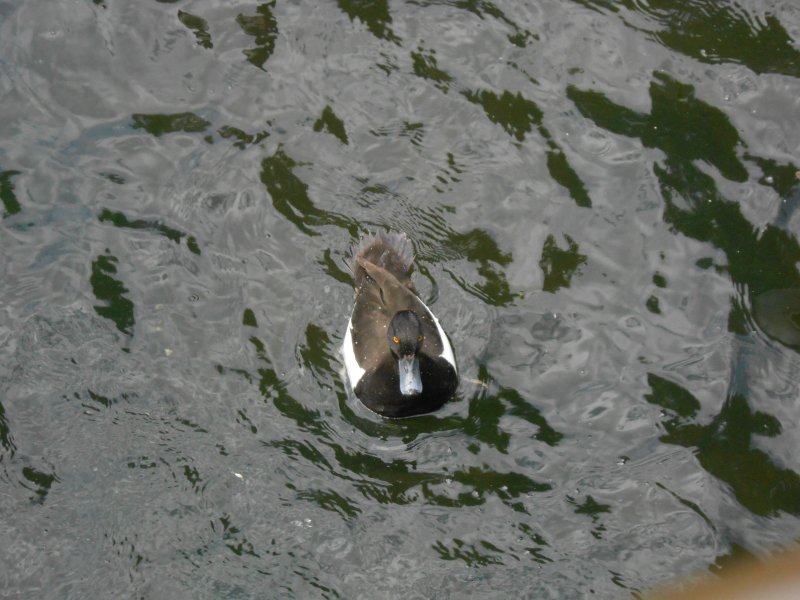
It looks like a Tufted Duck with his tuft slicked down.  If anyone else can better identify these guys, please let me know.  We photographed both the male and the female.  Dig those crazy, Satanic orange eyes!  Tufted3


This one is probably the male.

This one looks like the female.  What a lovely couple!

Tufted2

We also saw some coots, including these  babies.

coots2

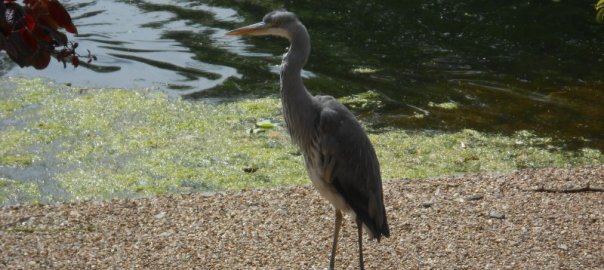
grey heron1One of the prettiest of the water birds was this Grey Heron.  I believe he is an immature one.  Not only have the tuft feathers on his head not developed as they do on a mature bird, but he giggled anytime anyone said “underwear.”  Don’t ask me why anyone did.


Here’s an even better shot of the heron.grey heron2


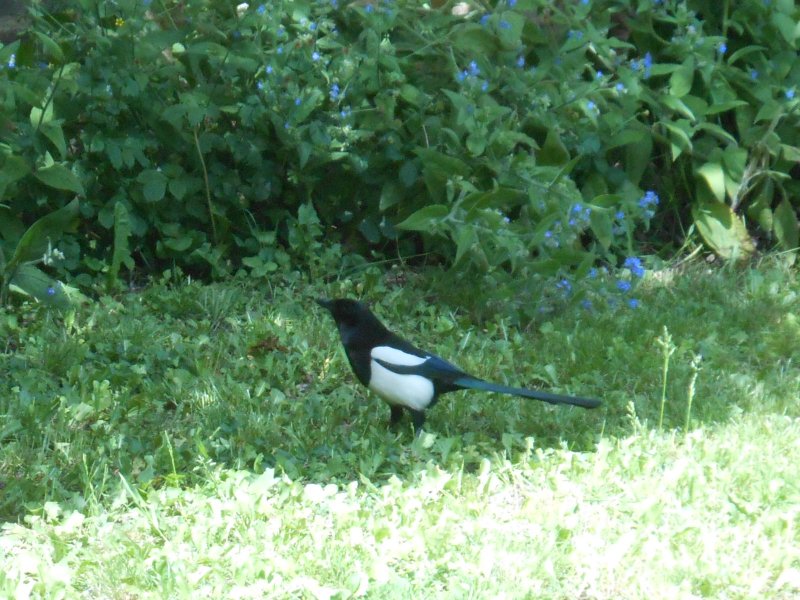
We also noticed there were lots more birds in the crow family here in England than back at home.  We saw this beautiful Magpie in Highgate Cemetary.Magpie4  Notice how the blue toward the back of his wings picks up the blue of the flowers.  Did he plan that?  We don’t have any of these guys in New England, but I’ve seen them on the West Coast, in California and as far east as Colorado. There are tons of them in China as well.  I wonder why they never seemed to spread past the Rockies?

At Stonehenge, we also saw some other crow relatives, Rooks and  Jackdaws.  I’m fascinated by the missing feathers right above the beak on Rooks.  Since Rooks are carrion feeders, does this lack of feathers help them ward off bacterial infections, as does the Condor’s and vulture’s featherless noggin?IMG_0487

Here’s a Rook.

And here’s a Jackdaw. My husband loves the grey at the back of their heads. jackdaw2 He thinks it makes them look cute.

So here is the treat I promised you at the beginning of this blog!  The Great Bustard! Apparently this bird was almost extinct, and the conservation people have been breeding them to bring them back to repopulate the country.  I was told that I was extremely lucky to be able to see one when I was at Stonehenge.  I certainly feel lucky.  Good luck to these guys making a comeback.

bustard8

     bustard6

bustard5