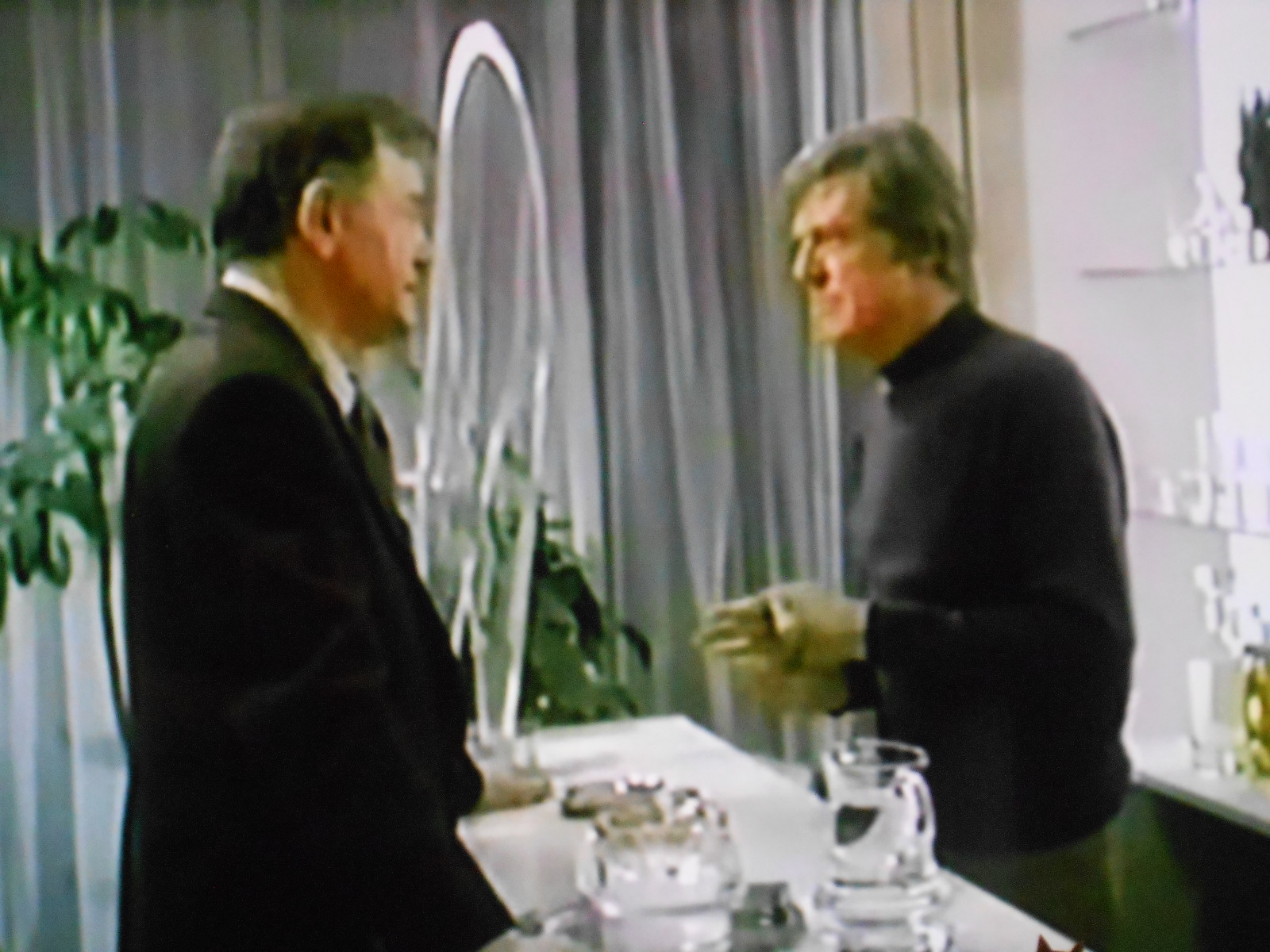
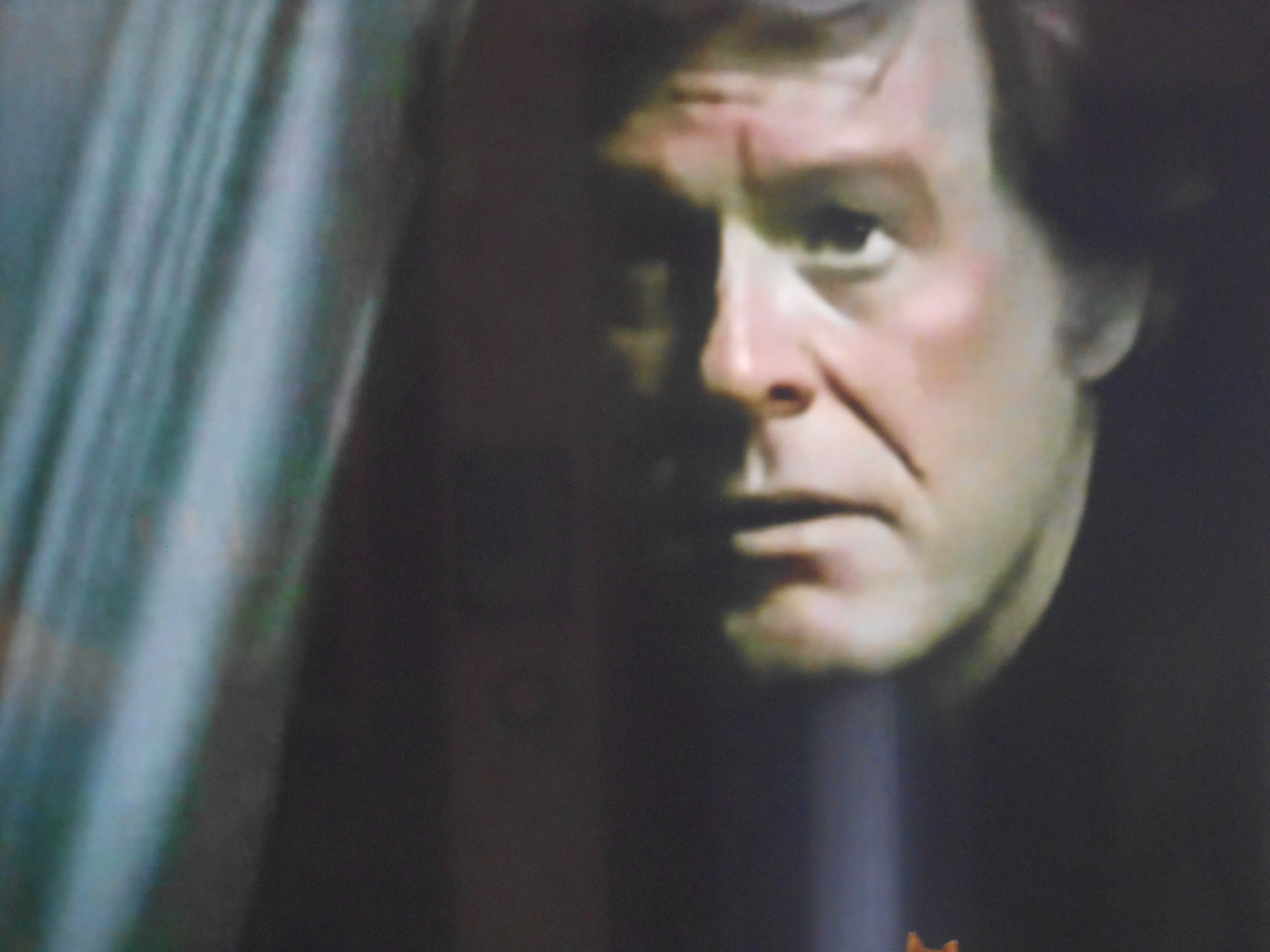
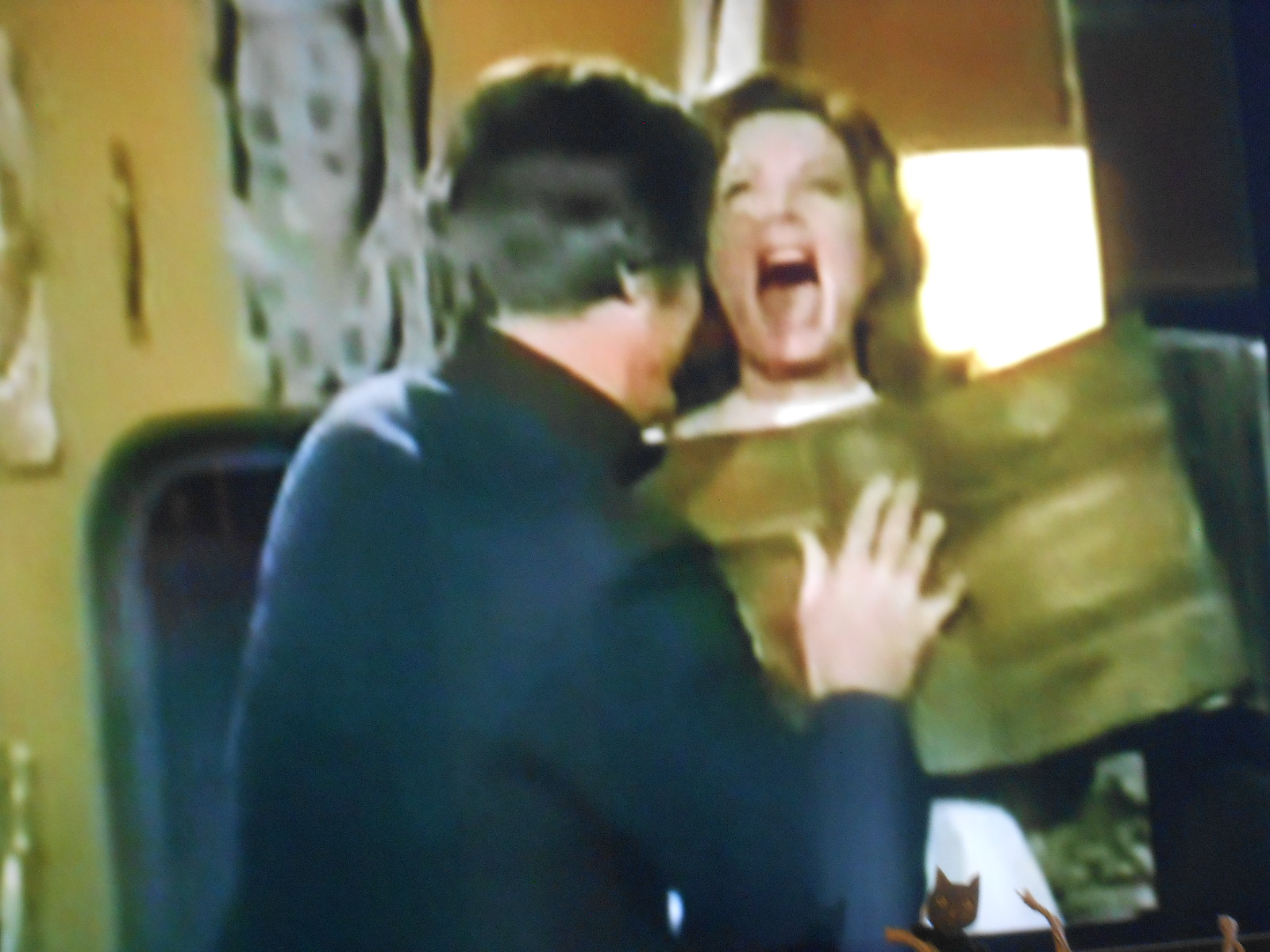
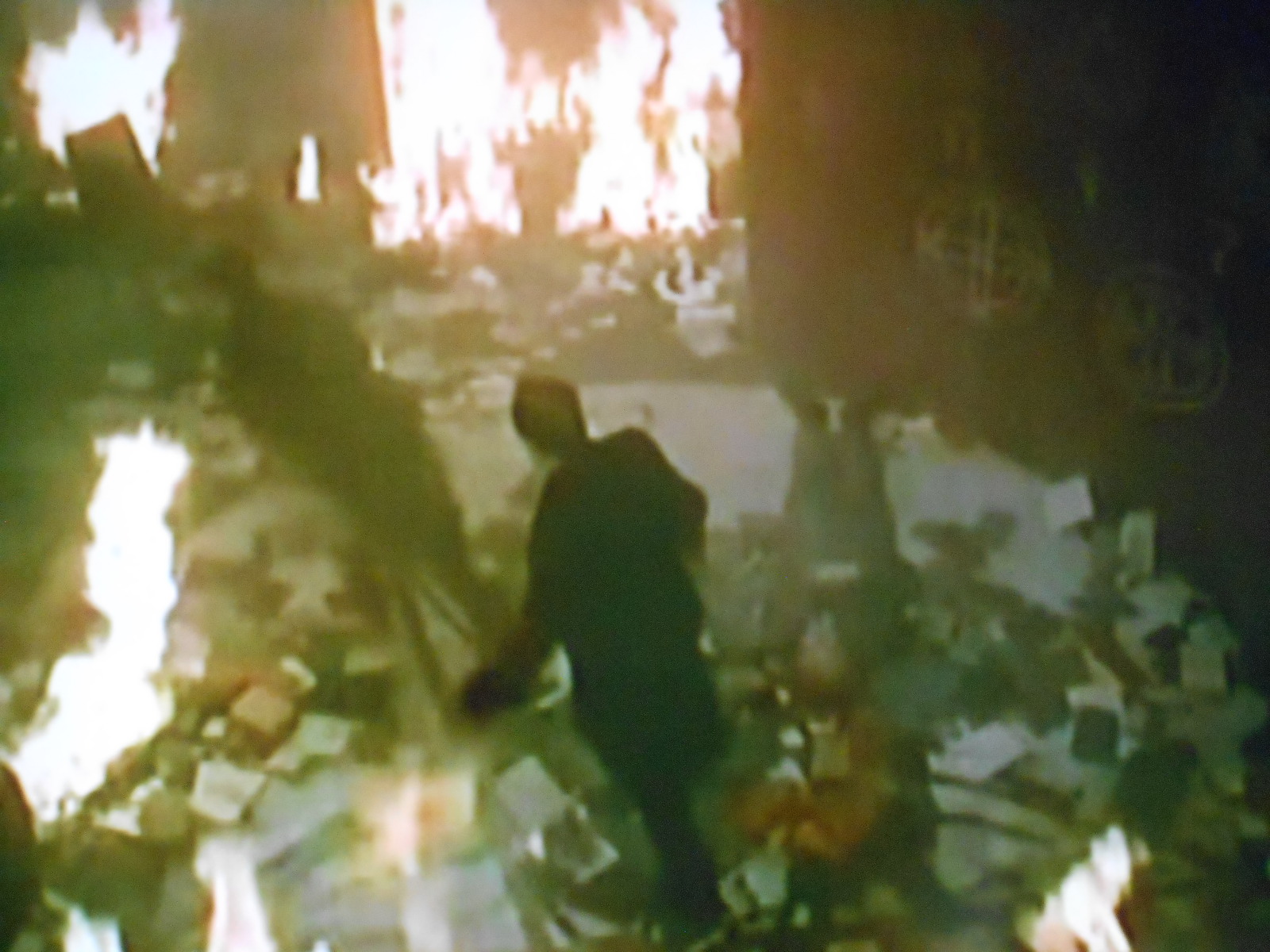
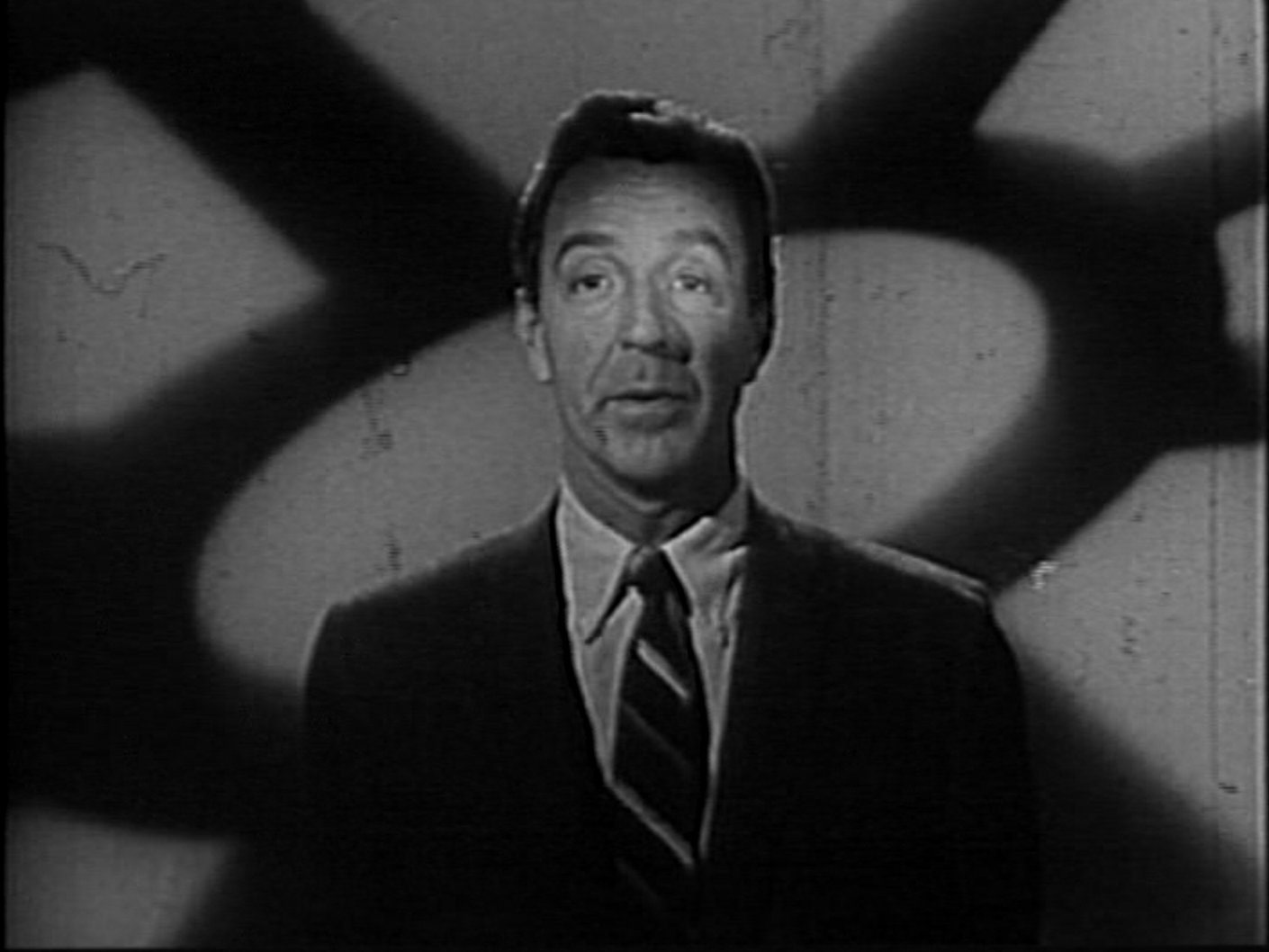
| Recently, I caught actor/director John Newland in a 1948 Bulldog Drummond movie, Thirteen Lead Soldiers. That appearance piqued a craving to see more of Newland in a TV program that those of us growing up in the late 1950s and early 1960s knew, One Step Beyond. So, for the past couple of weeks, I’ve been re-watching the program on my Alpha Video editions. A perfect treat to prime me for the Halloween holidays.

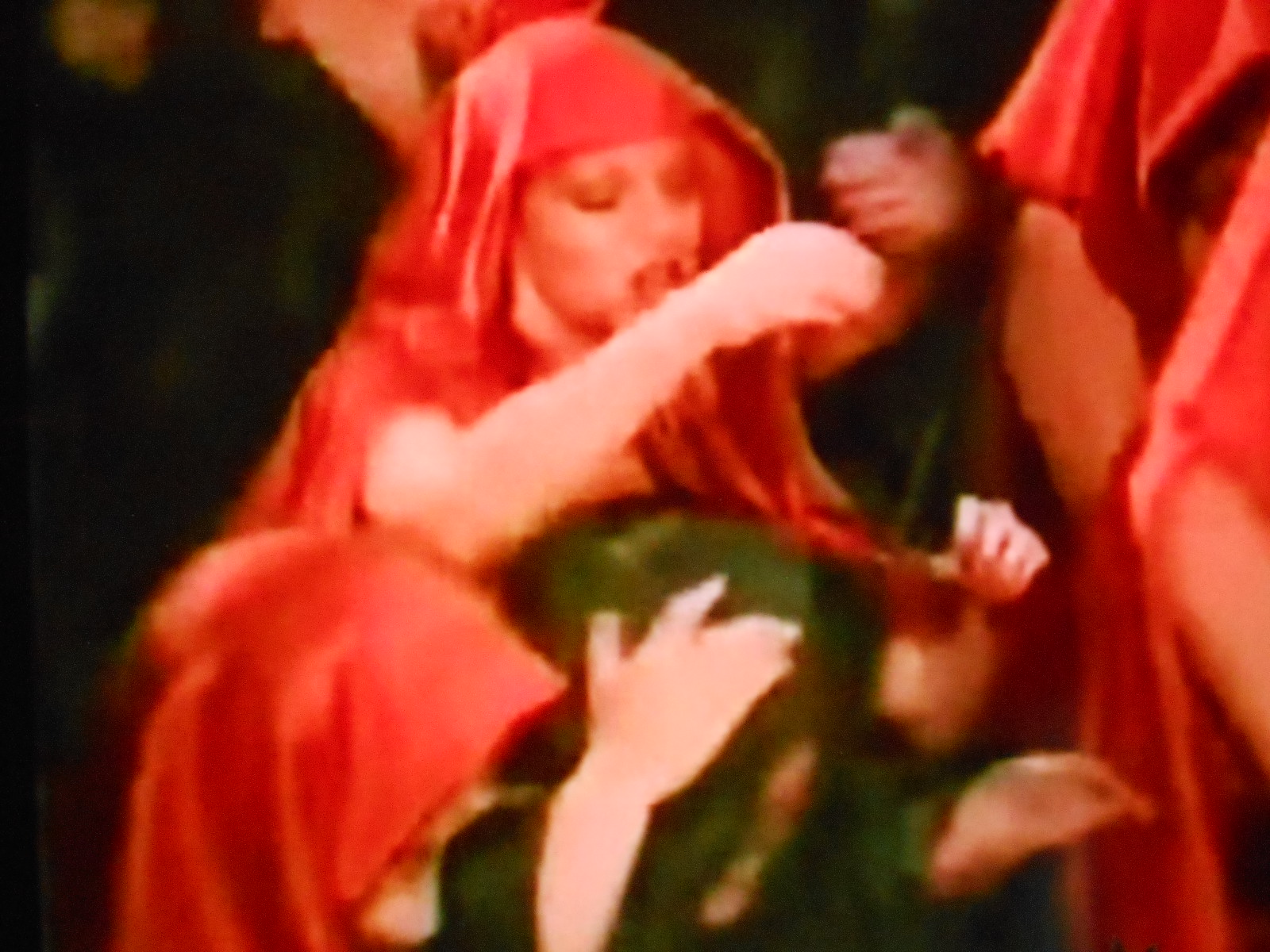
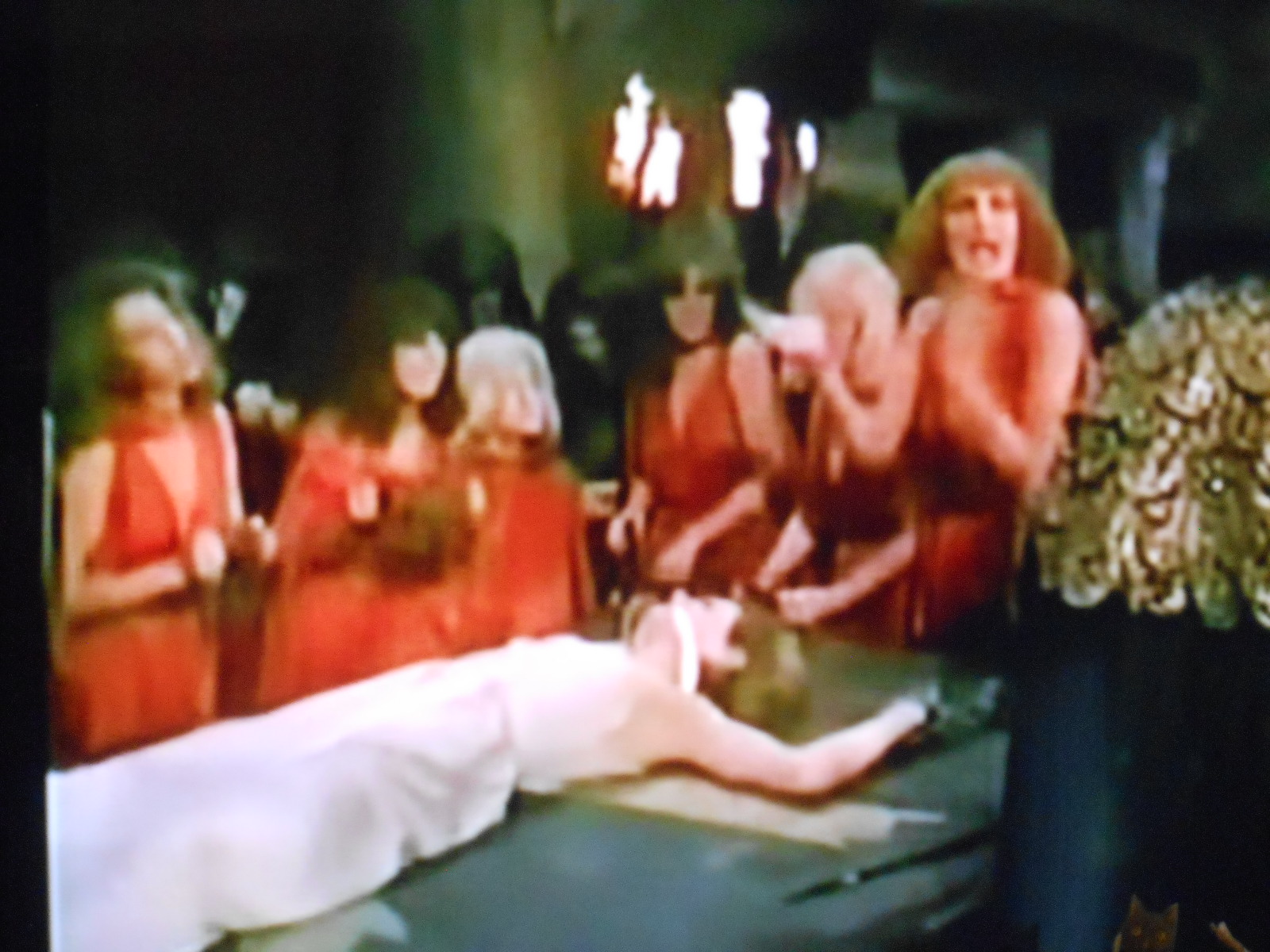
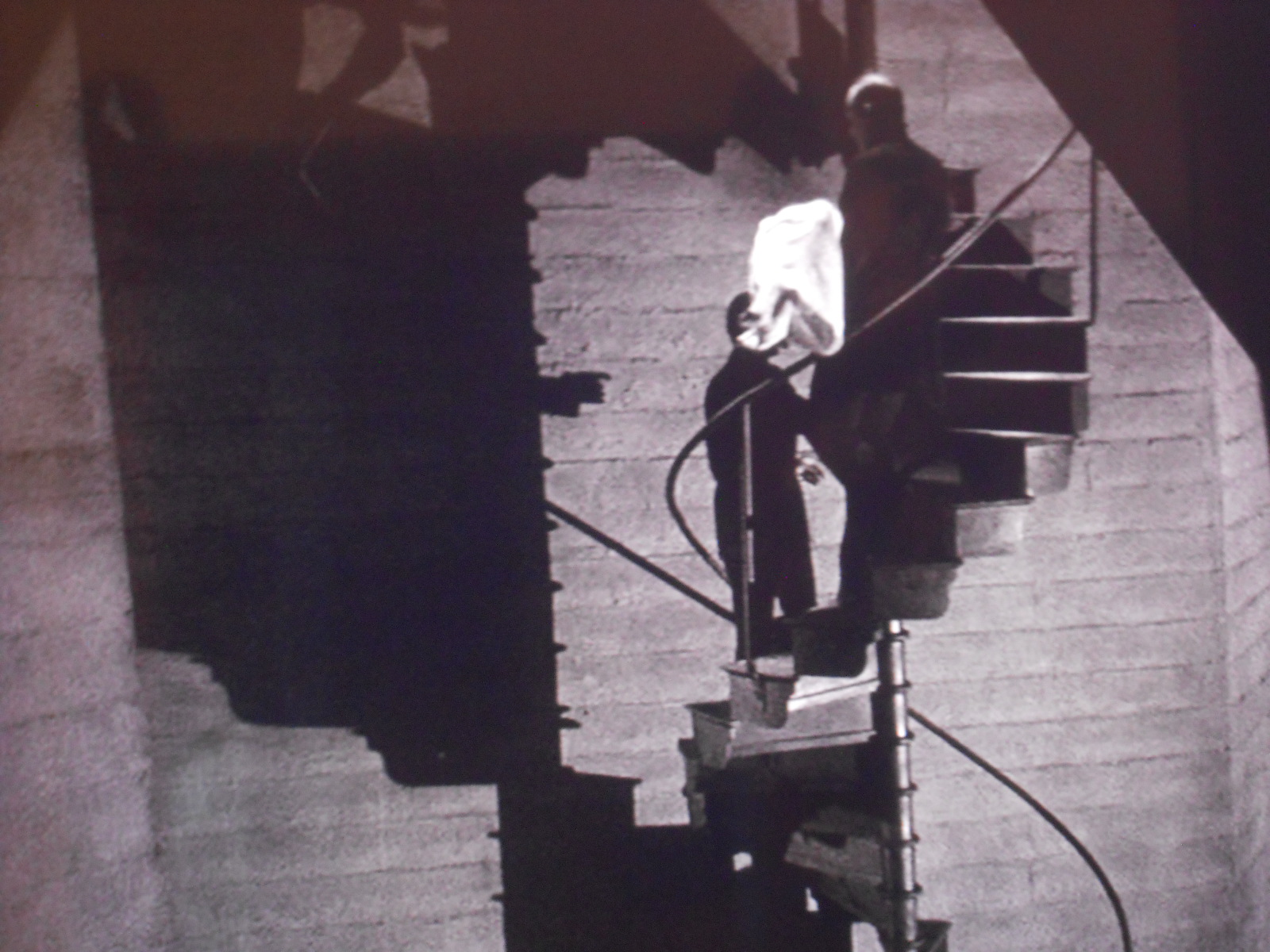
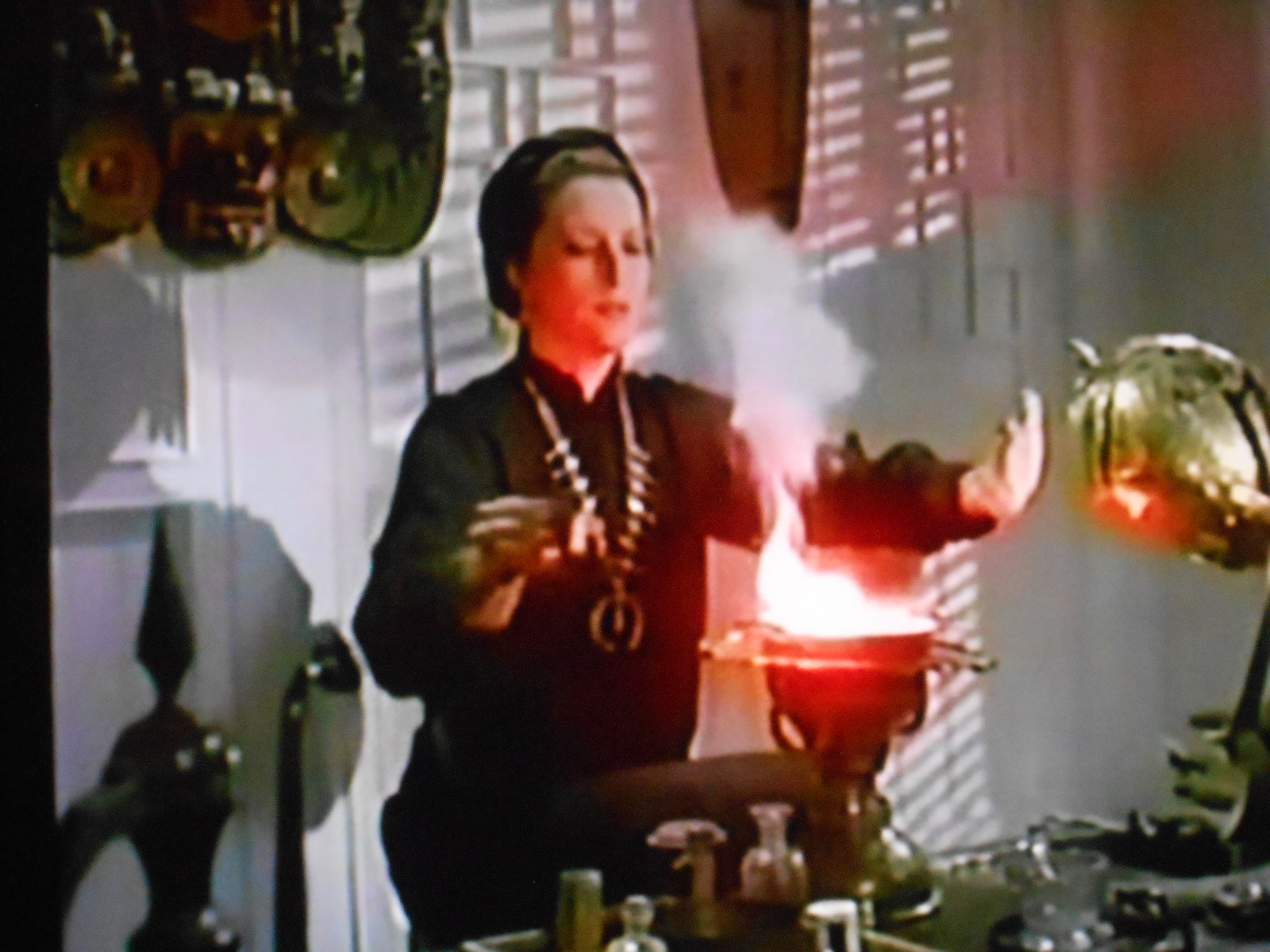
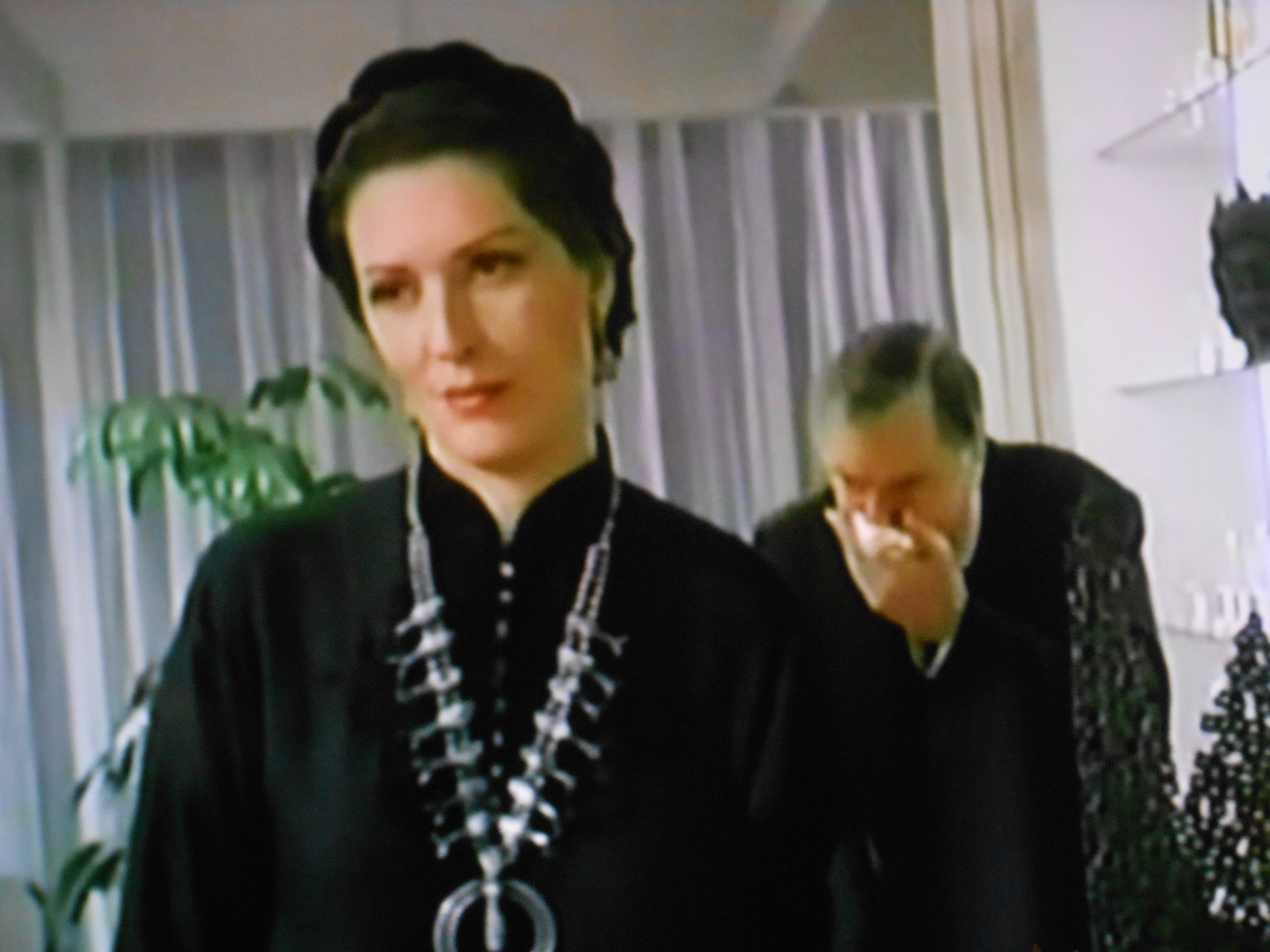
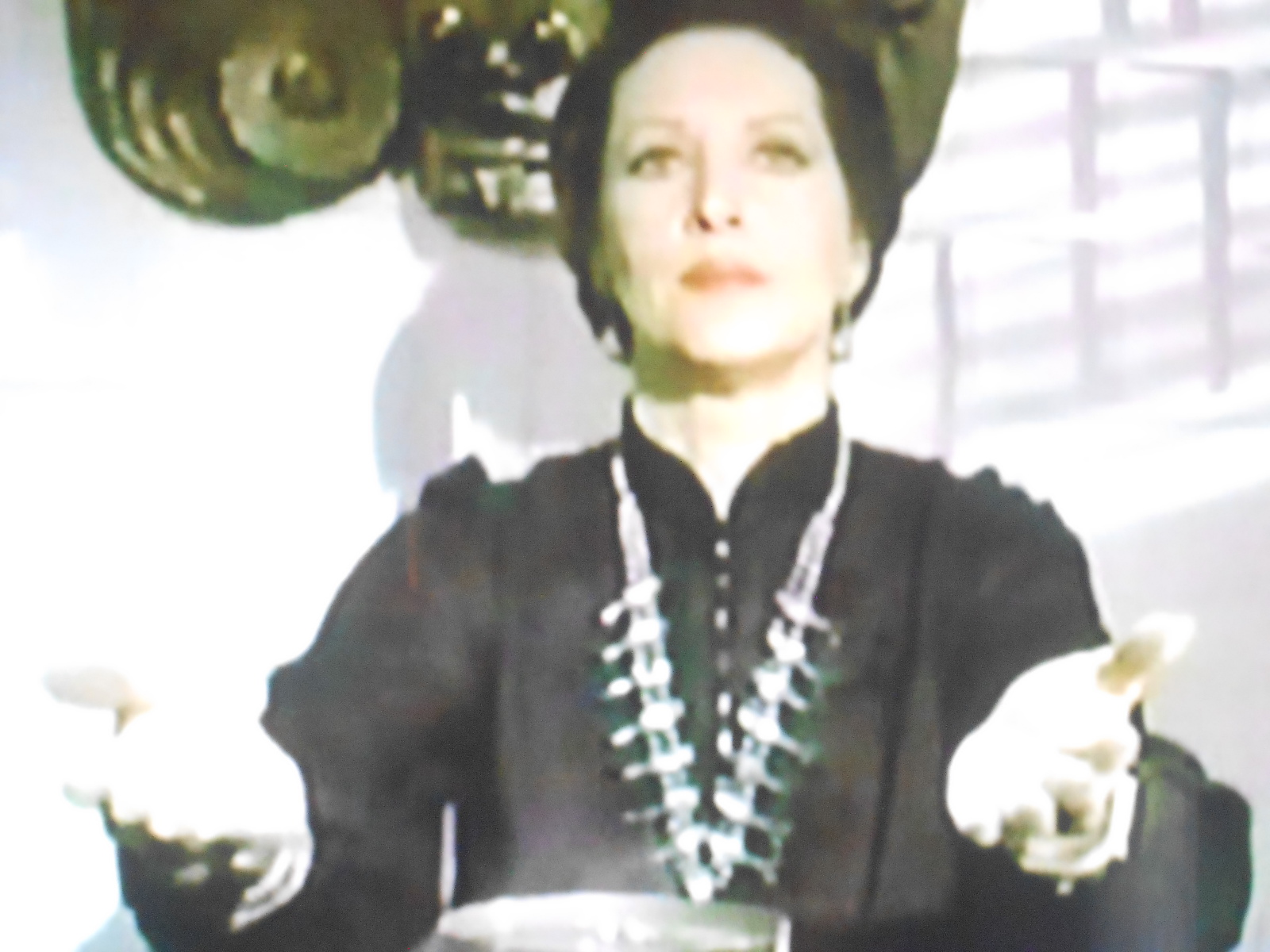
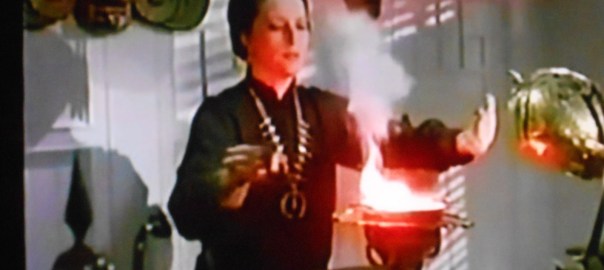
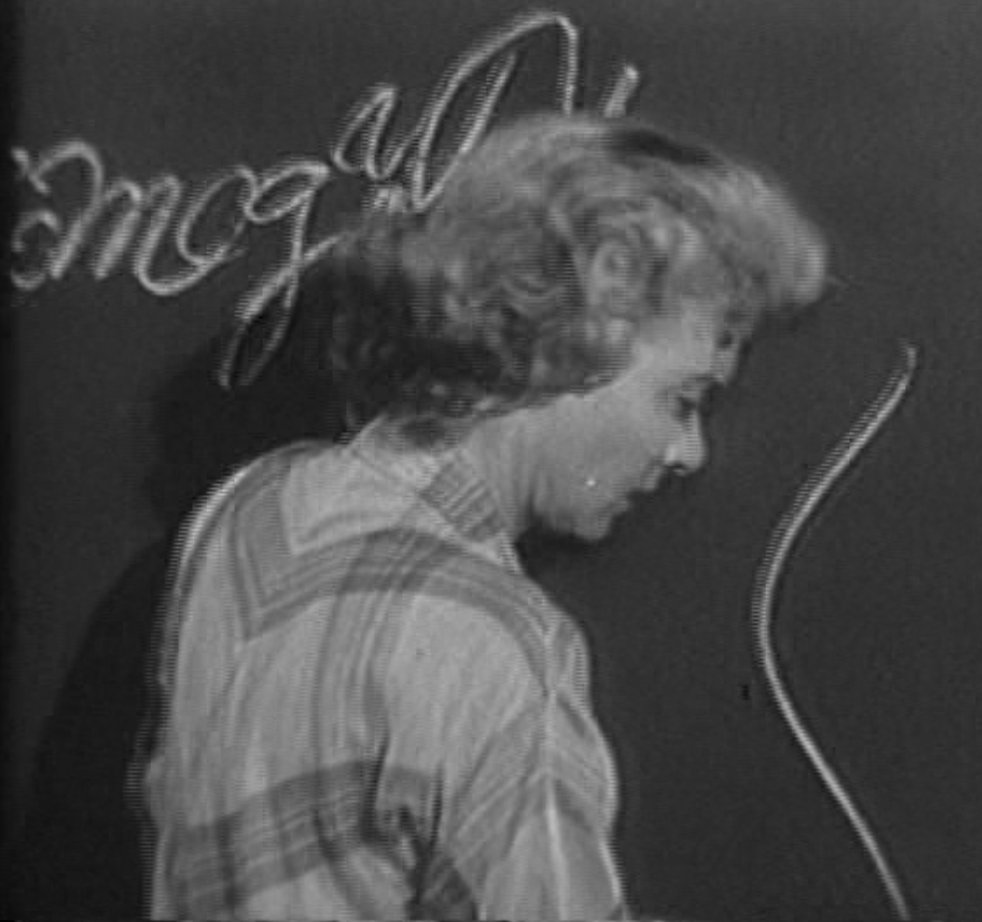
What is One Step Beyond? Well, the half-hour (23-5 minutes sans commercial) was one of the early horror anthologies of the time period I mentioned above – right in there with The Twilight Zone, Thriller, and (just a little behind these) The Outer Limits (original version). All filmed in glorious black and white. Part of what made One Step Beyond stand out from the others was that its stories were all allegedly true, taken from “the records of human history.” So, the crippled woman calling out for  help at the immanent impact of a tidal wave is rescued by and rescues the only one who hears her, a deaf man whose disability leaves him unaware of the blaring warning sirens. A turn-of-the-century young wife is haunted by premonitions of deadly blazes set by a twin to whom she seems to be psychically attuned. A pilot radios back that he’s seeing something astonishing of the UFO variety, disappears for several days, then miraculously reappears hundreds of miles beyond the range of his prop plane before dying. A bellhop repeatedly has visions of the rooms and buildings around him crumbling in an earthquake – in San Francisco, 1905. No one believes him, and then it’s too late. A German submarine sets out to sea as the Third Reich  crumbles, with hammering and thumping in between hulls haunting it – only for a skeleton to be found between hulls holding a wrench twenty years later. A night-school teacher receives a cameo as a gift from an awkward student, then finds whenever she writes on blackboard or paper that her hand is possessed to write in a foreign language she doesn’t know but is native to her gift-giver – all of which puts her at risk from him at what the writing reveals.

John Newland, himself, adds a unique touch. Neither skeptical like Serling nor sinister like Karloff  (Thriller), he talks to us calmly, almost warmly, all the while undercutting our “logical” explanations, raising questions with his knowledge of experts on “bilocation,” “psychometry,” “telepathy,” “precognition,” etc. Then he ends with a warm smile, reassuring us – or maybe slyly enjoying having destabilized our certainties.
One Step Beyond may be less disturbing than its fellow horror shows for another reason. Usually, the supernatural events occur to set right murder or injustice, give voice to the oppressed, reunite estranged spouses or families, rescue those in danger, or give comfort the suffering. UXB guy William Shatner manages to see his wife one last time under unusual circumstances when she is pregnant. A wife leads her husband to their son trapped in a mine, only the rescuers also find her dead body trapped in that same mine. A psychic bond leads a wife to find her husband trapped under a car in rising waters, while the spirits of three neglected children reunite a child with her estranged father. More unnerving but still equitable, ghosts mete out justice to their murderers who  have left them on a mountain to die, sent them off to die on a patrol ambushed by Indians, poisoned them to marry a mistress, or disguised their killing as suicide. Still, there are enough threatening, even unjust, experiences recounted to make us wonder just how reassuring John Newland’s smile is. All her premonitions about being caught on a sinking boat doesn’t save a young bride’s husband from death on the Titanic. The poor bellhop with premonitions of the San Francisco quake dies, even if his warnings  do save that adorable old Italian couple. How about the woman whose twin sister appeared to be setting fatal conflagrations – did she really merit for her fate? Did photographer Cloris Leachman ask to be chased around her apartment by the maniacal ghost of the guy who murdered his wife many years ago? No wonder she moved to Minneapolis and changed her name to Phyllis Lindstrom!

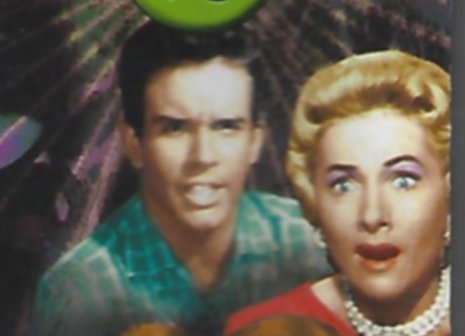
 The program also has an intriguing roster of guest stars. There are up-and-comers: William Shatner, Louise Fletcher (!),Warren Beatty (!!!), Charles Bronson, Elizabeth Montgomery, Suzanne Pleshette, Patrick McNee, Robert Blake, Mike Conners, Werner Klemperer, Cloris Leachman, and Robert Lansing – to name a few. Then there are some folks who were once big or relatively big names: Joan Fontaine, Anna Lee, Patty McCormick, Carl Esmond, Ron Randall, and Catherine McCleod. Bob Newhart’s father-in-law, Bill Quinn, makes a few appearances, too – as well as lots of sixties stalwarts like William Schallert, Joanne Linville, Ed Platt, Johnny Seven, Warren Stevens, Scott Marlowe, and Jan Miner. Those of you who know your TV supporting players and later stars will have a blast identifying them.
Other folks I know who have seen One Step Beyond pretty much all agree on one point. The really  scary thing about the program wasn’t the stories, the acting, the visuals, even John Newland. It was the damned music! That darned theme, appropriately named “Weird” by composer Arthur Lubin, sent chills coursing through out bodies! Then there was “Fear”: once its bars  snaked into hearing, you knew something creepy was afoot – but more powerful was that their sinuous, haunting snake up your spine. I’ll tell you, when I was a little kid and my bedtime was 7:00, there were only two shows that I could see worth watching (long before cable!): first One Step Beyond, then The Twilight Zone. No wonder I slept with a night light until I was thirty-seven.
So, here, to set your October off in the right mood are links to “Fear” and “Weird”. Listen – if you dare! But be sure to put on a sweater first – chills up the spine, you know!

Some Episodes that I highly recommend”
“The Promise”
“The Dark Room”
“Reunion”
“The Dead Part of the House”
“Ordeal on Locust Street”
“Deadringer”
“The Explorer”
“The Death Waltz”
“To Know the End”
John Newland Image: https://upload.wikimedia.org/wikipedia/commons/a/a8/John_Newland_-_1959_%28One_Step_Beyond%29.jpg
Images from episodes are screen shots of public domain episodes and cover of Alpha Videos art work; author’s collection |