Spectre (1977)
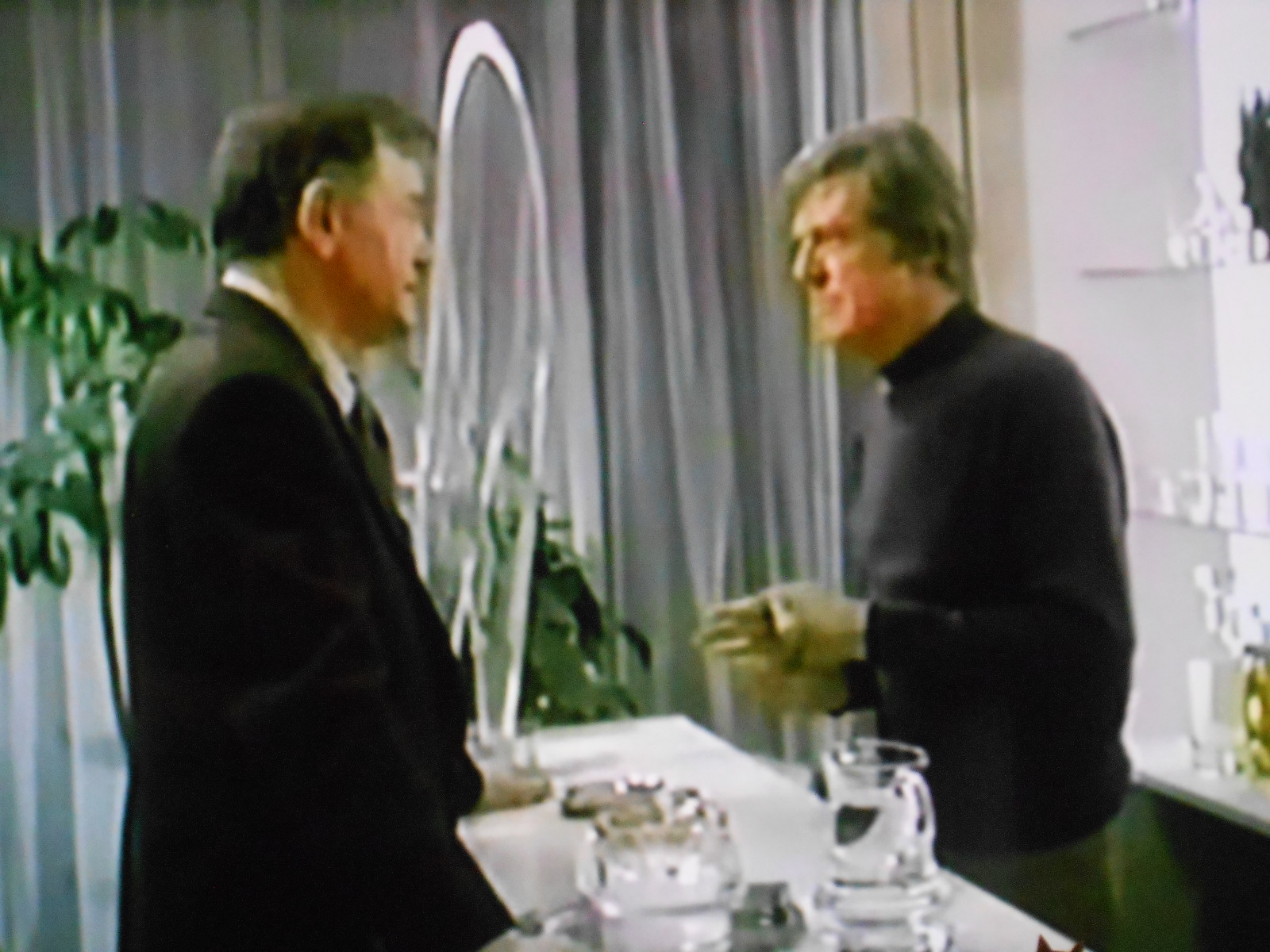
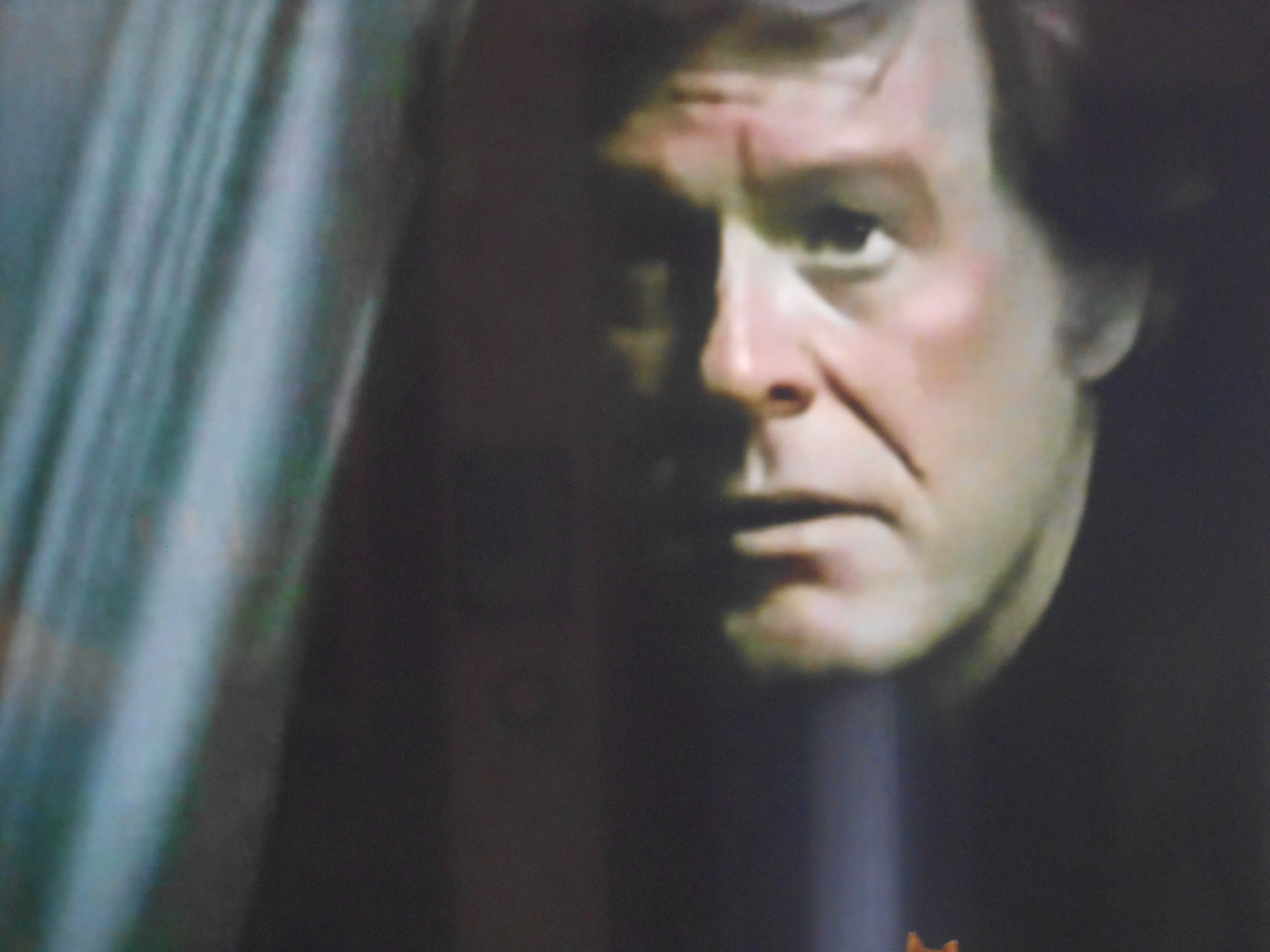
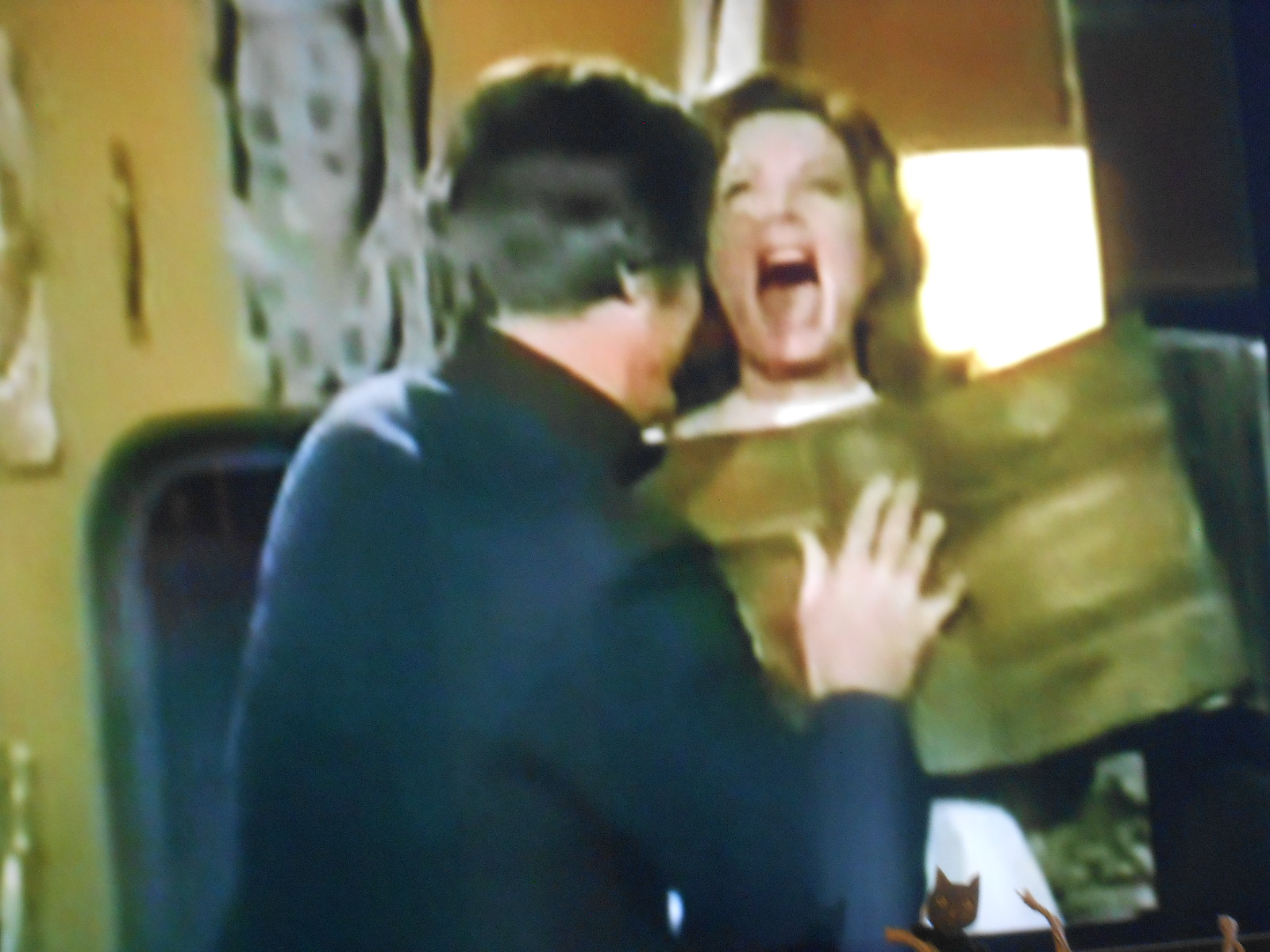
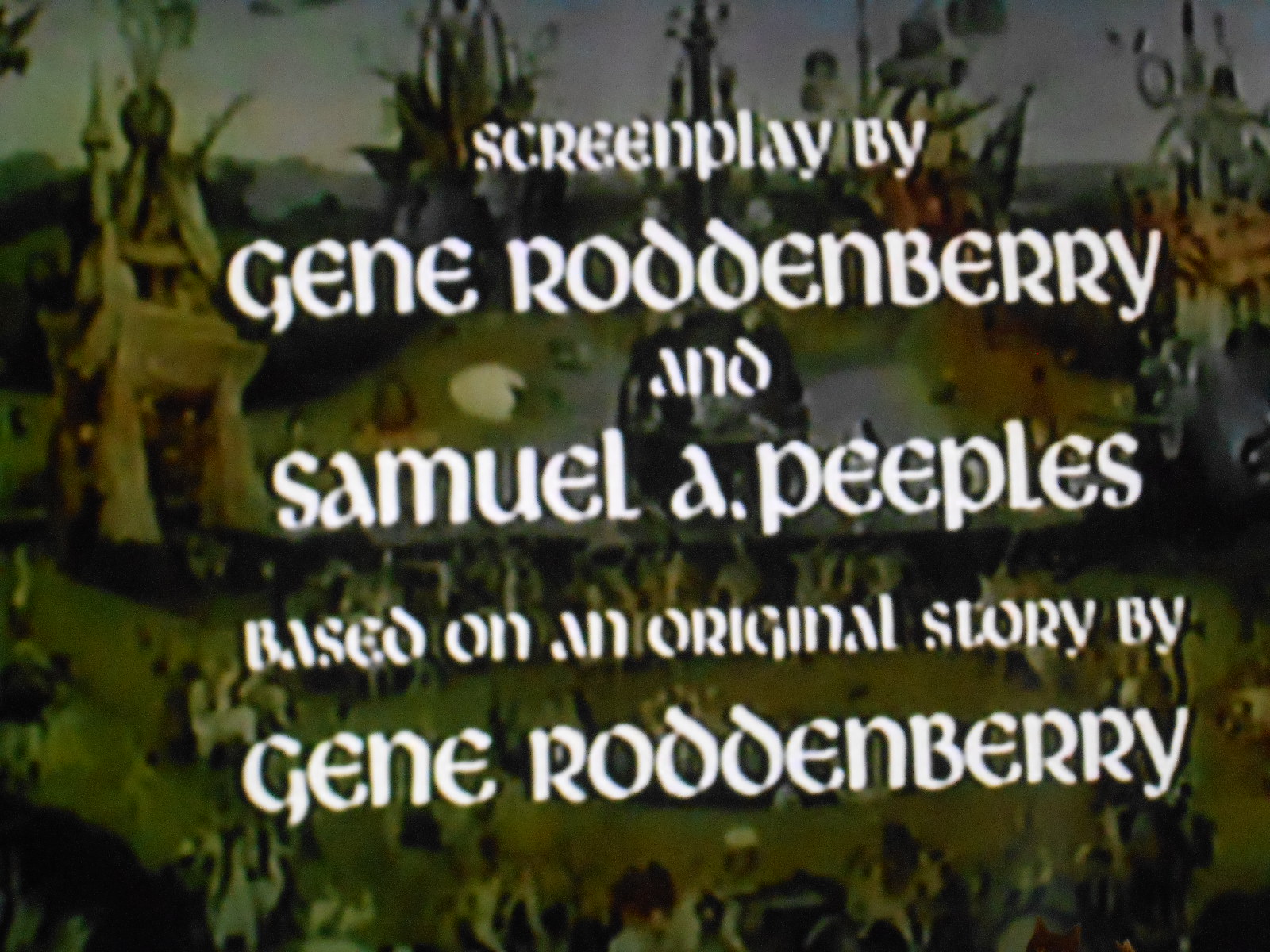
Spectre (1977) is a made-for-Television film that I had read about but was not able to catch for many years. The premise 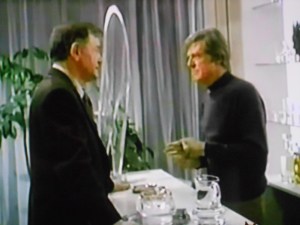 of two investigators of the supernatural, one a wealthy and erudite believer (Robert Culp) and one a disgraced doctor and skeptic (Gig Young) , investigating the paranormal had piqued my interest – something of an ancestor of The X-Files duo – except Scully wasn’t a heavy drinker, though working with Mulder certainly could have pushed her in that direction. About 20 years ago, I caught the last ten or fifteen minutes of it and was intrigued, hungry for more, which I finally got some years later. At the time, I was pretty well satisfied with what I saw; however, watching the movie again, this month, my approval dropped precipitously. There are 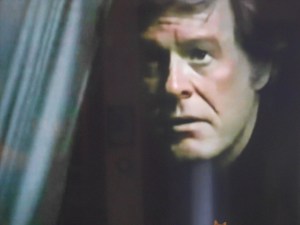 some good things about the film. The early interactions between Culp and Young, as Culp tries to convince the latter that he is the victim of voodoo, do raise mystery and suspense. Clever is Culp’s figuring out that the unexpectedly arriving sister of a fellow expert is a succubus via her subtle avoidance of a chair he offers her to rest, a chair with a cross design on the back, and his disposal of her/ 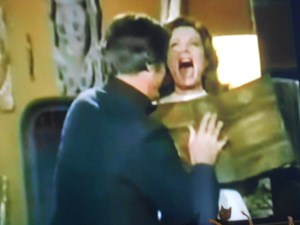 it by pressing an arcane sacred text against her. Lilith, the laconic, knowing housekeeper who guides Young’s character through Culp’s moderne abode further establishes an air of mystery and eeriness. Then, there is the inexplicable rough weather that nearly downs the investigating duo’s trip to England, piloted by Culp’s British fellow expert in the supernatural (John Hurt!). Equally good is Culp and Young’s arrival in London, searching for another expert to help them, taking them through a London rain-slicked and shadowy like a noir metropolis. There, the tension grows as they enter a 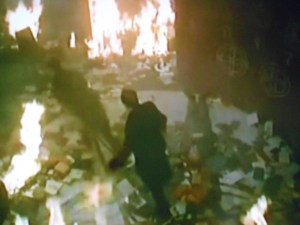 mansion where something demonic has horribly mangled the man they seek and only a pentagram can keep them safe. Produced by Gene Roddenberry and cowritten by him and Sam Peebles, the movie led me to expect good things – even if the film does fall into the ’70s trap of assuming an over abundance of harpsichord music is always scary.
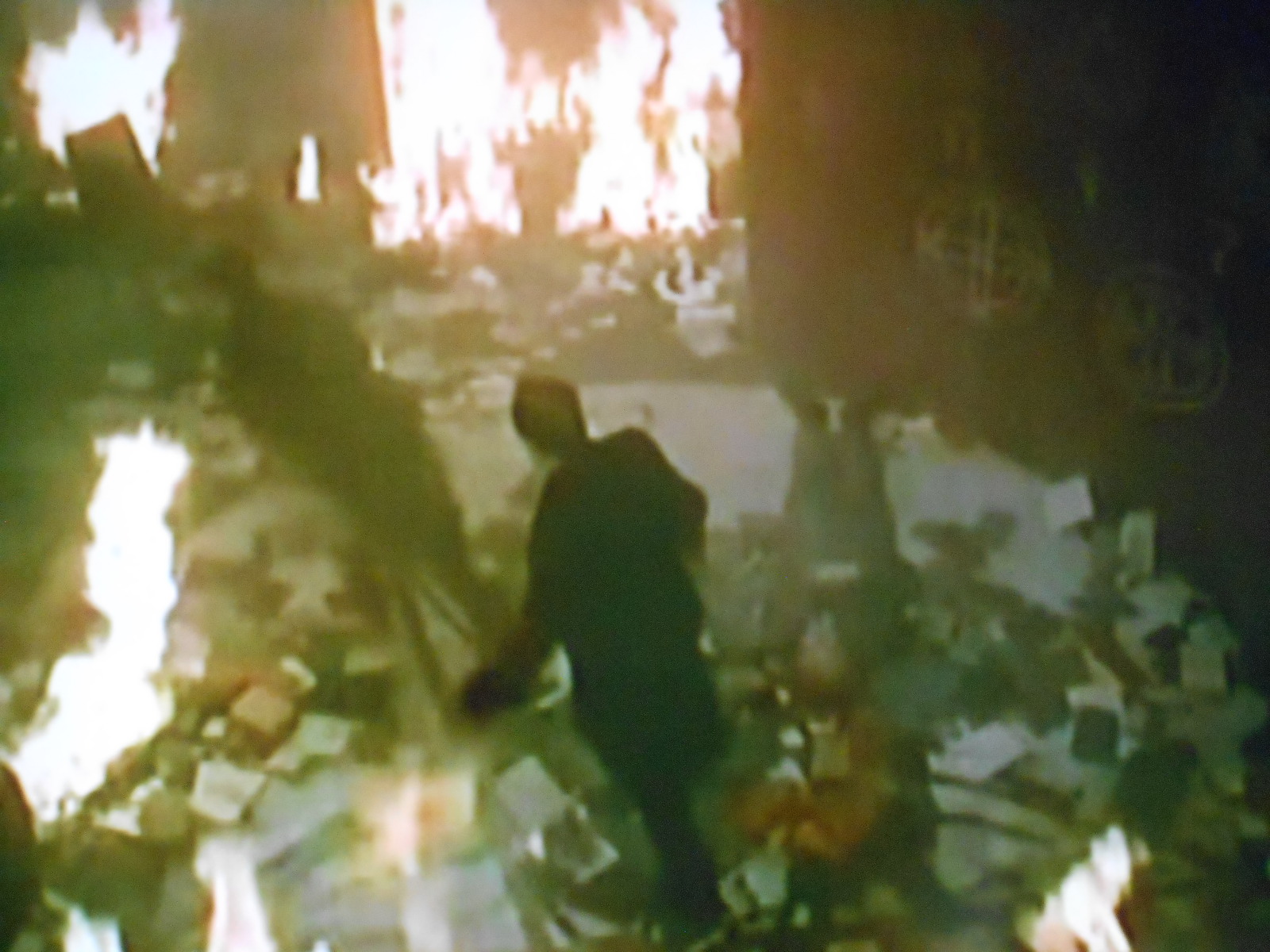
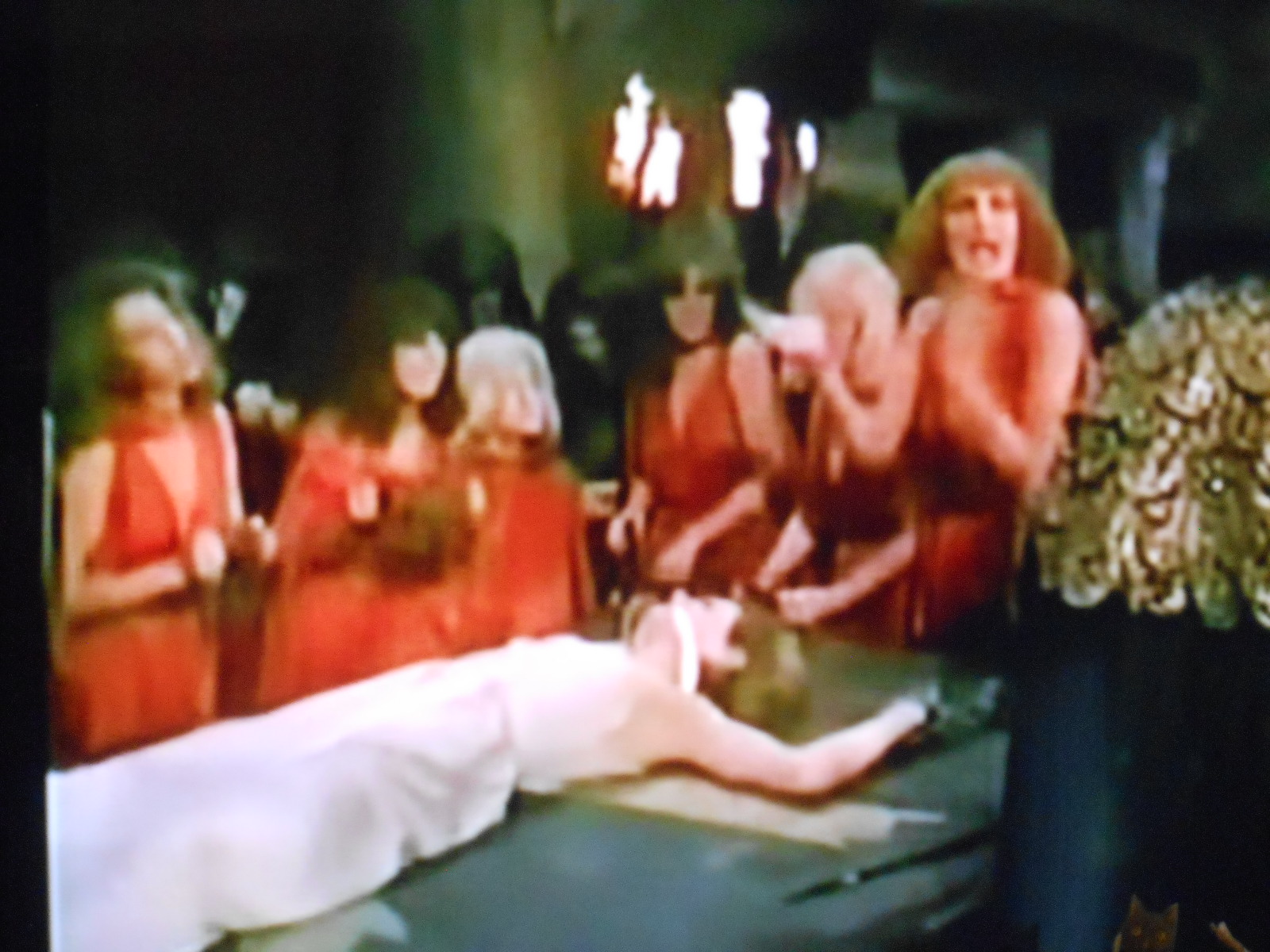
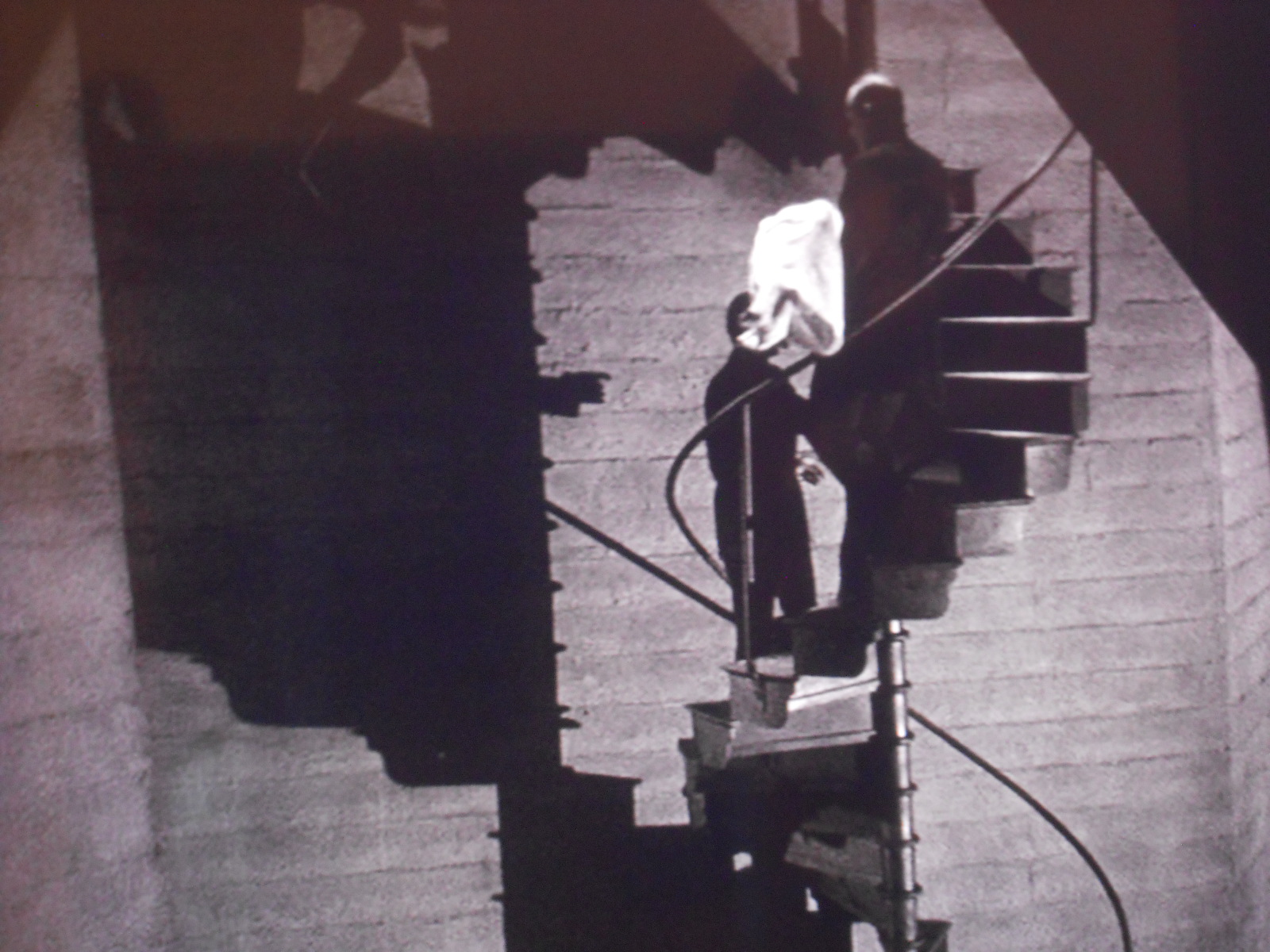
But things fall apart, especially when we get to the orgy/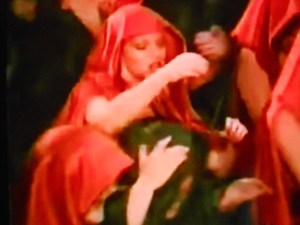 satanic celebration and sacrifice toward the end. Like too many 1970s films, even horror ones, there’s just too much filler light. The final sacrifice, as it were, actually looks pretty damned (so to speak) cheery with lighting as full and bright as you see in most sitcoms. And don’t forget the artificial rocks of the cavern 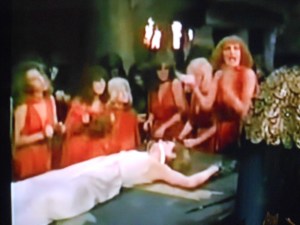 walls, all nice and shiny. Director Clive Donner and Cinematographer Arthur Ibbetson really ought to have taken a gander at Edgar Ulmer’s work in The Black Cat, where impossible angles on stairs, altars, crosses, and doors in  chiaroscuro unsettle with an unnatural, Expressionist vision of reality. Then there is also the fine example of disquieting cinematography in the use of shadow and darkness in Tourneur’s Night of the Demon. In the ’70s, even Dan Curtis gets the lighting right with his use of blue filters and eerily obscuring (dark) shadows (I couldn’t resist) in the Norliss Tapes. Click here for my review of that made-for-tv movie)
It gets bit creepier when Culp goes up against demon Asmodeus, but the monster is till a rubber-mask dinosaur-type.
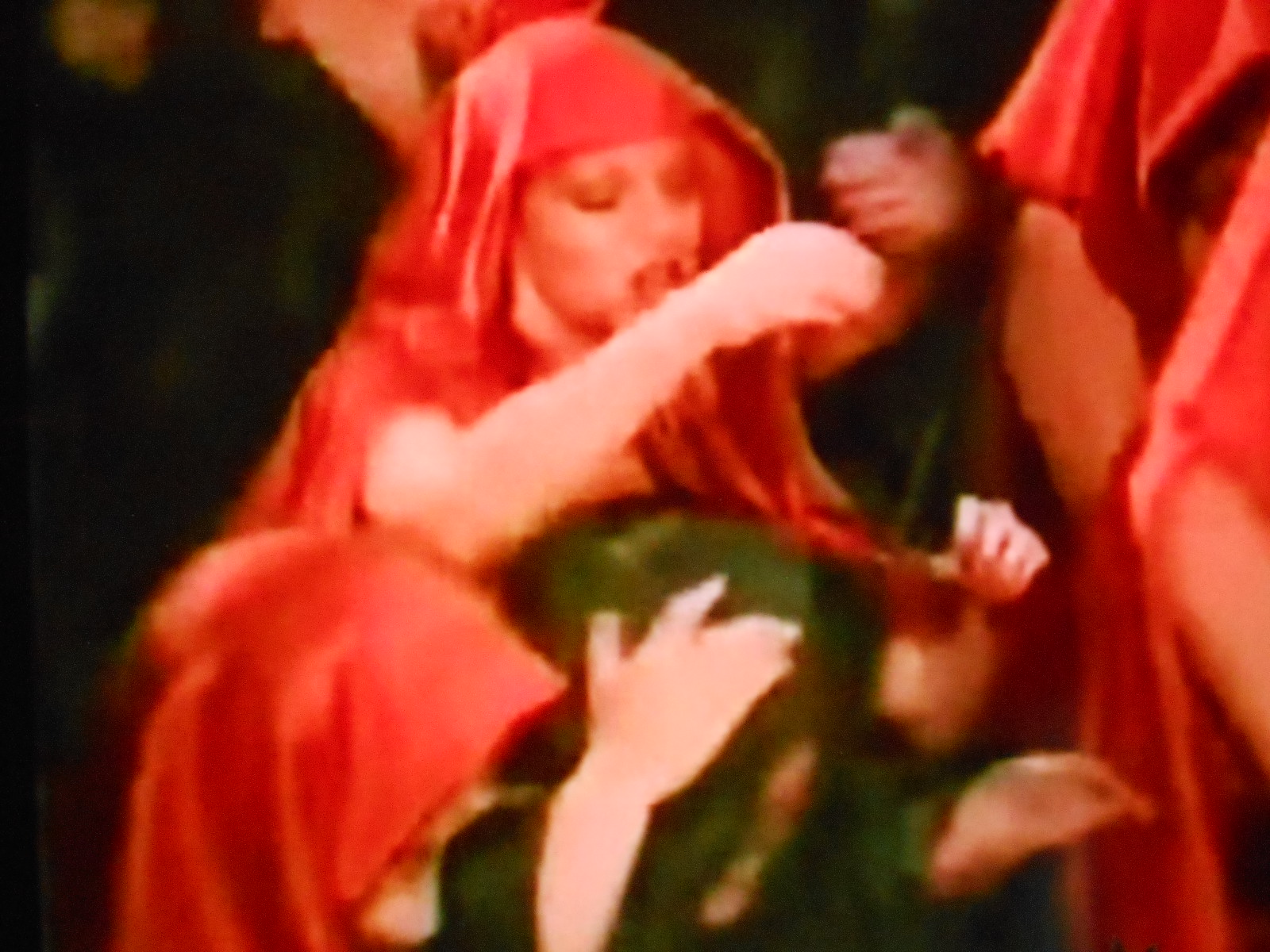
Furthermore Spectre’s demonic festivities look more like a lascivious New Year’s Eve Party. We are supposed to be shocked by all that sexuality, especially the repeated shots of ladies’ boobs escaping their flimsy scarlet costumes and jiggling around. My pearls remained unclutched. All I could think of was that one shot in Airplane mocking gratuitous nudity where, amidst the panic of the passengers, a topless woman suddenly jumps in front of the camera, shakes her girls, then disappears. Apparently, this material was added for a theatrical release of Spectre. Obviously, 1970s television wouldn’t have been ready for such hot stuff.
In all fairness, it does get a bit creepier when Culp goes up against the demon Asmodeus, but the monster is still a rubber-mask dinosaur-type.
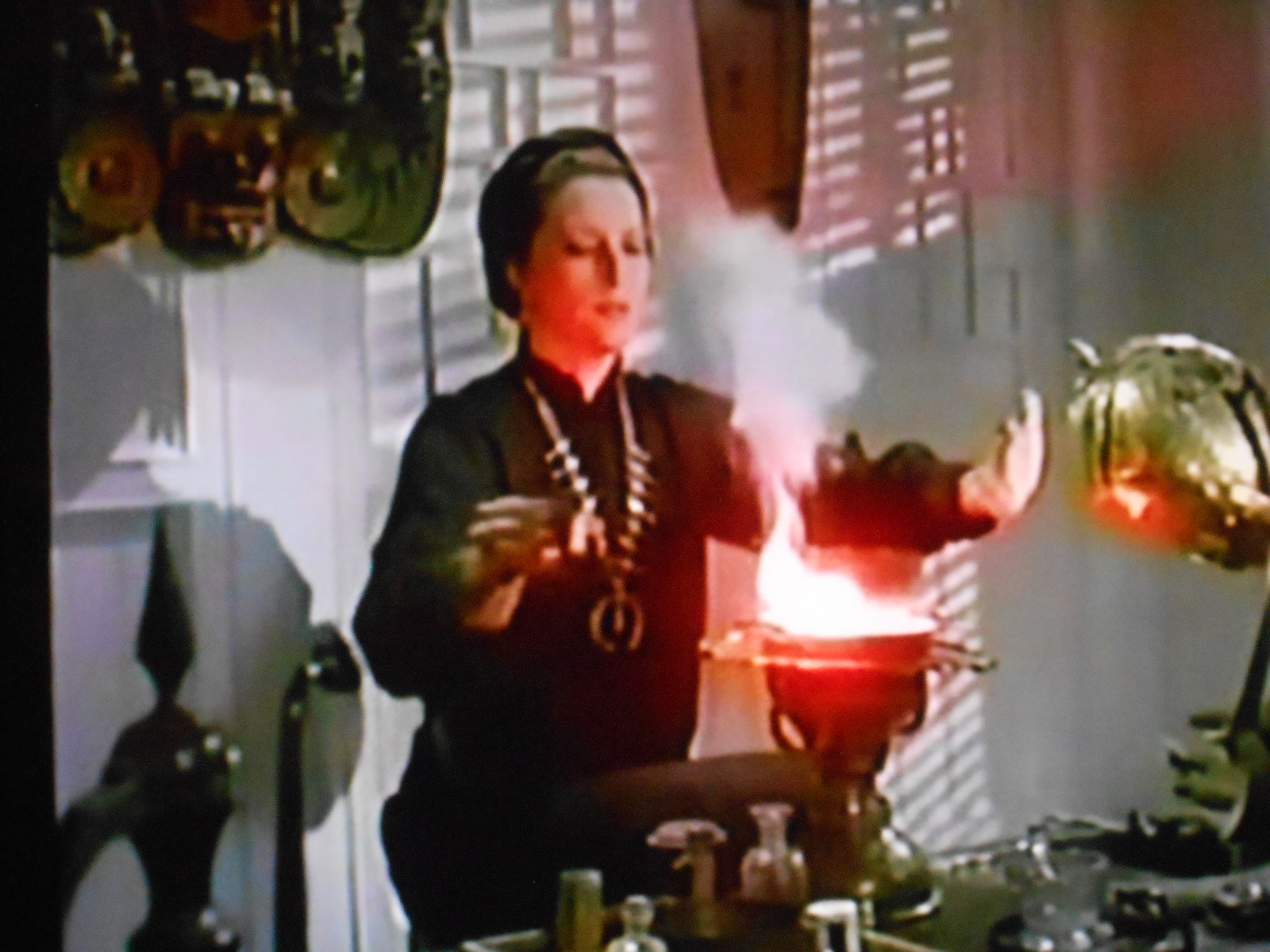
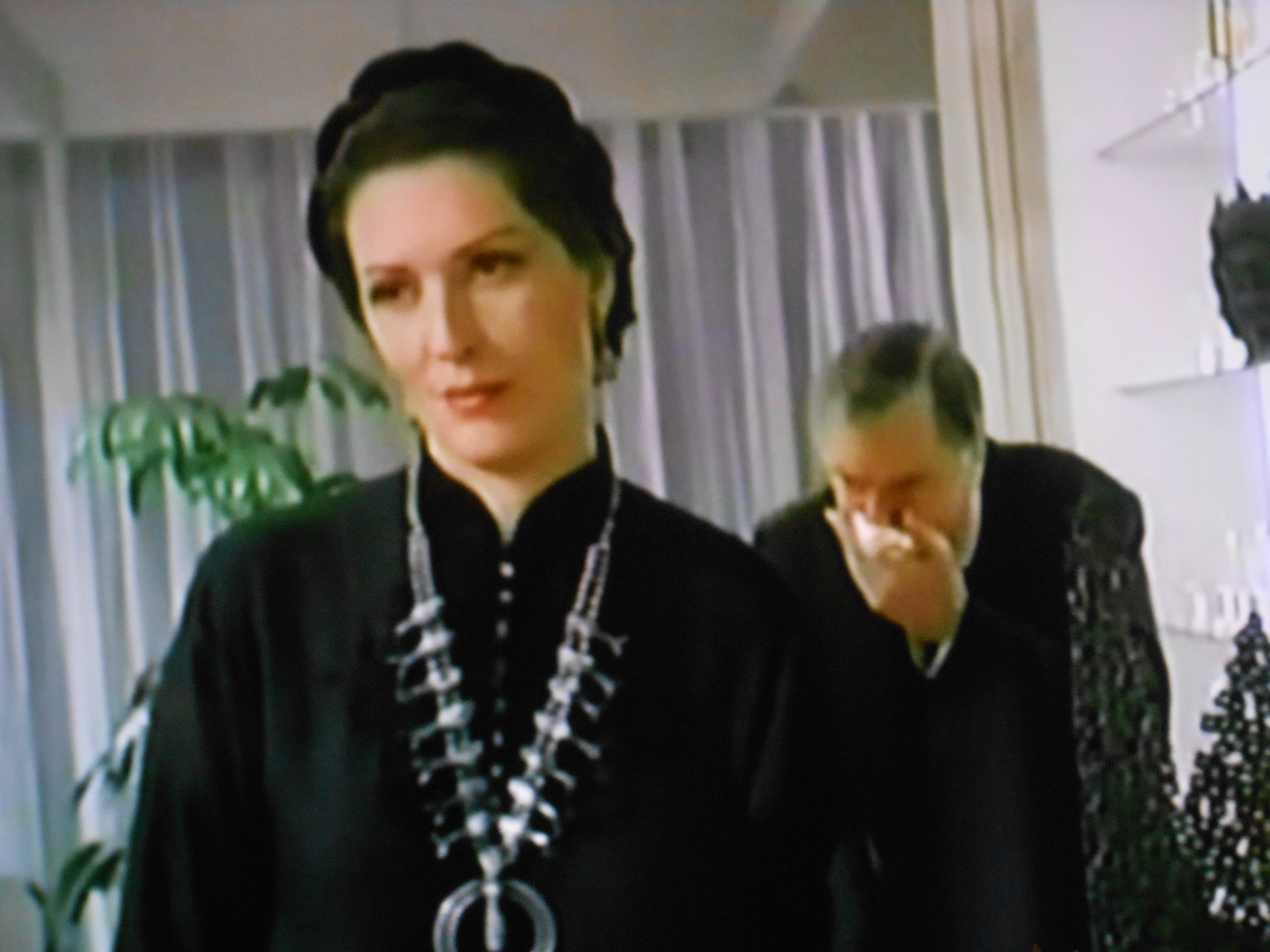
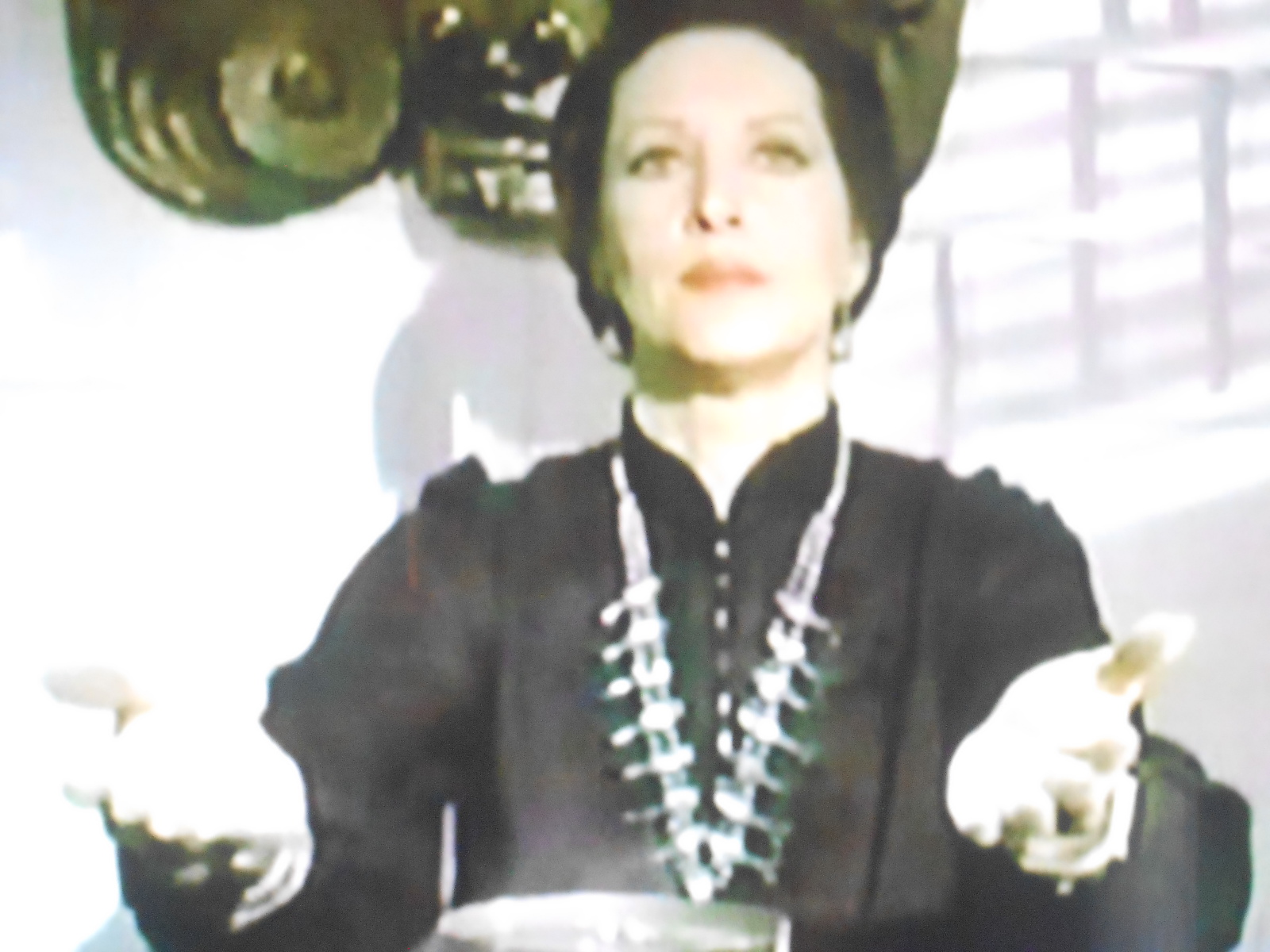
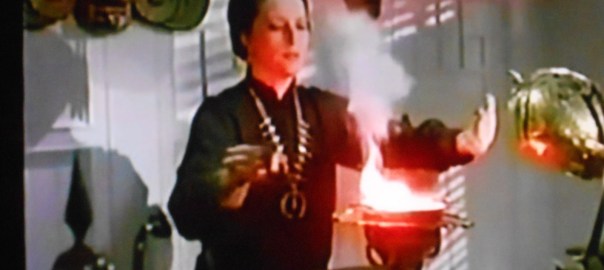
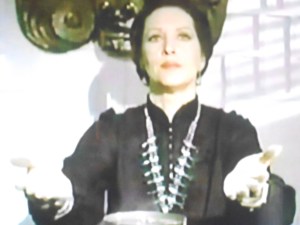
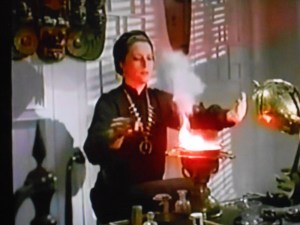 The one gem in this movie was Majel Barrett as the housekeeper Lilith. Tall, stately, beautiful, and commanding in a long black dress reminiscent of a chi pao, she was also a wry breath of fresh air. Barrett’s Lilith was fully in charge of Culp and Young through her practical magic, guiding 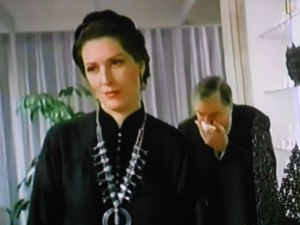 characters with a wonderfully wry, subtle sense of humor. What a breath of fresh air. This made-for-TV movie was a pilot for a proposed series by Roddenberry that didn’t get accepted. Still, with some fine-tuning and more of Majel Barrett (aka Mrs. Roddenberry), we might have had something here. Anyway, it’s still worth a watch.
For more background on the film click on the IMDB link and the Wikkipedia link.
All images screen shots from Spectre (1977, Twentieth Century Fox), author’s collection)
No copyright infringement intended by use of the properly attributed photos. If you feel there is a problem, contact me about removing the images.
10/28/26
|