This year, my subject for Christmas noir is Beyond Tomorrow (1940), an intriguing little dark fairy tale. Well, aren’t most fairy tales dark somewhere along the line? Edward Sutherland’s film starts with 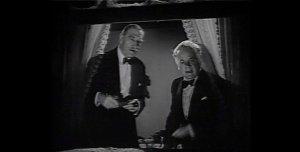 three “fairy godfathers,” wealthy old gents and business partners. One Christmas Eve, on a whim ˗˗ and out of loneliness ˗˗ each puts his business card into a separate wallet with ten dollars and tosses it out the window of their mansion onto the snowy Manhattan sidewalk below. All to see who will return the wallets and perhaps become a new friend to replace the old ones that one partner points out have disappeared into death. three “fairy godfathers,” wealthy old gents and business partners. One Christmas Eve, on a whim ˗˗ and out of loneliness ˗˗ each puts his business card into a separate wallet with ten dollars and tosses it out the window of their mansion onto the snowy Manhattan sidewalk below. All to see who will return the wallets and perhaps become a new friend to replace the old ones that one partner points out have disappeared into death.
Indeed, fate seems to reward them. The first wallet is nabbed by a jaded socialite, who keeps it while carelessly tossing the ten bucks to her chauffeur. They dodge a bullet missing this brittle babe. The other wallets are returned by two who promise to fulfill the old men’s wishes for rejuvenating friendship. The first is Jim Houston, a polite, young, down-on-his-luck cowboy, stranded after a rodeo at Madison Square Garden. The second is a Jean Lawrence, a sweetly pretty but pert and practical young woman who works and lives at a children’s clinic run by “The Wayne Foundation” (Bruce’s parents?). Fate scores big for the old guys, as the young people share their lives and open up all kinds of opportunities for fun and giving, especially working with children. Why the whole set up even earns the approval of the sensitive, spiritual elderly housekeeper (played by who better than Maria Ouspenskaya?) Of course, the young people brought together by their godfathers fall in love and plan to marry.
A merry Christmas movie, right? Full of jingle bells, holly wreaths, caroling children, and glittering lights and ornaments. Um, not exactly. Characters, plot twists, mise en scène, and lighting combine to create a noir ambience. Early on, the film does present a cherubic Charles Winniger, as Michael, bursting into a business meeting of his partners at home on Christmas Eve. Laden with presents and releasing overworked secretaries for the holiday, Michael is a kind of redeemed Ebenezer Scrooge. Yet all this fun and cheer is threaded with dark elements. There are intimations of something sinister in the past of the crotchety partner George Melton. The other partner, Chad Chadwick, casts longing glances at photos of a wife and a son long lost to death. Dear friends scheduled to visit for Christmas Eve have canceled out, leading the men to reflect that those they love are mostly dead and gone.
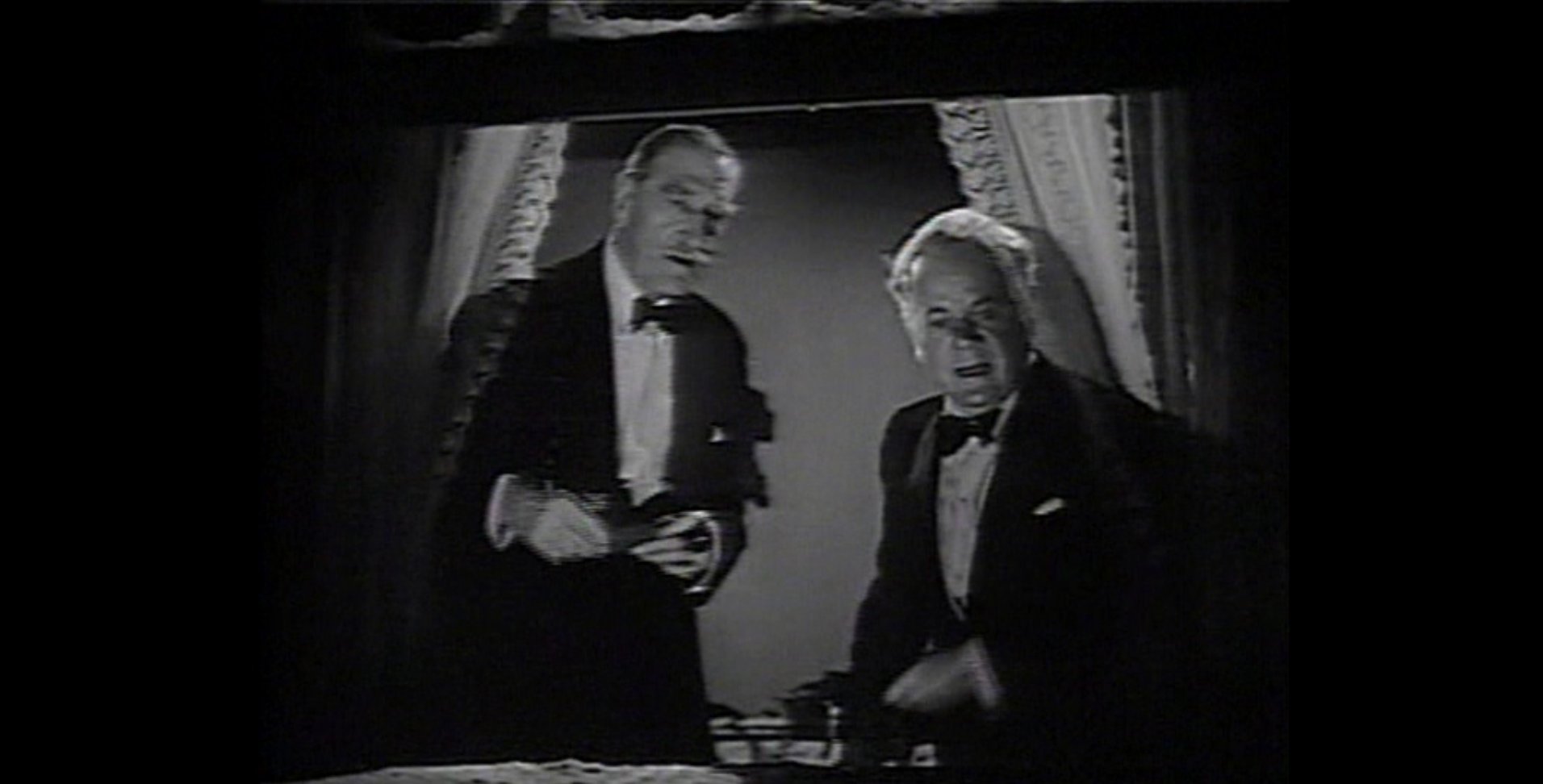
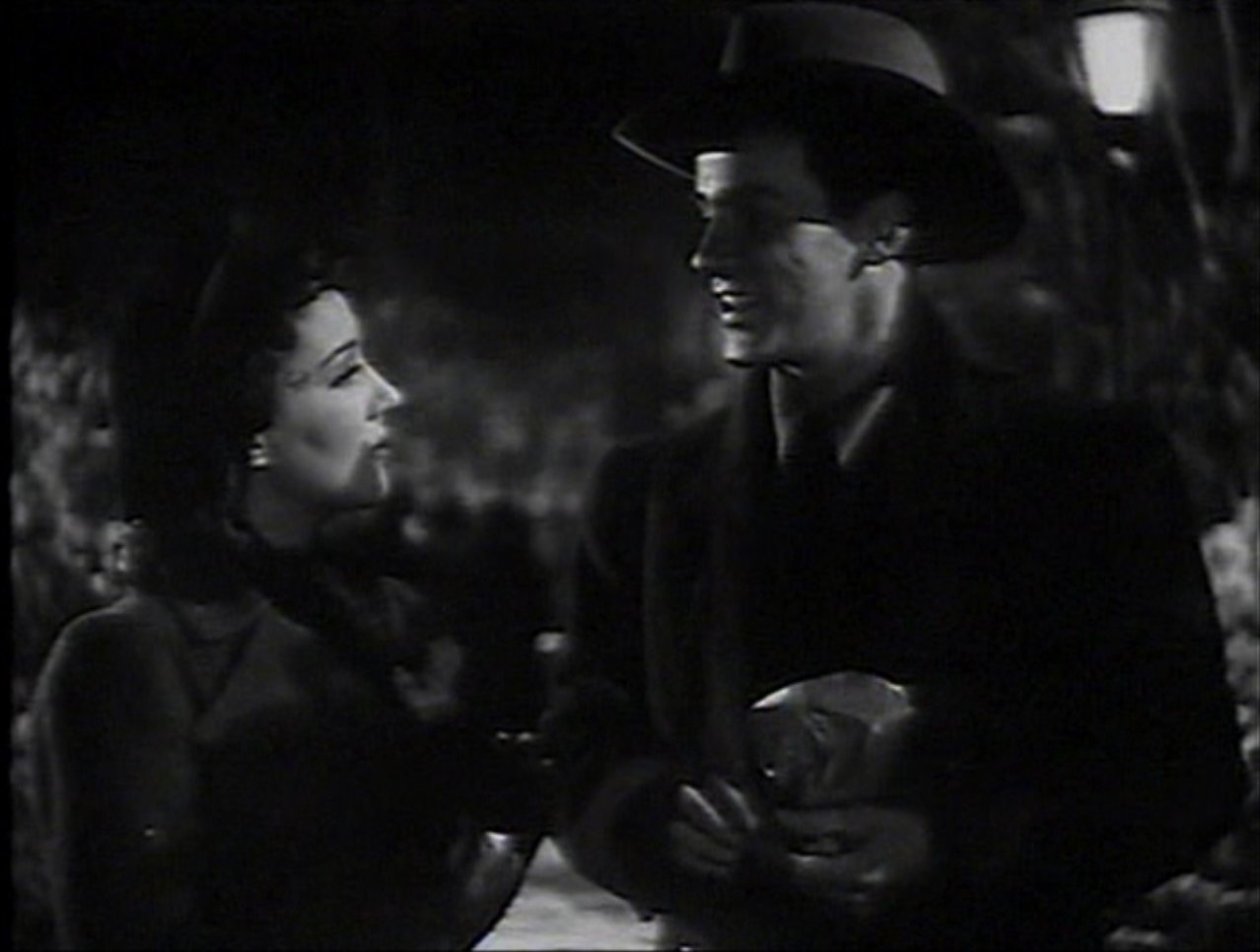
Even the advent of the fresh, kind, and honest Jean and James is 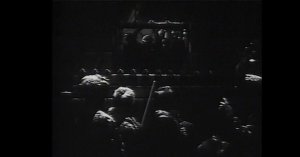 overshadowed, literally, by a noir mood. Sutherland does use bright filler lighting for the Christmas Eve dinner, but that moment is brief. When old and new friends and servants Madame Tanya and Josef come to the window to listen to a Christmas band, though inside the window frame is fairly overshadowed, literally, by a noir mood. Sutherland does use bright filler lighting for the Christmas Eve dinner, but that moment is brief. When old and new friends and servants Madame Tanya and Josef come to the window to listen to a Christmas band, though inside the window frame is fairly 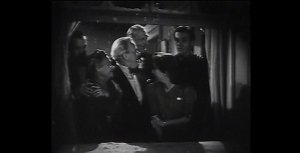 bright, the area surrounding that square of light, the outside world, is darkly shadowed, even the strolling musicians. The band is brought inside to play for a comradely sing along, yet shadows encroach on the firelight holding the people. When James sings a love song, though he and Jean exchange tender looks, the shadows insistently fringe their medium close ups, with soft focus further creating an eerie effect. Even the love song, “I Dream of Jeanie” emphasizes longing rather than communion, conveying the effervescence of happiness in a noir world. bright, the area surrounding that square of light, the outside world, is darkly shadowed, even the strolling musicians. The band is brought inside to play for a comradely sing along, yet shadows encroach on the firelight holding the people. When James sings a love song, though he and Jean exchange tender looks, the shadows insistently fringe their medium close ups, with soft focus further creating an eerie effect. Even the love song, “I Dream of Jeanie” emphasizes longing rather than communion, conveying the effervescence of happiness in a noir world.
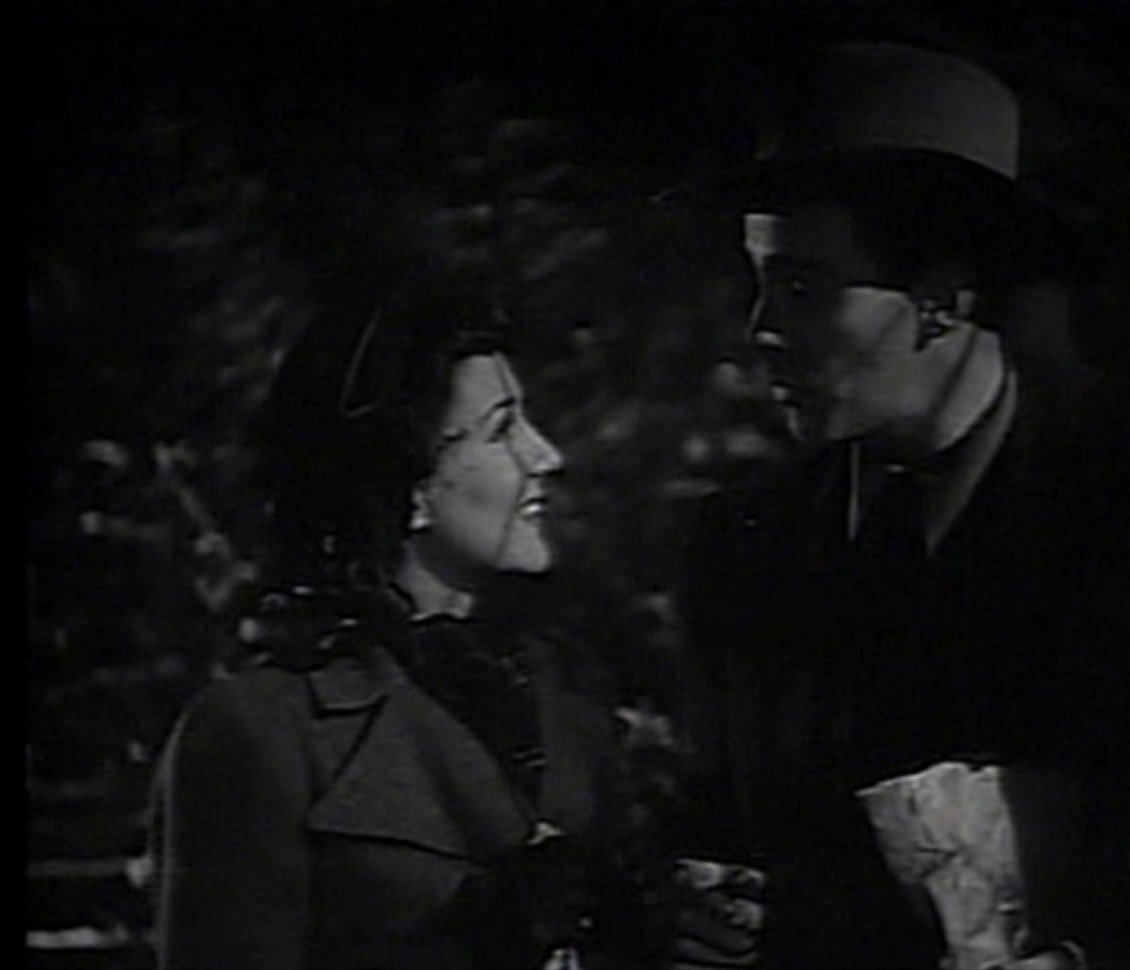
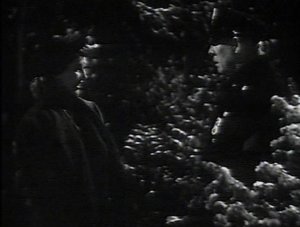 Throughout the film, noirish night undermines stability, comfort, and humor. Jean and Jim’s romantic walk home and funny encounter with a mounted policeman and his sergeant occur in small pools of soft-focus light with darkness shrouding most of the Throughout the film, noirish night undermines stability, comfort, and humor. Jean and Jim’s romantic walk home and funny encounter with a mounted policeman and his sergeant occur in small pools of soft-focus light with darkness shrouding most of the 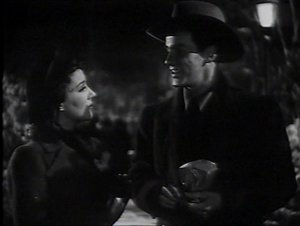 frame. Jim’s later proposal to Jean, though the two laugh playfully, is not in a sunny Central Park but in a dark, shadowy, late night walk there, only faintly illuminated by narrow key lighting on their mostly shadowed faces and the faint glow of a street lamp. Such imagery would not be out of place in the hauntingly sinister streets of Val Lewton’s eerie New York in The Seventh Victim or The Cat Woman. frame. Jim’s later proposal to Jean, though the two laugh playfully, is not in a sunny Central Park but in a dark, shadowy, late night walk there, only faintly illuminated by narrow key lighting on their mostly shadowed faces and the faint glow of a street lamp. Such imagery would not be out of place in the hauntingly sinister streets of Val Lewton’s eerie New York in The Seventh Victim or The Cat Woman.
Later, when the femme fatale lures away Jim as he becomes a successful radio star, they meet in a bright apartment. Yet through the slits of partially open blinds between them pour in the black night , with intermittent points of light from skscraper windows piercing in on them like intrusive, glaring eyes. It is the noir world that forms the apex of this triangle, predominating and binding the humans together beneath in tragedy and corruption. 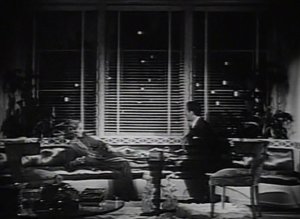
Elsewhere, Sutherland uses darkness and mise en scène to signal that alienation and tragedy inevitably supplant good fortune. The 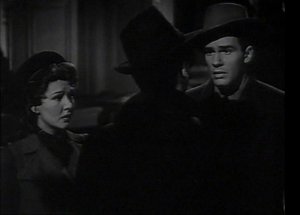 reporter getting the story he will spread of Jim’s and Jean’s inheritance from Michael is framed in front of the two (all three in medium closeup) a black silhouette before and between them, almost blotting them out with his black fedora and his black trench coat. He looms between them and between them and their future like Death incarnate. Even the godfathers and their magical influence are at crucial moments overwhelmed by noir ‘s fateful darkness. reporter getting the story he will spread of Jim’s and Jean’s inheritance from Michael is framed in front of the two (all three in medium closeup) a black silhouette before and between them, almost blotting them out with his black fedora and his black trench coat. He looms between them and between them and their future like Death incarnate. Even the godfathers and their magical influence are at crucial moments overwhelmed by noir ‘s fateful darkness.
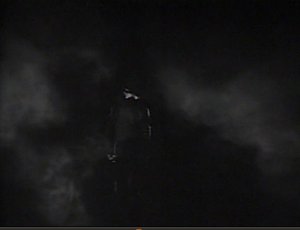
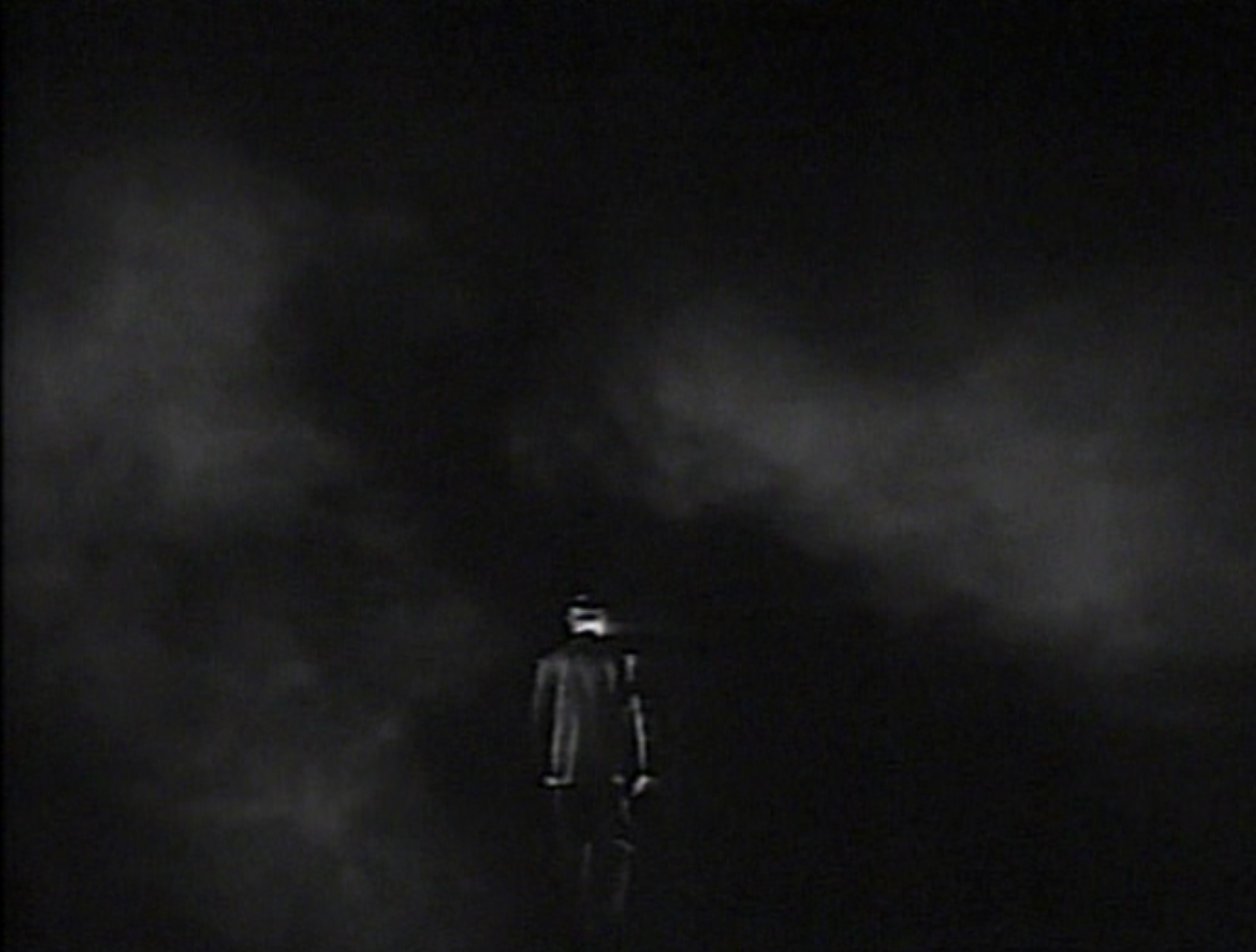
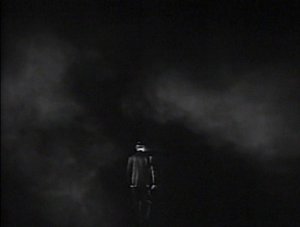 The afterlife is given the noir treatment as well. Isolated and alone, like many a noir anti-hero, Melton is drawn into and swallowed by a photo- negative of inky, roiling clouds after his death, predicated by his dark past. Michael’s call to the beyond, though promising peace and happiness, is portrayed disconcertingly: bright, thin rays against a black sky striking earth from a mass of black clouds. The friendliness of the angelic voice calling him is unsettlingly undermined by this nightmare image of the divine- all in the surrounding darkness of Lewtonesque city night. The afterlife is given the noir treatment as well. Isolated and alone, like many a noir anti-hero, Melton is drawn into and swallowed by a photo- negative of inky, roiling clouds after his death, predicated by his dark past. Michael’s call to the beyond, though promising peace and happiness, is portrayed disconcertingly: bright, thin rays against a black sky striking earth from a mass of black clouds. The friendliness of the angelic voice calling him is unsettlingly undermined by this nightmare image of the divine- all in the surrounding darkness of Lewtonesque city night.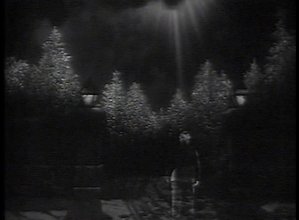
The plot twists imbue Beyond Tomorrow with the same noir vision as the lighting and setting, sometimes even in conjunction. Just when the godfathers and the young folk seem happy, hopeful, and excited to live, where many a Christmas movie ends, the business 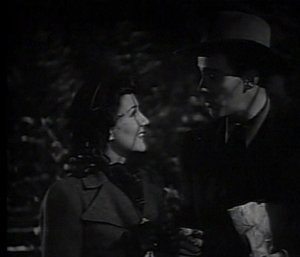 partners are killed in a plane crash. The signal of their deaths merges this ironic turn with dark imagery to create noir ambience. The lovers’ joy as Jean accepts Jim’s humorously inadvertent marriage proposal is undercut for the audience by unseen newsies’ growing cacophony of “Extra” surging insistently out of the shadowed night surrounding the unwitting lovers, hinting that a dreadful turn is emerging from the darkness. It more clearly emerges as the scen closes with a closeup of a headline proclaiming the three godfathers’ deaths. partners are killed in a plane crash. The signal of their deaths merges this ironic turn with dark imagery to create noir ambience. The lovers’ joy as Jean accepts Jim’s humorously inadvertent marriage proposal is undercut for the audience by unseen newsies’ growing cacophony of “Extra” surging insistently out of the shadowed night surrounding the unwitting lovers, hinting that a dreadful turn is emerging from the darkness. It more clearly emerges as the scen closes with a closeup of a headline proclaiming the three godfathers’ deaths.
Other expectations of “comfort and joy” are obliterated with noir’s relentlessly disconcerting unexpectedness. The three godfathers return as ghosts and settle in their old study to preside over those they love, comforted by Mme. Tanya’s sense of their presence. However, just when we and they start to get comfortable with this cozy turn, they are one by one called to leave by a darkening of the screen and a mysterious higher power, two to pain and sacrifice.
In another noir reversal, Michael’s final godfatherly act in life to leave the young friends some dough to make their lives easier and their dreams come true turns out to be exactly the curse Melton warns him it would be – foreshadowed by the reporter’s ominous depiction darkly splitting the lovers. The news story on the couple’s luck leads to Jim becoming a radio star who deserts Jean under the spell of Arlene Terry, whose fatale ways with her former husband drive him to shoot Arlene, Jim, and himself. Just when we become comfortable in our security, happiness, love, and fellowship are all battered by the darkness of the world outside us, and also by the darkness within even the best of us that will reach for that darkness without.
There are happy endings in the film, but not without pain, disillusionment, falls from grace, and even death. Madame Tanya is proved right in her observation that the power and prestige of being royalty in old Russia is nothing compared with the joy of loving and serving others. Loving sacrifices are rewarded; friendship even redeems Melton’s soul from roiling clouds of bitterness and despair. And yet, Melton’s sadly cynical recognition of human weakness in the face of the darkness outside and within imbues this Christmas film with a noir outlook: “To be born innocent is natural. To die pure is a gift.” No one dies pure in Sutherland’s film.
|
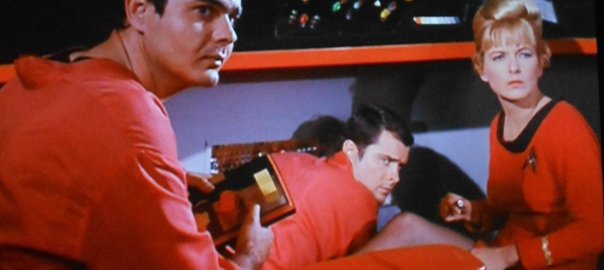




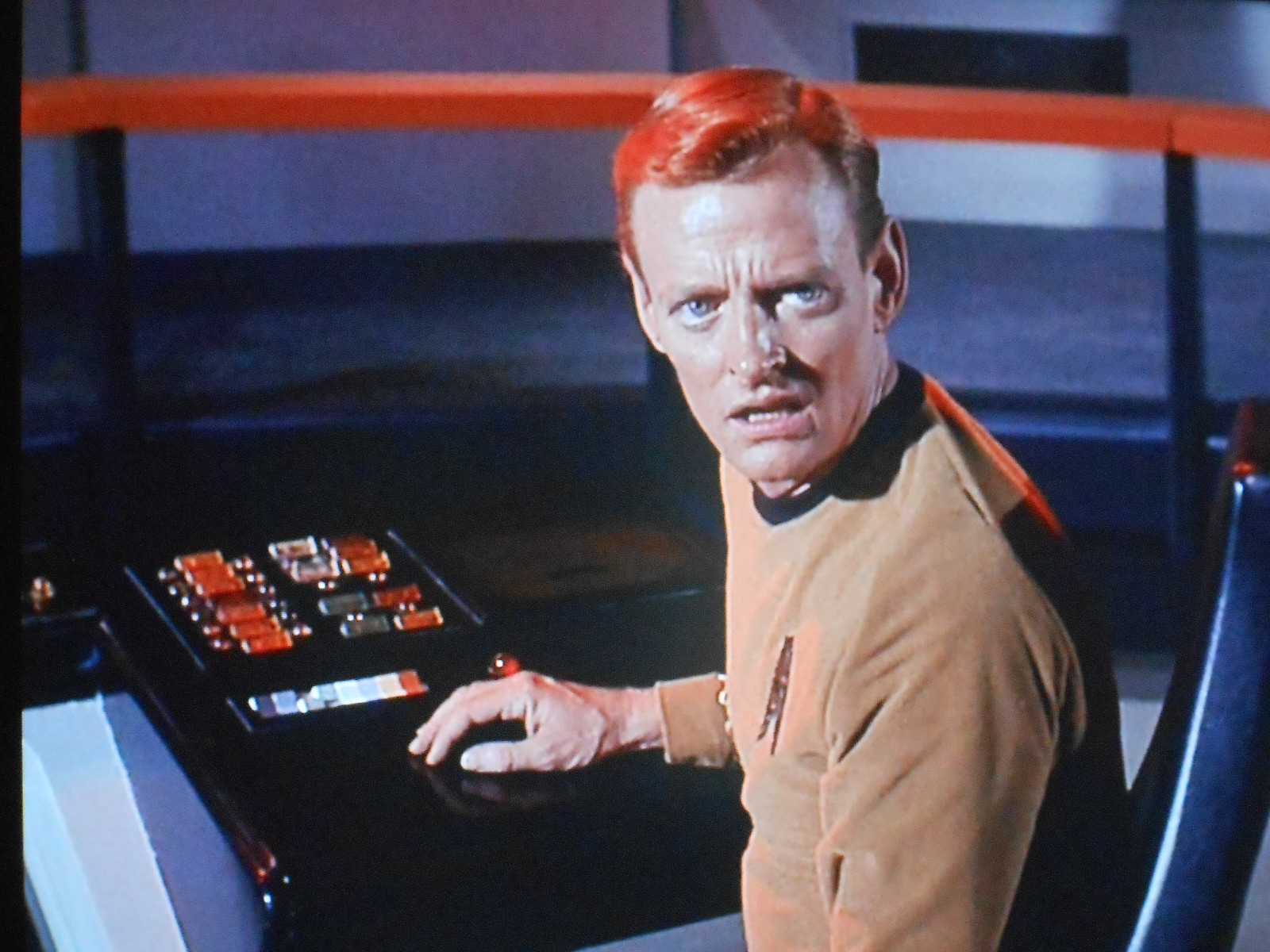
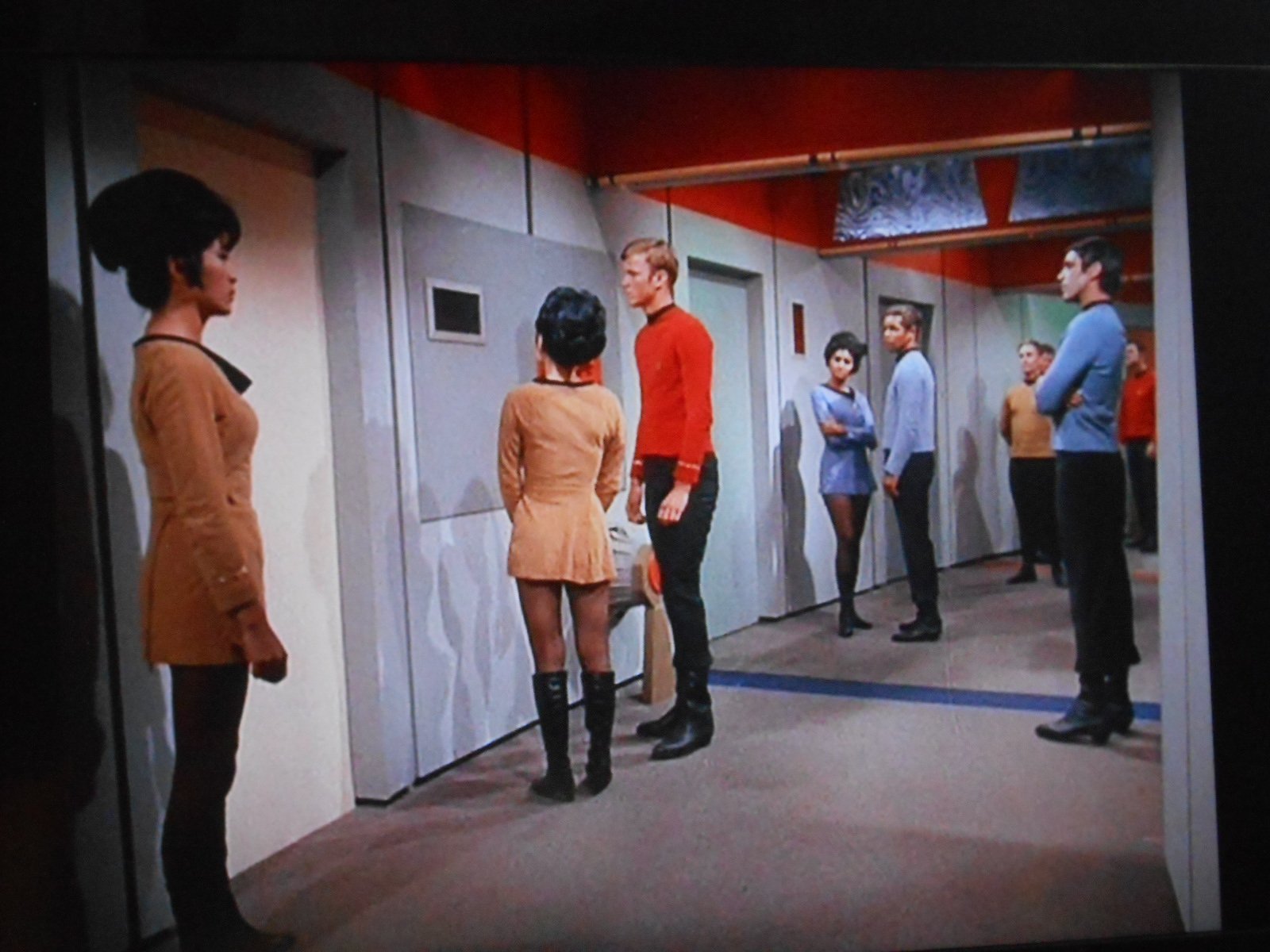 . Sulu, Ensign Checkov, Nurse Chapel, Yeoman Rand, and Mr. Scott were all regular players with important roles in the action of the original series. However, the show also created a sense of verisimilitude with another level of players, supernumeraries. These spear, or phaser, carriers may not have had lines (though many did) but they appeared in multiple episodes as crew members, thereby creating continuity. Sometimes, though, that continuity might have been set askew by outfitting them in different uniforms and occasionally having them show up as aliens or civilians filling out the background. After working my way through the series this year, I thought it would be fun to create a run down on the cast supporting the supporting cast.
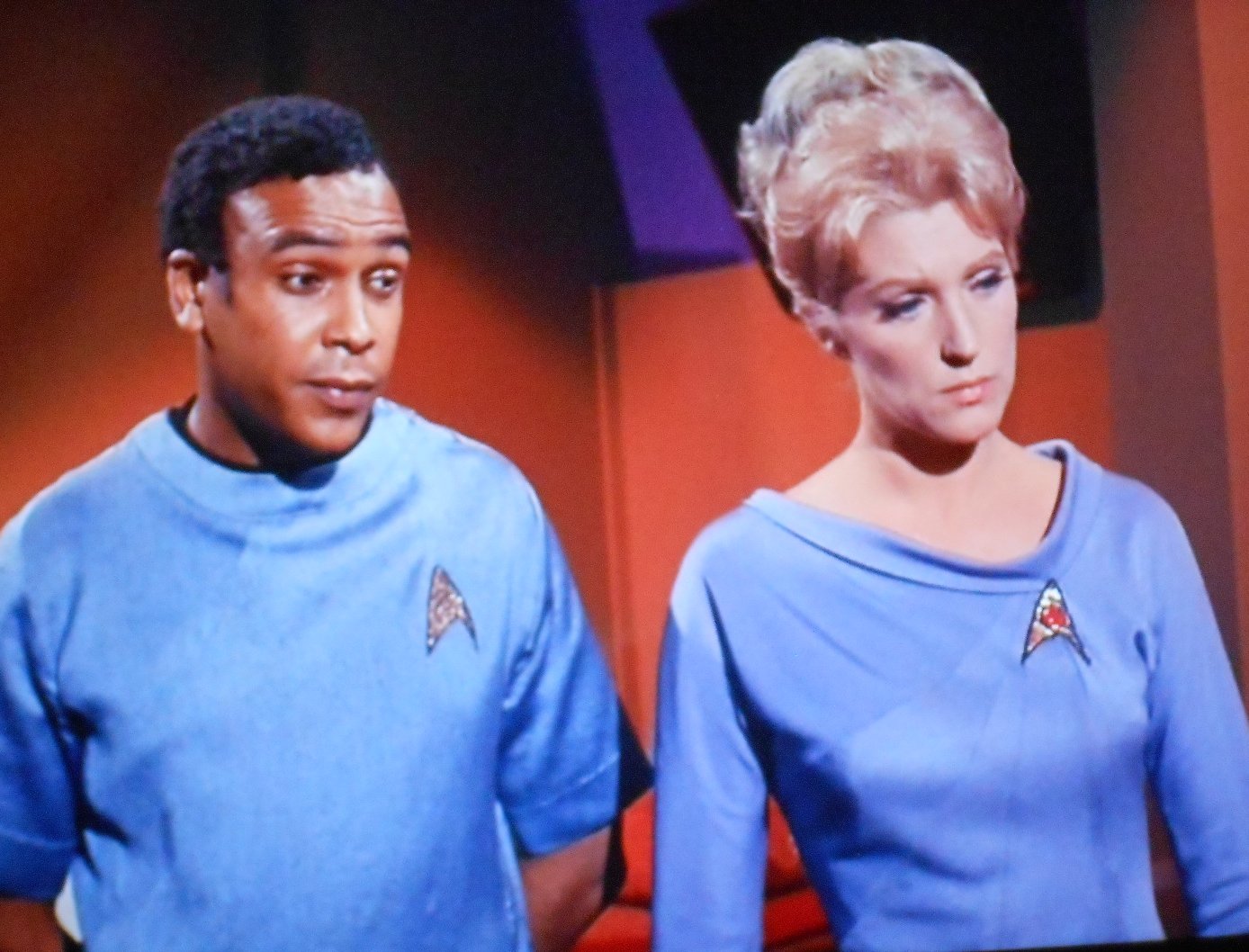 My first entry is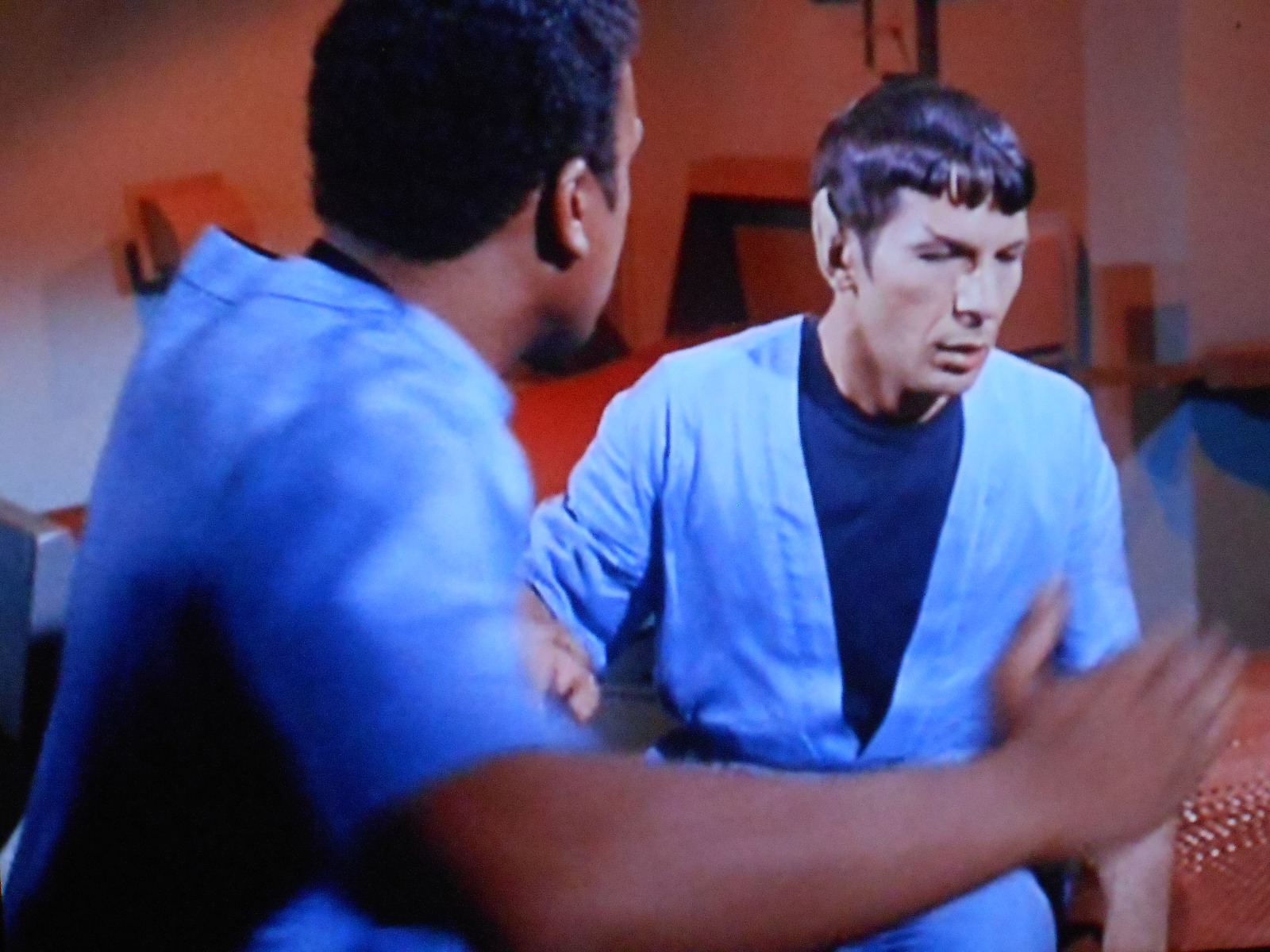
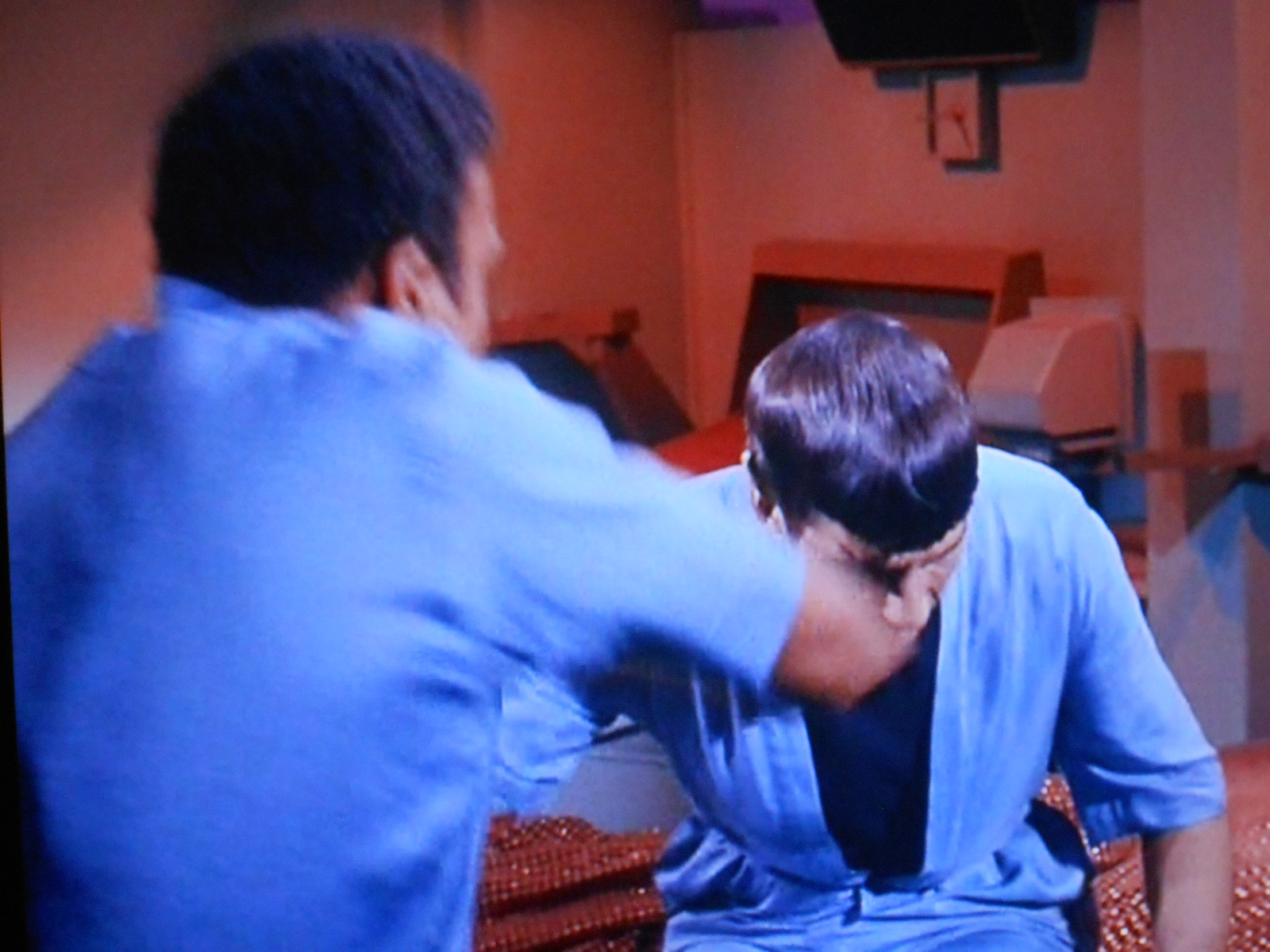
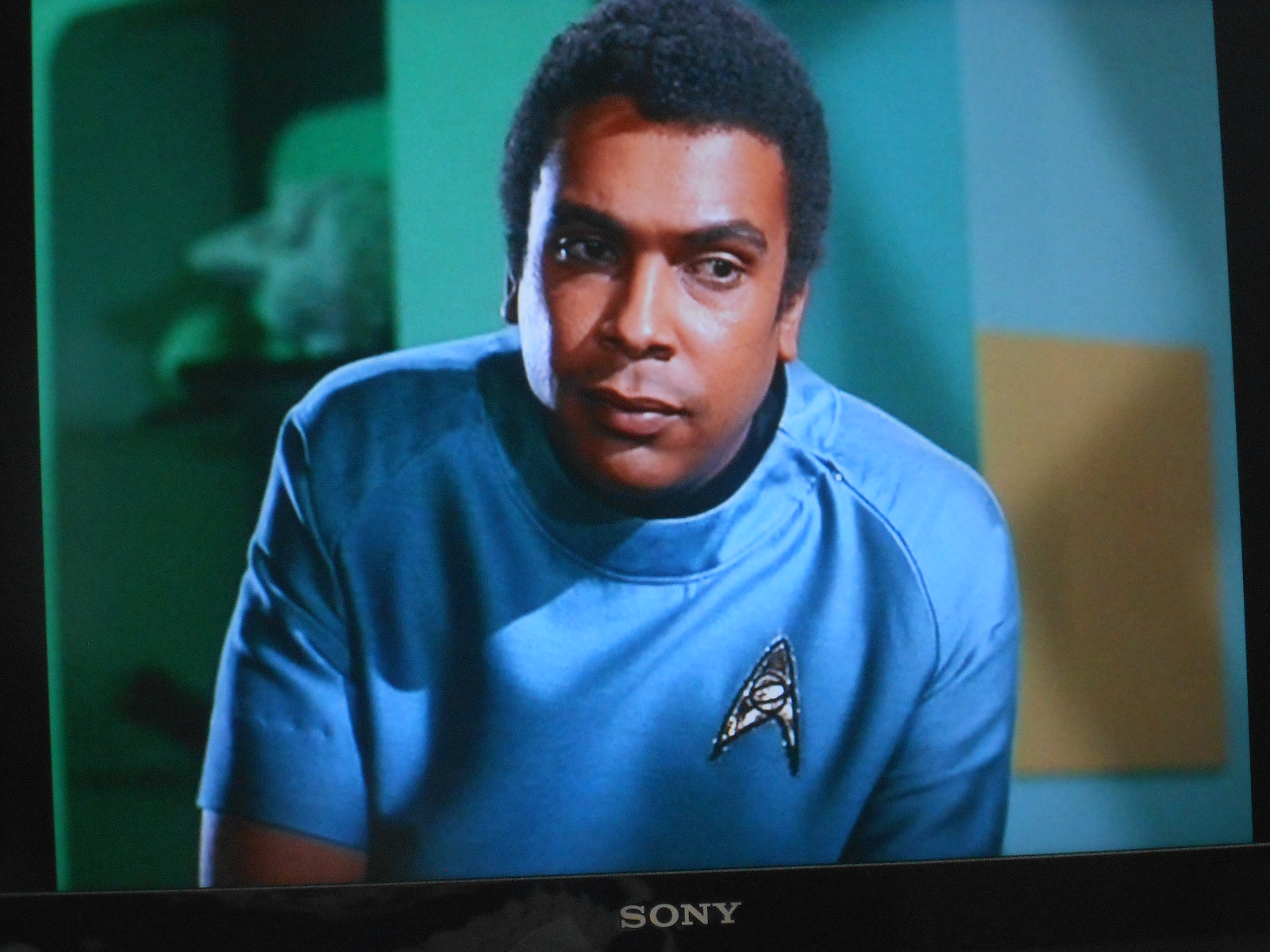 verbally slices down the doctor for being a bit too cheery about pronouncing he has no idea why a crewman had died from having every cell in his body exploded. Then again, when crewman are dropping left and right (some not even in red shirts!), maybe a playful attitude about your ignorance deserves a cool comeuppance.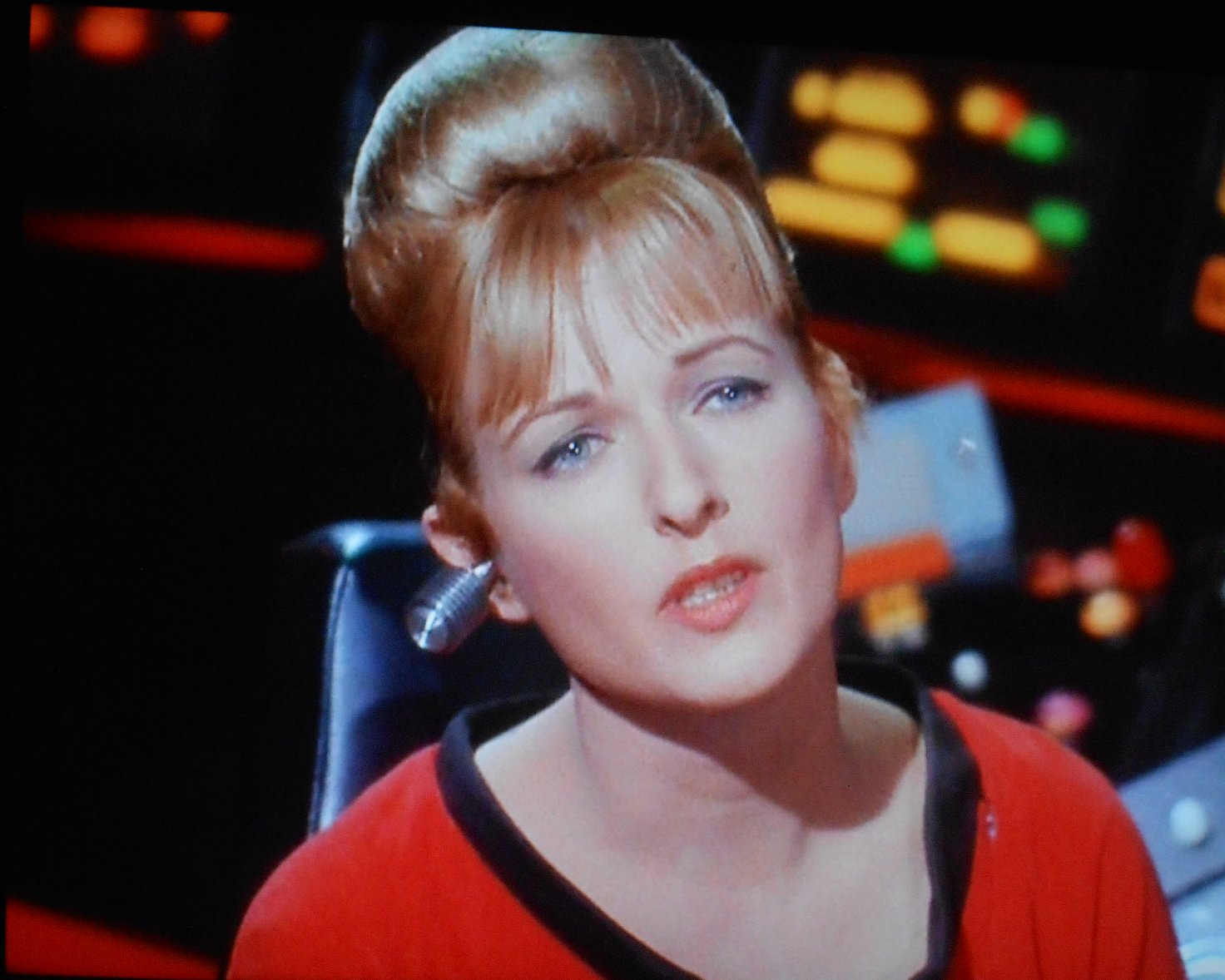
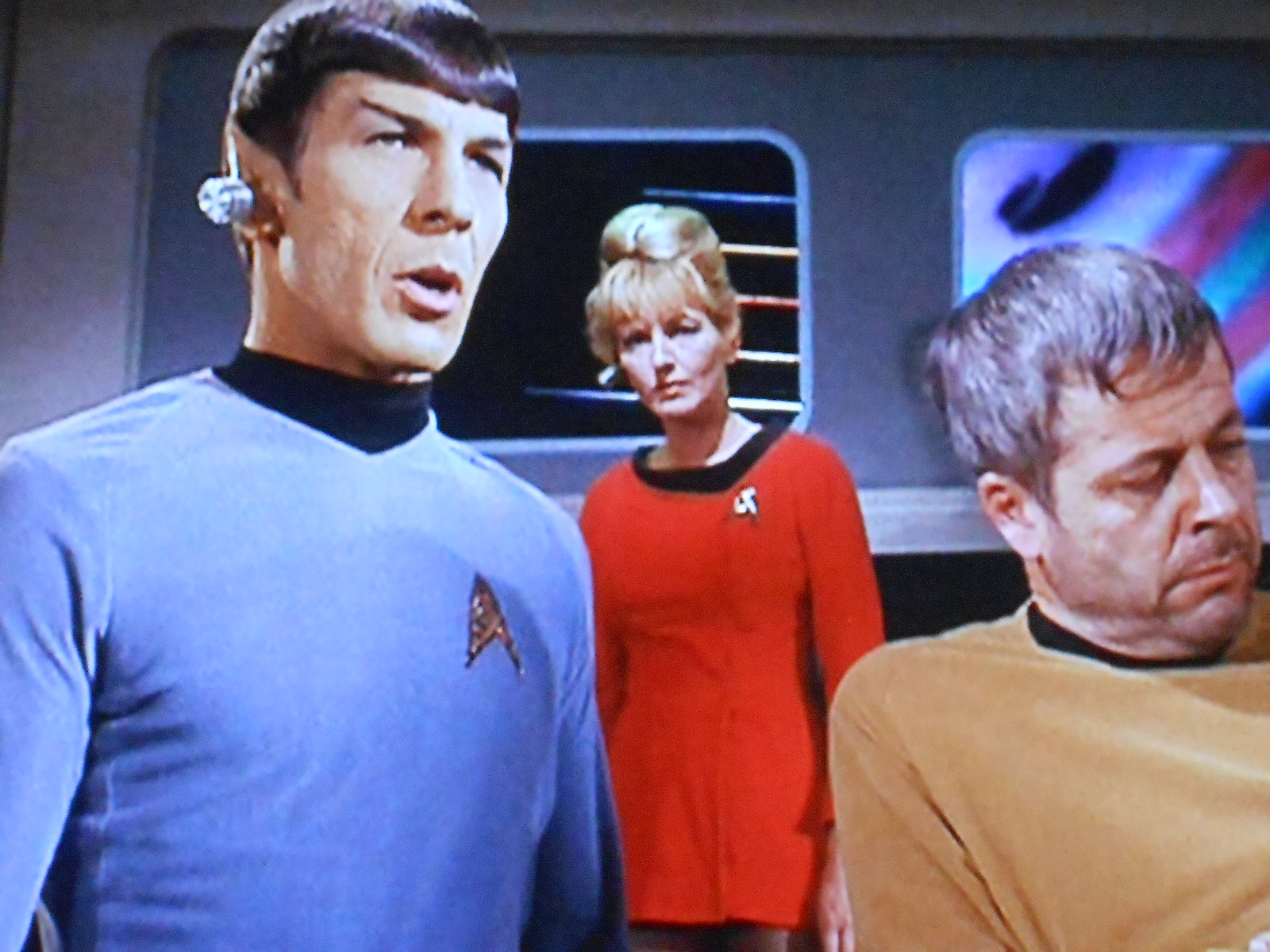 Palmer remains stoic and efficient in times of adversity, be it an omnivorous space Hoover, a nutso commodore commandeering the Enterprise, or really obnoxious space hippies. She must be fairly high in Communications, because she’s the only member of the department who, like Uhura, knew how to repair the Communications equipment. Enterprise GRRRLS do science!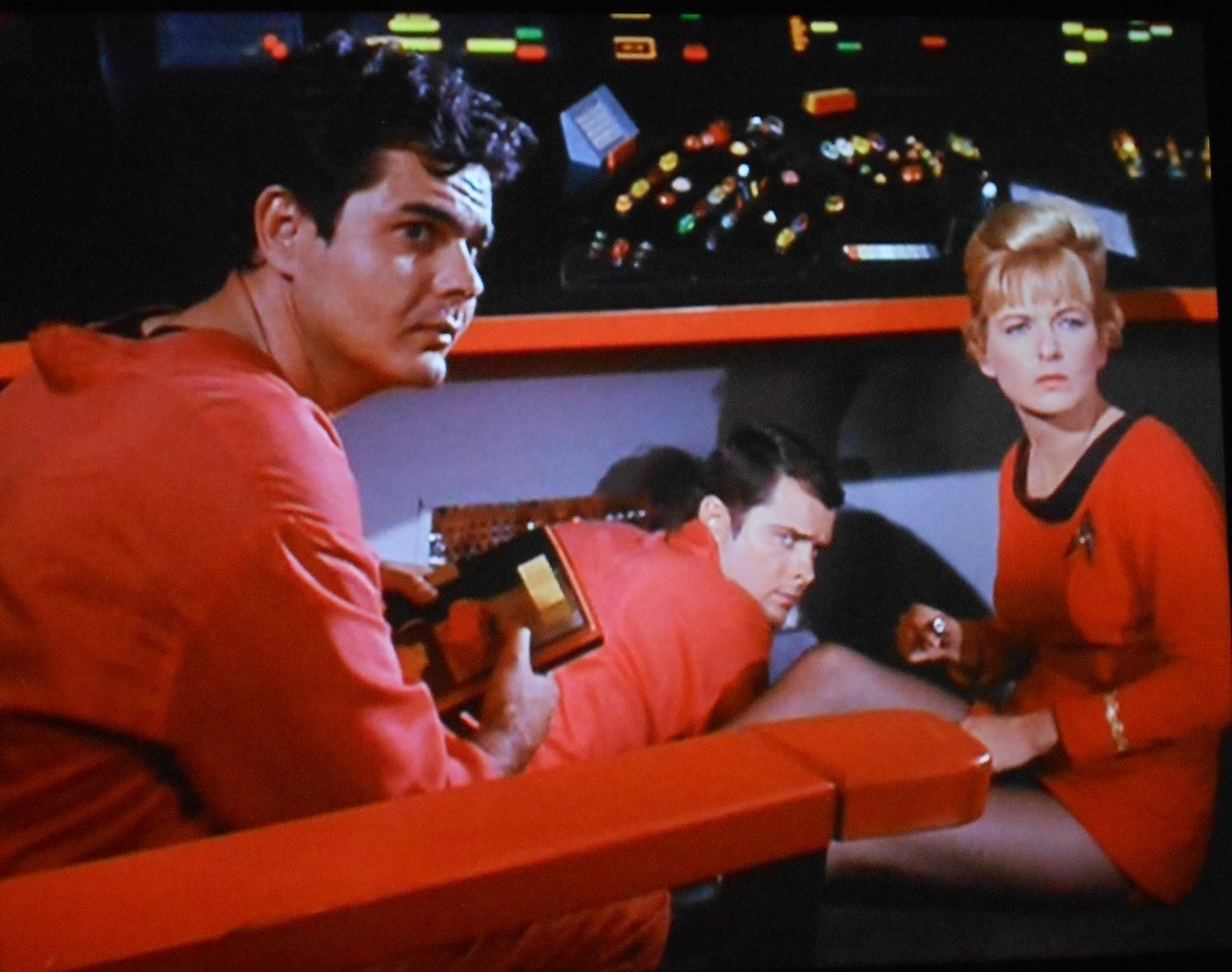
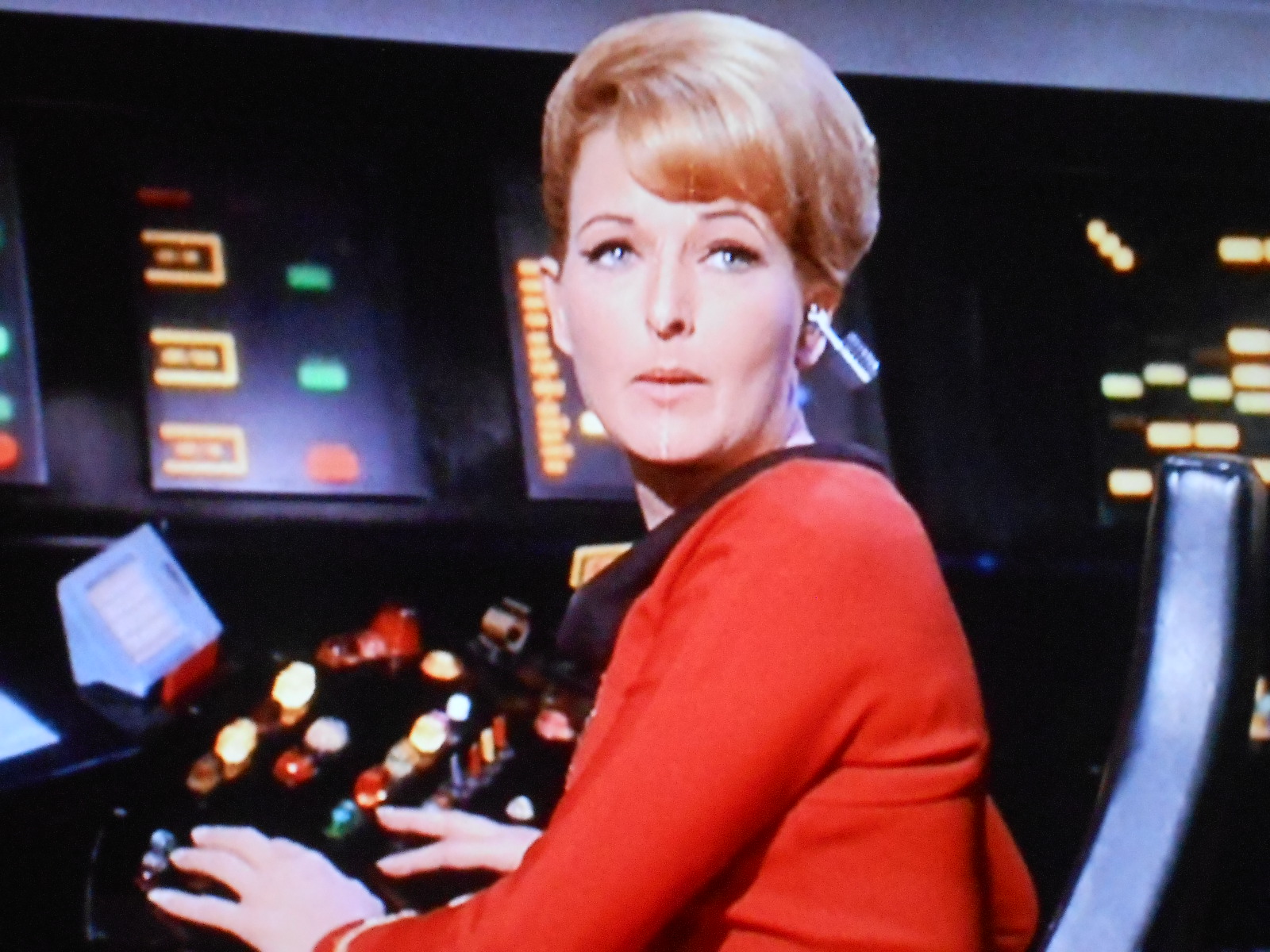 Companion” in “Metamorphosis.” If you watch much sixties or seventies TV, you are likely to see her in a guest-starring role. Further, she was a friend of producer Irwin Allen and played in The Towering Inferno and The Poseidon Adventure. I didn’t catch her in the second film (though I’ll be sure to look for her next time), but I remember her in The T.I. She’s the first one to ride the captain’s chair across the cable strung between two skyscrapers – and she’s screaming all the way! Planet-devouring doomsday weapons and pain-in-the-ass space hippies are nothing to her – but heights? That’s another matter!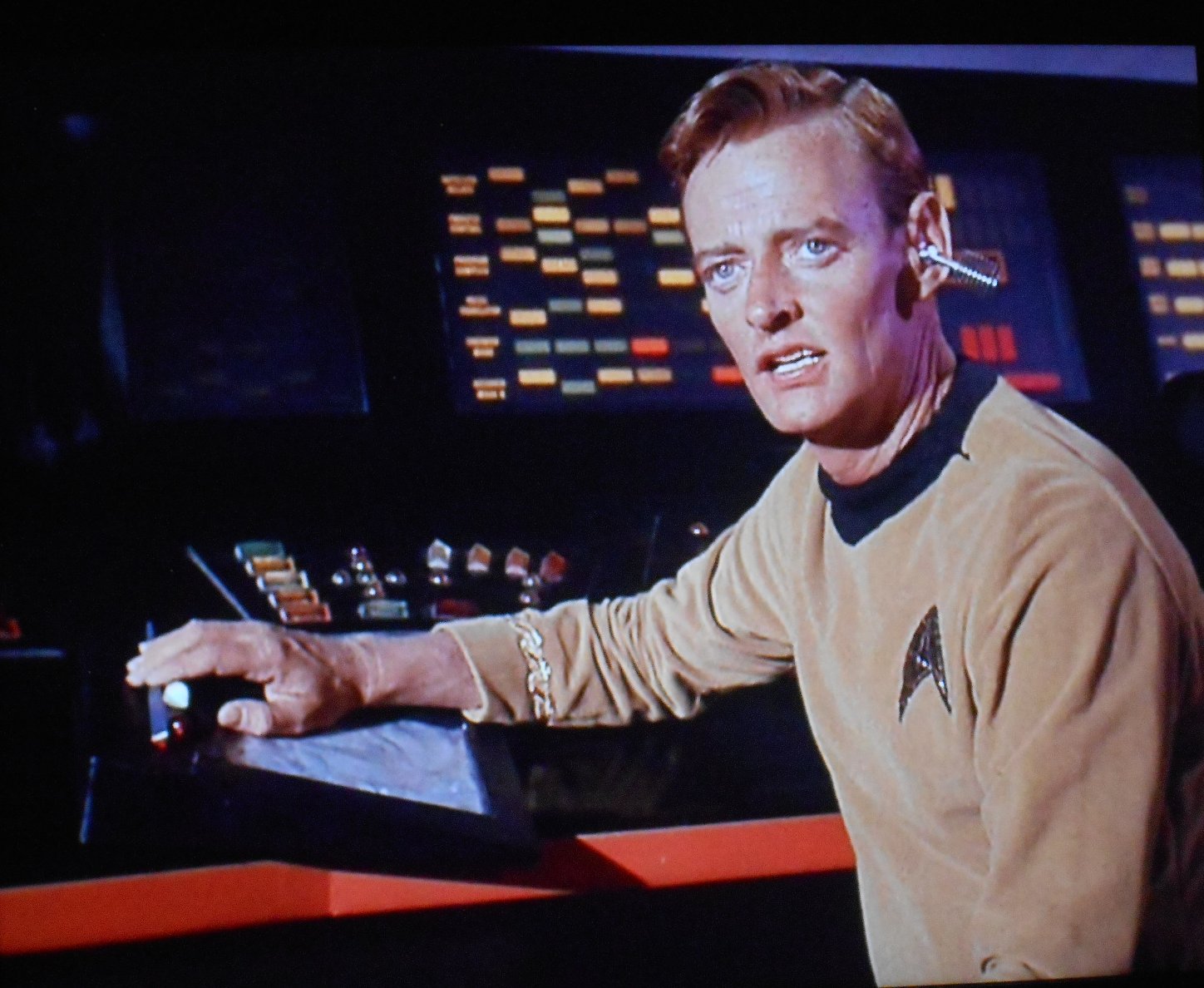
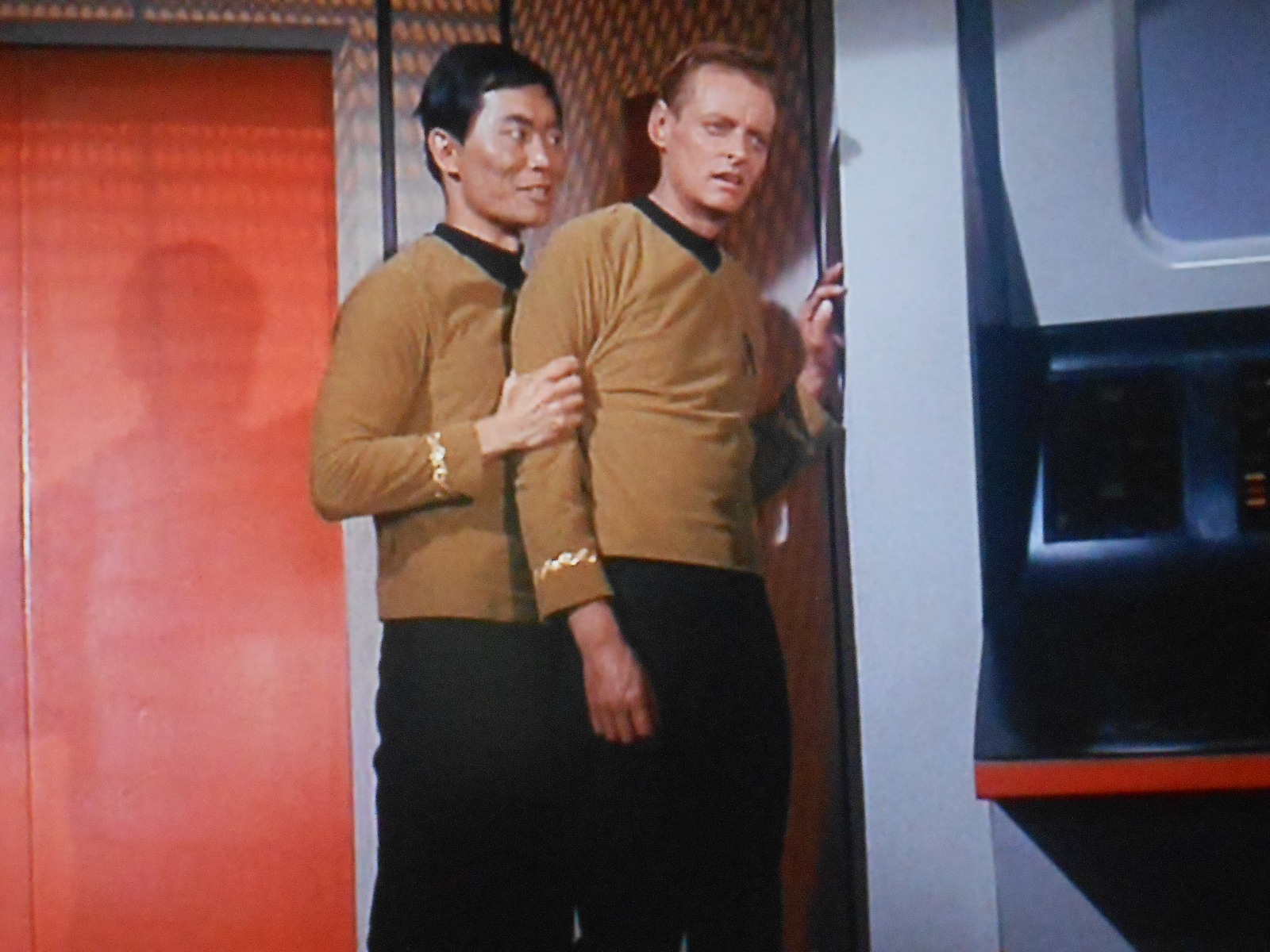 when Sulu refers to him as “Johnny-O” after they both have been knocked off kilter by the hormone-stimulating drugs of “Mud’s Women.” In this episode, poor also John Farrell gets schnoockered out of a communicator by one of Mudd’s gals, Magda. Interestingly, according to Memory Alpha and The Lost Redshirt sites, some dialogue cut from the scene reveals that Farrell had a girlfriend and was thinking of growing a mustache! Anyway, he’s not doing too well in the formal inquiry of Harcourt Fenton Mudd and his hotties, is he?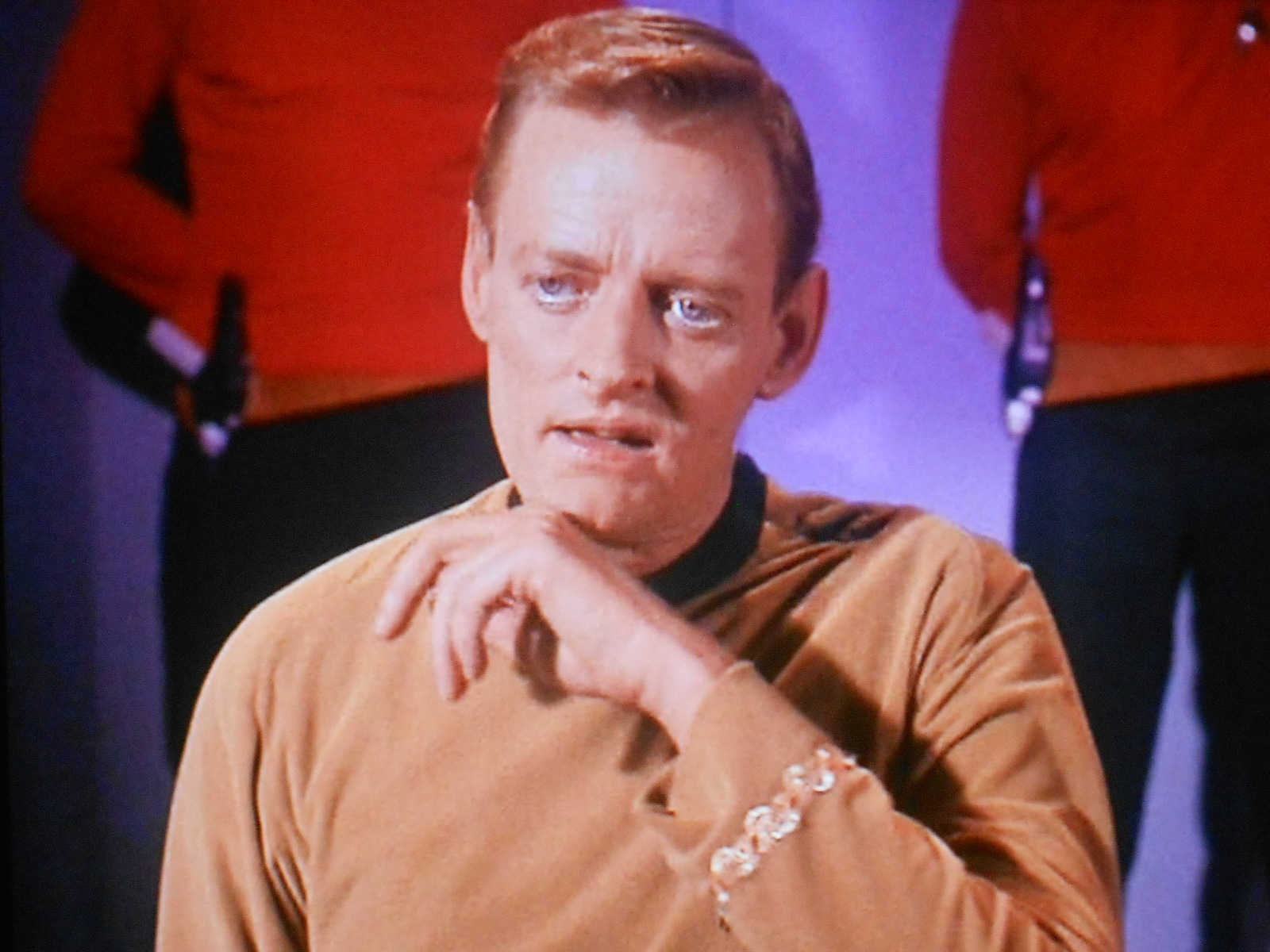

 Anyway, let’s move on to a more enjoyable descent into darkness. Here’s a
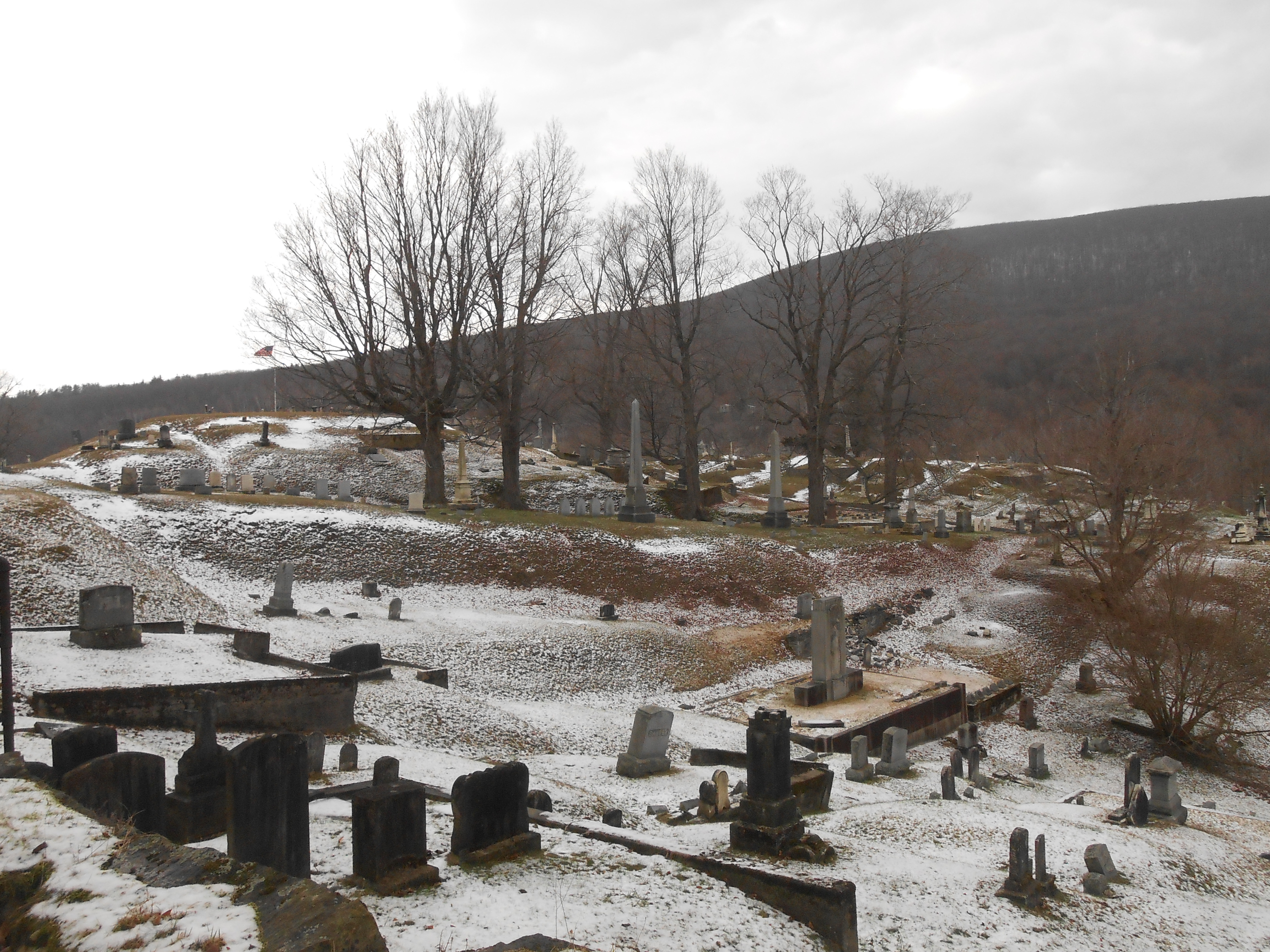
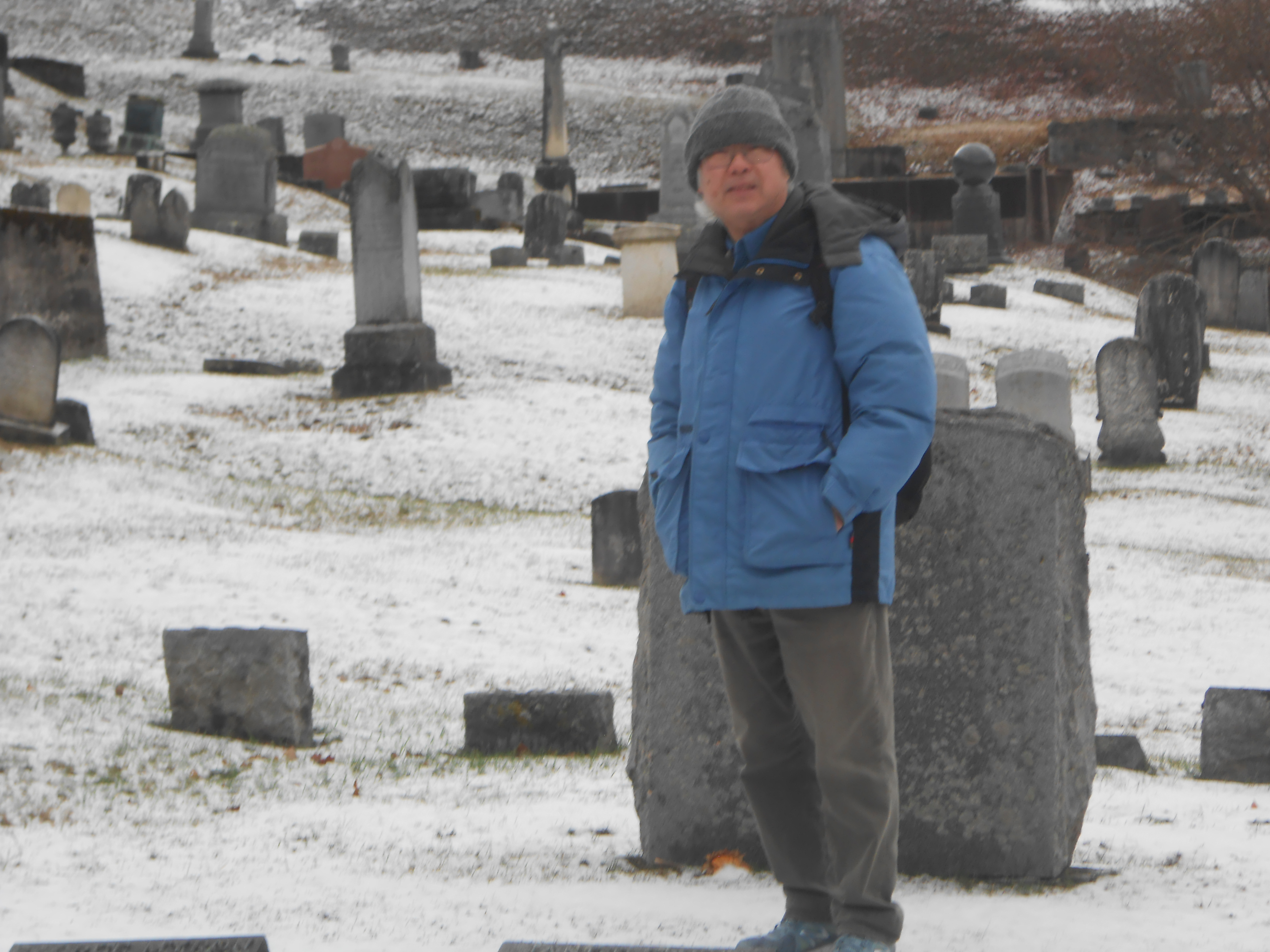
  last gasp at wintry images with Part 2 of my report on the Hillside Cemetery of North Adams. Across the street from the original portion of the graveyard, lonely mountains rise up to close you you in and the rest of the world out on this grey day.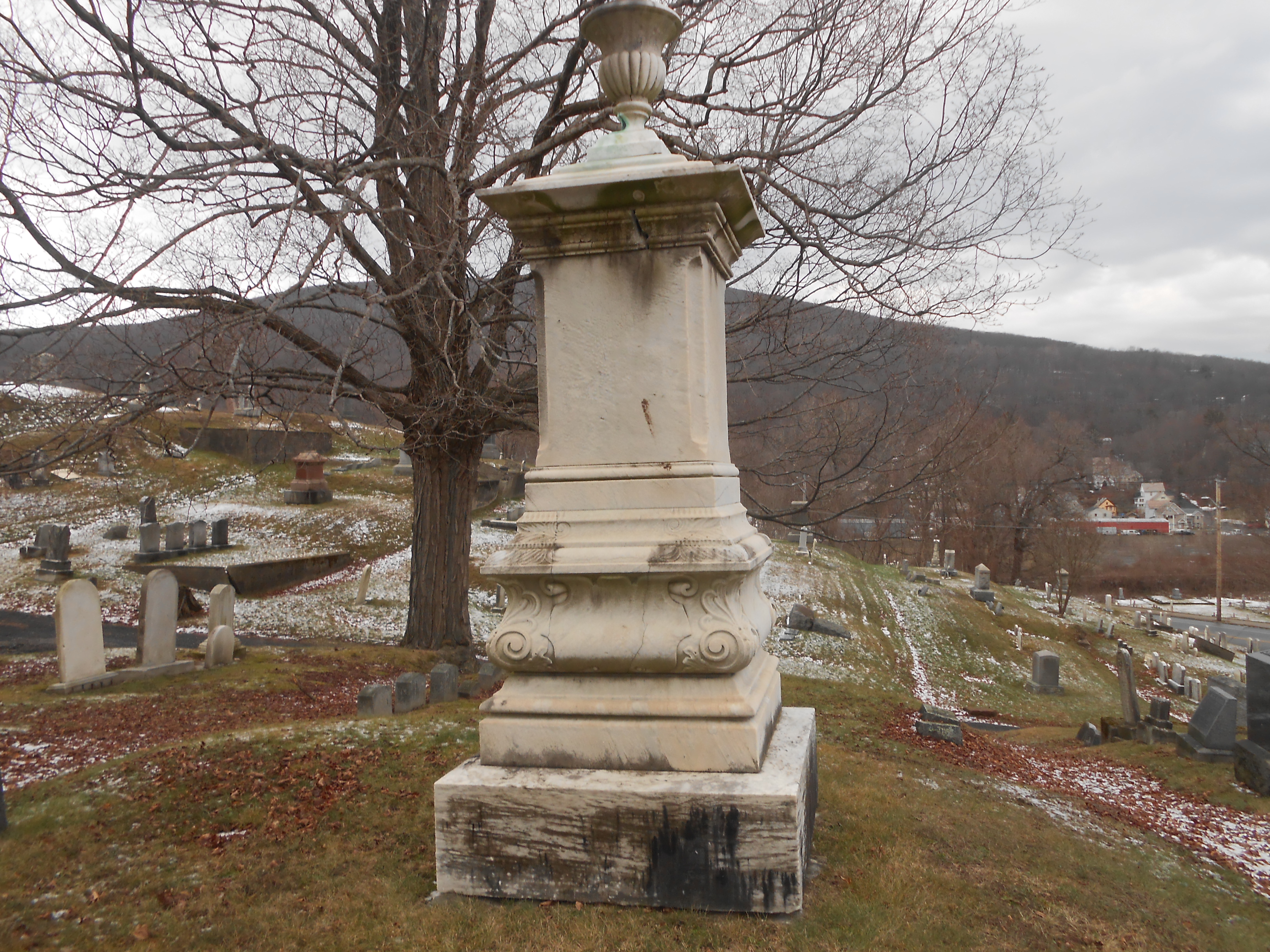
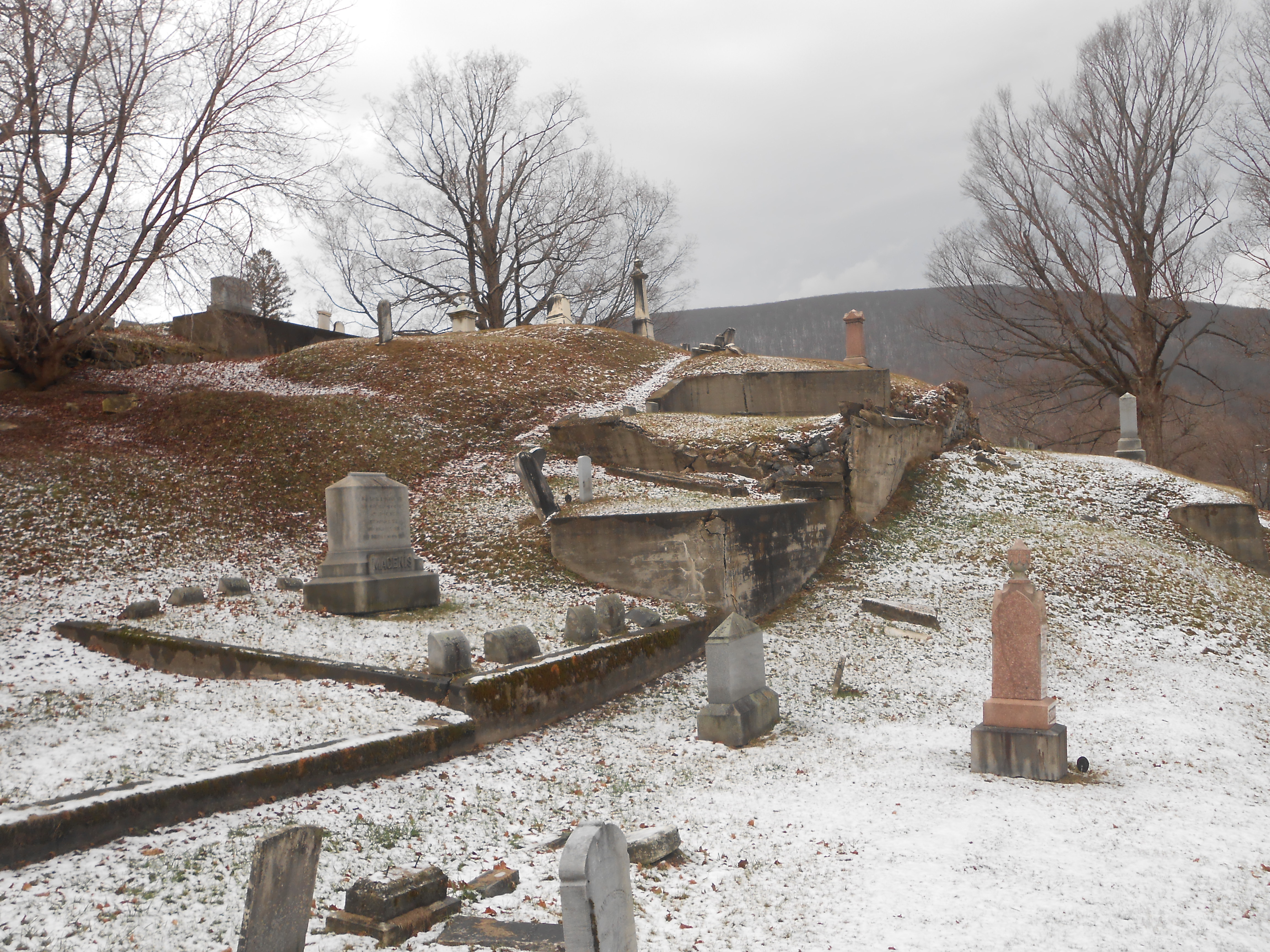
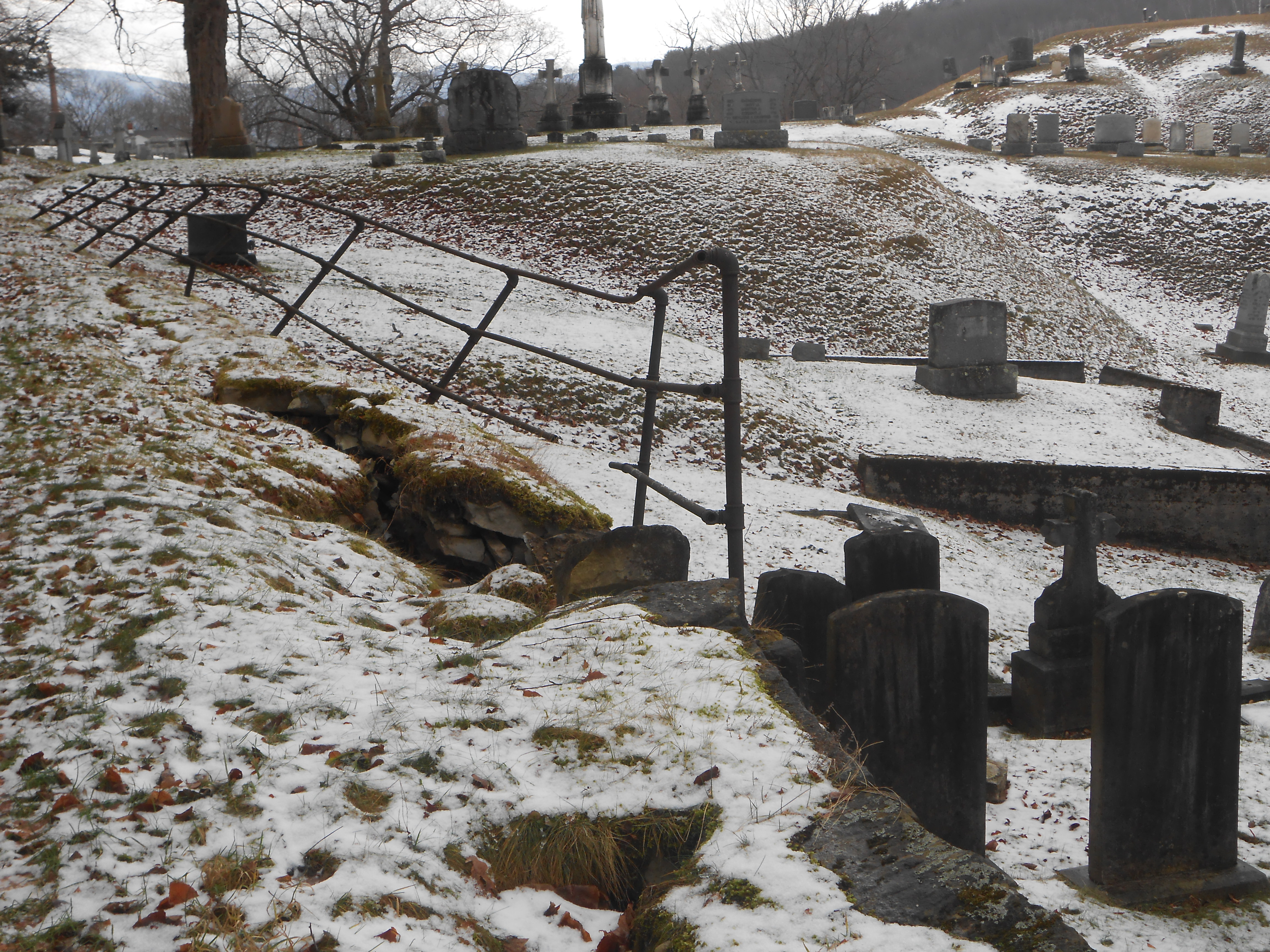 hillside. With the rolling slopes here, the graves, mostly 19th century, tilt and are almost upended as the ground has settled and shifted over the years-or is someone or something trying to push out?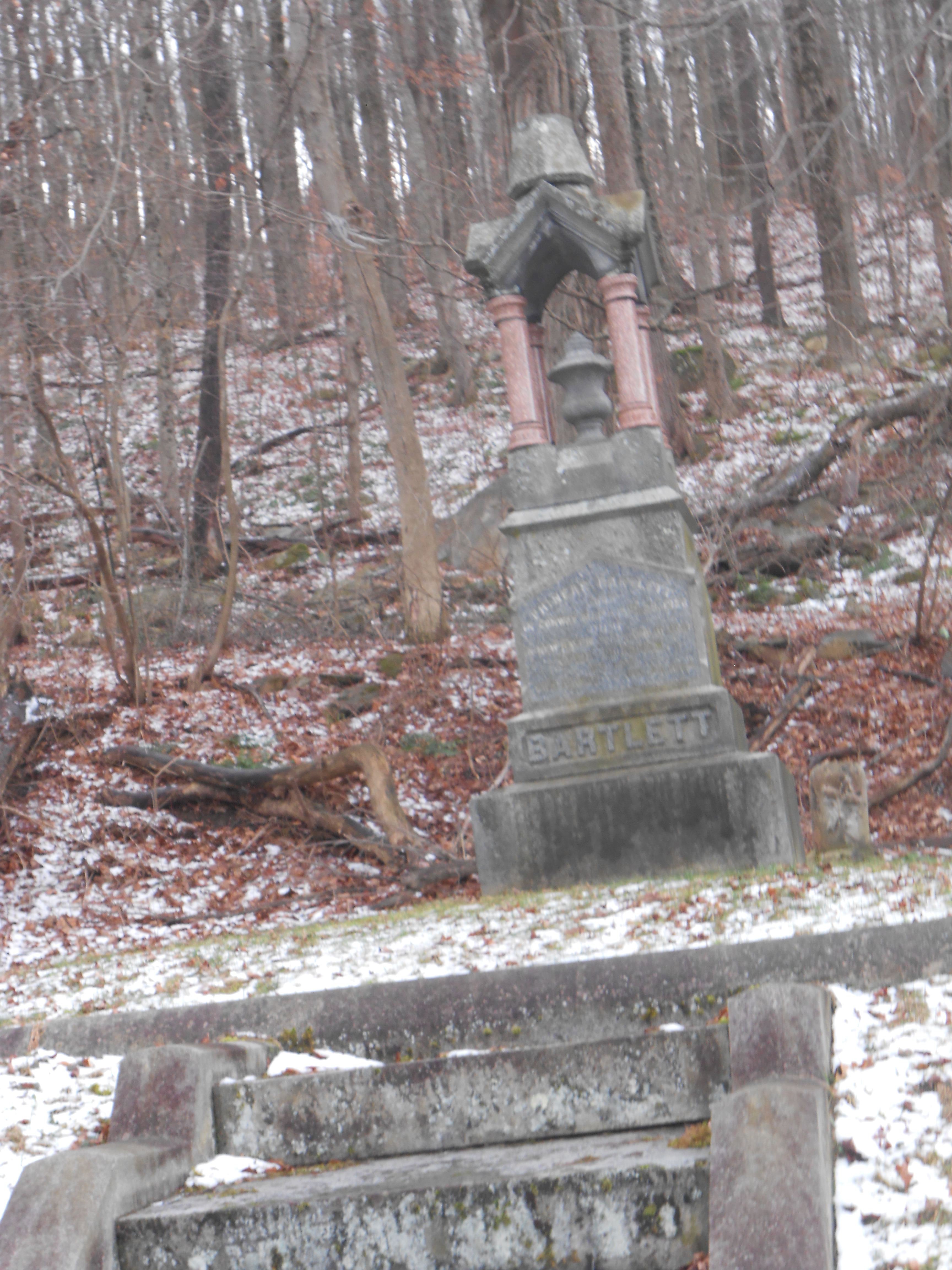
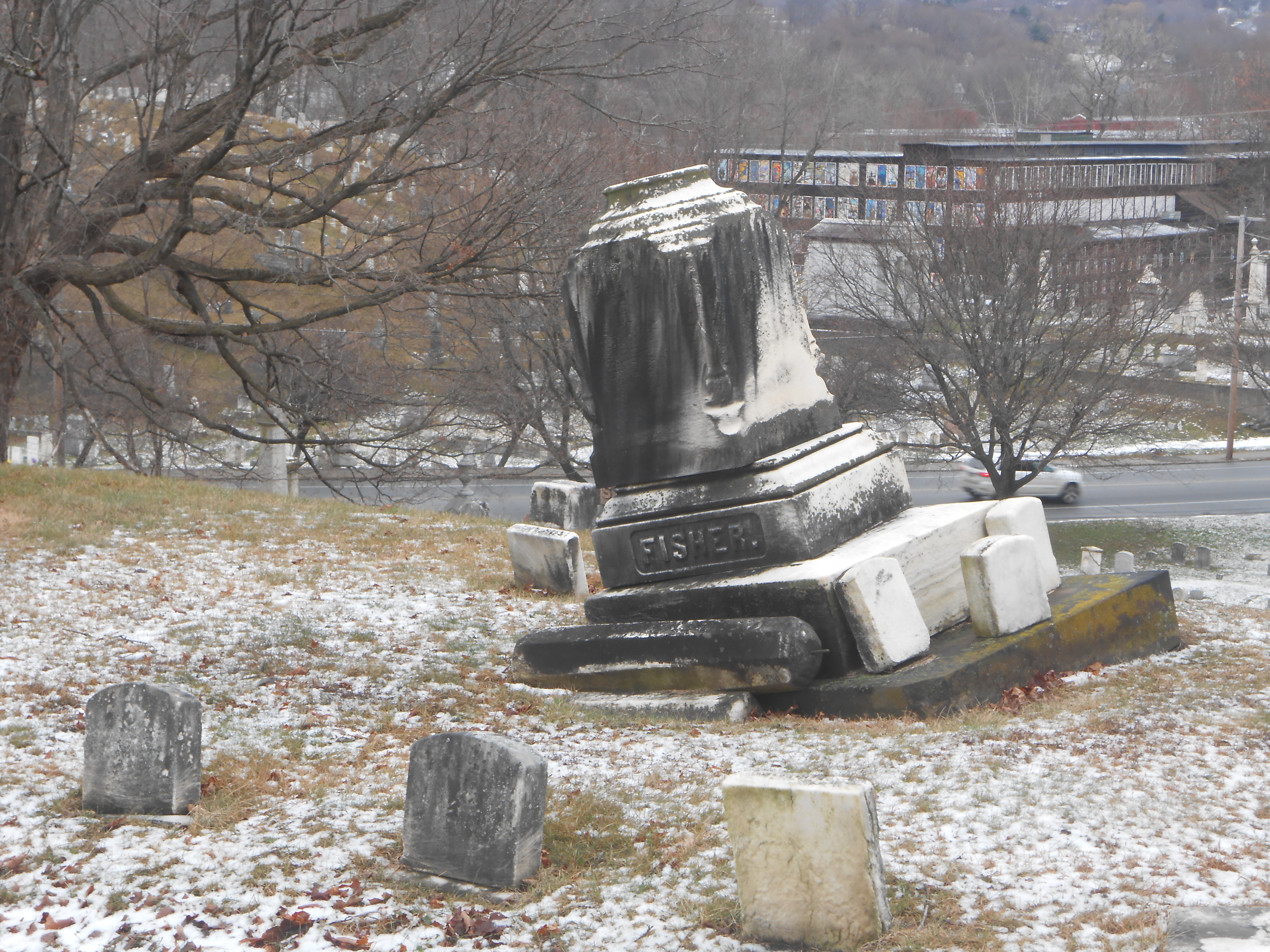
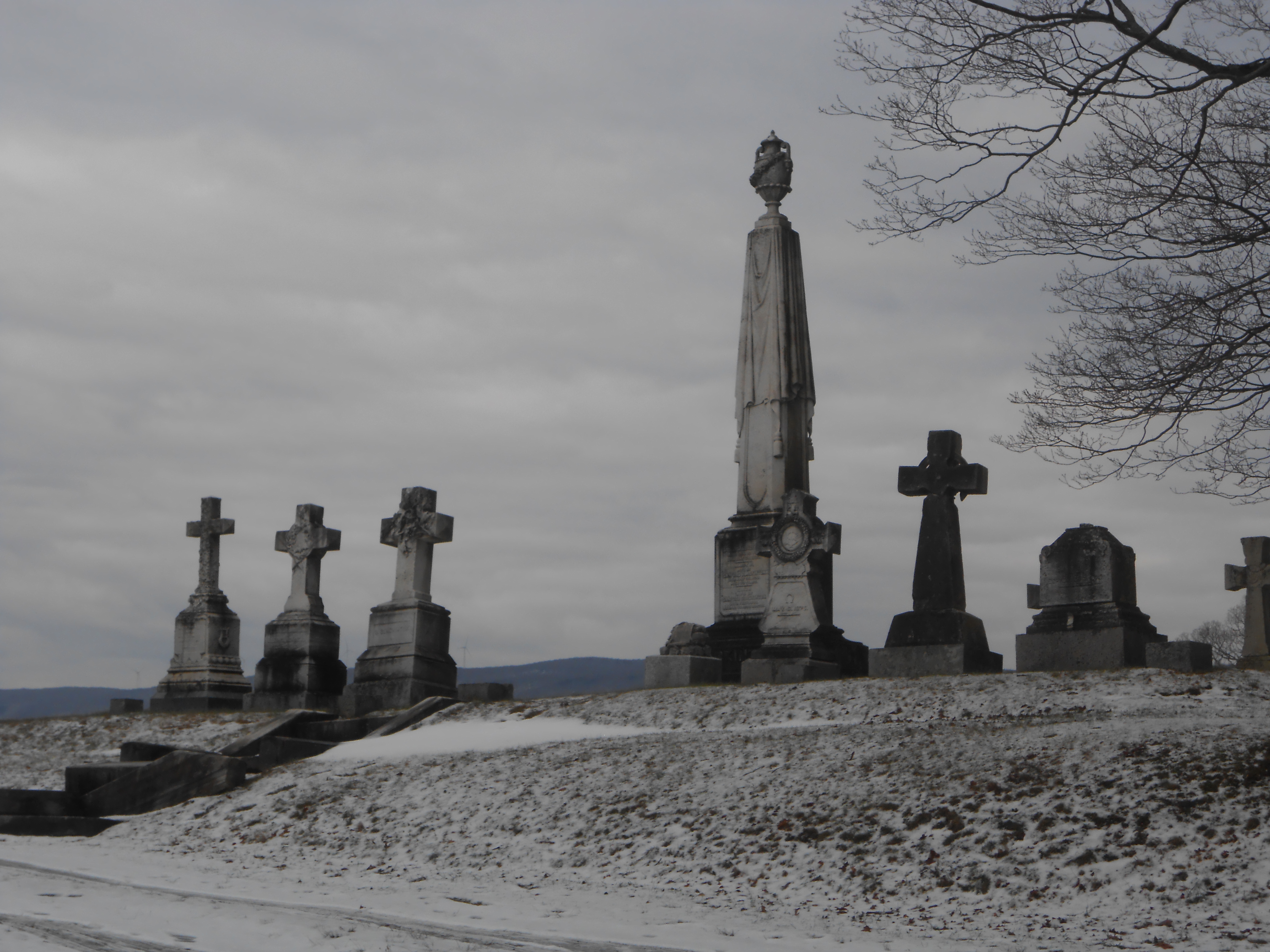 And those slopes are pretty darned high, too, with gravestones and monuments, bleakly, implacably towering upward from an earth both browned by autumn and frosted by snow.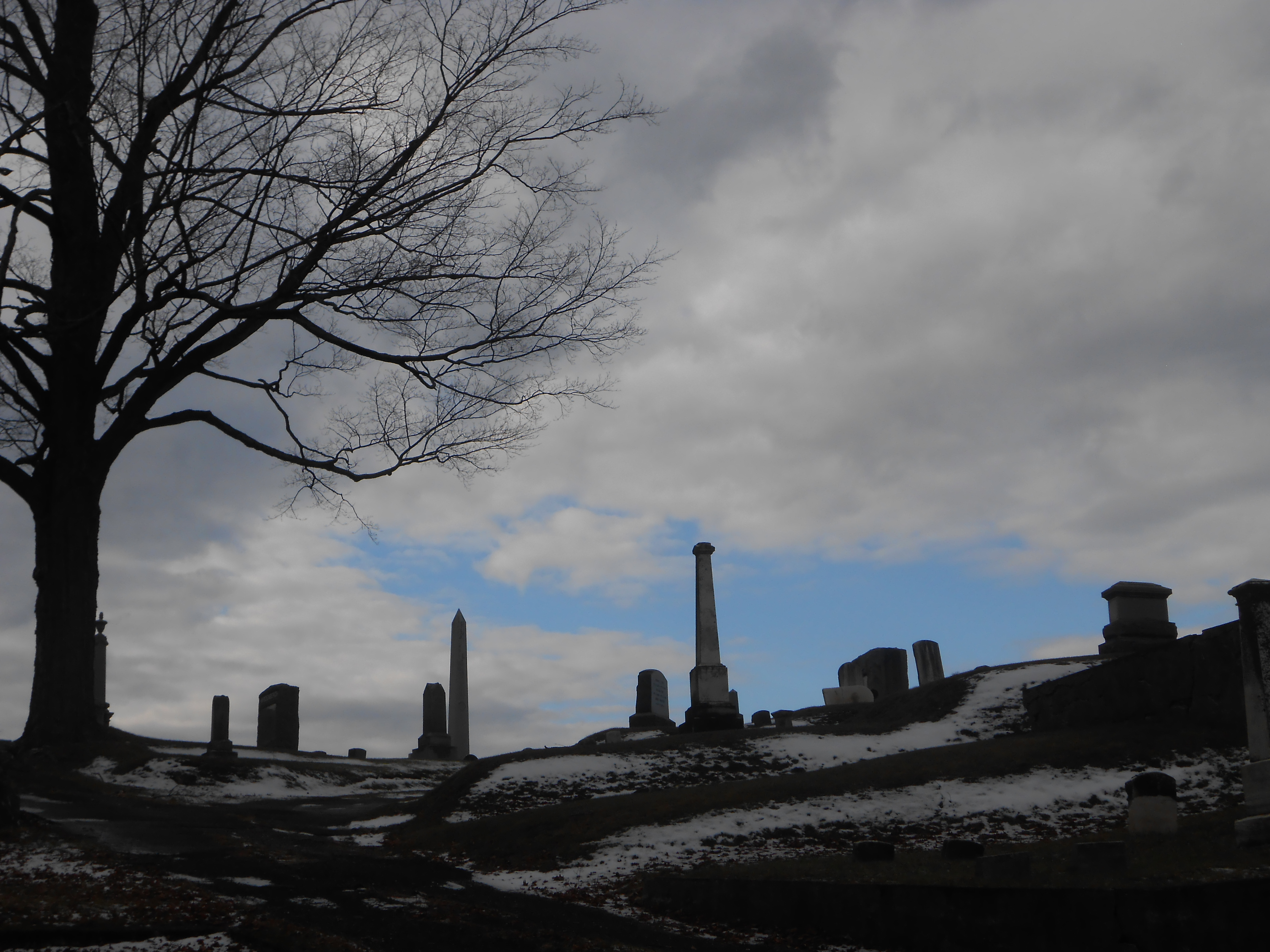
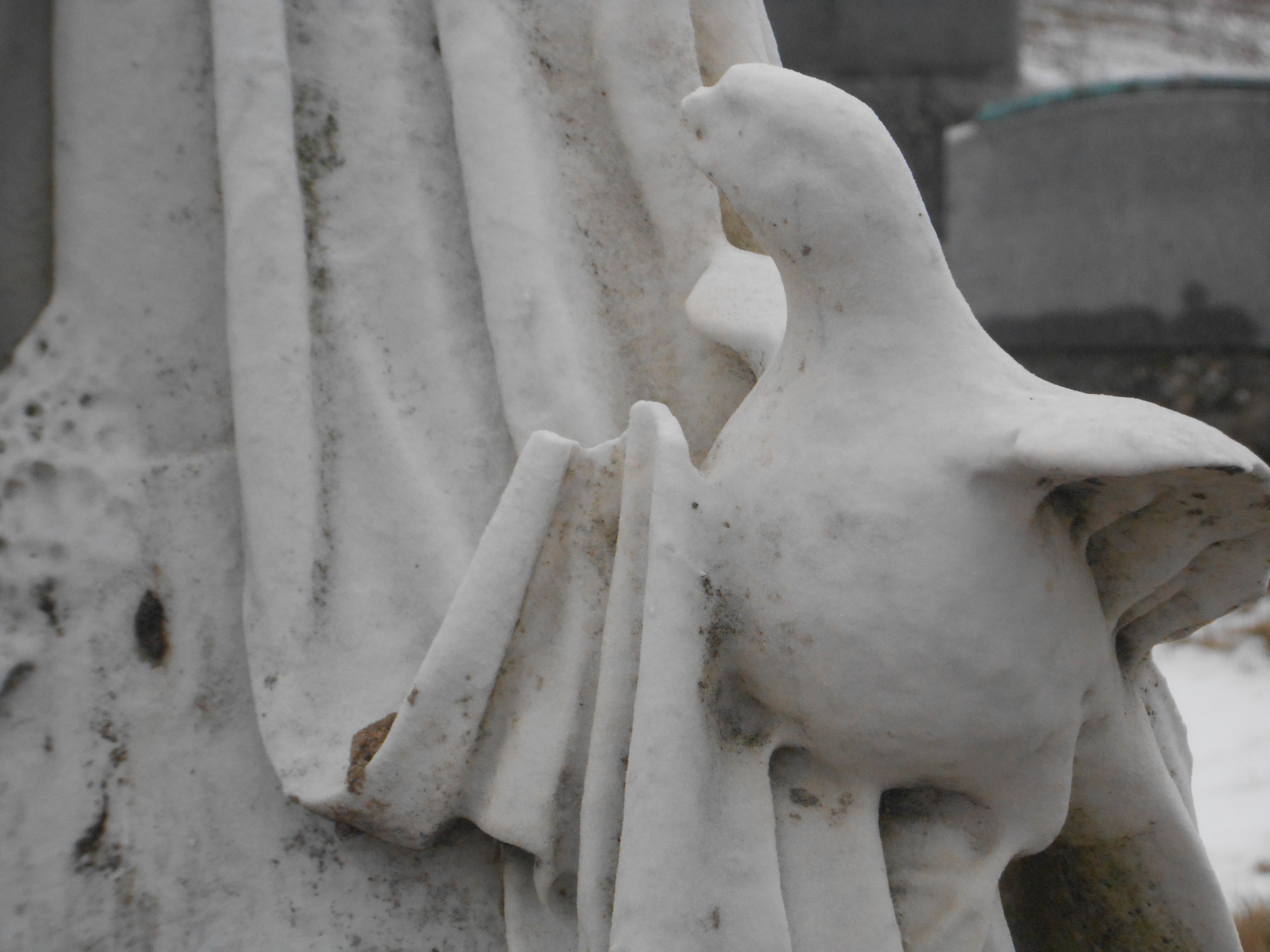 brutal western Massachusetts winds, rain,
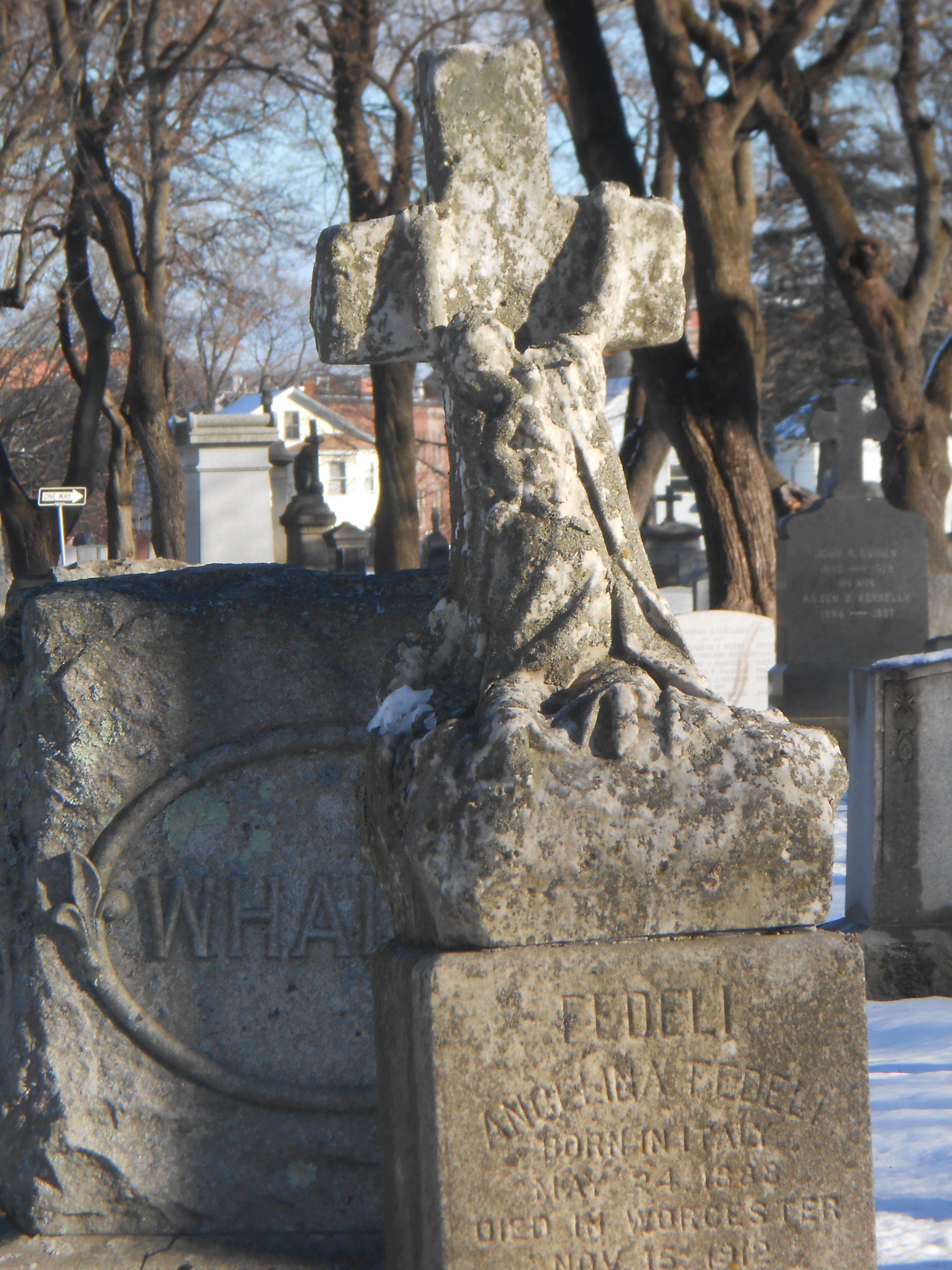
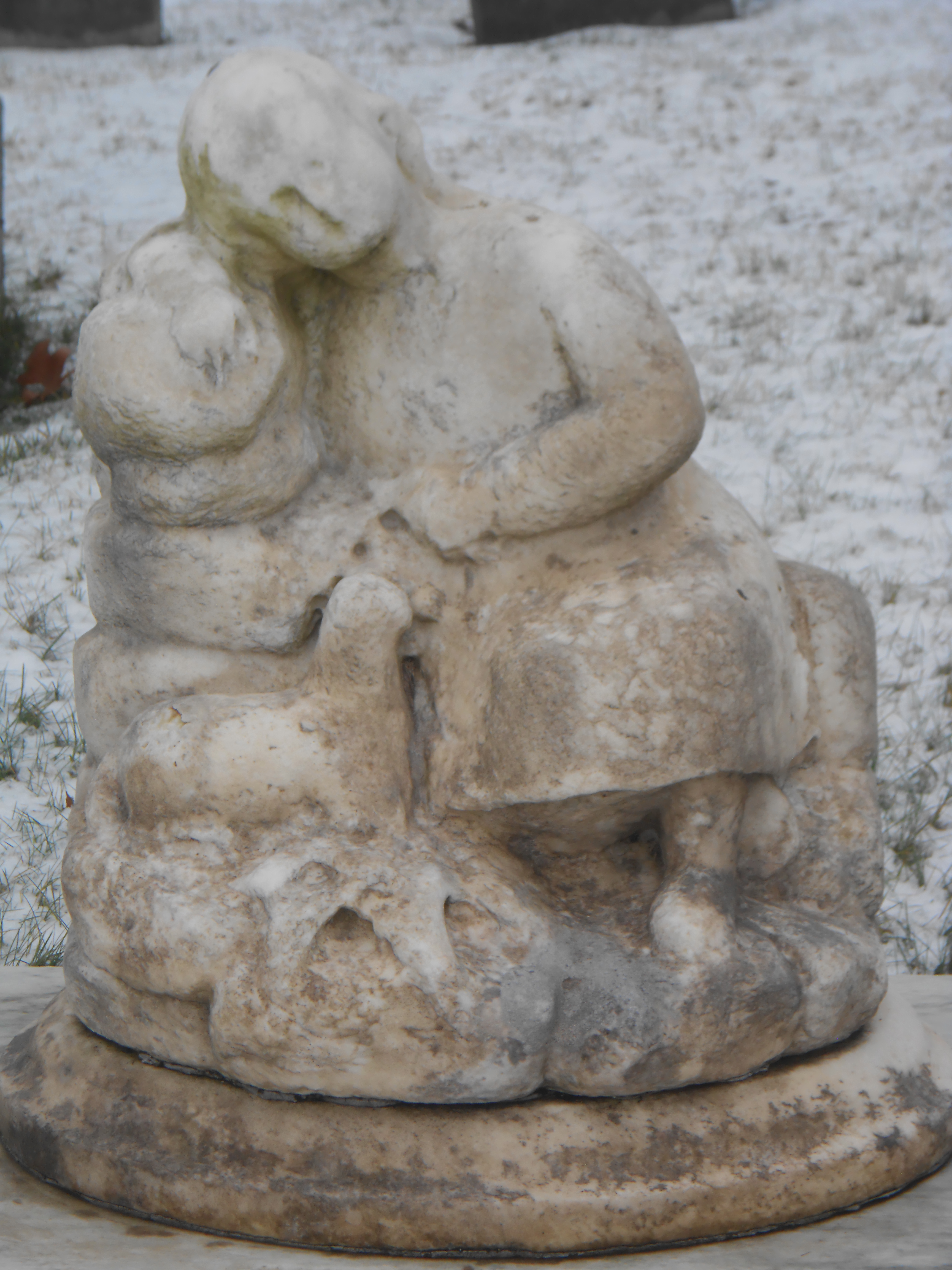 and snow have not been kind to them, gradually wearing them down to softened blurs in many cases. The dove embracing this shrouded cross has lost its distinctive features and now softly merges into the cross’s drapery. The child and the lamb, representing her innocence, have melted into the seat of broken rocks symbolizing her life cut too short, too soon. A
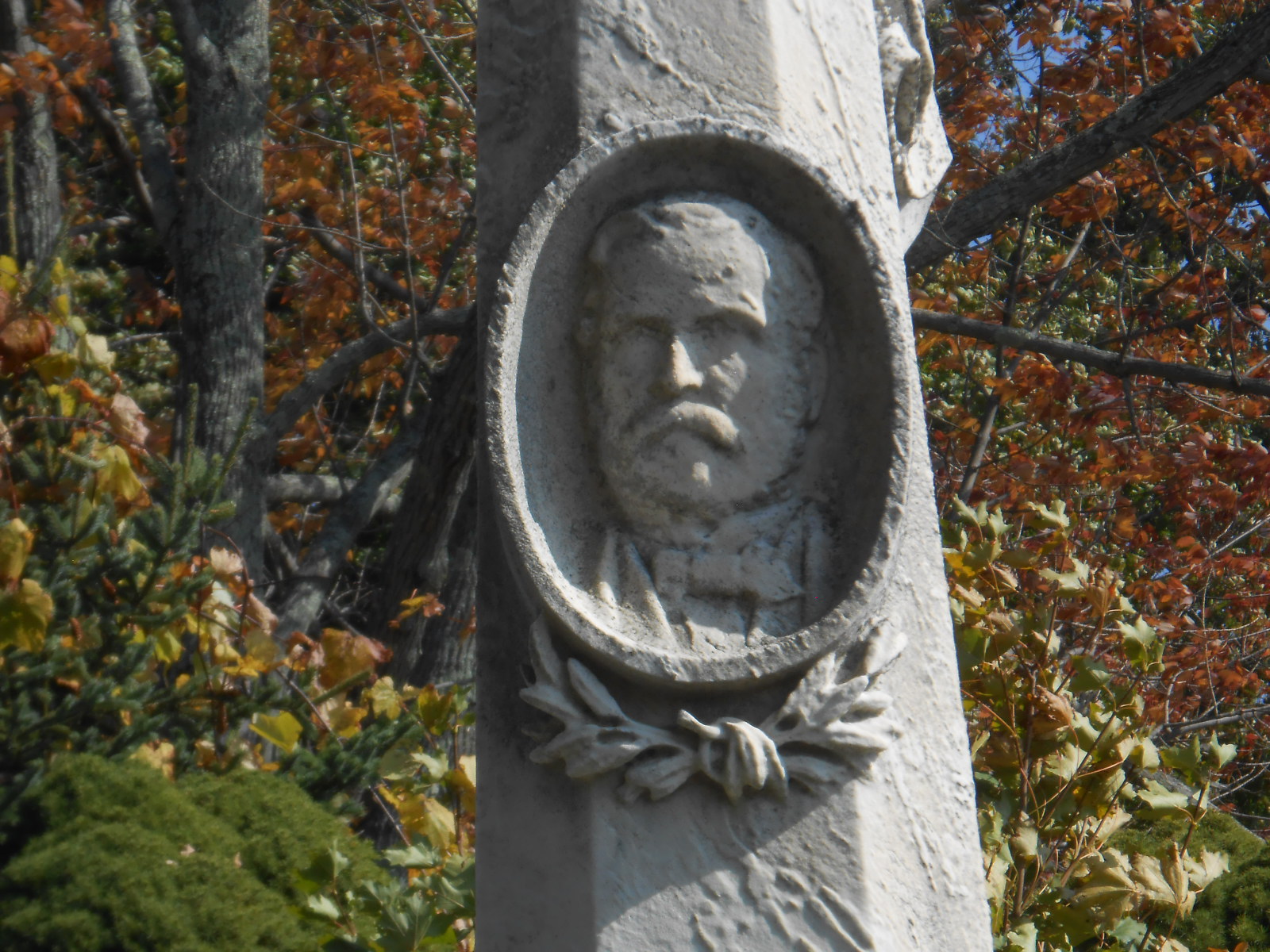
 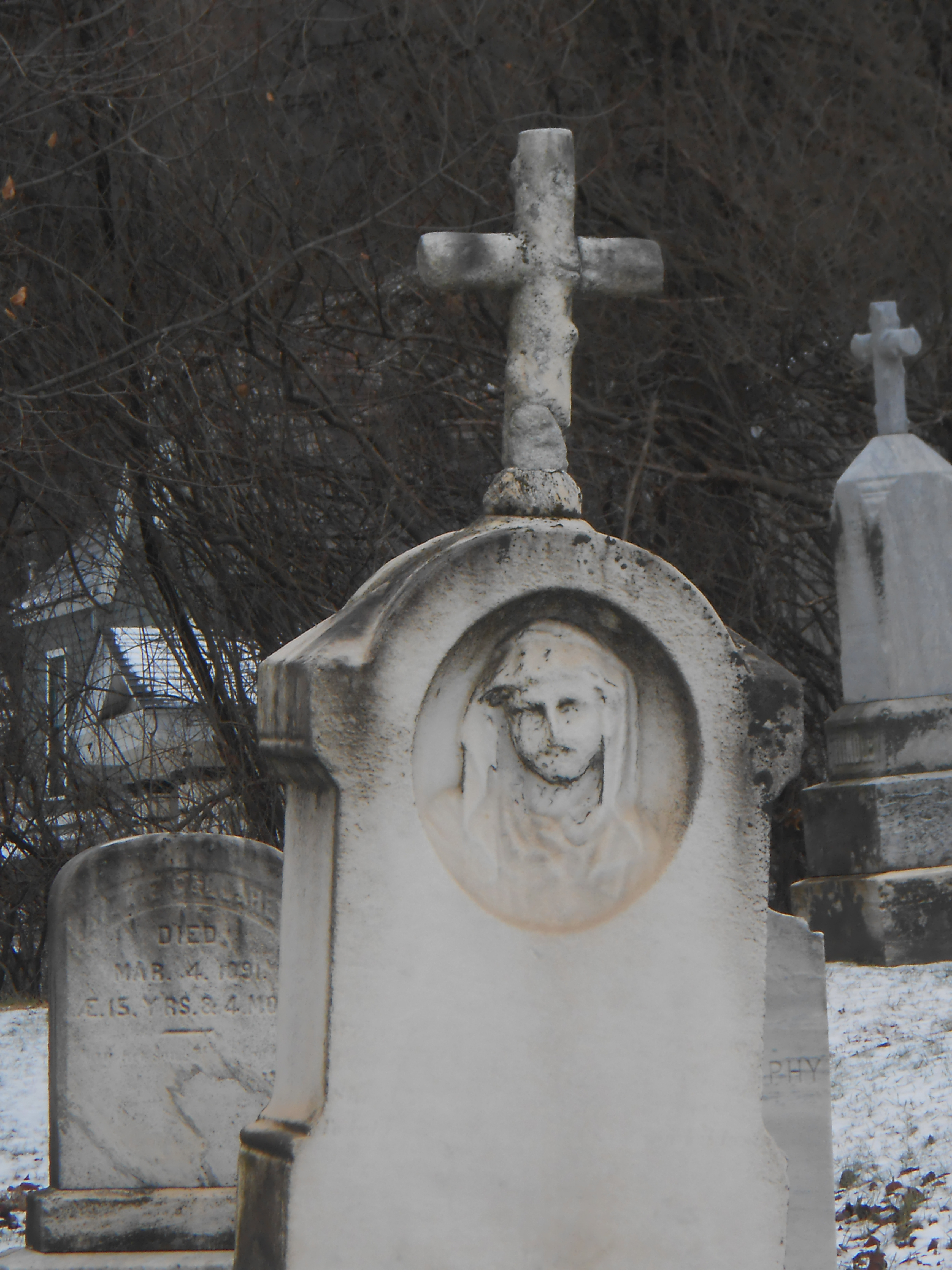 relief that should have preserved a woman’s identity in endurable stone for eternity has blurred her features into gentle vagueness. Even her identity in the form of name, family, and birth and death dates have been smoothed away to soft whiteness. A book of life’s secrets
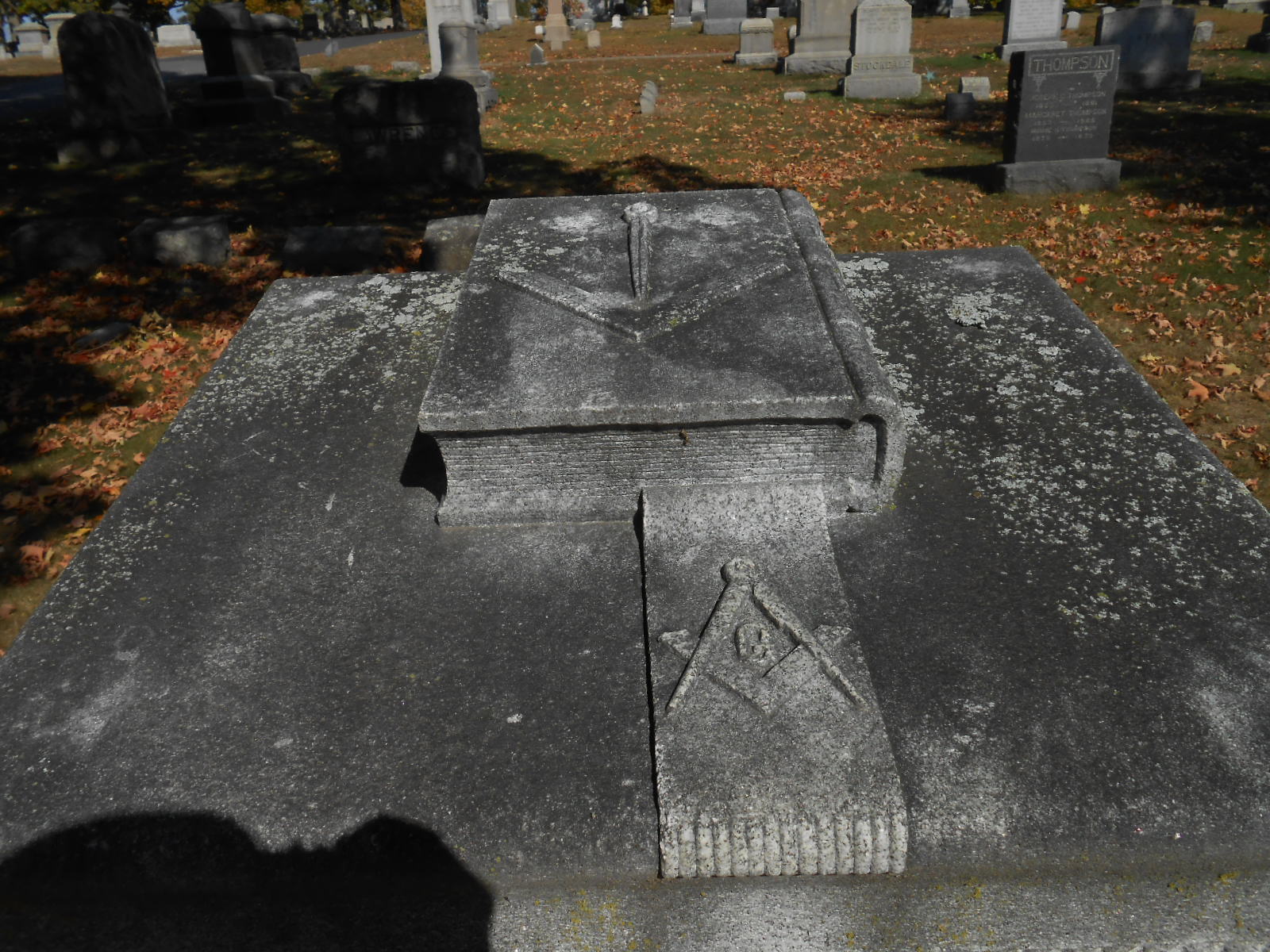
 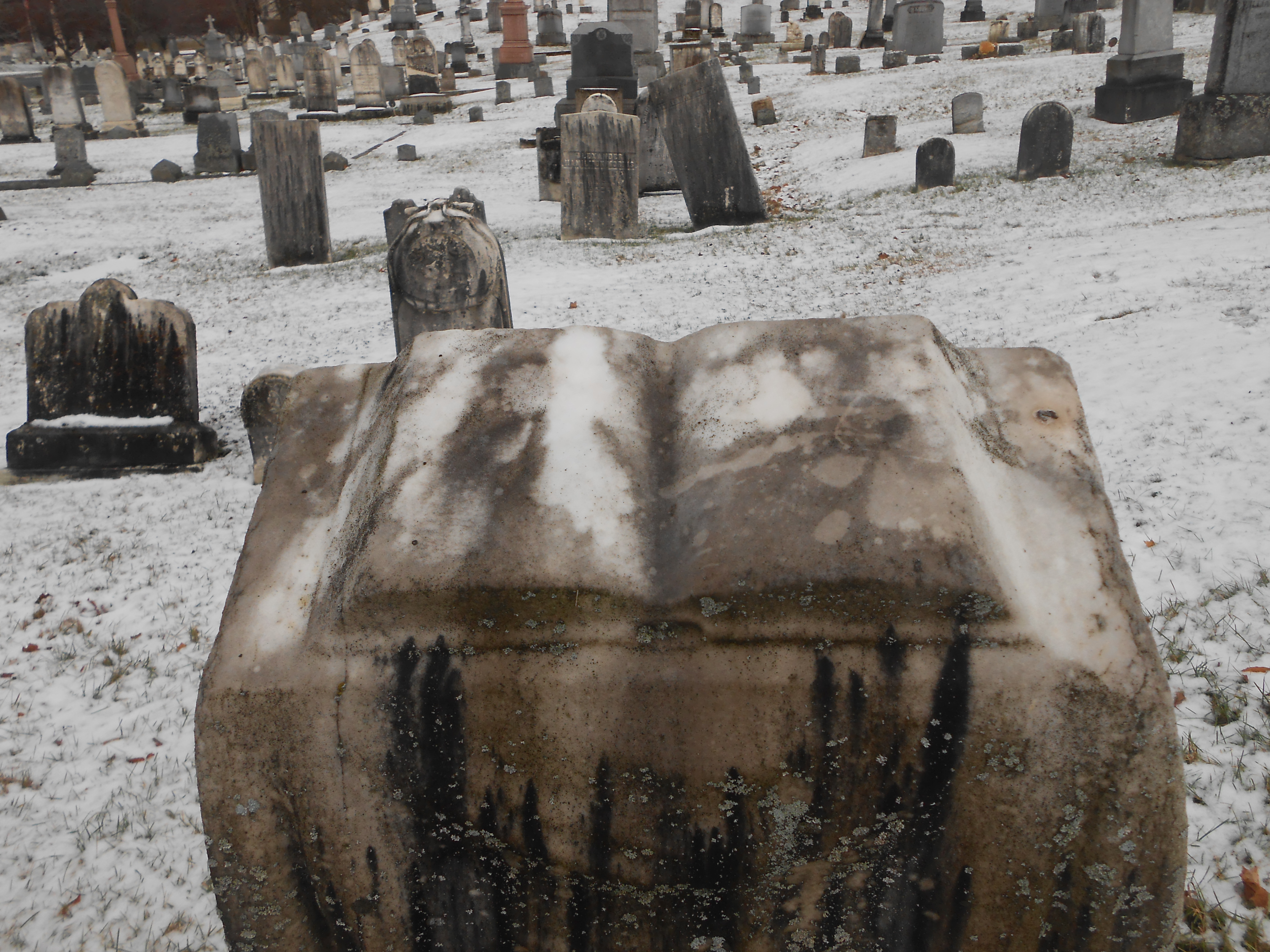 has subsumed its truths into a creamy blank of pages melted together, marked only by the stain of mold and decay. Or might this be an edition of the Necronomicon?
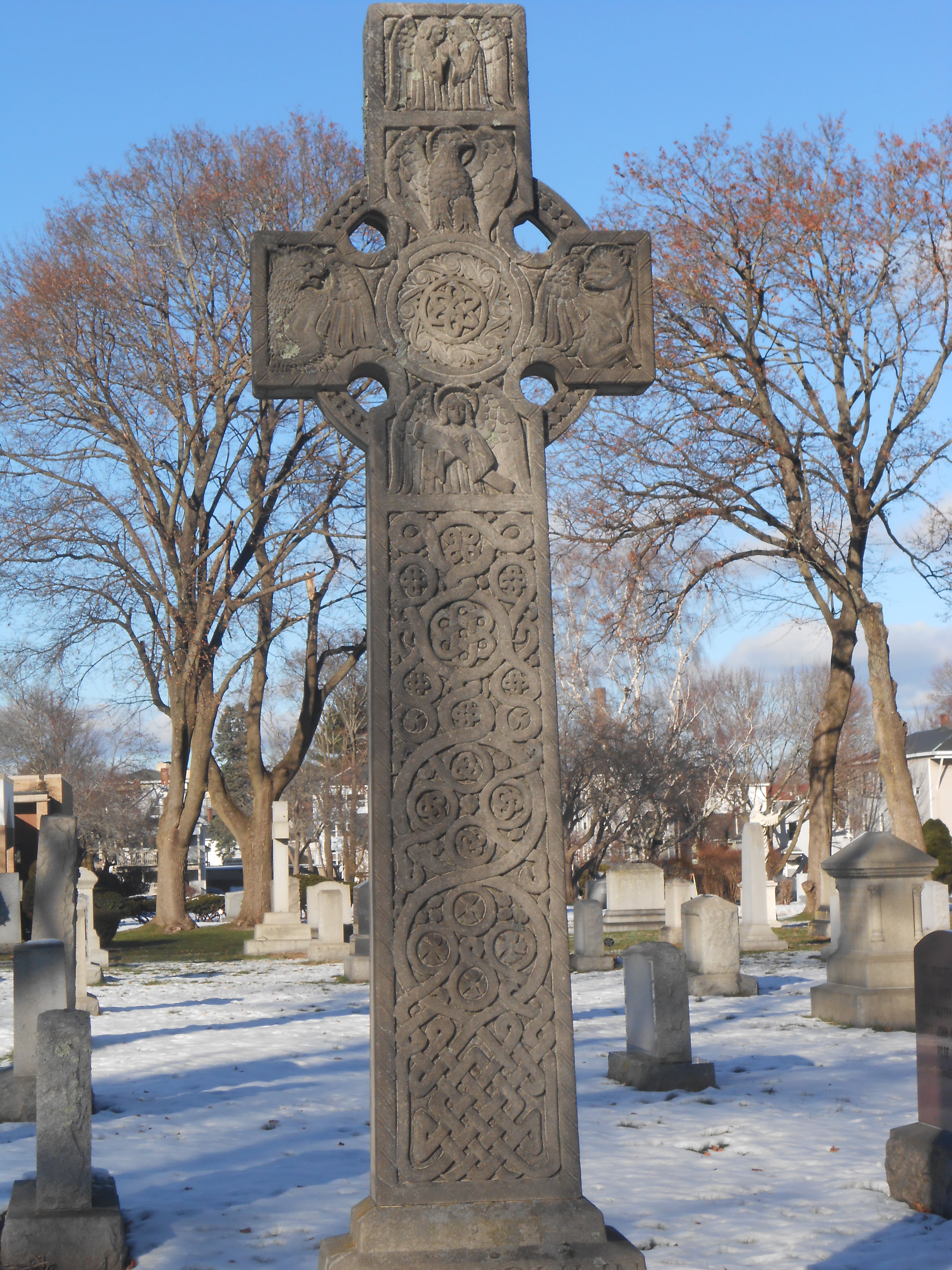
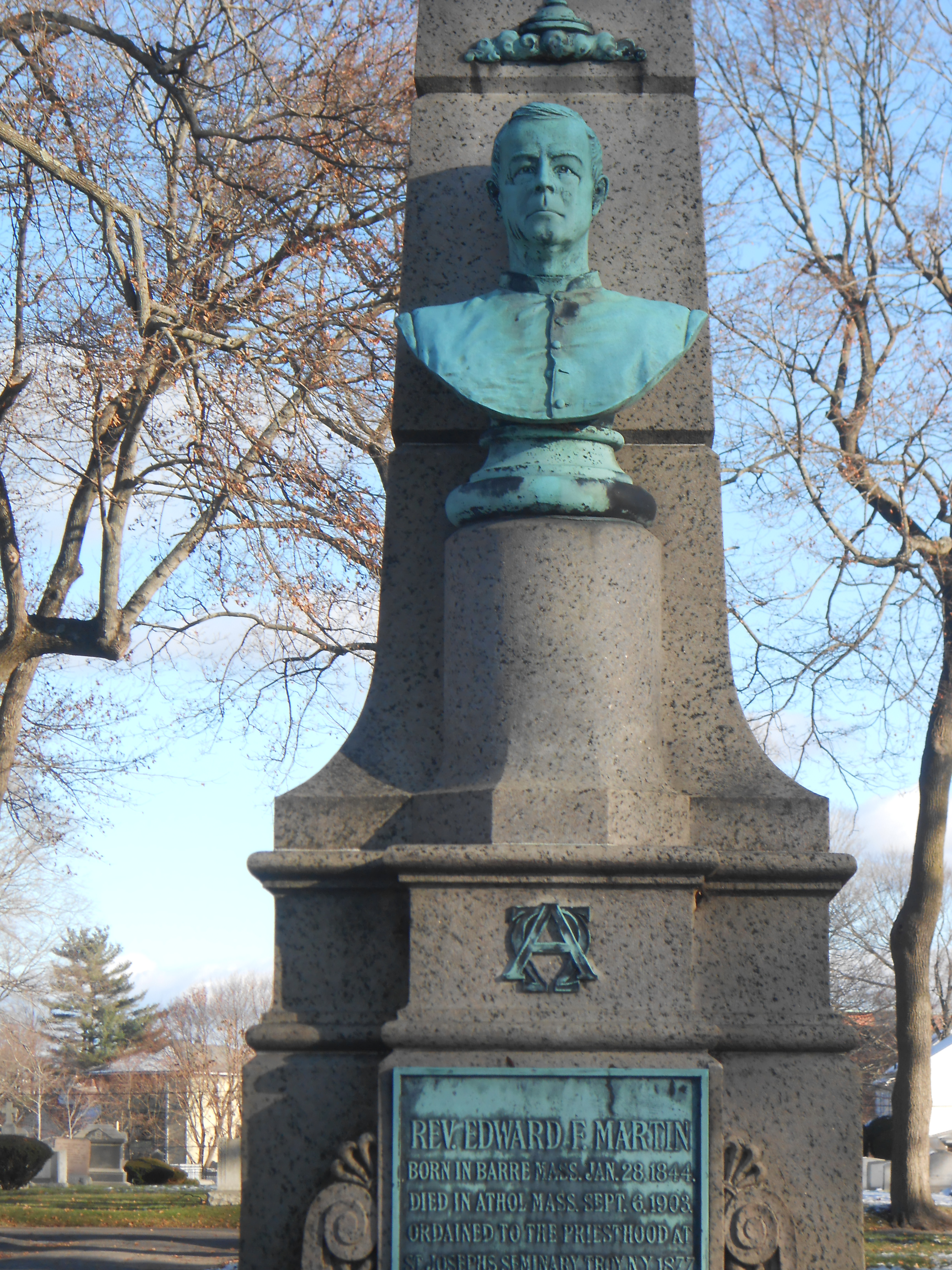
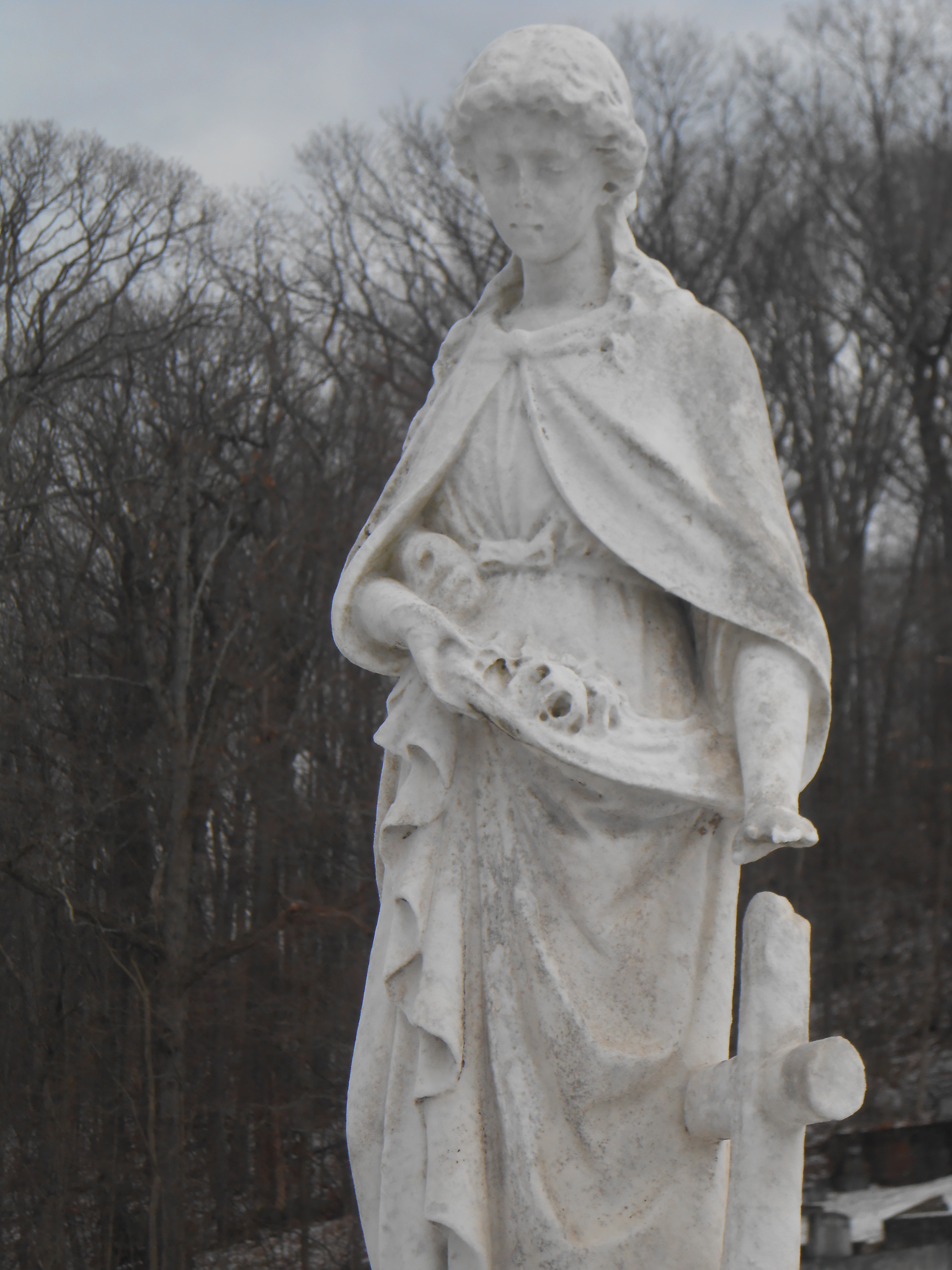 Of course there are also still striking images of angels and symbolic broken columns, some standing relentless against nature’s assault by winds, weather, and devouring by lichen and mold.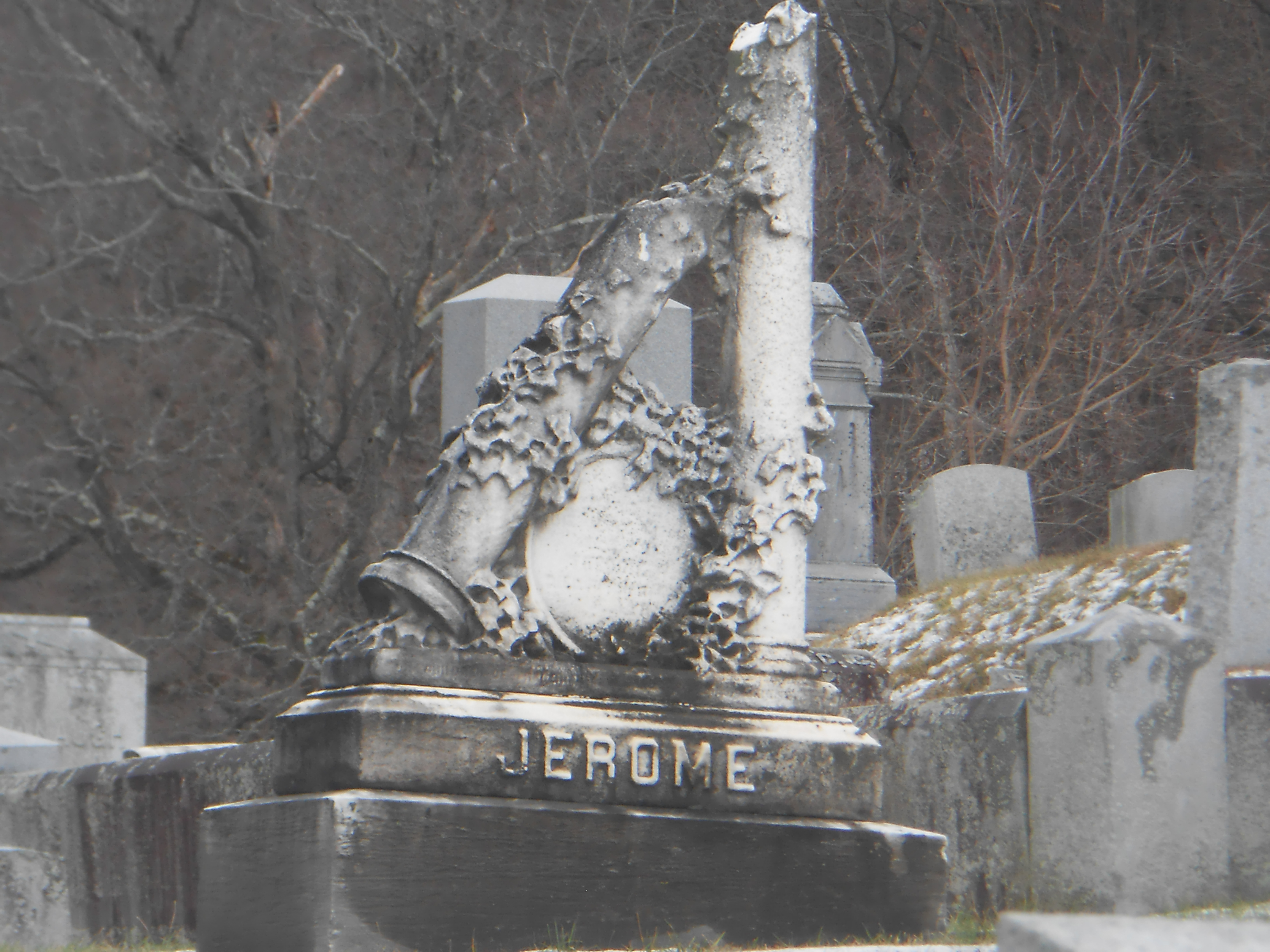

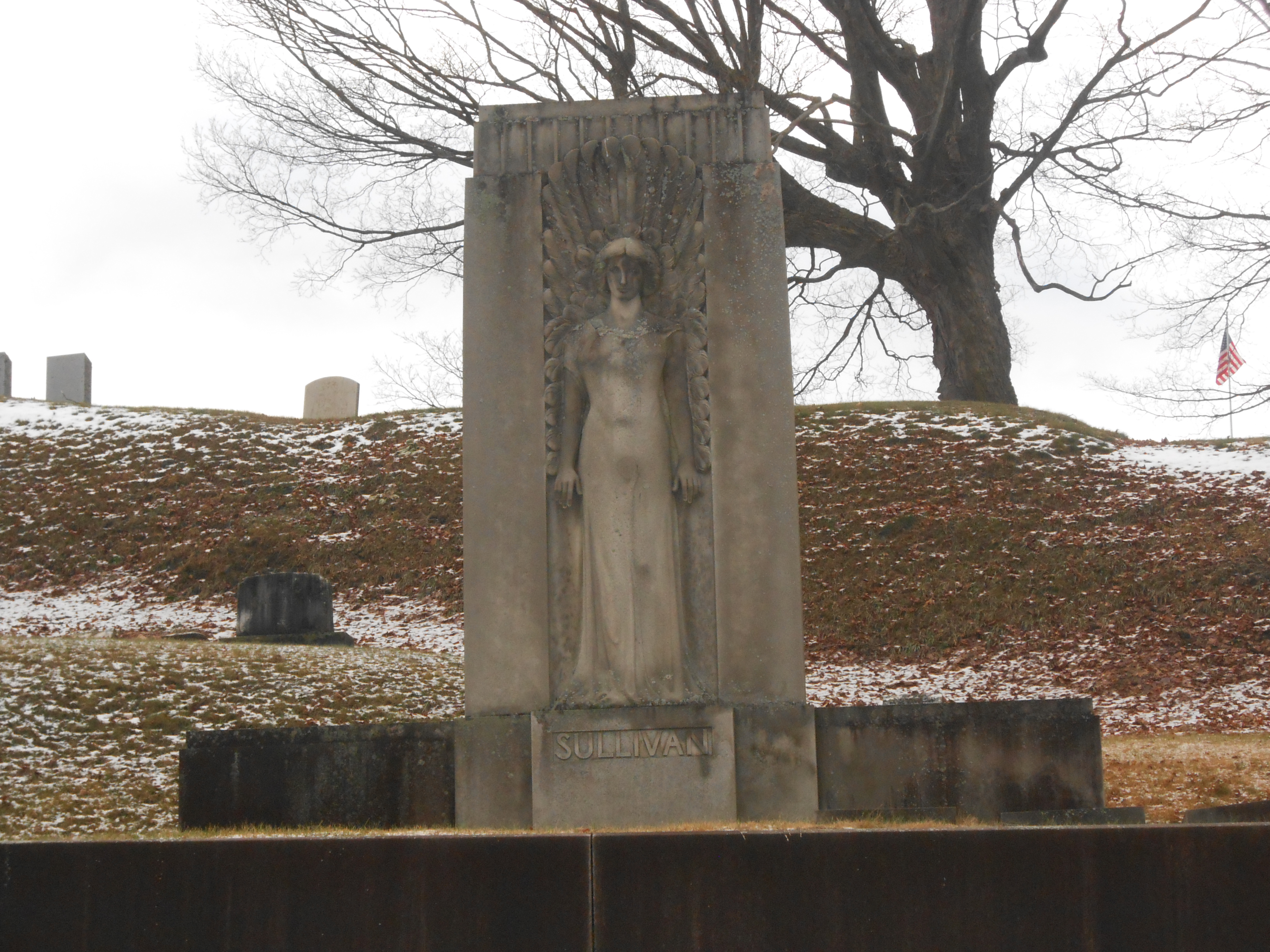 it is impressive, especially for the art deco angel guarding the resting bodies of the family beneath. There’s a wonderful starkness in its rising near the crest of the rolling hill, the dark tree grasping hungry branches at the sky beyond it.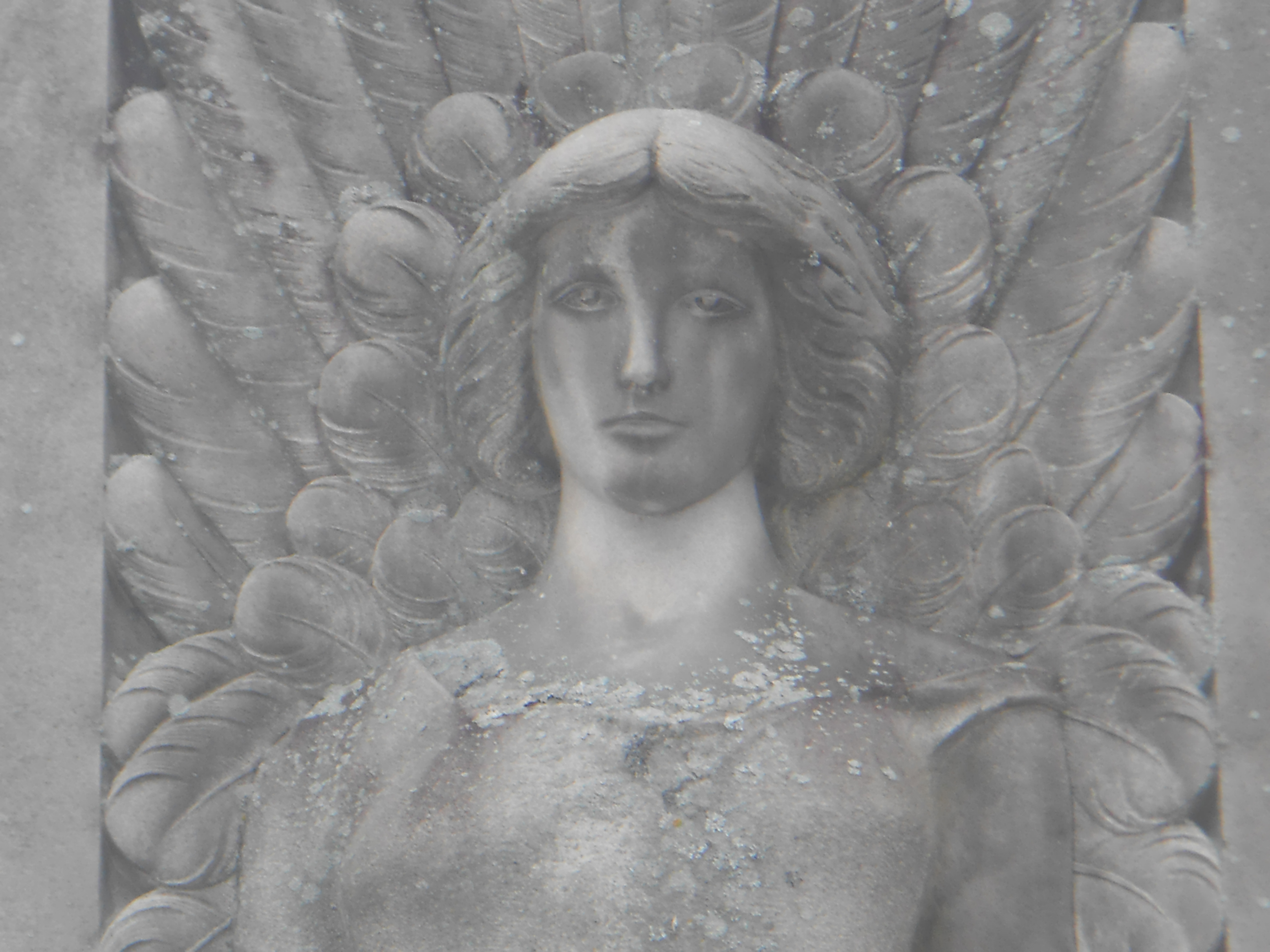























































 Sharon Healy-Yang