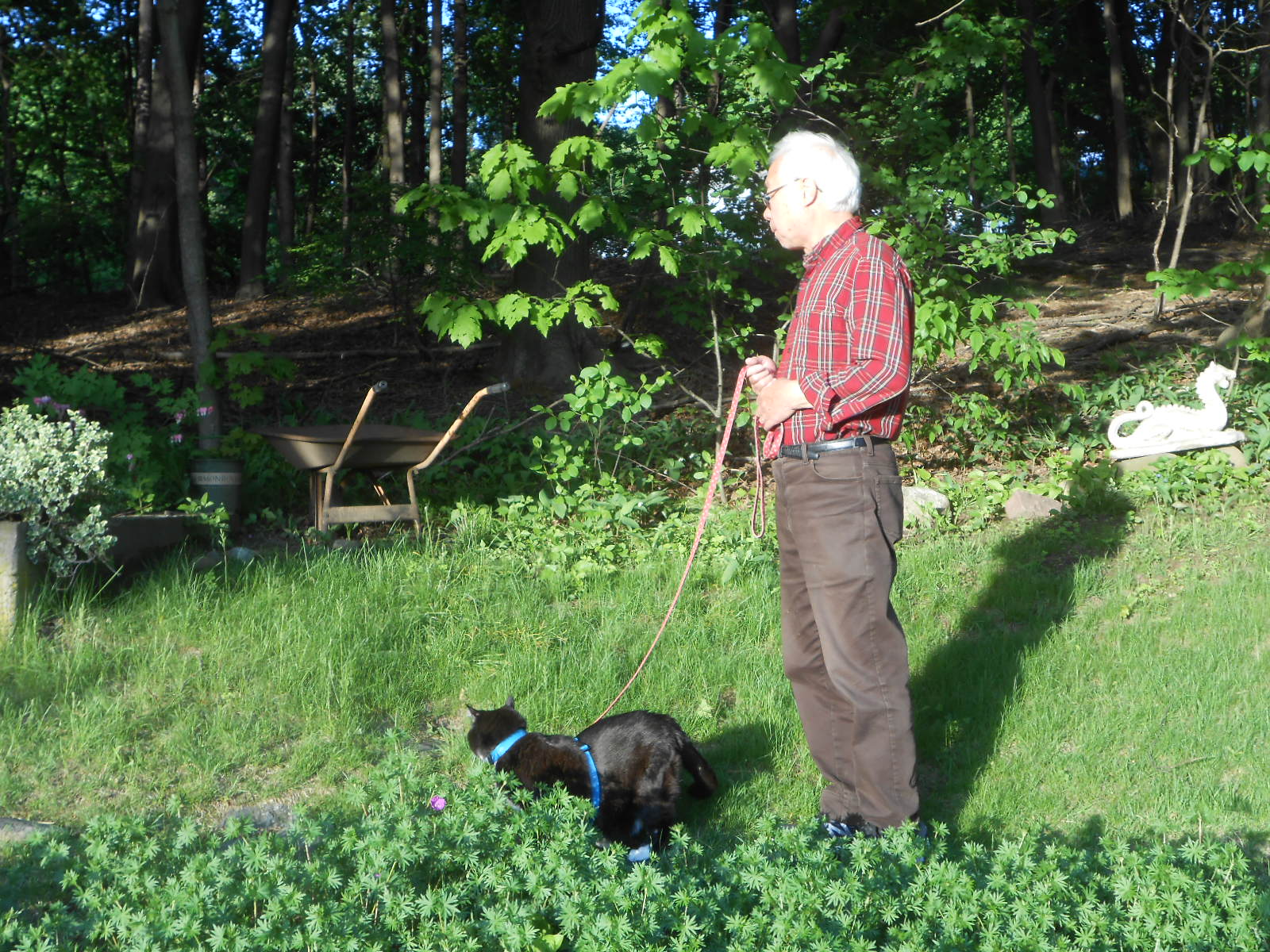
The birds are chirping, the flowers are blooming, the chipmunks are chipping, and the temperature is climbing – Natasha knows it’s time to shrug off her winter lethargy and return to exploring and patrolling the wilds of our yard.
|
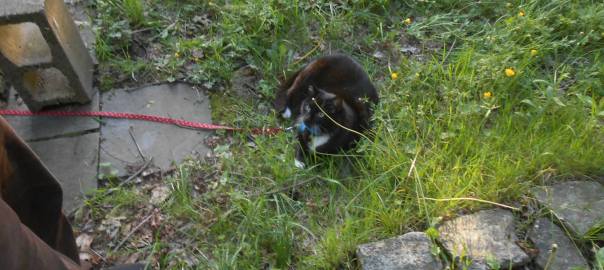
The birds are chirping, the flowers are blooming, the chipmunks are chipping, and the temperature is climbing – Natasha knows it’s time to shrug off her winter lethargy and return to exploring and patrolling the wilds of our yard.
|

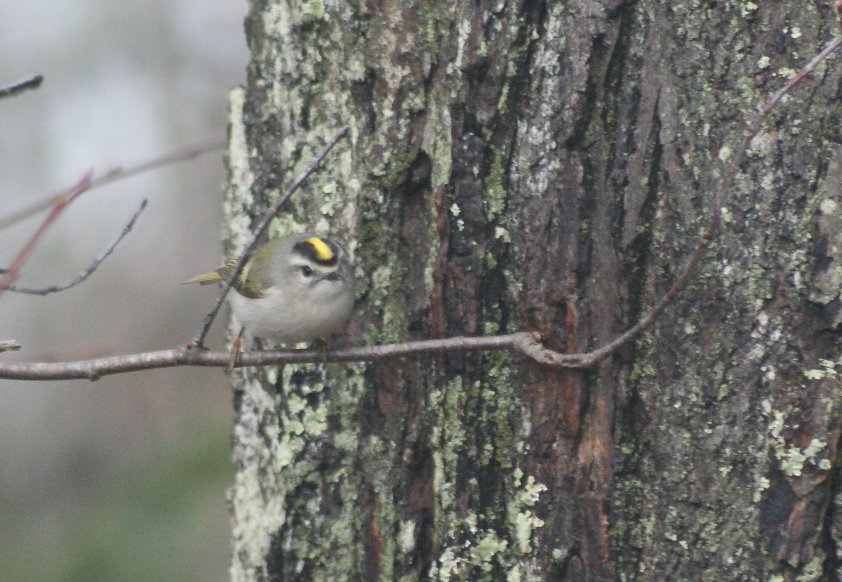 Well, this title isn’t entirely accurate. Many of the winter birds are still hanging out, as is the cold weather. Still, I thought I’d better post on some of our winter visitors before the air conditioners snap on and the Baltimore Orioles start Well, this title isn’t entirely accurate. Many of the winter birds are still hanging out, as is the cold weather. Still, I thought I’d better post on some of our winter visitors before the air conditioners snap on and the Baltimore Orioles start  sipping mimosas and fanning themselves. The first visit I want to mention was a local one: the Swedish Cemetery in Worcester. Here, we had the great pleasure of snapping some shots of Gold Crowned Kinglets. These cuties are awfully fast, so Yang actually managed to end up with a few shots of a tree where the bird had been a millisecond before. Nevertheless, he did get some nice photos, as you see. Some were even “action” shots like the one below! sipping mimosas and fanning themselves. The first visit I want to mention was a local one: the Swedish Cemetery in Worcester. Here, we had the great pleasure of snapping some shots of Gold Crowned Kinglets. These cuties are awfully fast, so Yang actually managed to end up with a few shots of a tree where the bird had been a millisecond before. Nevertheless, he did get some nice photos, as you see. Some were even “action” shots like the one below!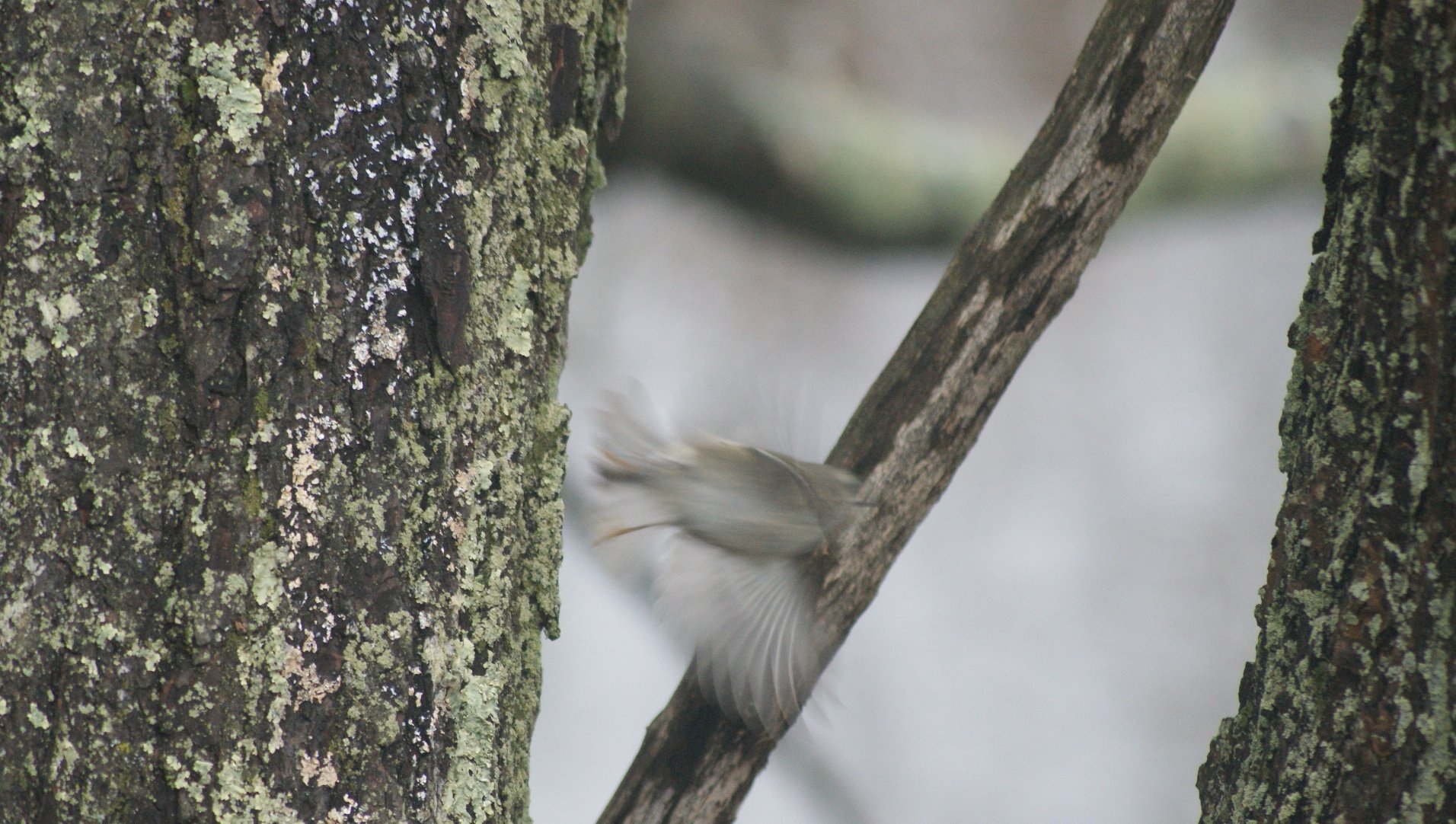
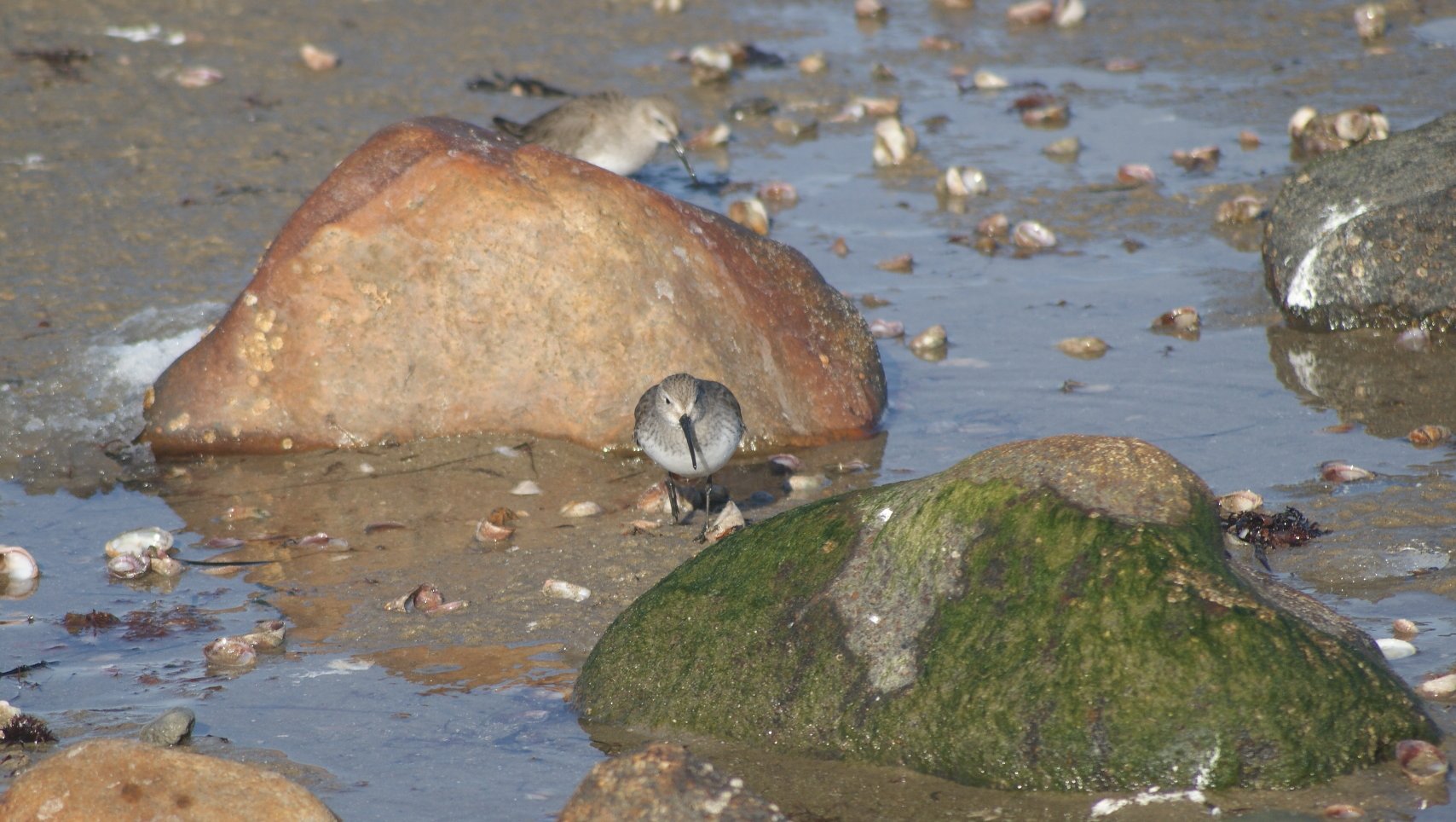
In January, we also made it to Gooseberry Island, one of our favorite spots. Though, for the first We also some adorable shore birds. The Dunlins were real cuties.
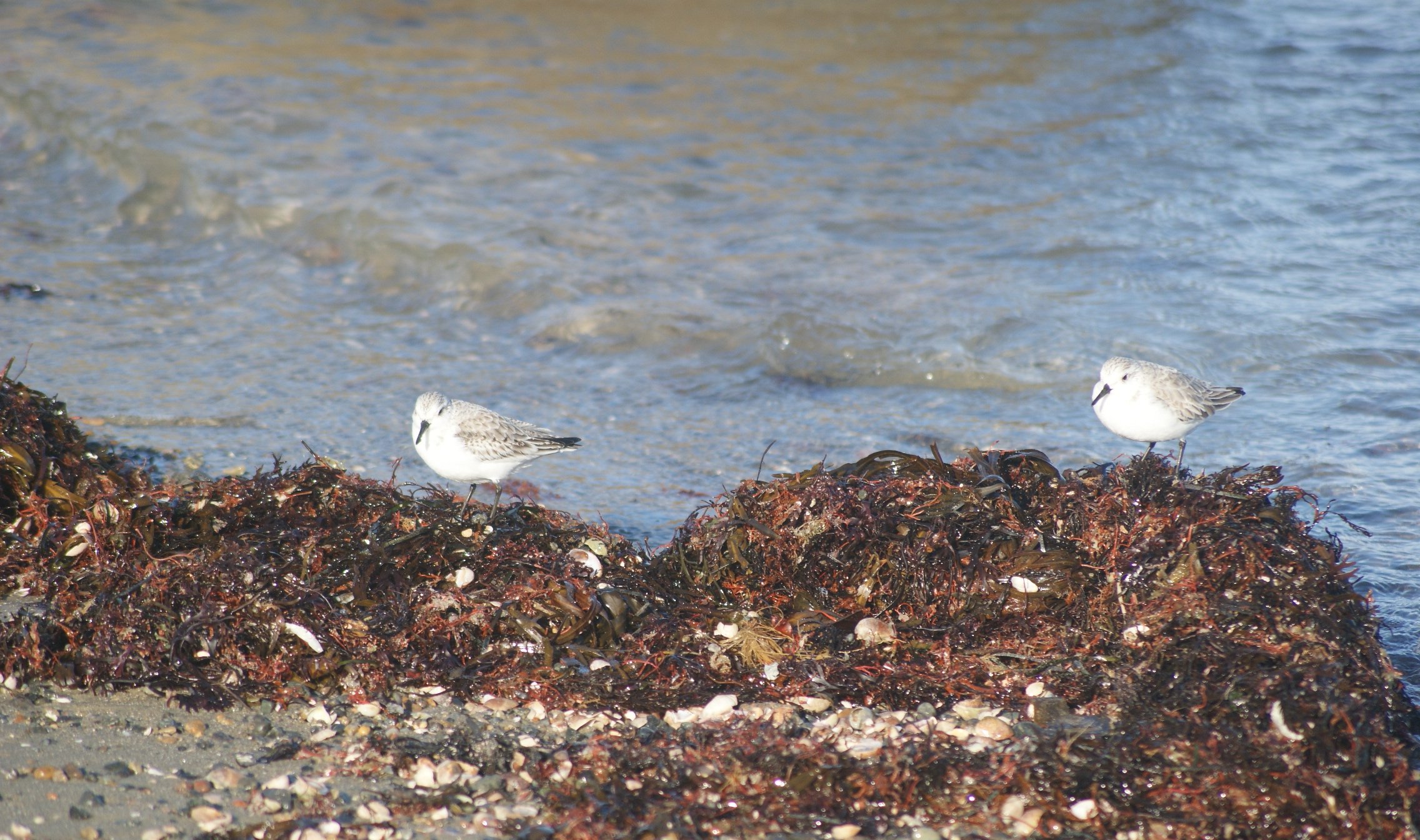
And the Sanderlings were no slouches, either!
We had to go to Halibut Point to see the Long-Tails and Harlequin Ducks.
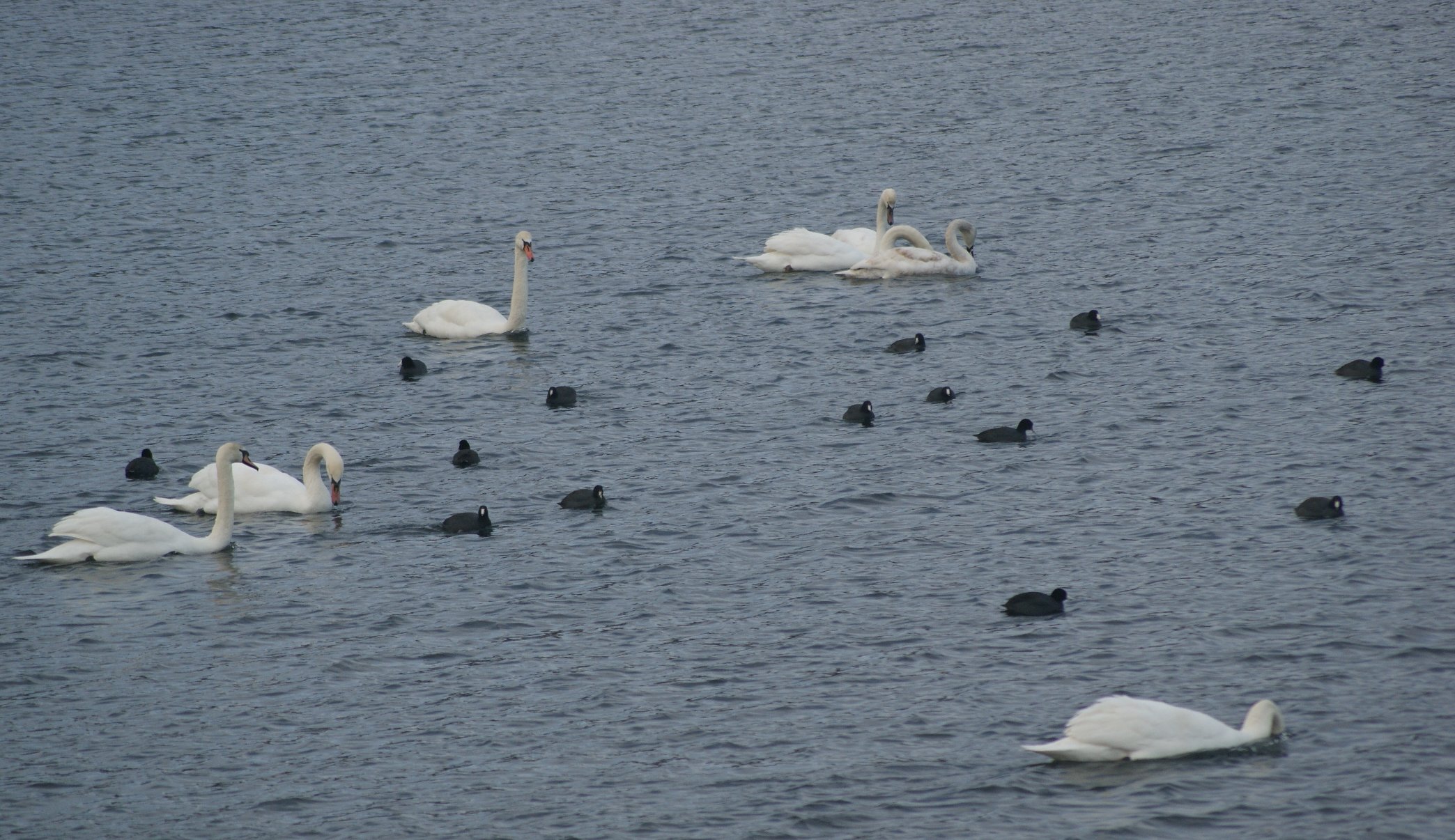
We also made to the Chestnut Hill Reservoir, where we saw many a different waterfowl. The Coots
Their bodies may be plump and take-off may be skittery, but the coot can fly!
Last report is on our visit to Meig’s Point in Connecticut in February. A week or so before, we’d gone there on an unseasonably warm Saturday – and, unfortunately, everyone else had the same idea. There were tons of people but hardly a bird to be seen. That was sad for Yang, because this was the place we always saw one of his favorites, the Horned Larks. So, we went back on a colder weekday a week or two later and guess what we saw?
We got to see a whole flock! We were so careful to approach them quietly, because these guys are very shy. The the flock will fly off in a winged shape, much like the Snow Buntings that we saw on Deer Island. It’s so neat to see that sweep of black feathers giving them a “horned” appearance, with that splash of chartreuse on their faces. As you can see, it’s hard to pick them out with the way their brown feathers blend them in with the winter seared grass. If you click on the photo, you’ll get a better look. We didn’t just see the larks, though. I wasn’t able to get a picture, but I did see a female Ruby-
So, winter may be past, or passing, but we did get some nifty bird sightings in!
|

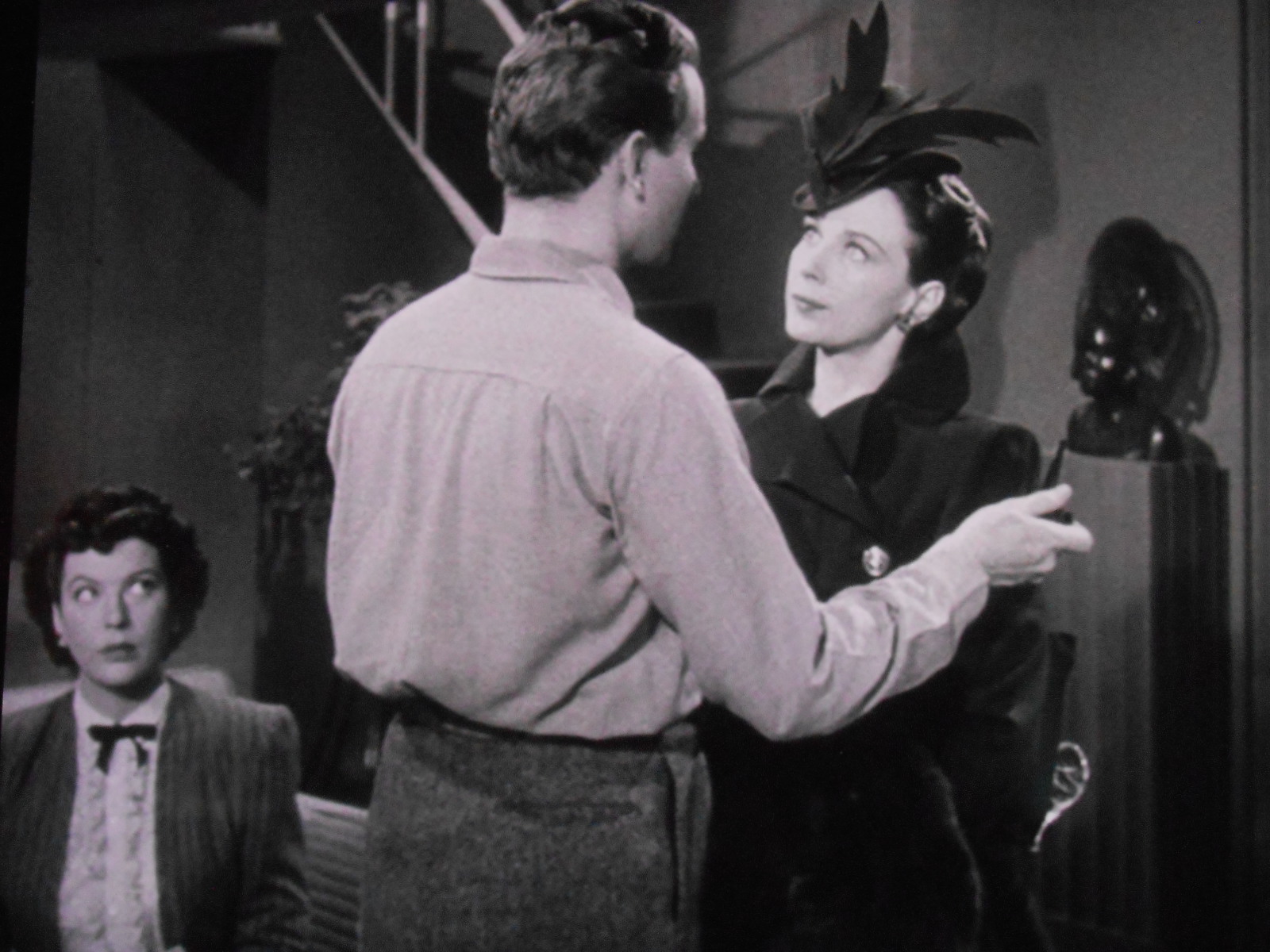
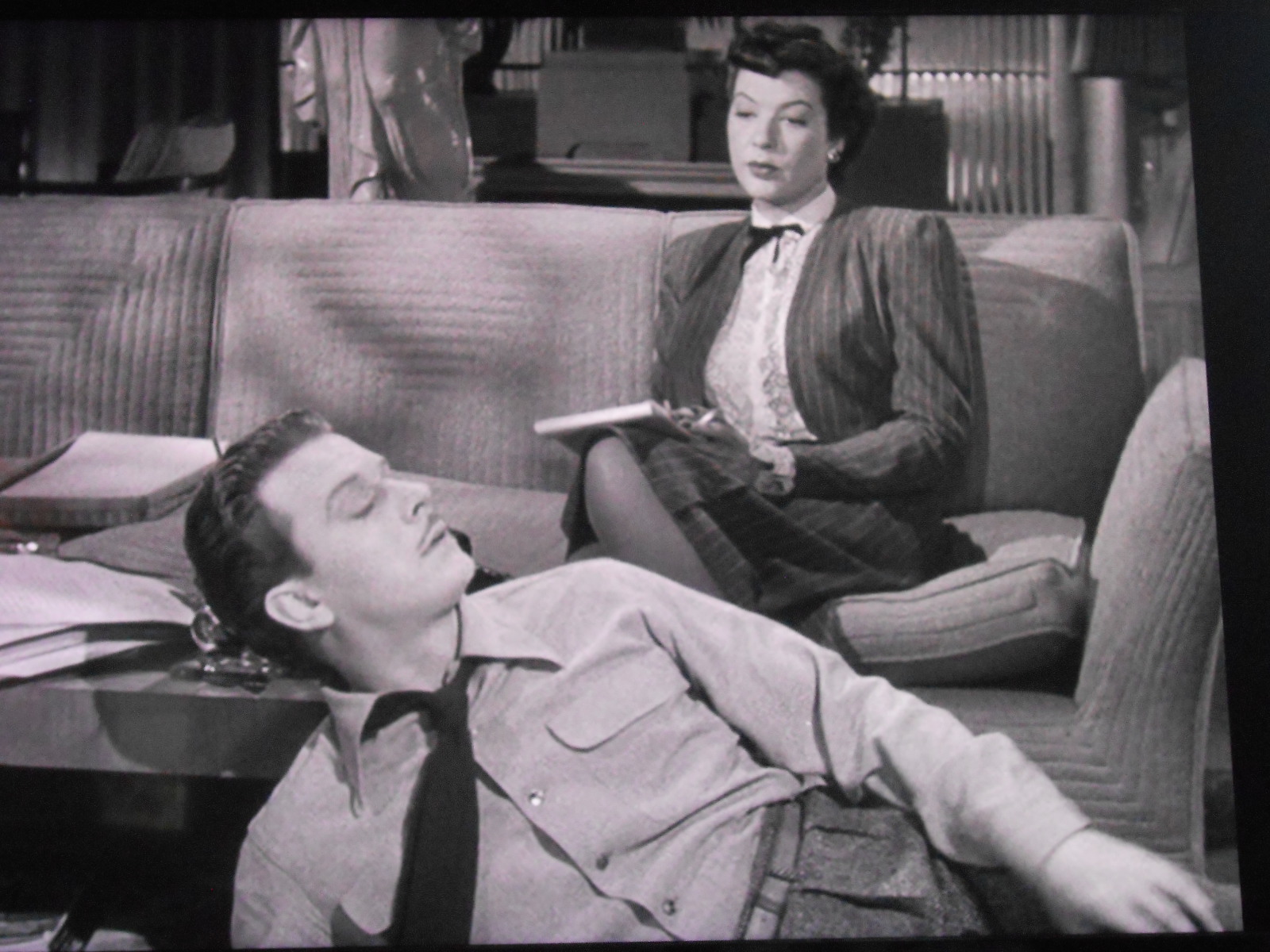
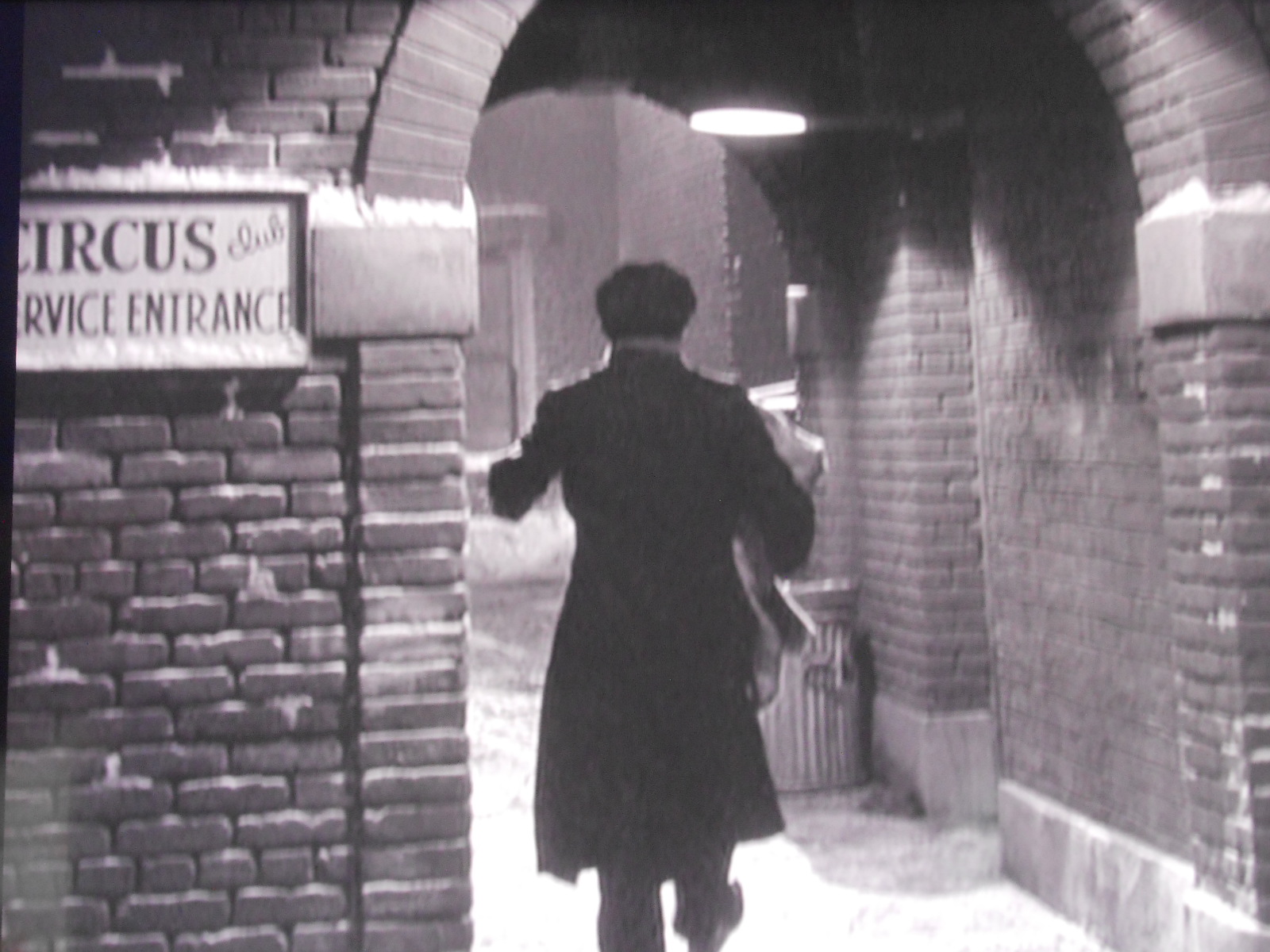
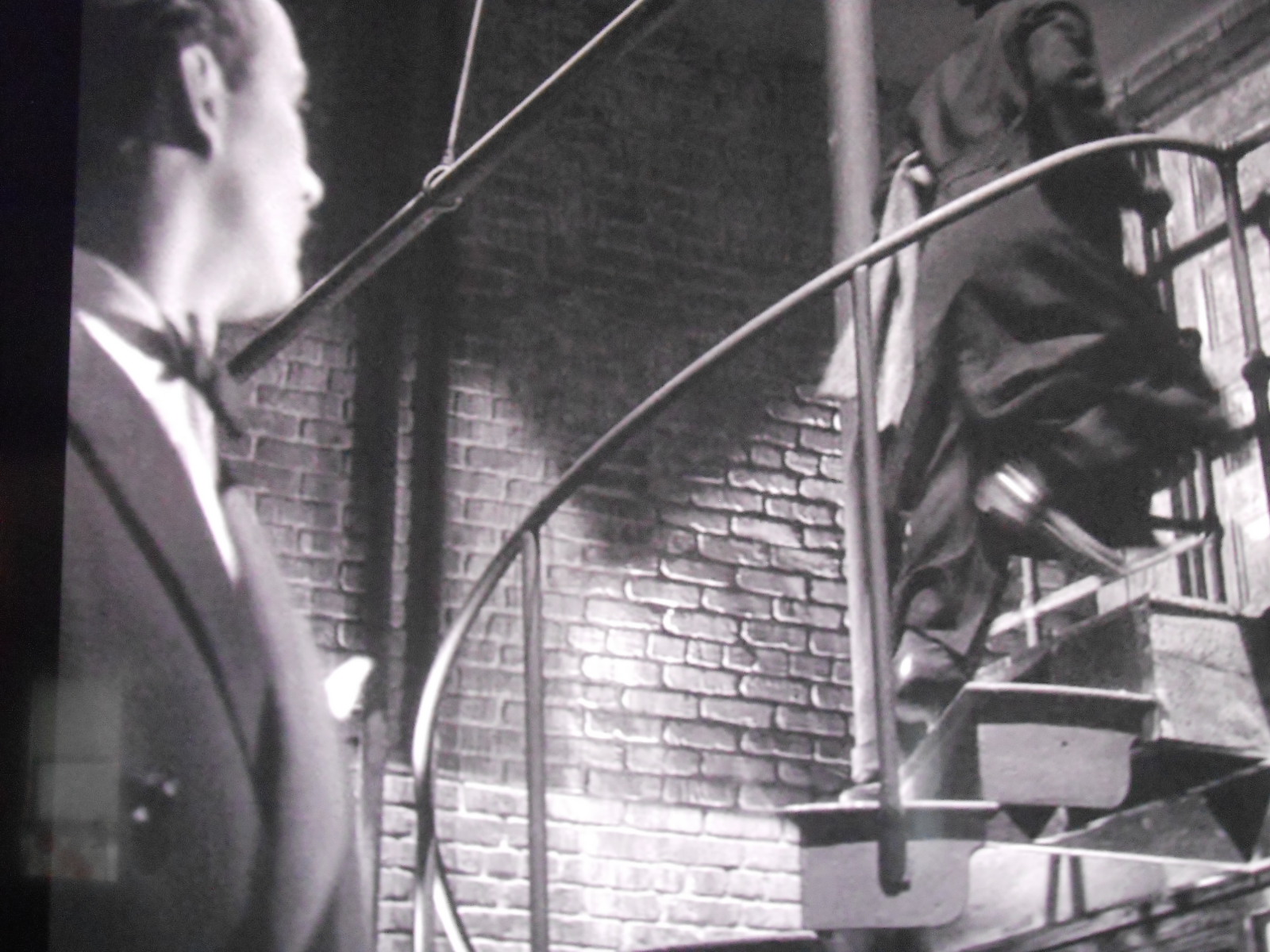
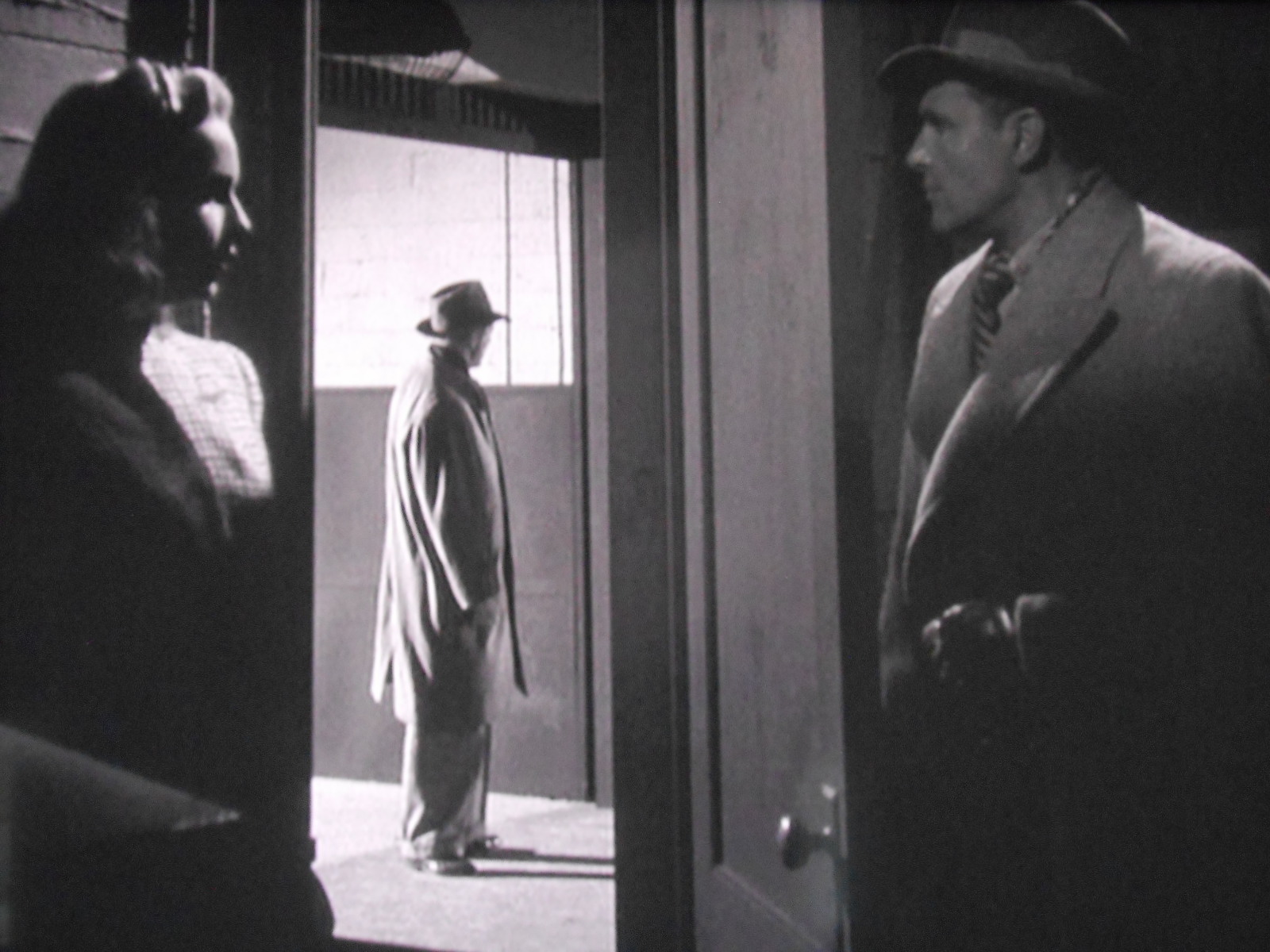
Lady on a Train is more comedy than mystery; however, it possesses some nice dark touches that  give its holiday setting a noir flavor. The opening title cars starts us off with the blacks and greys, stark lines, and and dusky darkness of falling night so characteristic of noir. The essential plot gives us Nicki Collins (Deanna Durbin), a sassy San Francisco heiress, witnessing a murder from her compartment window as her train pauses before chugging into New York’s Grand Central Station shortly before Christmas. The image through her window is perfect noir. An old man give its holiday setting a noir flavor. The opening title cars starts us off with the blacks and greys, stark lines, and and dusky darkness of falling night so characteristic of noir. The essential plot gives us Nicki Collins (Deanna Durbin), a sassy San Francisco heiress, witnessing a murder from her compartment window as her train pauses before chugging into New York’s Grand Central Station shortly before Christmas. The image through her window is perfect noir. An old man  arguing with a overcoated and fedored form lowering over him. When the old man angrily turns his back, the menacing figure spots a crow bar on the table, pulls down the window shade without facing the outside, and then bludgeons his victim, visible only through silhouette on the drawn shade. arguing with a overcoated and fedored form lowering over him. When the old man angrily turns his back, the menacing figure spots a crow bar on the table, pulls down the window shade without facing the outside, and then bludgeons his victim, visible only through silhouette on the drawn shade.  All just before the train pulls out and rushes toward the station. All just before the train pulls out and rushes toward the station.
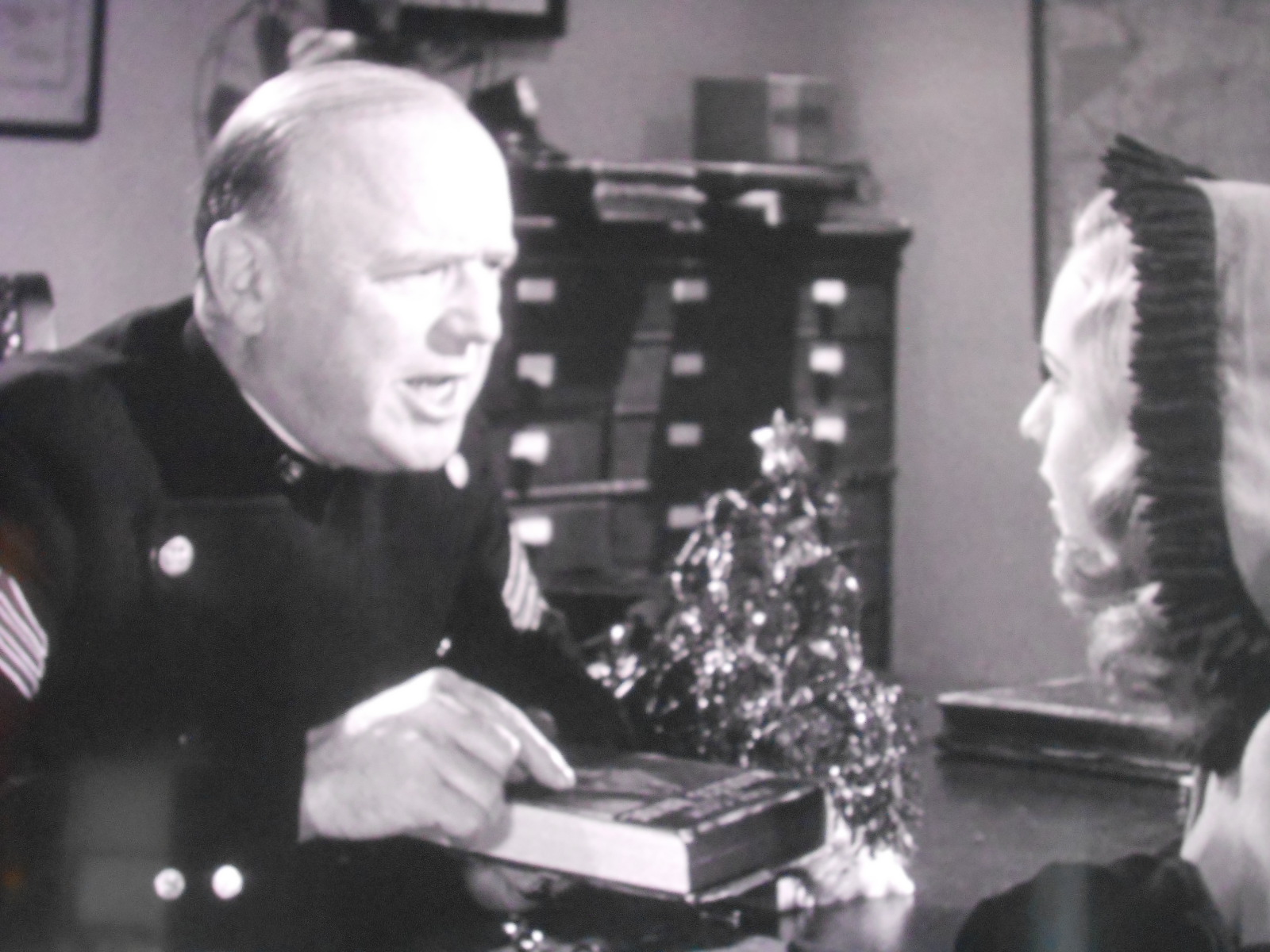
Of course, no one really believes Nicki when she tries to sound the alarm, not fussy factotum Edward
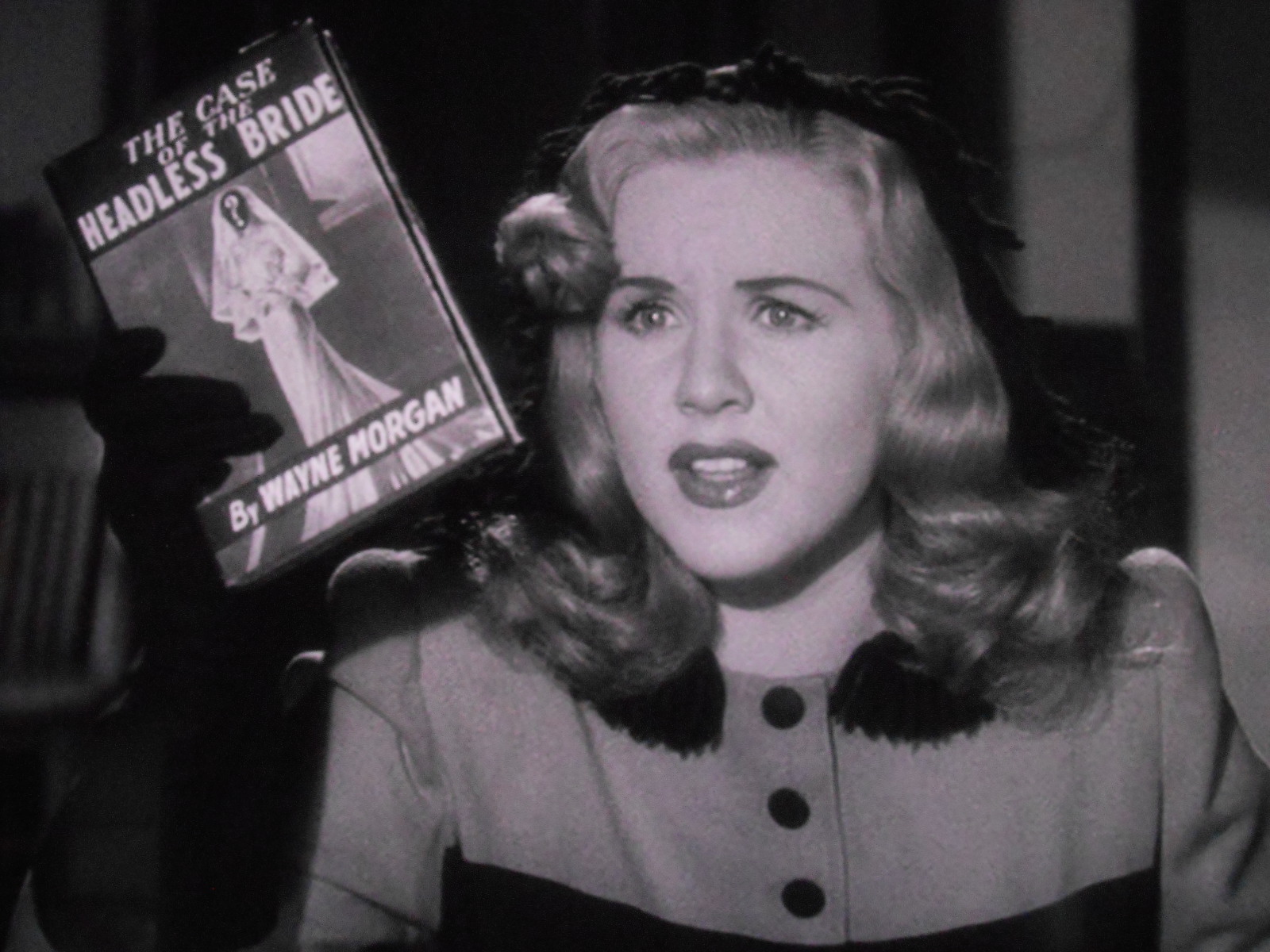
So, what is our undaunted heroine’s next step? Why, track down that mystery author, Wayne Morgan, to help her solve the crime. Played by David Bruce, the author does not appreciate her throwing this strange tale in his lap and expecting him to solve the murder – especially since she hounds him by interrupting his meeting with his fiancee and then tracking the writer and fiancee to
One particular sequence squarely fits the noir motif when Durbin inadvertently lets slip as she rides
The mystery author does arrive on the scene to save our heroine; however, his doing so brings chuckles as well as anxiety over the result. So, how is this playful take on noir a Christmas movie? Well, we did see that Nicki arrives near Christmas Eve, and there are trees all over the place in this one – including the one that allegedly did in our murder, correction, our first murder victim. Lots of snow as well. Maybe the best connection is the lovely version of “Silent Night” that Durbin sings to her Dad over the phone. Check it out here. Anyway, it’s a nifty noir to drive away the holiday blues. If you want to see Durbin do full on Christmas Noir (more noir than Christmas, though), check out her and Gene Kelly playing against type in Christmas Holiday. Screen shots by author from the film Lady on a Train, Universal films, copyright 1944.
|
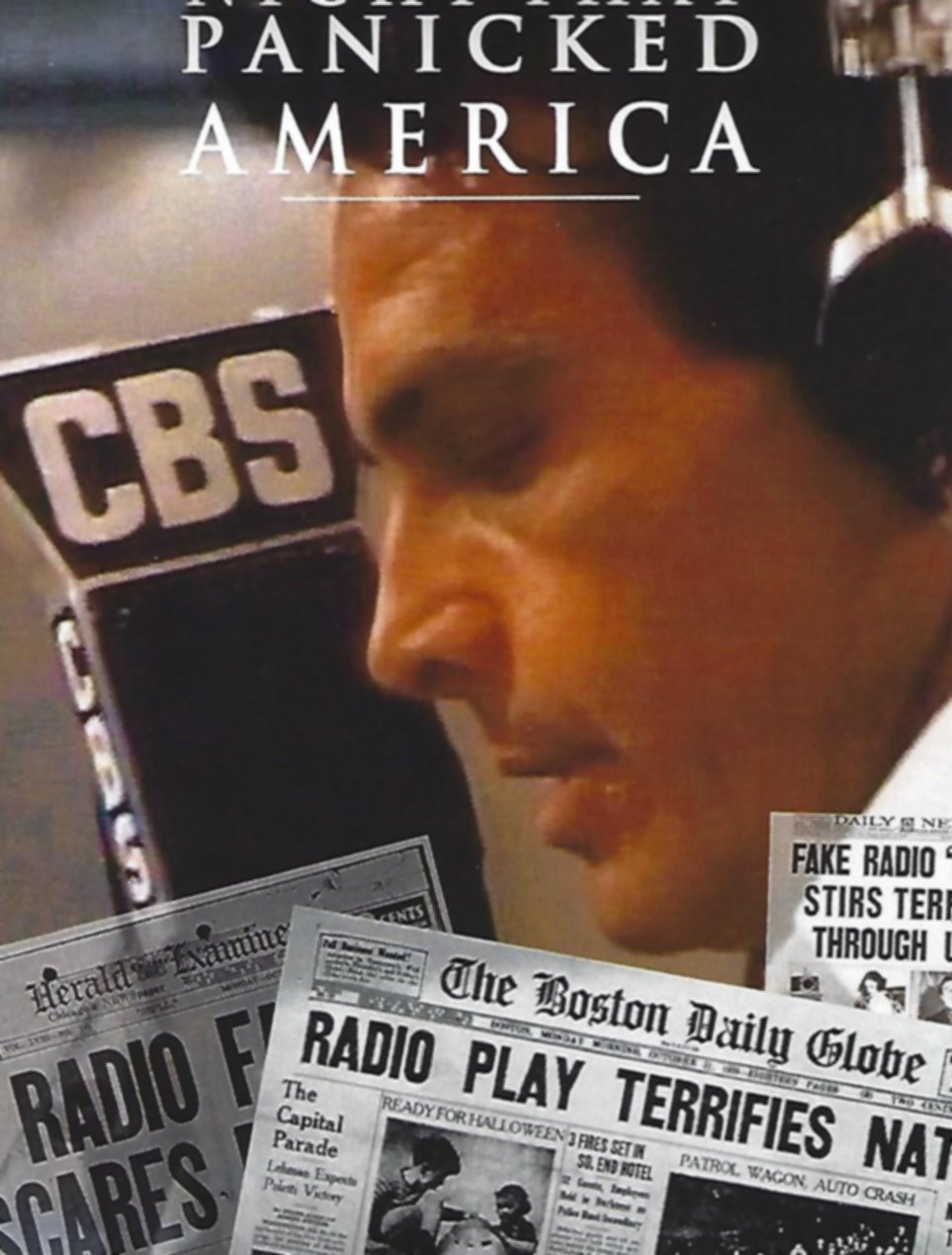
The Night That Panicked AmericaOctober 30, 1938: across the nation, Americans were sent into a frenzy of terror when they
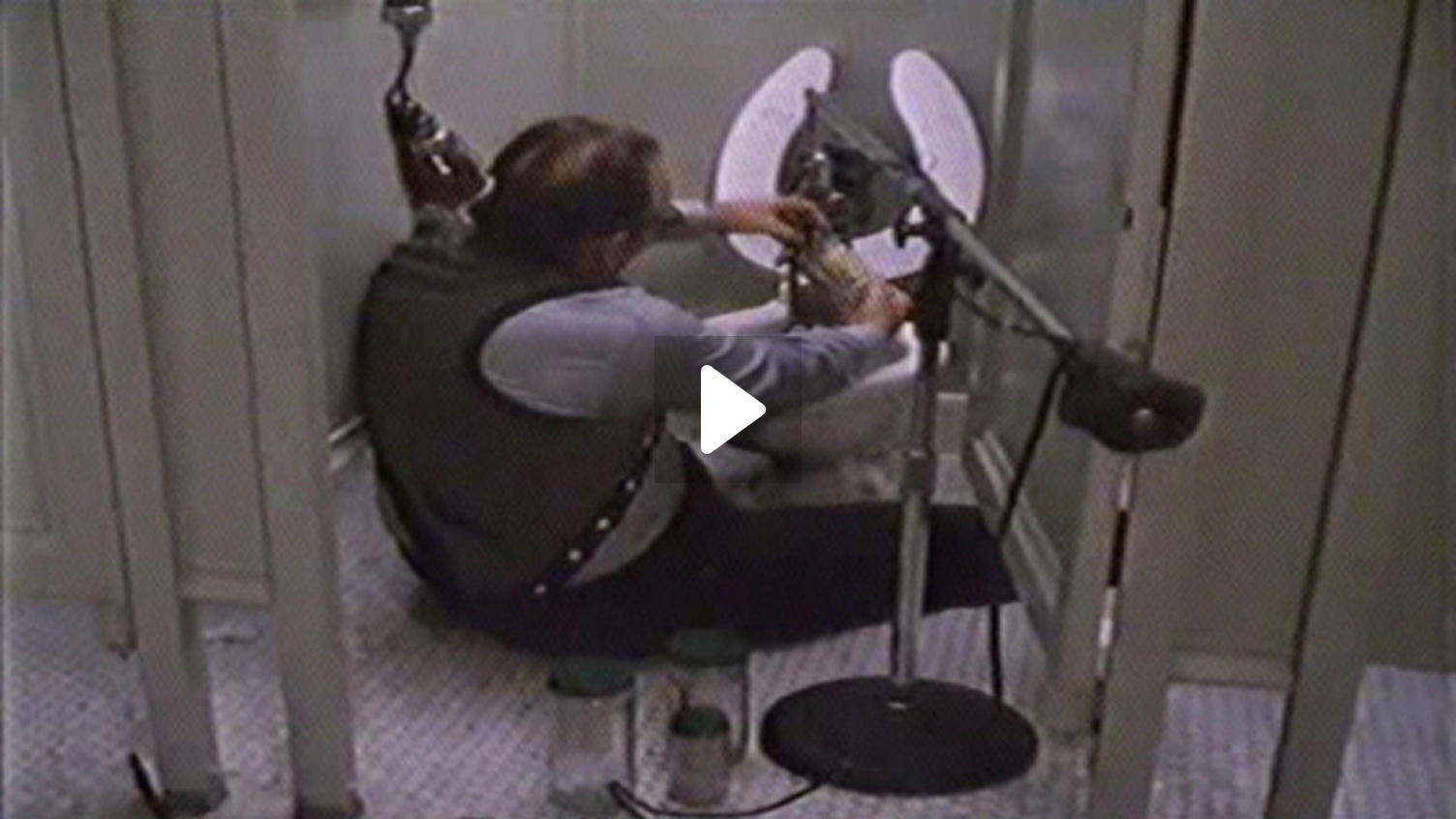
Opening with a view of the earth from outer space, calmly tracking in to it, director Joseph Next comes a switch to the pre-production frenzy of putting on a radio program, following The stories interwoven with the broadcast are sometimes humorous, yet they also bring home that this radio play brought to the surface fears and uncertainties, not just about war but about belief in American exceptionalism. John Ritter and Michael Constantine are son and father who are farmers at Grovers Mills, the site of the invasion according to the play. Joining up with others to defend their country from invaders, the son sees his father and other farmers shoot up — a water tower. This does not amuse the owner. However, this son, who has been arguing he wants to go to Canada to join up and fight against Hitler before the war came to America, is the one who figures out this is only a radio program and tries to stop the others from acting hysterically. The fellow who admits that half the world is in flames is clear-eyed enough to recognize a real danger, while those who try to live in denial find their fears breaking free of suppression to control them. Other examples are especially interesting. Two servants had been listening to the radio before their wealthy employer’s party. So, they know that it’s only a play — which their general perspicuity would have told them anyway. However, the snobby employer and his equally snobby friends, frivolous, self-important, and even a little impressed with Hitler, buy into the program lock, stock, and Martian cylinder. Their self-satisfied ignorance practically hits you over the head as the employer keeps refusing to listen when the butler tries to tell him it’s only a play. Equally snobbish and obtuse, one of the guests decides the whole thing must be real because the professor reporting is touted as being from Yale — a fictional professor. Eventually, the crowd of airhead snobs rushes off into the night, stealing their hosts valuables, while the servants chill, finishing off the hors d’oervres and champagne. Not all the stories are amusing, however. Will Geer is a Protestant minister who won’t let his Anyway, it’s an exciting film to watch that gives you something to think about. I loved seeing all the clever improvisation and creativity of putting on a live broadcast. Perhaps you have  For an informative essay on the film, click here. Images: Broadcasting play: https://musingsofamiddleagedgeek.blog/2022/10/07/the-night-that-panicked-america-1975-is-a-little-seen-tv-movie-about-the-greatest-halloween-prank-ever-played/ Dvd cover Image CBS Studios (c) 2014 Orson Welled news conference: Public Domain image https://commons.wikimedia.org/wiki/File:Orson_Welles_War_of_the_Worlds_1938.jpg All screen shots are from The dvd The Night That Panicked America,CBS Studios, (c) 2014
|
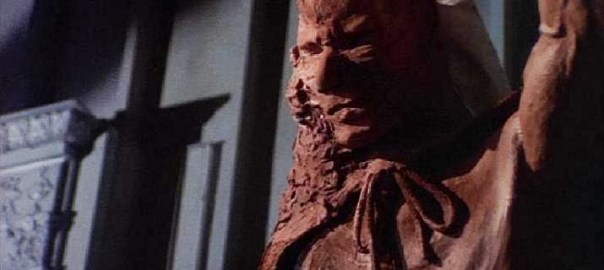
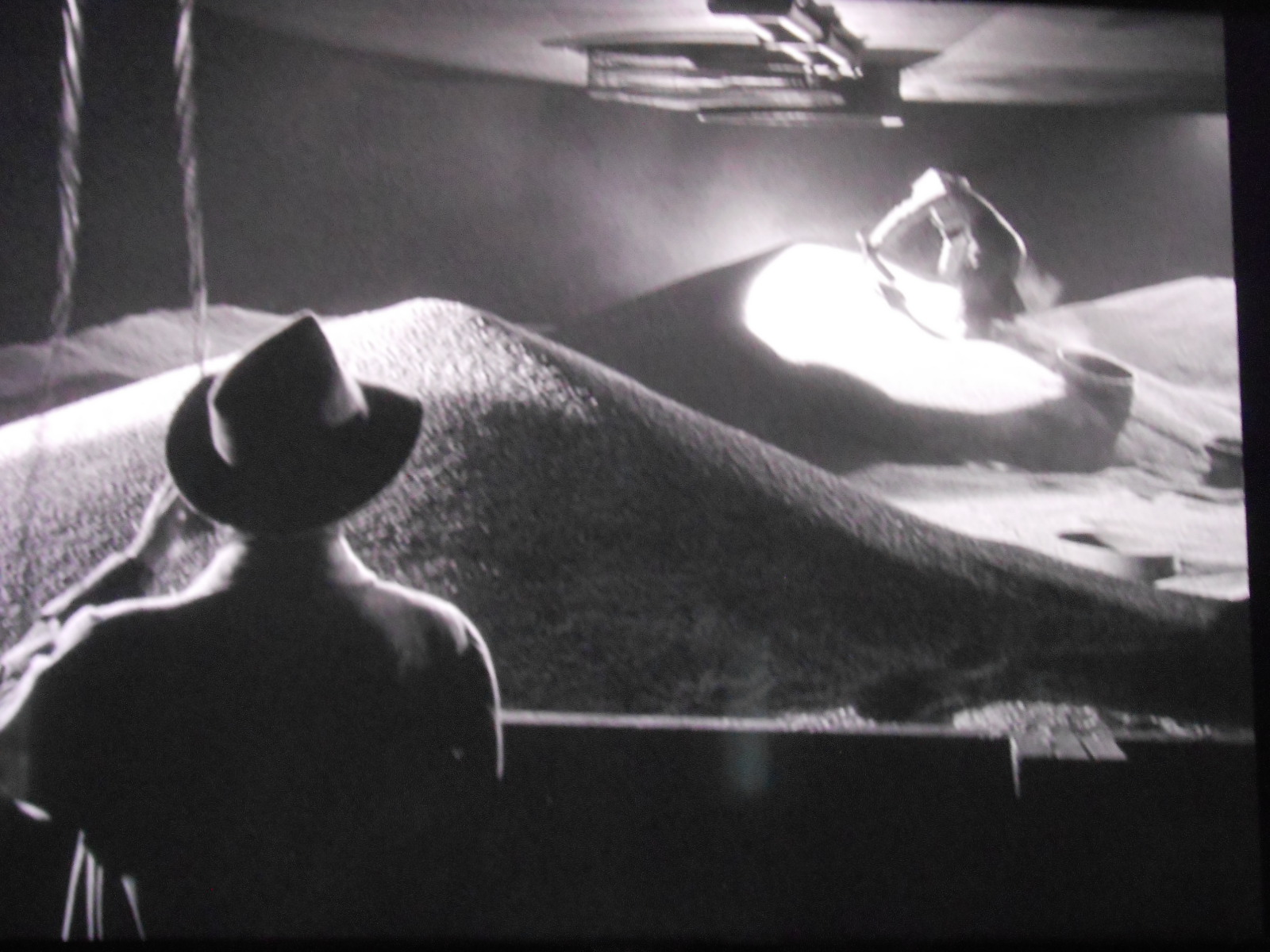
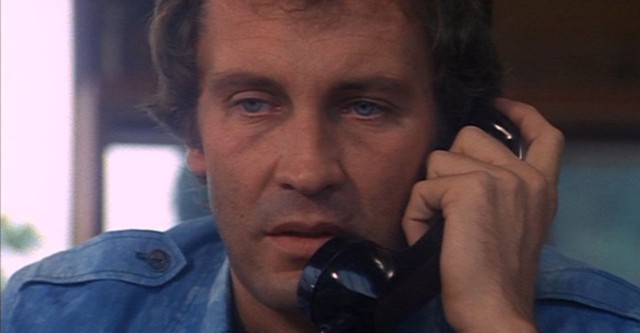
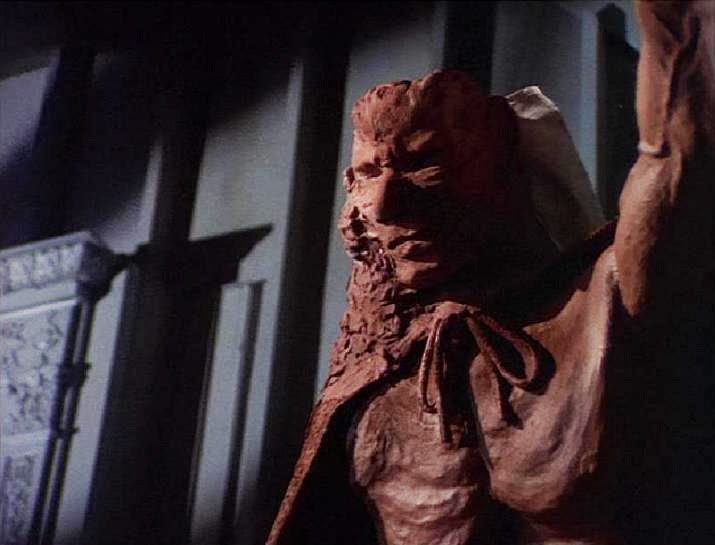
The Norliss Tapes (1973)In some ways, the 1970s were a golden age for horror on network TV. Series such as Ghost Story, Night Gallery, The Sixth Sense, and The Night Stalker chilled us back then, though the The movie starts with a tense David Norliss (Roy Thinnes) brooding over a foggy San Francisco landscape from the balcony of his apartment, then calling up his editor (Don Porter) to pressure him into a meeting about a book he was supposed to have completed on his investigations of the supernatural, with an aim to debunk. He cryptically alludes to threats that have kept him from writing, which he now fears may even take his life. When Norliss Despite some of those annoying trackings in and out and a little too much screeching with the electronic music (Robert Colbert did his job much better on Dark Shadows), the movie has some genuinely creepy and suspenseful moments as victims are stalked on dark, lonely nights; in a dank mausoleum; or to a lonely motel room. The film even makes effective use of the traditional “We’ve got to find the monster in this forbidding underground passage before he stirs.” Roy Thinnes, no stranger to the eerie (The Invaders, Horror at 30,000 Feet), makes an interesting and capable investigator: discovering the right people to interview and asking the right questions, as well as effectively using the library. Still, Thinnes plays the guy a little too much on the low-key side; he could make Duchovny’s Mulder look peripatetic. In all fairness, though, didn’t an ambiance of low grade, indefinable anxiety predominate many films of the era, especially mystery and horror? After tale number one ends, the film returns to the editor,
No copyright infringement intended by use of the properly attributed photos. If you feel there is a problem, contact me about removing the images. Image One – author’s collection Image 2 – https://www.justwatch.com/us/movie/the-norliss-tapes Image3 – http://thebloodypitofhorror.blogspot.com/2013/10/norliss-tapes-1973-tv.html Image 4 – https://cleigh6.tripod.com/CTP/CTP-grotesque.html Image 5 – https://moviebuffsforever.com/products/the-norliss-tapes-dvd-1973 |

| Yang and I returned to Gooseberry island on a sunny day for a change last Saturday – celebrating my birthday over the weekend. This time, no fog and plenty of sunshine. Also, plenty of water fowl!
Apparently, the pickings were getting kind of slim, for Yang managed to snap a shot of some of these guys taking it on the wing for better dining.
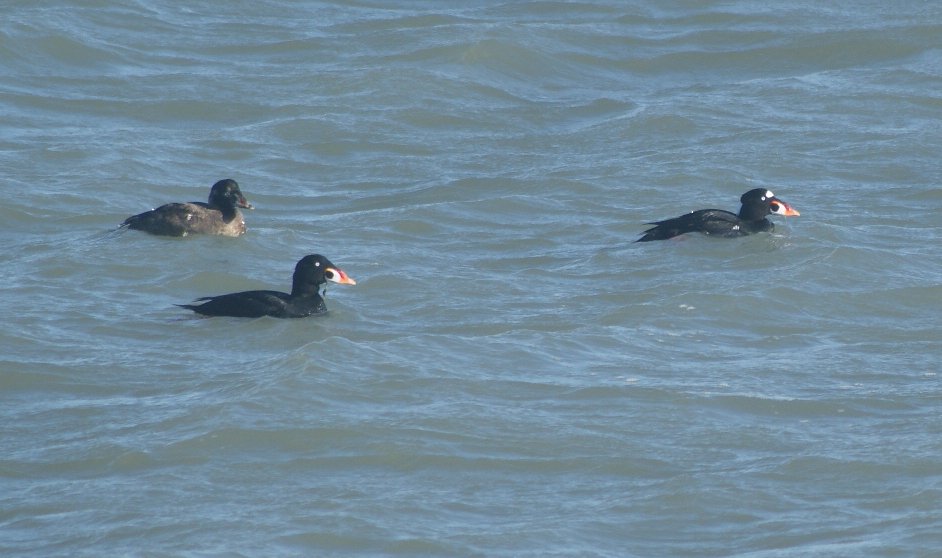
We also saw plenty of birds in the water that day. With perfect visibility and trusty binoculars, we
You can see from this shot that the Scoters weren’t alone. Here’s a Loon photo bombing the Another, smaller, diving water bird joined the show. A horned grebe! We saw one or two popping up (and back down again) amongst the various flocks of Scoters and Long-tails. Again, let me know if I misidentified the type of Grebe.
Last but not least, here comes the Bufflehead! Usually there are big flocks of these guys around in |

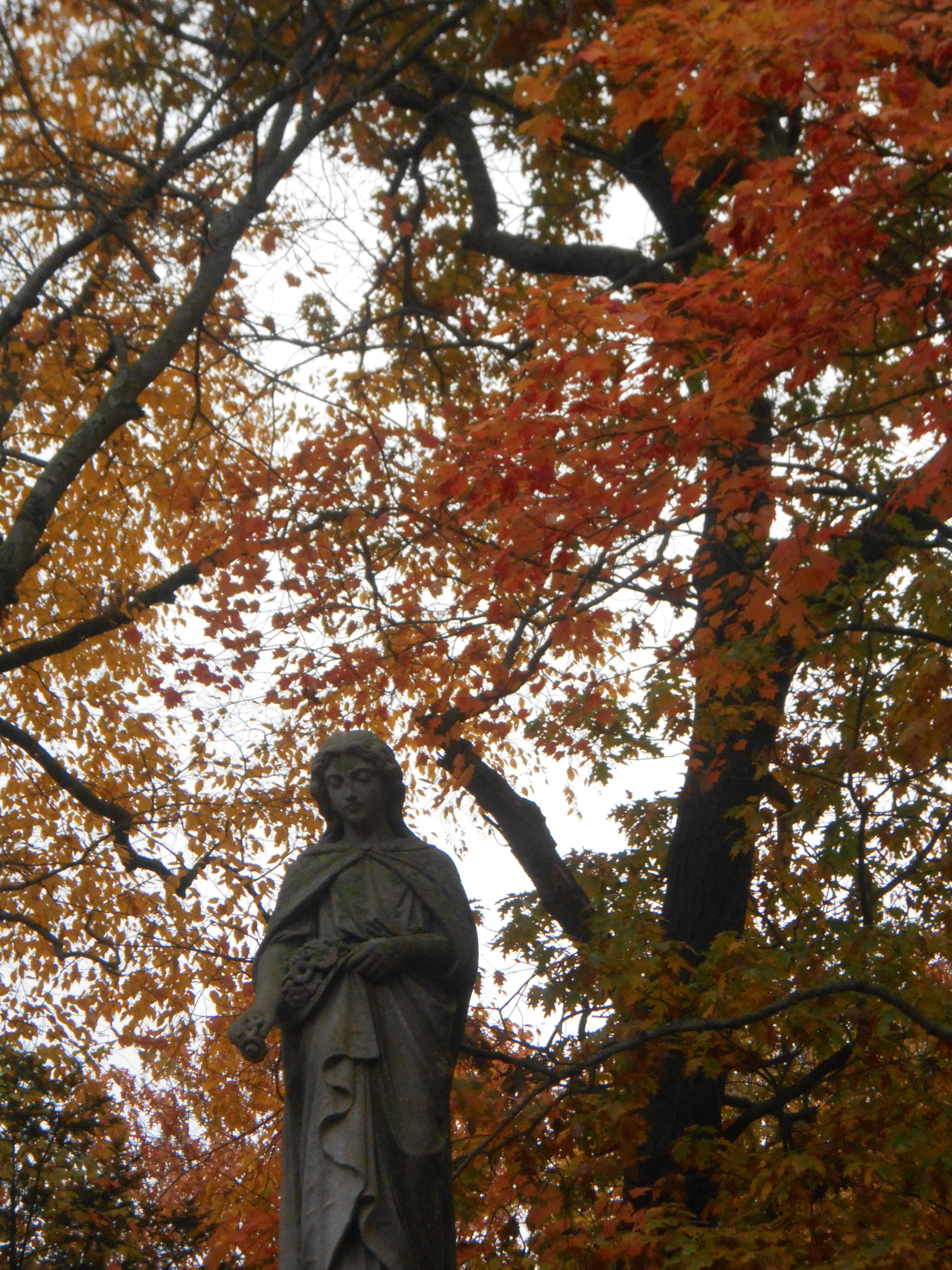
| This past October. we returned to the Riverside Cemetery in Waterbury with hopes of seeing the statuary complemented by gorgeous fall colors. Yang and I were not disappointed!
The entrance was serene and gracious, with background colors hinting at the beauty we would find beyond. The highlight that these fall colors brought t o the monuments was deliciously melancholy. The leaves behind this woman leaning on a cross brought forth the saffron beauty of autumn.
Or there was this lone, proud figure fronting a brilliant crimson of oak trees.
I loved this shot from behind of the woman gazing out over the rolling hills of autumn glory.
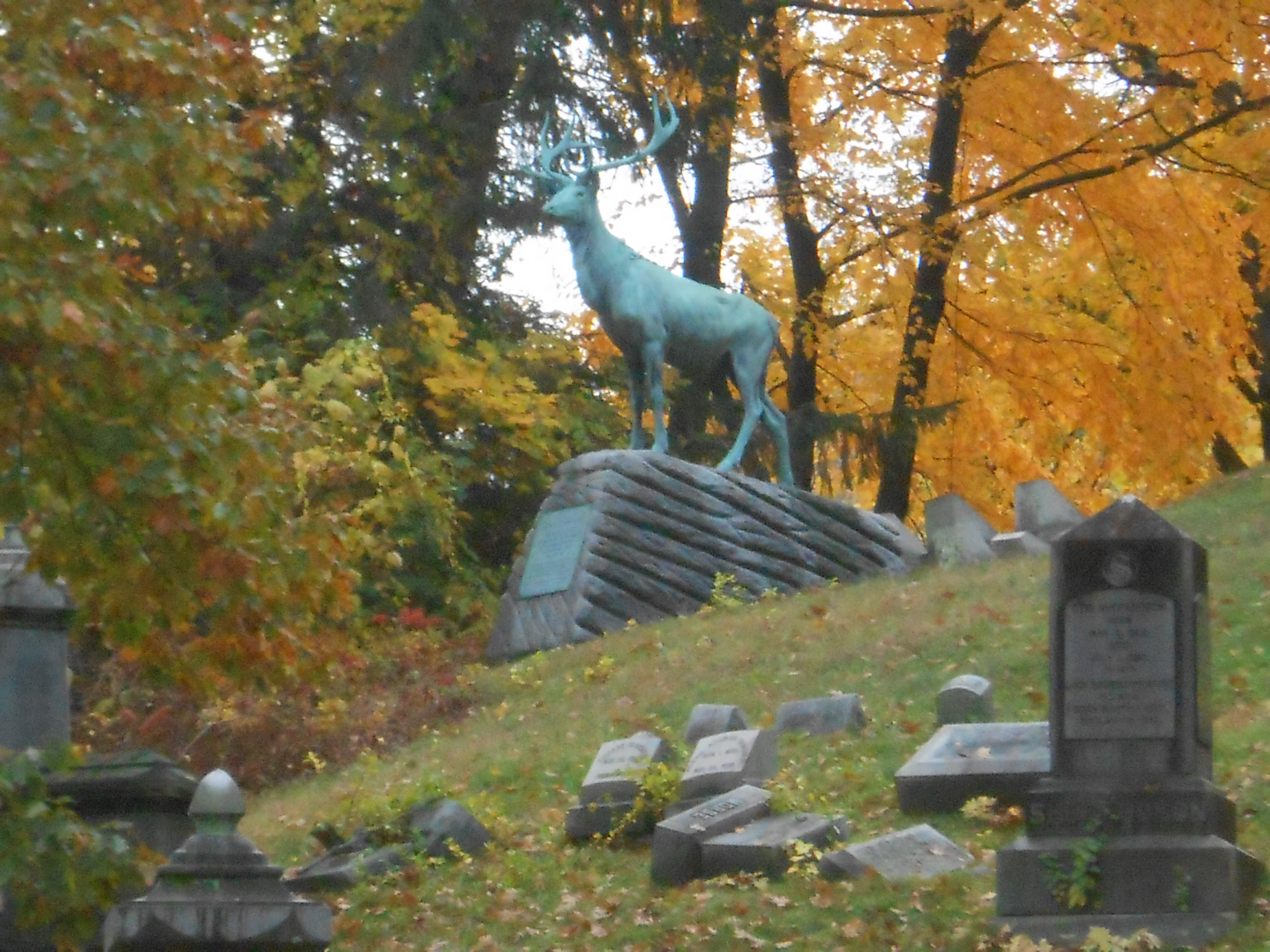
I think this deer must feel at home, encompassed by the gorgeous green morphing to yellow-gold of fall.
I was especially enchanted by so many trees that combined various colors as their leaves slowly shut down the ports to chlorophyll and let their true hues burst froth in brilliant glory.
Green and Gold
Orange and Red, like a flame reaching heavenward. And then, some trees seemed to us gifted with four colors at once!
Just gazing across the cemetery, you see slopes rolling with gorgeous fall glory:
The trees were so gorgeous, Yang decided to stick one in his back pack to carry it home.
I particularly loved this sage woman’s pensive and imposing presence, her blue-green copper complementing the reds and greens of the trees behind her.
And that, my friend
|

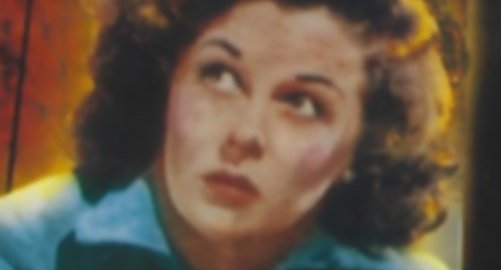
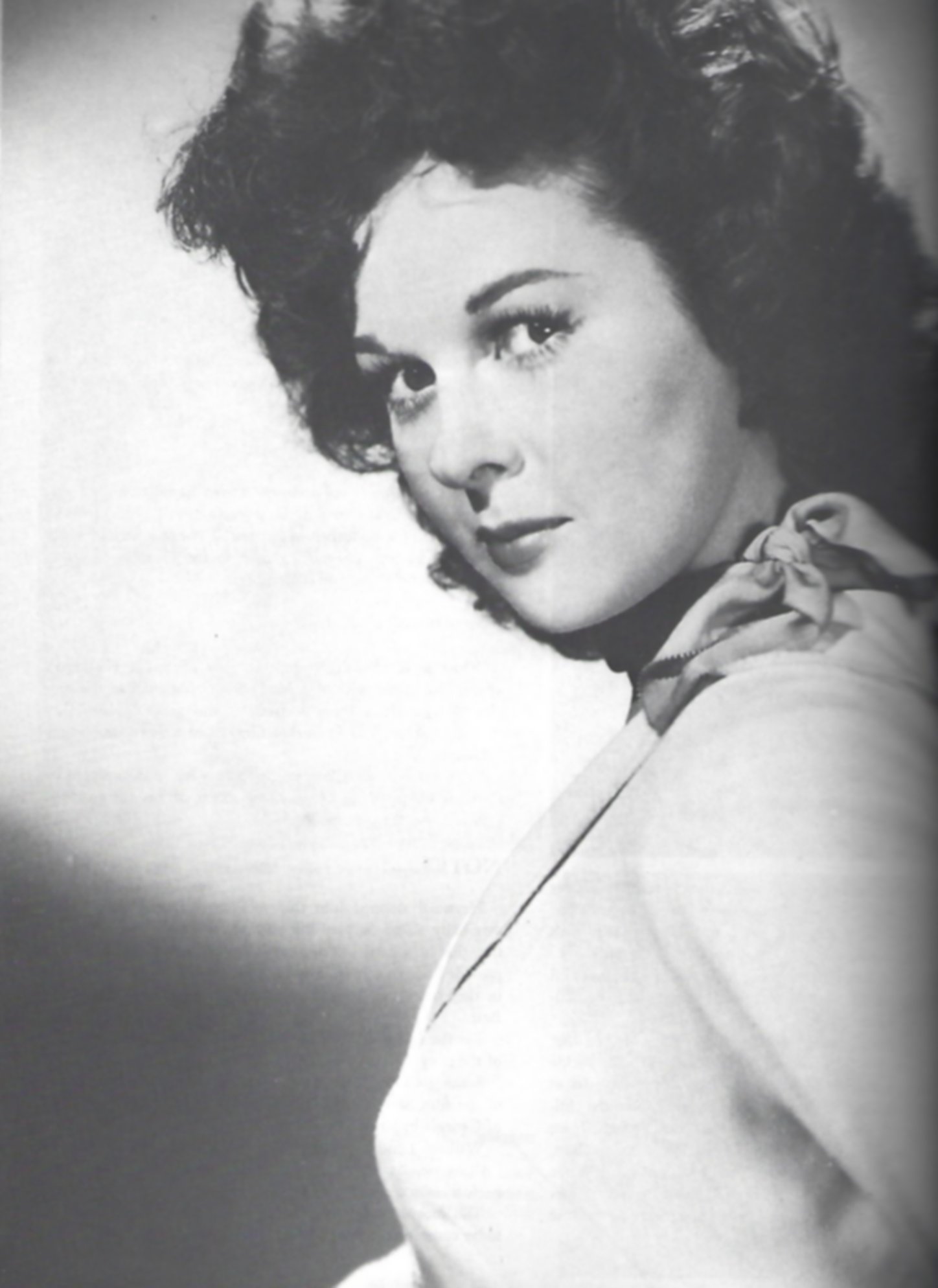
Susan Hayward
One of my favorite of all the smart talking gals is that lady with the baby face, biting talk, and magnificent mane of auburn hair, Susan Hayward. Hayward started out specializing in types meaner and
more inventively spiteful than a pack of Heathers: Sis Hopkins, Adam Had Four Sons, And Now Tomorrow, I Married a Witch, and Forest Rangers. She persecuted the dickens out of Judy Cannova, Ingrid Bergman, Loretta Young, Veronica Lake (the real witch), and Paulette Goddard. Yet she had something that almost made you root for her. Actually, many of us probably were rooting for her in Forest Ranger, where she set out to fix Paulette’s wagon after the latter unknowingly stole boyfriend and big dope Fred MacMurray. More than one critic found unbelievable the feisty Susan wimping out in the midst of fire so Paulette could prove herself by saving her.
Filmmakers came to see that spark of something special in Hayward, upgrading her to roles where she might connive but still definitely win our admiration for her smarts and heart. That snappy wordplay, that piercing insight into the heart of things, that defiant glare and tilt of her auburn-crowned head were combined with tenderness and integrity that had to be earned. The men impelled to this Susan aren’t allured by a femme fatale but drawn by her strength, clear
sight, and straight talk. In They Won’t Believe Me, she snares philanderer Robert Young, but insists on a commitment to match her own . Deadline at Dawn shows her tossing off cracks as a dancehall girl blowing away creeps, outfoxing a deceptive dame, and going toe-to-toe with gangsters. Still she ends up helping a näive sailor on leave who’s gotten himself caught in a murder frame. She may dismiss him as “only a baby,” but she sticks around to show him the ropes and clear his name. Then, Robert Montgomery in The Saxon Charm finds her too much for his slick, con artist charm when she coolly stands up to him and calls out his phoniness for her writer husband.
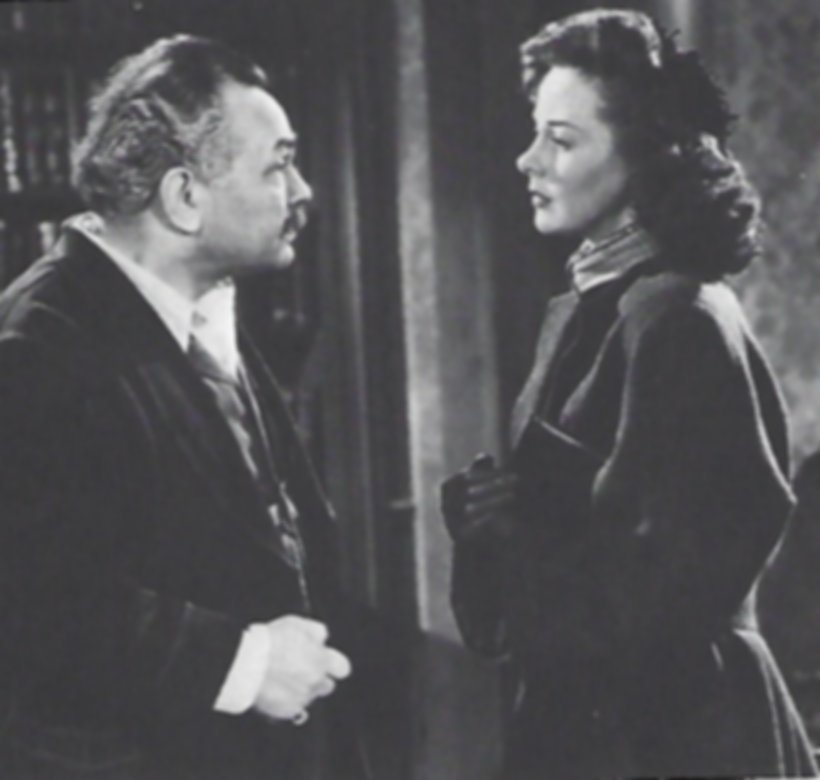
Three Hayward films that especially show that tough and smart look good on a gal are House of Strangers (1949), Rawhide (1950), and Top Secret Affair (1957). In the first film, Hayward may initially seem to be your typical vamp, sporting slinky sequins and silks, lush red tresses, and clever with her cracks, especially when she temps tough-guy lawyer Richard Conte away from his Italian banking family and docile fiancée. However, she’s the best thing that ever
happened to him, getting him away from a family that has always been a hotbed of resentments and manipulations. When Conte goes to prison for trying to bribe a juror to save the father he’s defending for fraud, the fiancée promptly ditches him for one of his brothers. Completely blind to having brought on his fall through oppression and disrespect of his other sons, the father (Edward G. Robinson), feeds the imprisoned Conte a steady diet of hatred and vengence in letters. Our Susan sees right through things and marches straight past the portals of the father’s hollow mansion, to give Edward G. Robinson hell for destroying that son. Finally, it’s her tough love that inspires Conte to leave behind his self-devouring family. In fact, she’s independent enough to follow through on her promise to leave for good – his choice whether to wise up and join her. One of my favorite of her lines comes early in their relationship. Conte tries to keep her in her place by bragging he’s too much for her to handle. Defiantly she retorts, “Nothing hurts me. That’s one of my complications.”
Rawhide is an especial favorite of mine. In the mid-1800s, Susan is traveling cross- country by stage, on her own, with her toddler niece. When at one stop she’s told a recent jailbreak makes it too dangerous for a woman to be allowed to go on with the stage, she not
only refuses to disembark, but it takes two guys (including Tyrone Power) to get her off that stage. Our Red is some determined woman. Later, she insists on taking Powers’ gun with her when she goes for a bath in a hot spring. He snidely comments, “What are you afraid of, coyotes?” and she shuts him up with, “Yeah, the ones with boots on.” He tries to imply she’s a weak little lady by challenging if she knows how to use a gun, and our smart talkin’ gal of the West puts the man in his place with cool understatement, “I’ve seen them around.” Susan’s stay gets tougher as the jail breakers take over the waystation, but she is undaunted. One guy tries to rough her up, and she smacks him good. After the jail breakers shoot Powers’ partner when he tries to escape, she sneers at the leader, “We won’t run away. We’d hate to get shot in the back.” She stays cool and strong and smart throughout, taking over from Power in secretly digging a hole in the adobe of the room where they’re being held prisoner. When the knife accidentally flies outside, she grabs the baby and pretends she has to take the kid outside to “do her business.” That also inspires one of her smart cracks. To her, “Got to take the baby out,” Zimmerman, the leader growls, “Where?” She growls right back, “Where do you think?” Best of all, our smart talkin’ gal proves she’s smart actin’ at the end, as she reveals what she meant by “having seen guns around.” Power is helpless under the gun of lowlife Jack Elam, so she manages to by grab a rifle and plug Elam, saving the day.
Top Secret Affair comes later, in 1957, and there is some talk from Hayward’s Dottie Peele about always wanting to meet a guy she could respect, marry, and have a family with. Still, the only guy who can go toe to toe with her is Kirk Douglas’s general. As the top of a media conglomerate that drives public opinion, but mostly for the better (no female Rupert Murdoch, she!), Susan gives us a smart, strong, articulate woman. A newsreel featuring the general leaves her unimpressed with military propaganda, as she dismisses him with,
“Look at him apple polishing the President (FDR). I bet he voted for Wilkie.” Or “Bang, bang. Like a kid with a space gun.” The oversized image of his face doesn’t cowe her as the army might intend, as she instead dismisses him with, “Get back in your tank, turtlehead.” The director gives us an intriguing cut to emphasize that Dottie Peele is no weak woman to be cowed by military might. Right after General Goodwin tells his adjutant, “There’s only two kinds of women in this world: mothers and the other kind,” we cut to Dottie saying, “There’s only two kinds of men in this world – and I can handle both of them.” Of course, the two end up together, but not before they have to plow through misunderstandings and reconciliations, the latter from mutual respect rather than deceit or submission. Some remarks from Dottie let us know that even if she retires from media in marriage, she’ll not retire from speaking her mind and maybe a plunge into politics, though perhaps indirectly.
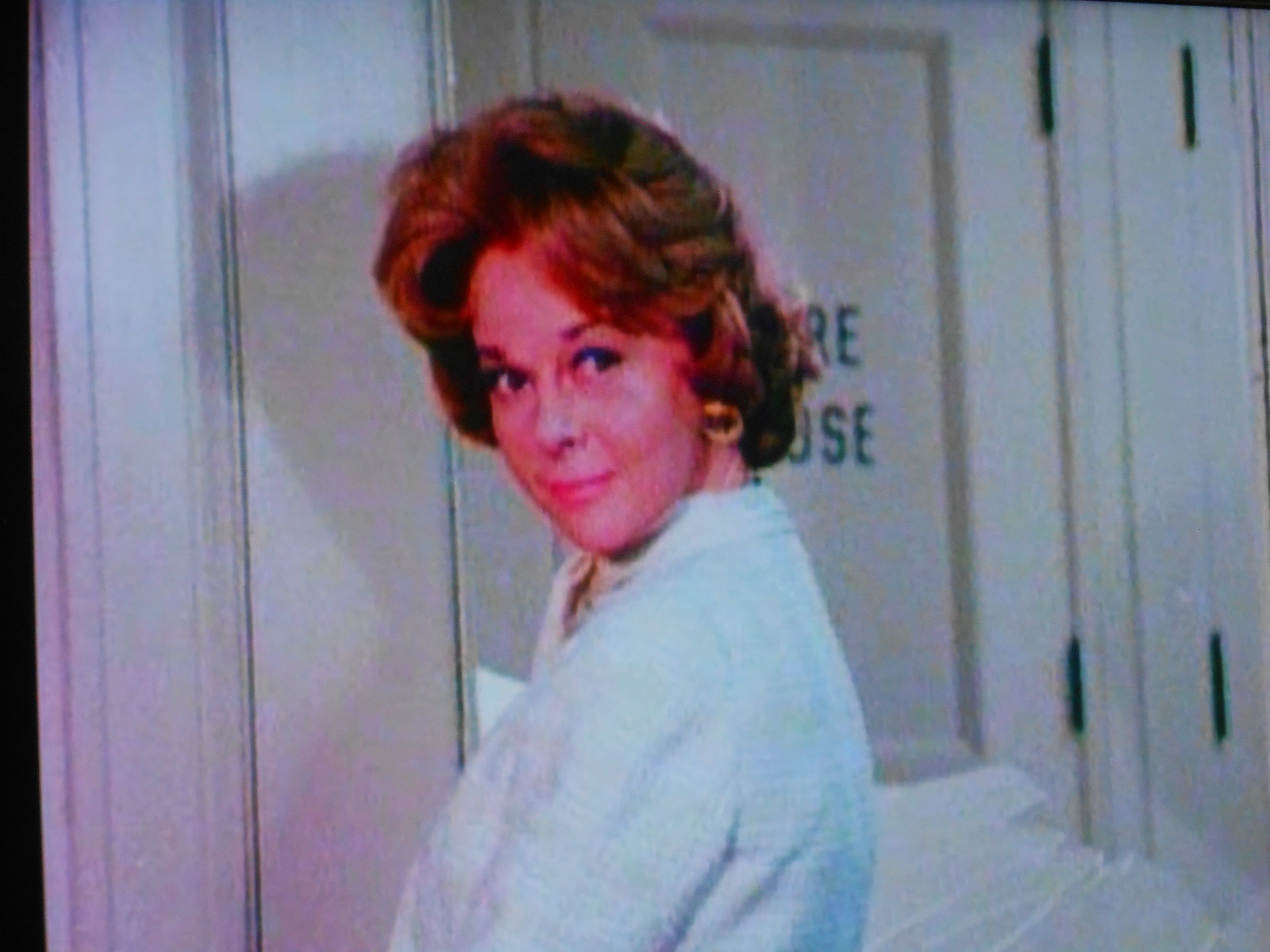
All the way to 1972, and our red-haired dynamo is still taking charge with wit, integrity, and insight. In Heat of Anger, Hayward plays lawyer Jessie Fitzgerald, “the Portia of the Pacific.” An established
defense lawyer who’s not afraid to partner with rebel lawyer James Stacey for defending cantankerous Lee. J, Cobb, Susan is still on her toes, zipping around in her sports car and working the system with verve and smarts. When the prosecutor attempts to cowe her with a sarcastic, “Your integrity overwhelms me,” she shuts him up with, “Well, I’ll embroider that on a pillow in
needlepoint.” Partner Stacey tries to call her on snowing a jury into freeing a murderer, and she sets him straight: “You win with the best case. Juries decide.” If Jessie raises an objection in court, it sticks. If the prosecutor tries to spring newly discovered information about her client in
court, she turns it into evidence that could win jury sympathy and respect with, “No more coddling. Straight to the nerve.” She even beats James Stacey at pool, as well as presses him to come out with what he hates about the client so that he finally gets on board with her. And you better believe that client Lee J. Cobb, as much as he lumbers over her and snarls his anger, backs down under her steady and determined personality. Yep, our auburn-haired whirlwind still had it!
Maybe the quip that best sums up Susan Hayward’s smart gal screen personae comes in one of her earlier films, Tulsa (1949). Her character, Cherokee Lansing, becomes partners in wildcat oil drilling with Robert Preston. When he calls her by her Native American name, Seenotawnee, her friend Jim Redbird replies, “In Cherokee, it means redhead.” She correct Jim and says to Preston, “But to you, Mr. Brady, it means boss!” This smart talkin’ red head will always be boss with us!
Color Image cover art for Alpha Video (2003)Tulsa
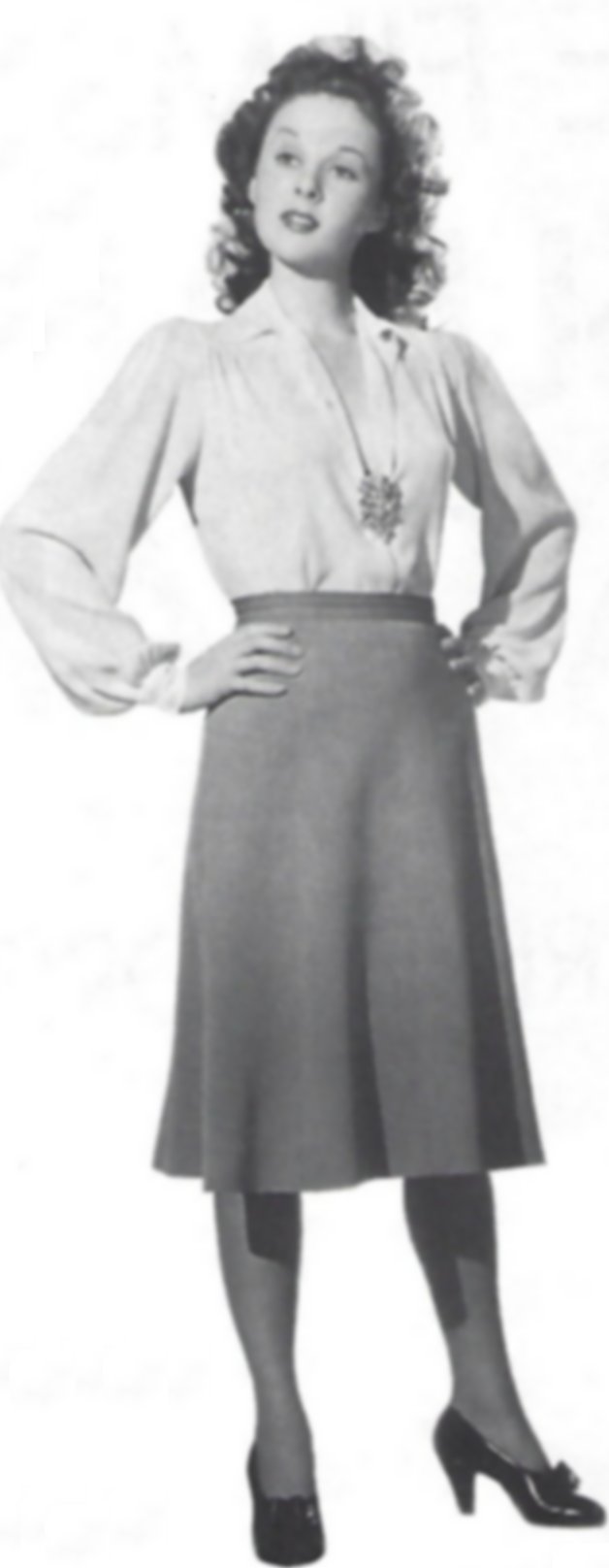
Black and white photographs of Susan Hayward from The Films of Susan hayward (Eduardo Moreno, Citadel Press, 2009)
Screen Shots from the following films: Top Secret Affair (Warner Brothers, 1985, 2009) and Heat of Anger (Quality Video, DSSP, Inc, 2002)
I suppose I had thought that a person accumulated her experiences over the years and then, when retirement afforded her the leisure to go through her diaries, miscellaneous writings, and correspondence, she would have all that she needed to write her memoirs. I, that is, not she. All those boxes of papers I haven’t organized going back to the year dot, they could all wait until I had the time to go through them. Once I had the time, I had supposed, the floodgates of memory would simply open, and all the flotsam and jetsam of life would more-or-less fall into place. I realize now that I was counting on it. But as it turns out, events are conspiring to present a wholly different picture.
For one thing, my mind seems to have gone completely blank. After all, over twelve-plus years Tell Me Another has accumulated more than…
View original post 907 more words
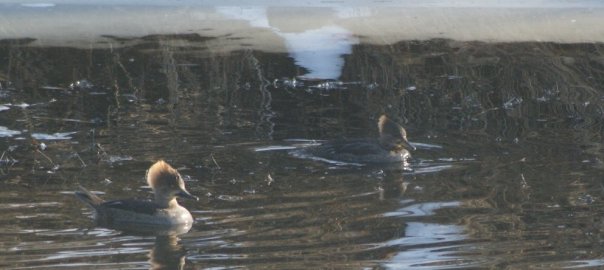
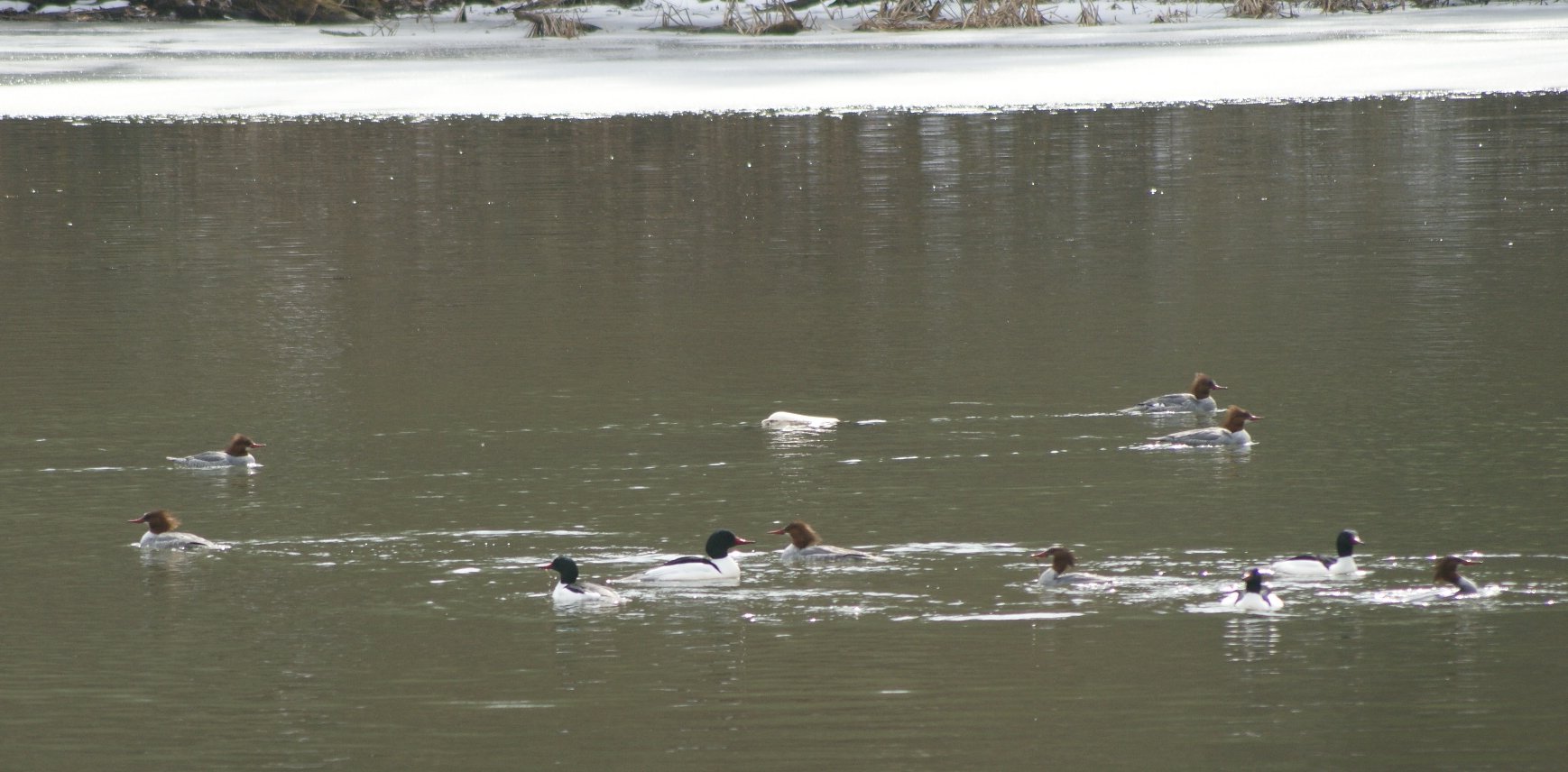
 These waning days of winter have given Yang and I some fun bird watching, whether at home or These waning days of winter have given Yang and I some fun bird watching, whether at home or  away. For instance, Yang went for a stroll one day on a canal that runs perpendicular to the Blackstone River and sighted some interesting ducks and the peripatetic Kingfisher. So, the next day, I had him take me back there. Sure enough we saw some swell birds. Yang got some really nice shots of a pair of hooded mergansers. At first we thought they were both females, but I noticed that one had a distinctive long, pointed tail sticking above the water, as well as a fluffier brush of feathers at the back of the head. I suspect that one was a juvenile male. We either had a Mom and her teenage son or a Cougar duck. Who can tell? Enjoy the pictures! away. For instance, Yang went for a stroll one day on a canal that runs perpendicular to the Blackstone River and sighted some interesting ducks and the peripatetic Kingfisher. So, the next day, I had him take me back there. Sure enough we saw some swell birds. Yang got some really nice shots of a pair of hooded mergansers. At first we thought they were both females, but I noticed that one had a distinctive long, pointed tail sticking above the water, as well as a fluffier brush of feathers at the back of the head. I suspect that one was a juvenile male. We either had a Mom and her teenage son or a Cougar duck. Who can tell? Enjoy the pictures!
We also found some American Black Ducks enjoying the same pond as well.
Closer to home – as in the bird feeders next to my house – we’ve been seeing some nifty birds, I must say that this Robin loves his/her? suet.
We also had the pleasure of this Red Bellied Woodpecker’s company. Since it’s a female, it wouldn’t
Now, here some of our other visitors. There are cheeky Goldfinches,
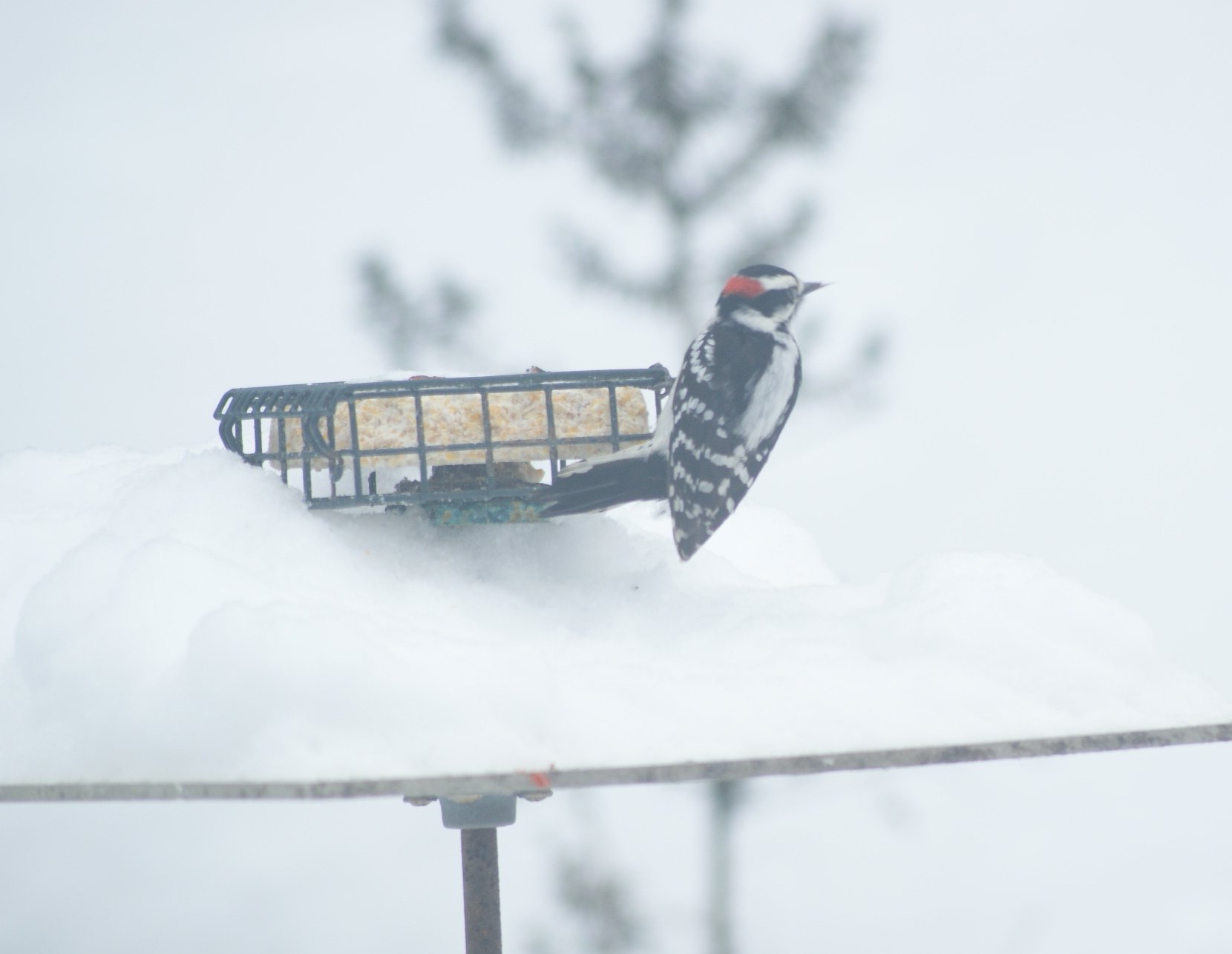
and perky Downy Woodpeckers.
Bring on the Rose Breasted Grosbeaks! |





























































 Sharon Healy-Yang
