Growing up watching films from the ’30s, 40’s, and 50s, often in the dark hours of  the night, I was deliciously haunted by the noir-inflected, melancholy, shadowy worlds of Val Lewton films, the eerie displacement of Universal and Columbia horror, and the mind-twisting mysteries exploring the dark side of society and the human heart. Those were perhaps the major impetus for my desire to recreate shadowy even eerie realms with my own writing. For the chiaroscuro worlds of the mystery and horror delightfully lingered in my imagination. the night, I was deliciously haunted by the noir-inflected, melancholy, shadowy worlds of Val Lewton films, the eerie displacement of Universal and Columbia horror, and the mind-twisting mysteries exploring the dark side of society and the human heart. Those were perhaps the major impetus for my desire to recreate shadowy even eerie realms with my own writing. For the chiaroscuro worlds of the mystery and horror delightfully lingered in my imagination.
 Specific films influence each of my novels. With Bait and Switch, I was inspired by those exercises in noir that voiced homefront fears of Nazi fifth columnists infecting our security from within. So, when Jessica Minton finds herself caught in the middle of a espionage plot that is either a Specific films influence each of my novels. With Bait and Switch, I was inspired by those exercises in noir that voiced homefront fears of Nazi fifth columnists infecting our security from within. So, when Jessica Minton finds herself caught in the middle of a espionage plot that is either a  gambit to flush out a fifth columnists or a fifth columnist’s plot to trick her into saving his skin, such films as They Live by Night, The Fallen Sparrow, and Confessions of a Nazi Spy inspired my creation of slippery deceptions, unclear loyalties, and sudden death in a world of slick, dark mean streets; fog rolling off the Hudson, through the New York waterfront and the Brooklyn Bridge; crumbling, sinister rows of buildings lowering on the wrong side of town; and deserted theatres. gambit to flush out a fifth columnists or a fifth columnist’s plot to trick her into saving his skin, such films as They Live by Night, The Fallen Sparrow, and Confessions of a Nazi Spy inspired my creation of slippery deceptions, unclear loyalties, and sudden death in a world of slick, dark mean streets; fog rolling off the Hudson, through the New York waterfront and the Brooklyn Bridge; crumbling, sinister rows of buildings lowering on the wrong side of town; and deserted theatres.
Of course, I was not inspired merely by the dreamy darkness of these films but by the quick wit and humor peppering many of them.  Perhaps the most influential in that department was All through the Night, a fast-moving tale of Nazi infiltrators inhabiting the stylish but shadowed upper echelons of New York Society – as well as the dark recesses of obscure warehouses and secret panels leading to command centers. Cutting through that sinister atmosphere is the sharp wit of Humphrey Bogart’s semi-gangster, Gloves Donohue, and his sidekicks played by the fast-talking likes of William Demarest and Frank McHugh. Of course, there is romance, Perhaps the most influential in that department was All through the Night, a fast-moving tale of Nazi infiltrators inhabiting the stylish but shadowed upper echelons of New York Society – as well as the dark recesses of obscure warehouses and secret panels leading to command centers. Cutting through that sinister atmosphere is the sharp wit of Humphrey Bogart’s semi-gangster, Gloves Donohue, and his sidekicks played by the fast-talking likes of William Demarest and Frank McHugh. Of course, there is romance,  as well, with a damsel in distress. I love to spice Bait and Switch with the same sort of irreverent, sardonic humor. And, though Jessica Minton may find herself caught in distress, she’s hardly a damsel. She holds her own when in danger, though a little help from her vis à vis does come in handy – that and a banana cream pie. as well, with a damsel in distress. I love to spice Bait and Switch with the same sort of irreverent, sardonic humor. And, though Jessica Minton may find herself caught in distress, she’s hardly a damsel. She holds her own when in danger, though a little help from her vis à vis does come in handy – that and a banana cream pie.
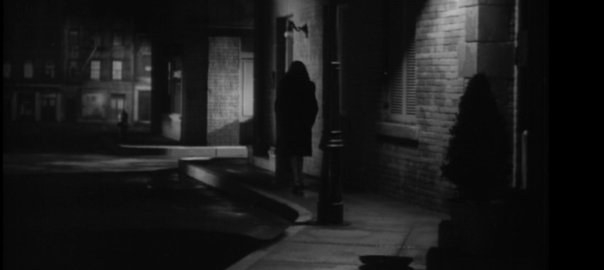
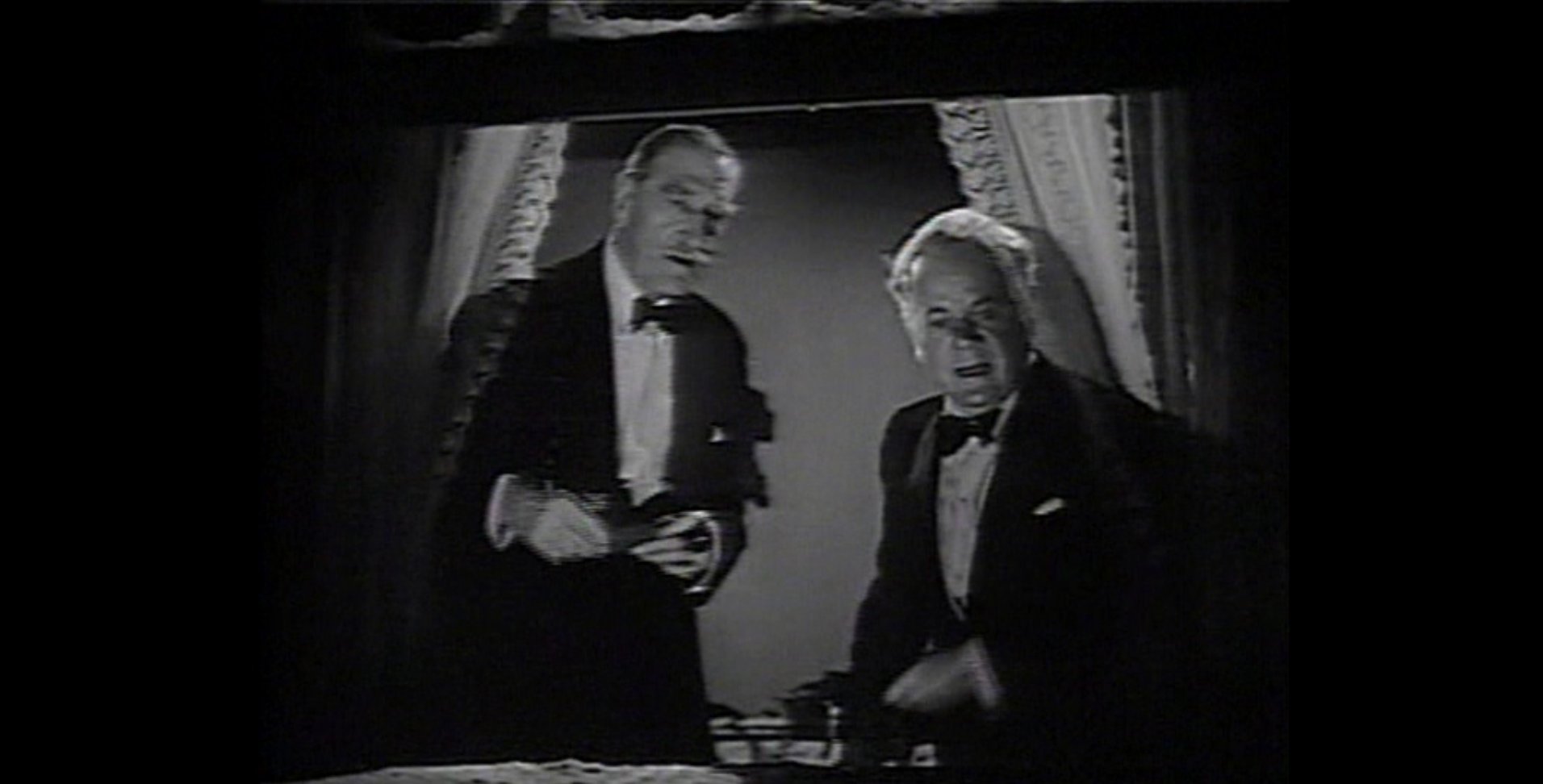
Letter from a Dead Man is more straight noir. No Nazis, but plenty of  intrigue and unexpected conflicts stemming from hidden identities fatally revealed; stolen jade; romantic intrigue; a femme fatale who’s in the chips now (socially and financially) but will do anything to intrigue and unexpected conflicts stemming from hidden identities fatally revealed; stolen jade; romantic intrigue; a femme fatale who’s in the chips now (socially and financially) but will do anything to  prevent the exposure of her sordid past; a frame job for murder; two tough cops, just this side of jaded; and an F.B.I. agent from Jessica Minton’s past who has his own agenda. Images and even passages from specific films noirs imbue Dead Man. The seductive manipulations of Helen Grayle fromMurder, My Sweet inspire the deadly web that Alanna Tewkesbury weaves around the Minton sisters, and those they love, to keep her secrets intact and to get her hands on stolen treasure. Imagery from The Seventh Victim, Woman in the Window, The Fallen Sparrow, Scarlet Street, and Manhunt live on in the darkened, deserted offices; lonely, rain-slicked streets; deadly lurkers in late-night subways; and even behind the hulking, cold stone of the New York Public Library Lions! prevent the exposure of her sordid past; a frame job for murder; two tough cops, just this side of jaded; and an F.B.I. agent from Jessica Minton’s past who has his own agenda. Images and even passages from specific films noirs imbue Dead Man. The seductive manipulations of Helen Grayle fromMurder, My Sweet inspire the deadly web that Alanna Tewkesbury weaves around the Minton sisters, and those they love, to keep her secrets intact and to get her hands on stolen treasure. Imagery from The Seventh Victim, Woman in the Window, The Fallen Sparrow, Scarlet Street, and Manhunt live on in the darkened, deserted offices; lonely, rain-slicked streets; deadly lurkers in late-night subways; and even behind the hulking, cold stone of the New York Public Library Lions!
 Dead Man is not all darkness. It’s lightened with the sharp reparté you’d expect from the mouth of a Rosalind Russell, a Joan Bennett, or an Eve Arden. Plus, there are some truly Lucy-and-Ethel-worthy moments of slapstick, with Jessica and Liz forced to hide in a closet from Alanna and her tough-talking torpedoes, friend Iris leading a room full of party-goers in a madcap conga to cover up an argument between Liz and her boyfriend that will put him at the center of a murder investigation, and Jess donning disguises as a maid to recover a stolen gun and as a shady lady in need of reform to snare a vital witness. Dead Man is not all darkness. It’s lightened with the sharp reparté you’d expect from the mouth of a Rosalind Russell, a Joan Bennett, or an Eve Arden. Plus, there are some truly Lucy-and-Ethel-worthy moments of slapstick, with Jessica and Liz forced to hide in a closet from Alanna and her tough-talking torpedoes, friend Iris leading a room full of party-goers in a madcap conga to cover up an argument between Liz and her boyfriend that will put him at the center of a murder investigation, and Jess donning disguises as a maid to recover a stolen gun and as a shady lady in need of reform to snare a vital witness.
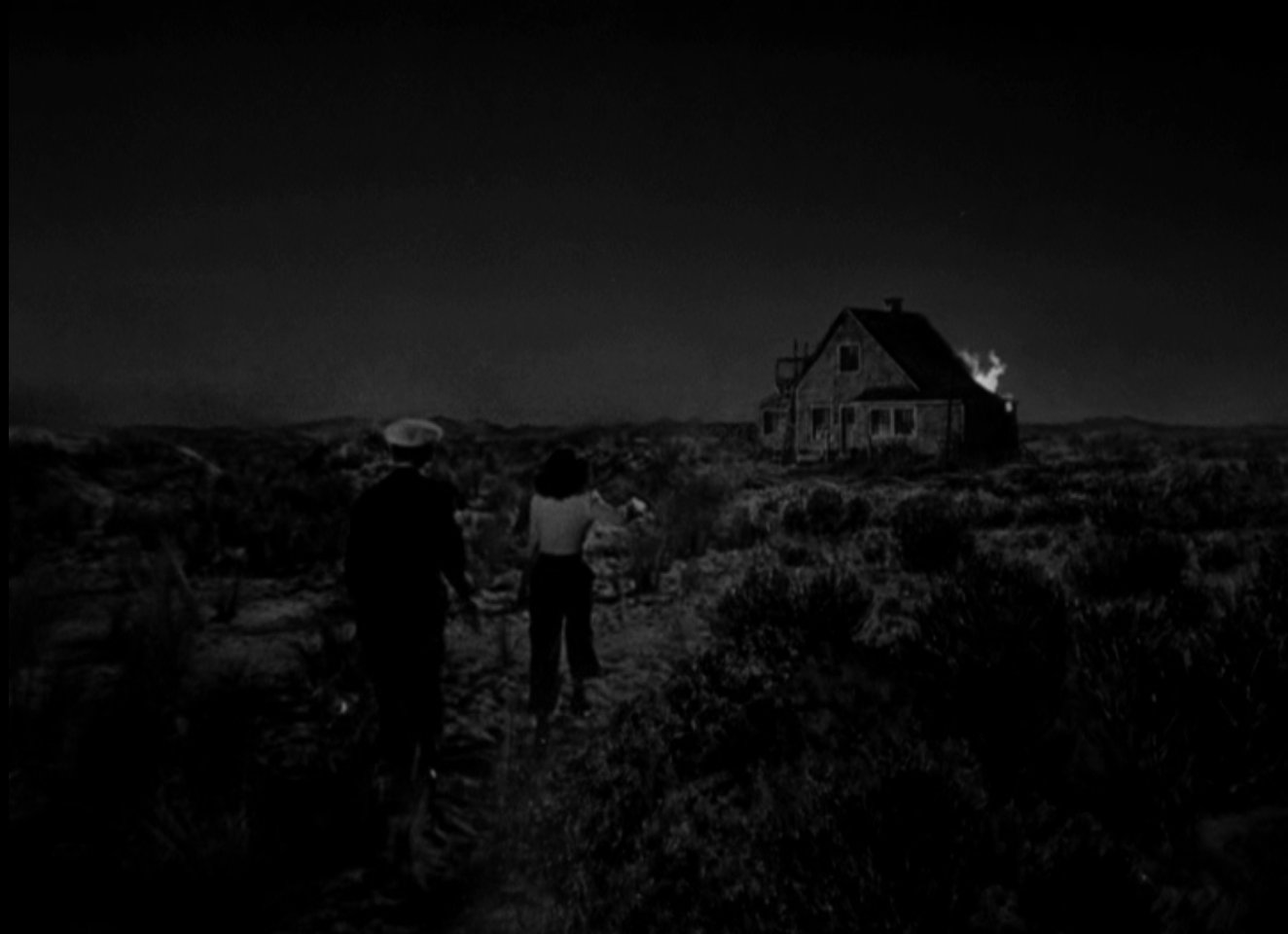
 This leads to the third, soon to be released, novel in the Jessica Minton mystery series: Always Play the Dark Horse. Though this book shares much with its predecessors, there’s a different take on the noir world of mystery, fifth columnists, darkness, and doubt. Dark Horse is more inspired by the dreamy nature of Jean Renoir’s The Woman on the Beach, Lewis Milstone’s Guest in the House, or Orson Welles’s The Stranger. Scenes on the Connecticut beach at night; in the foggy advent of a This leads to the third, soon to be released, novel in the Jessica Minton mystery series: Always Play the Dark Horse. Though this book shares much with its predecessors, there’s a different take on the noir world of mystery, fifth columnists, darkness, and doubt. Dark Horse is more inspired by the dreamy nature of Jean Renoir’s The Woman on the Beach, Lewis Milstone’s Guest in the House, or Orson Welles’s The Stranger. Scenes on the Connecticut beach at night; in the foggy advent of a  storm; the presence of a mysterious rider on a magnificent black horse along the shore; the battered ghost of a beached ship where forbidden lovers once met; the twisting corridors, warren of offices, dark-paneled rooms, and hidden stone staircase of a college building, all capture the dreamy world of those films, especially Woman on the Beach. As in Renoir’s film, I found myself caught up in creating a world formed in tune to the haunting mood of Debussey’s music. The story of dark love, vicious personal conflicts, uncertain loyalties, cruel memories of war’s horrors, and the threat of a Nazi resurgence, however, edge that dream uncomfortably into the realm of nightmare so effectively created in The Stranger and Guest in the House/ storm; the presence of a mysterious rider on a magnificent black horse along the shore; the battered ghost of a beached ship where forbidden lovers once met; the twisting corridors, warren of offices, dark-paneled rooms, and hidden stone staircase of a college building, all capture the dreamy world of those films, especially Woman on the Beach. As in Renoir’s film, I found myself caught up in creating a world formed in tune to the haunting mood of Debussey’s music. The story of dark love, vicious personal conflicts, uncertain loyalties, cruel memories of war’s horrors, and the threat of a Nazi resurgence, however, edge that dream uncomfortably into the realm of nightmare so effectively created in The Stranger and Guest in the House/

That’s not to say you’ll need uppers to get through Dark Horse! The quick wit and strong sense of camaraderie that I portray in the other novels percolates here as well. I really enjoyed developing the married relationship between Jessica and James, showing their support and love for each other seasoned with their playful humor. They may not always get along or be perfectly happy with each other; but, as grown ups, they work things out. That partnership and humor are what help them resolve their case. I also enjoyed Jessica’s bond with her friend Rose. An educated and intelligent working woman (professor) and mother, Rose is a loyal, funny friend who helps Jessica stay ahead of the game. I always like to show the quick wit and strong sense of camaraderie that I portray in the other novels percolates here as well. I really enjoyed developing the married relationship between Jessica and James, showing their support and love for each other seasoned with their playful humor. They may not always get along or be perfectly happy with each other; but, as grown ups, they work things out. That partnership and humor are what help them resolve their case. I also enjoyed Jessica’s bond with her friend Rose. An educated and intelligent working woman (professor) and mother, Rose is a loyal, funny friend who helps Jessica stay ahead of the game. I always like to show the  power of girlfriends in my books! Last, but never least, where the dog – e.g. Asta – has traditionally been the animal sidekick in mysteries, I once again return Dusty to her feline glory! She plays a major role in all three novels: a pal but not a drippy one. And there ends up being nary a mouse in the cottage by the beach where Jessica and James must do their part against murder, betrayal, and Nazis. power of girlfriends in my books! Last, but never least, where the dog – e.g. Asta – has traditionally been the animal sidekick in mysteries, I once again return Dusty to her feline glory! She plays a major role in all three novels: a pal but not a drippy one. And there ends up being nary a mouse in the cottage by the beach where Jessica and James must do their part against murder, betrayal, and Nazis.
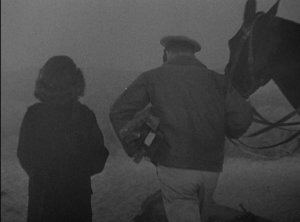
Screen shots from The Woman on the Beach and The Seventh Victim are from the author’s collection. RKO videos
Still photos from Scarlet Street and The Woman on the Beach are from the author’s collection
Image of Dusty and images from book covers from the author’s collection
Image from Murder, My Sweet from unknown source
Image of New York City from New York in the Forties, Andreas Feininger (Dover Publications, 1978)
Banana cream pie image courtesy of https://www.pngkey.com/detail/u2w7u2e6q8e6t4r5_pies-clipart-slice-pie-lemon-meringue-pie-drawing/
|














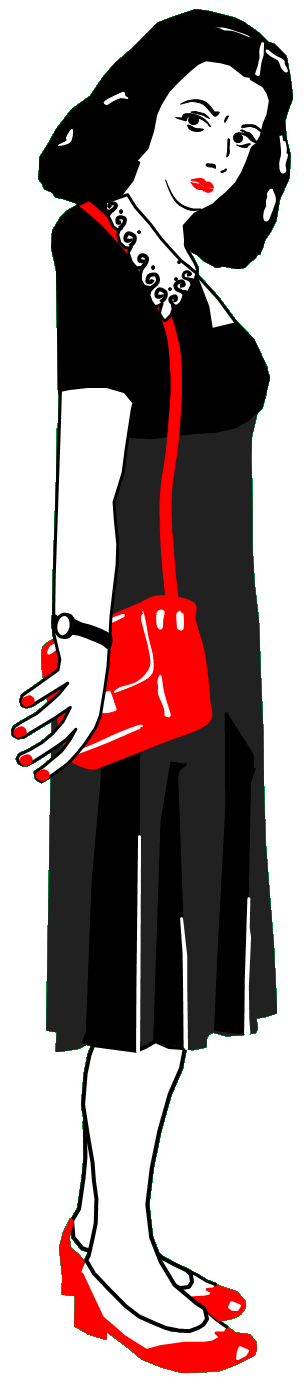





 For the experienced Detective Leo McLaughlan, I chose Fred MacMurray. Not the befuddled, cuddly MacMurray of My Three Sons, but the shrewd, been-around-the-block-a-few times version in Bordertown, Singapore, Calloway Went Thataway, and Double Indemnity (without the murderous leanings). Yup, I found great inspiration for Leo in Calloway when MacMurray’s jaded press agent told a neophyte Western actor, “You’ve got two expressions: hat on and hat off.”
 novel? None other than that queen of noir femme fatales, Claire Trevor. True, Trevor has played reliable smart-talking gals (Crackup), but her conniving dames luring men to do her selfish, illicit bidding in Murder, My Sweet and Johnny Angel were the ideal inspiration for Dead Man’s “barracuda in Max Factor.” Take a look at Trevor’s seductive first meeting with Philip Marlowe in Murder before you read Alanna’s interview with Leo McLaughlan and you’ll see exactly what I mean.

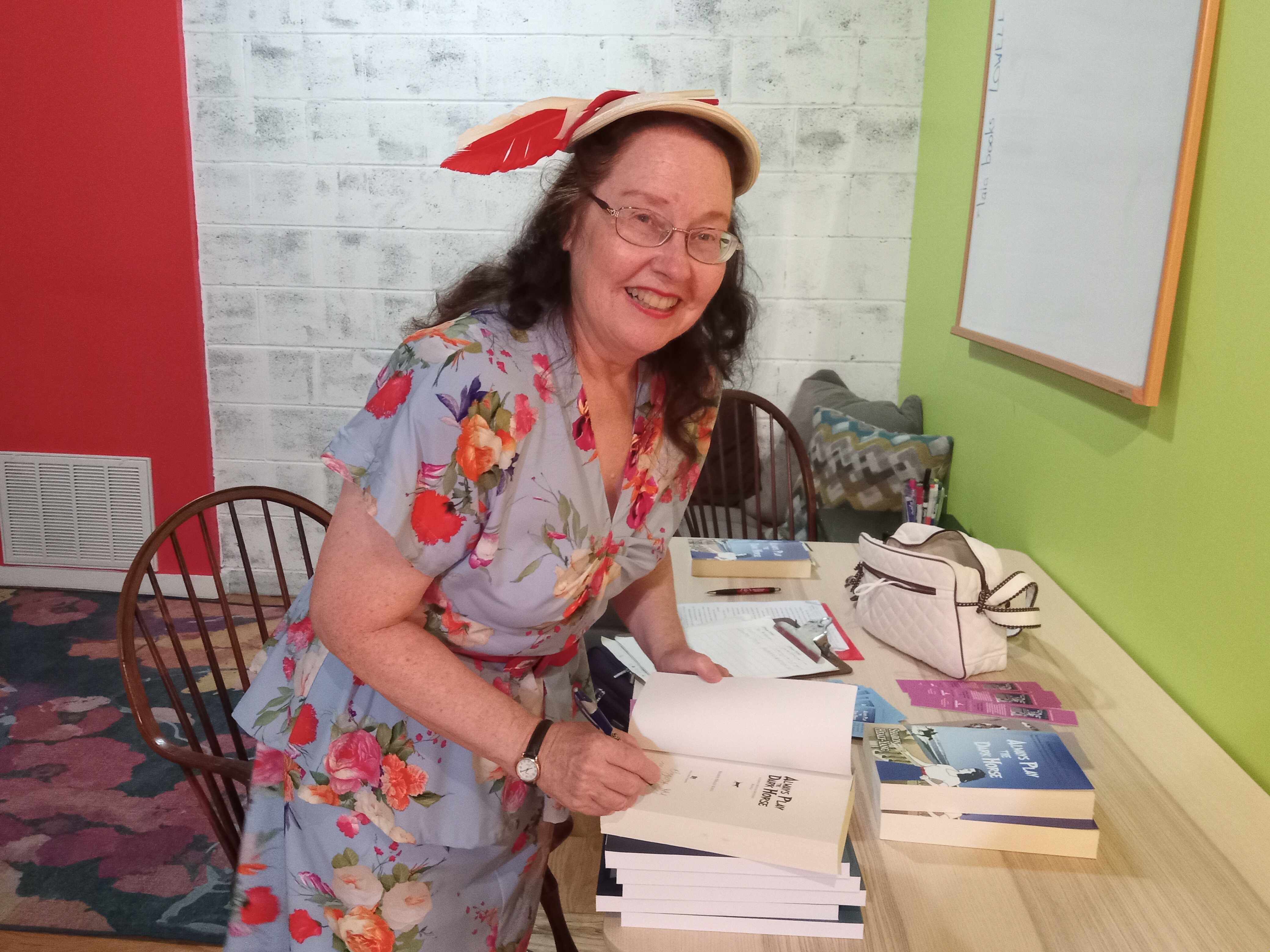
 Sharon Healy-Yang


