October Thrills and Chills with Shadows of a Dark Past!
|
October Thrills and Chills with Shadows of a Dark Past!
|

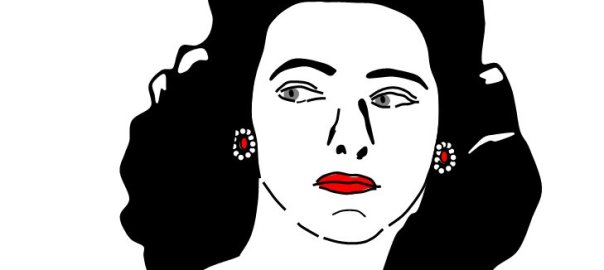
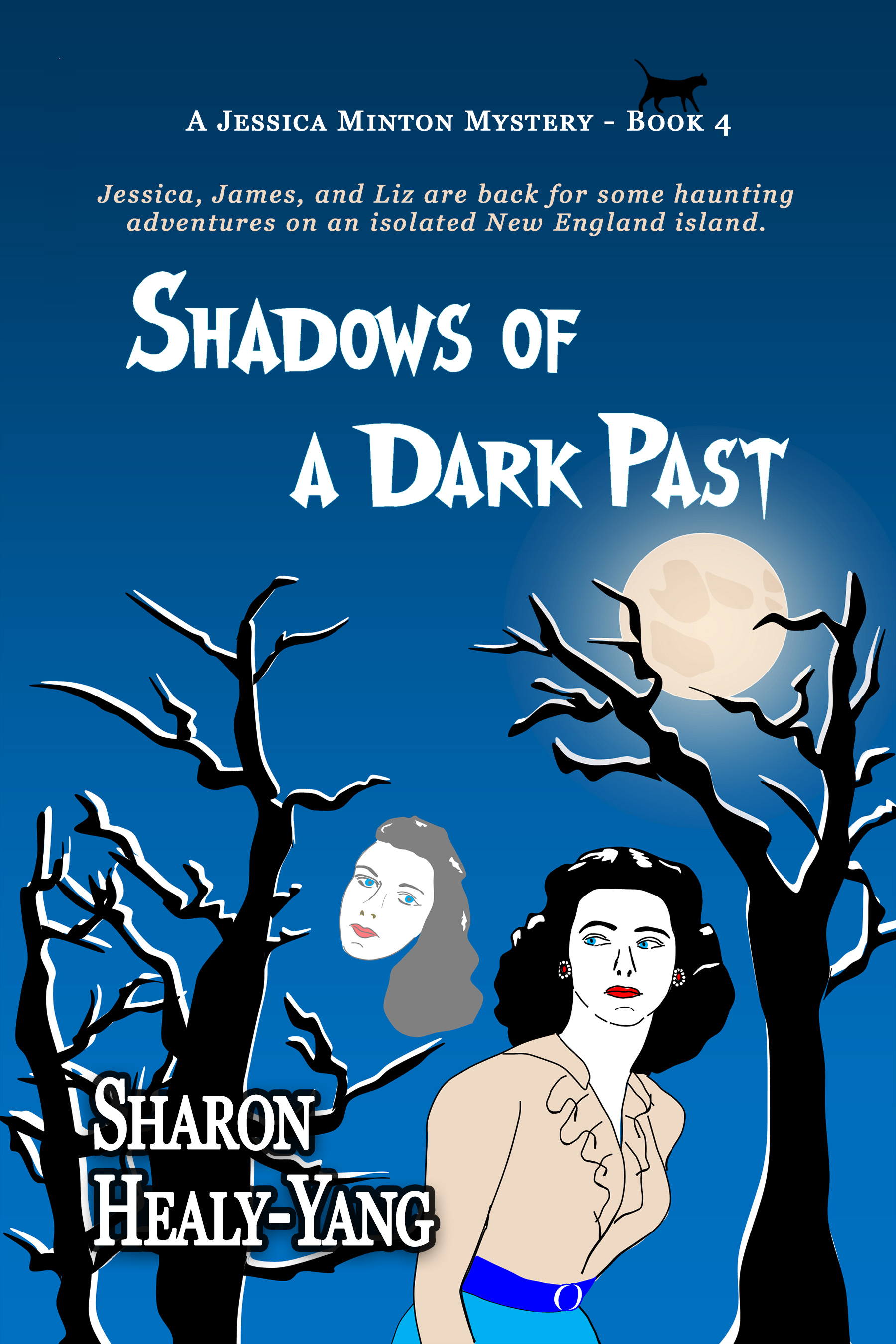
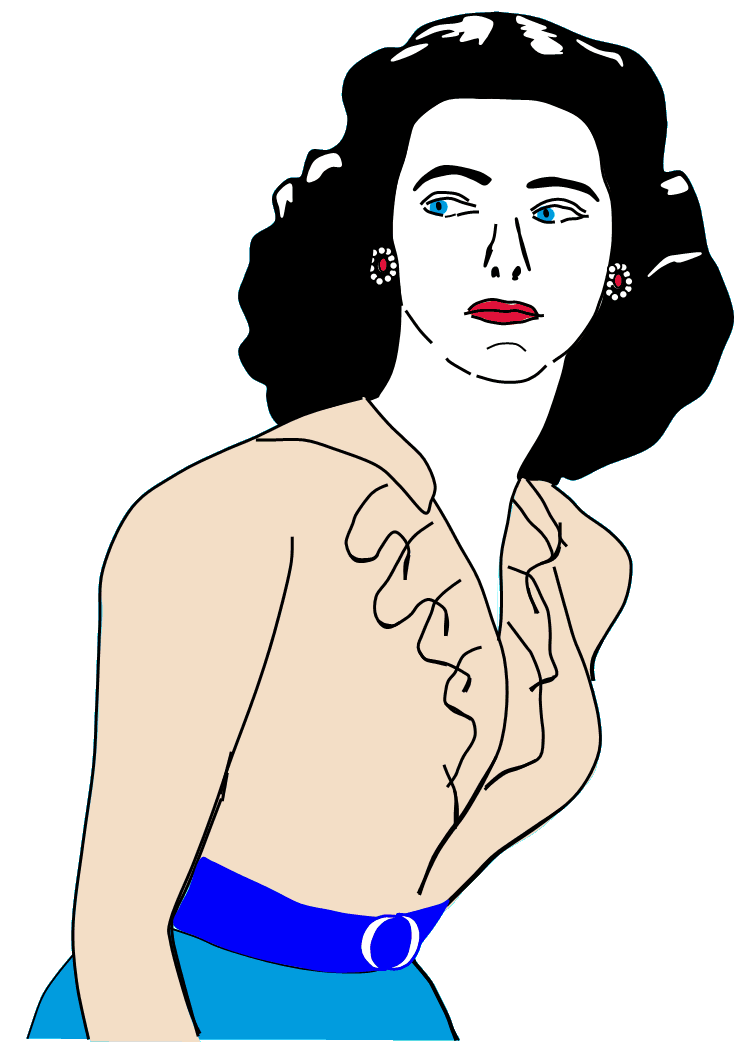
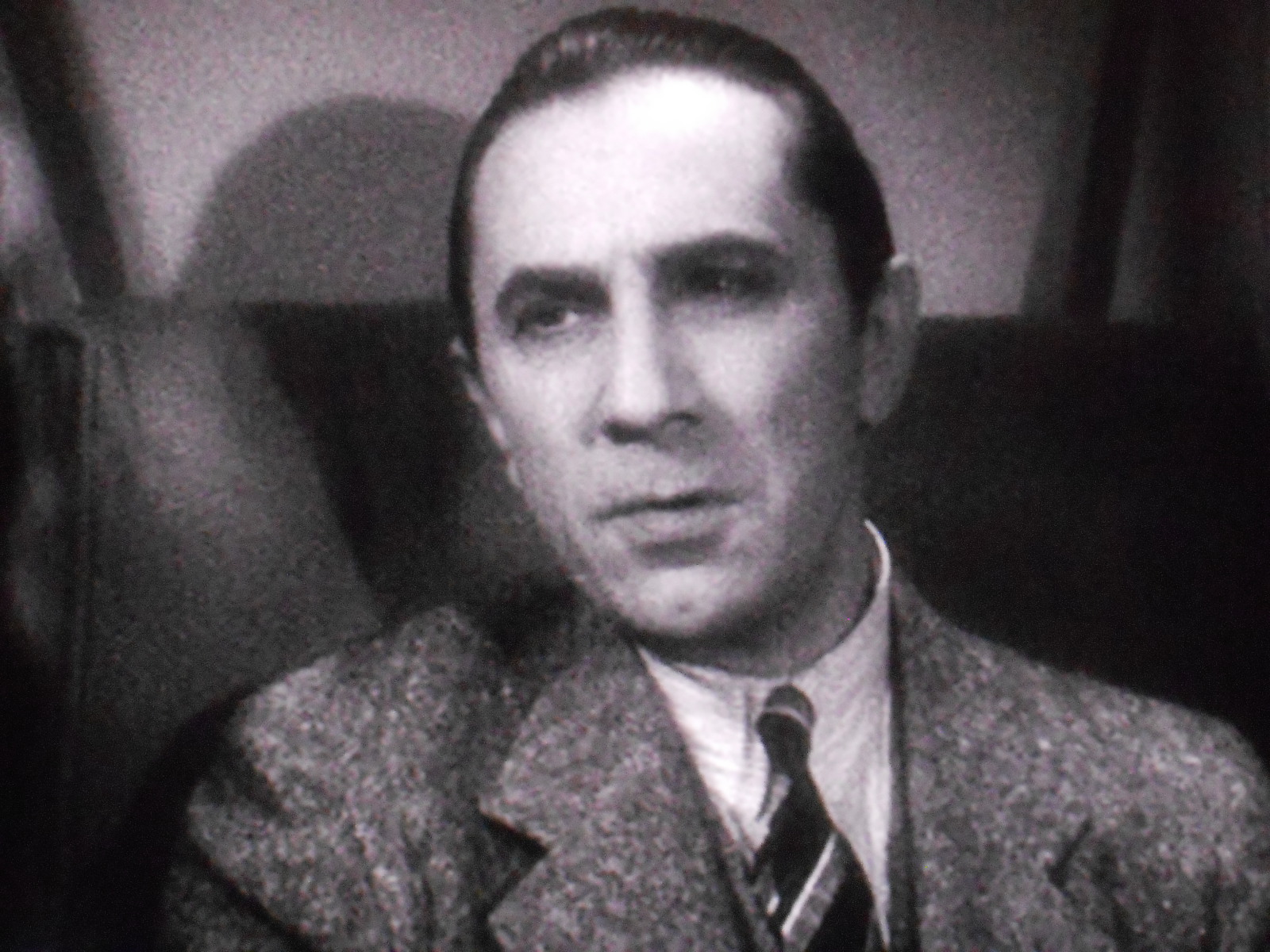
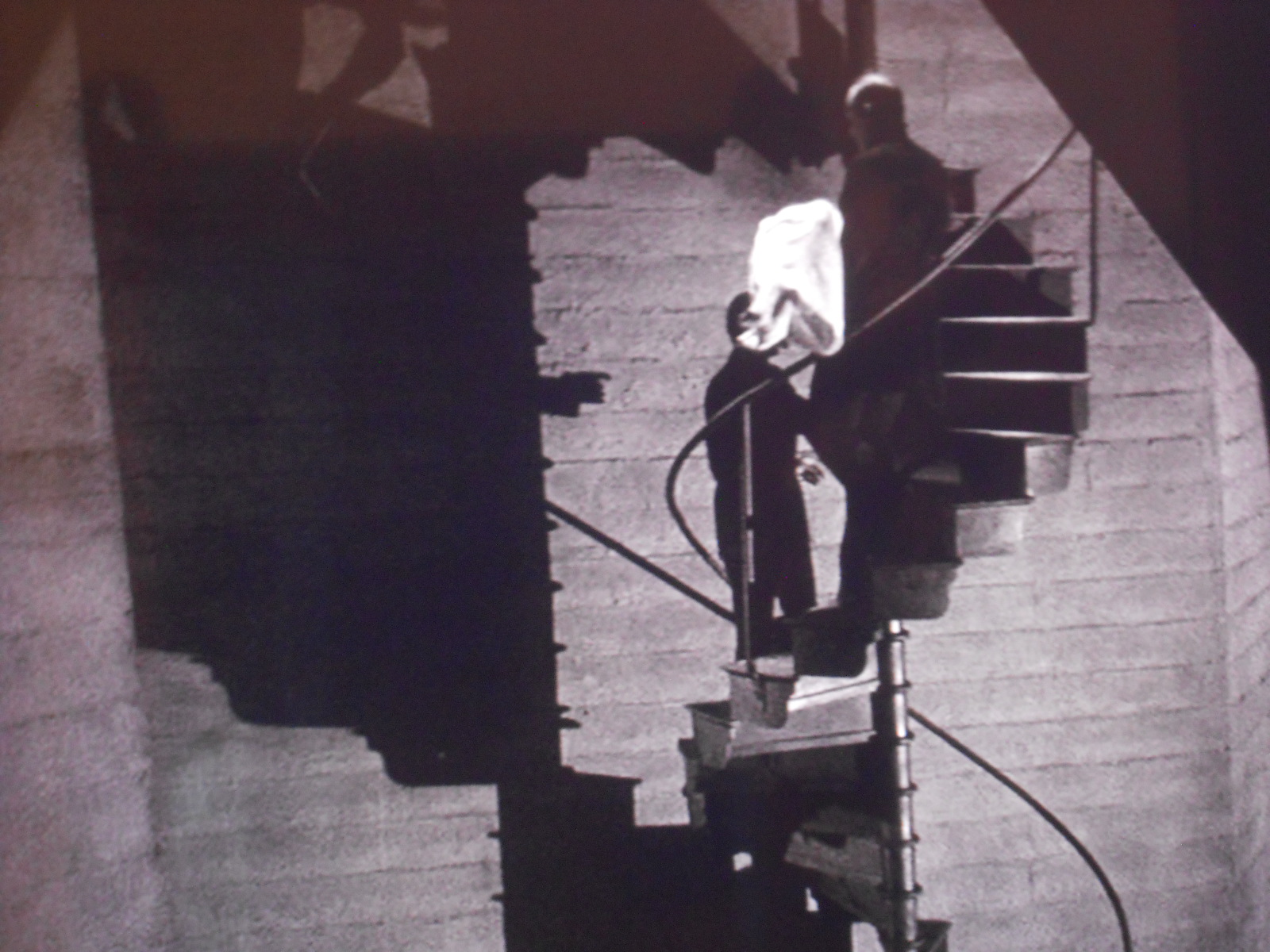
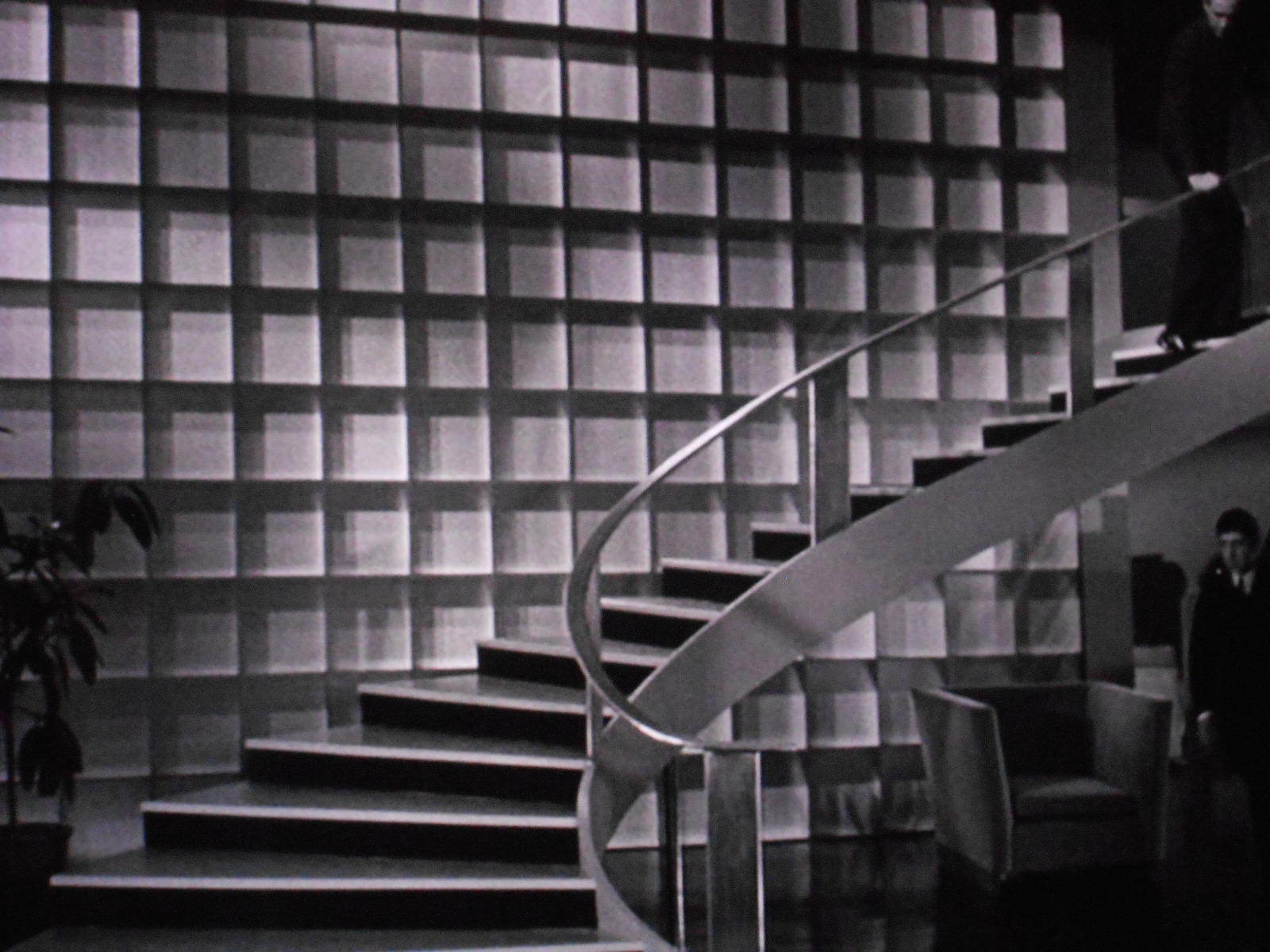
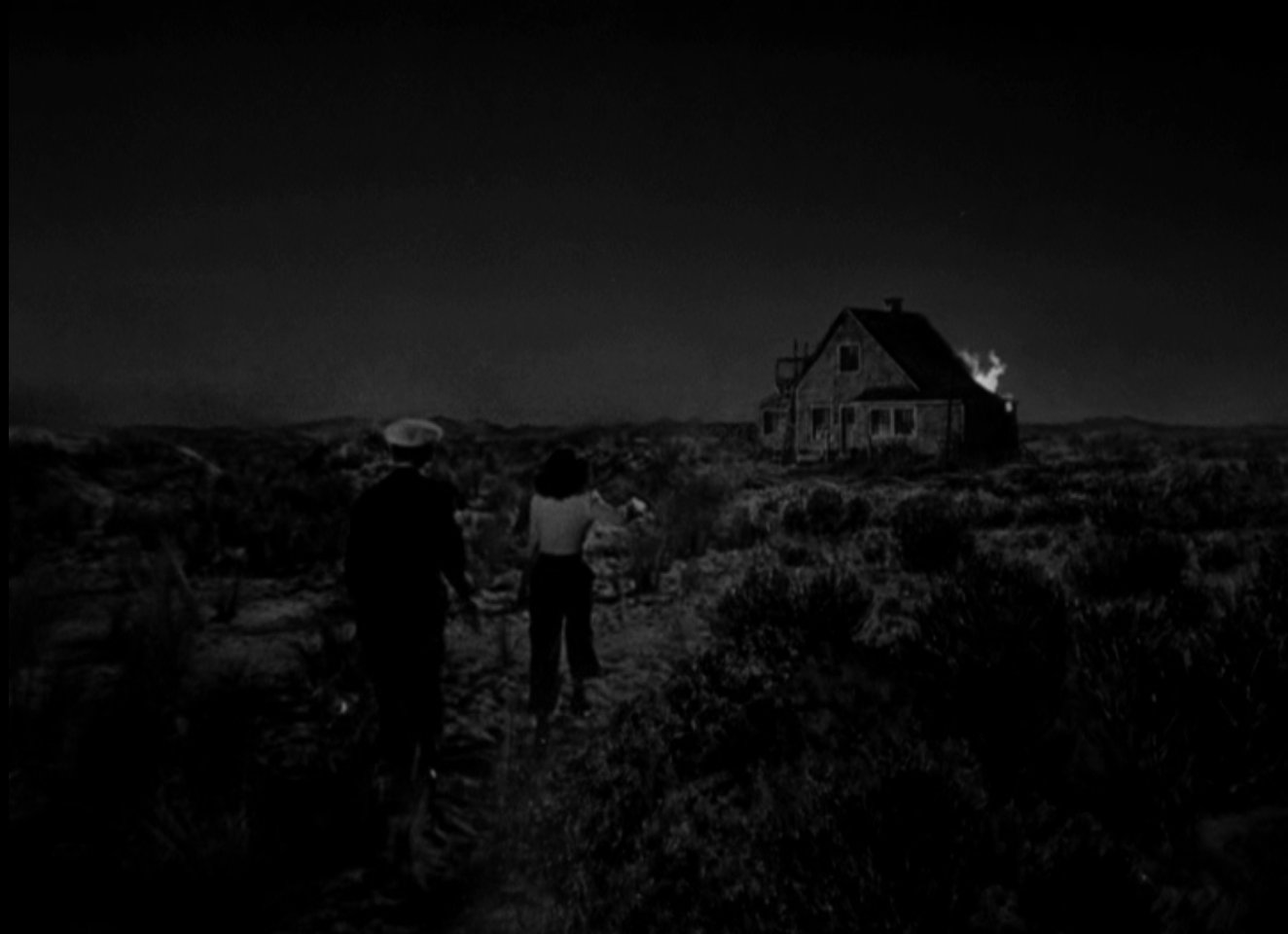
“Casting Shadows, as It Were”In the past, I’ve posted on how “casting” characters as if they were played by (mostly) classic era actors in my earlier Jessica Minton mysteries helped me flesh out their characters. Now that Shadows of a Dark Past is out, I thought you might enjoy reading about the inspirations for the folks Jessica, Liz, and James encounter on the mysterious Birdsong Island. So, let’s begin!When you’re writing a ghost story à la Val Lewton/Edgar Ulmer/ Joseph Lewis, it only makes sense that some of your characters be inspired by star players from those films. So, with whom to start? Why not the inspiration for the haunted scientist/widower of Shadows, Vitus Blasko?Who is a prime prospect to play a man whose obsession with his work cost
|
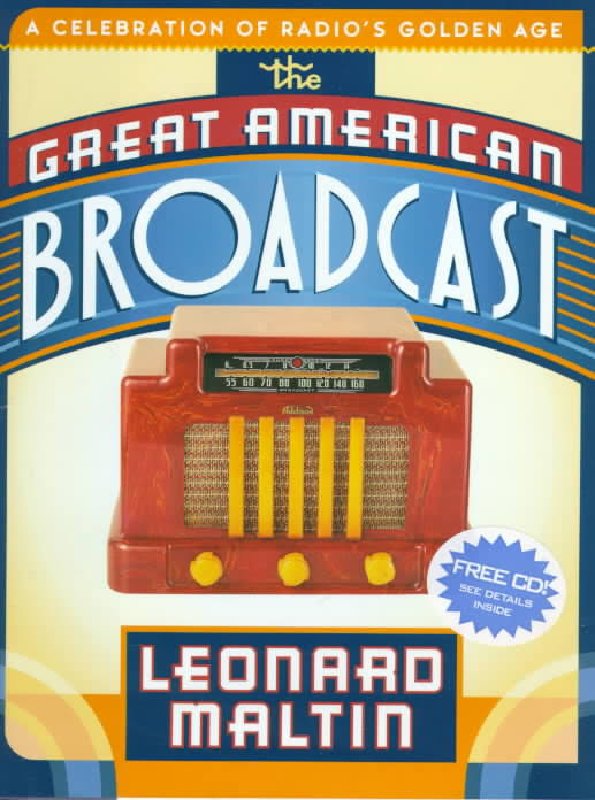
In my first novel, Bait and Switch, heroine Jessica Minton starts out as a moderately successful stage  actress. So why did I switch her from the stage to the radio as I continued the series with Letter from a Dead Man? Well, there are two reasons. First of all, radio work gave Jessica more free time to join her sister Liz in unraveling mysteries. However, the second reason is far more interesting. I’ve always been fascinated by the imaginative entertainment radio provided Americans for almost five decades. The more I delved into how shows were written and produced; what made some actors excel and others bomb when playing to an audience over the airwaves; the way audiences were engaged, even enthralled, by the “theatre of the mind,” the more possibilities I could see this environment inspiring in a mystery. actress. So why did I switch her from the stage to the radio as I continued the series with Letter from a Dead Man? Well, there are two reasons. First of all, radio work gave Jessica more free time to join her sister Liz in unraveling mysteries. However, the second reason is far more interesting. I’ve always been fascinated by the imaginative entertainment radio provided Americans for almost five decades. The more I delved into how shows were written and produced; what made some actors excel and others bomb when playing to an audience over the airwaves; the way audiences were engaged, even enthralled, by the “theatre of the mind,” the more possibilities I could see this environment inspiring in a mystery.
My first awareness of radio entertainment of the classic 1920s-50s came from old movies of the ’30s As I got older, read more, and watched movie and TV portrayals of radio with a deeper understanding, I learned more about the intricacies of production – including writing, directing, One source that especially galvanized my interest was Rupert Holmes’s Remember WENN (the real
And short stories or novels were brought alive for us as well – especially Orson Welles’s infamous trick more that treat, War of the Worlds. Both situations inspired me to think about what fun it
In Jessica’s most recent adventure, Shadows of a Dark Past, I’ve centered the story around her work In a book still in the outline stage, the plot revolves around Jessica’s work in the studio with some
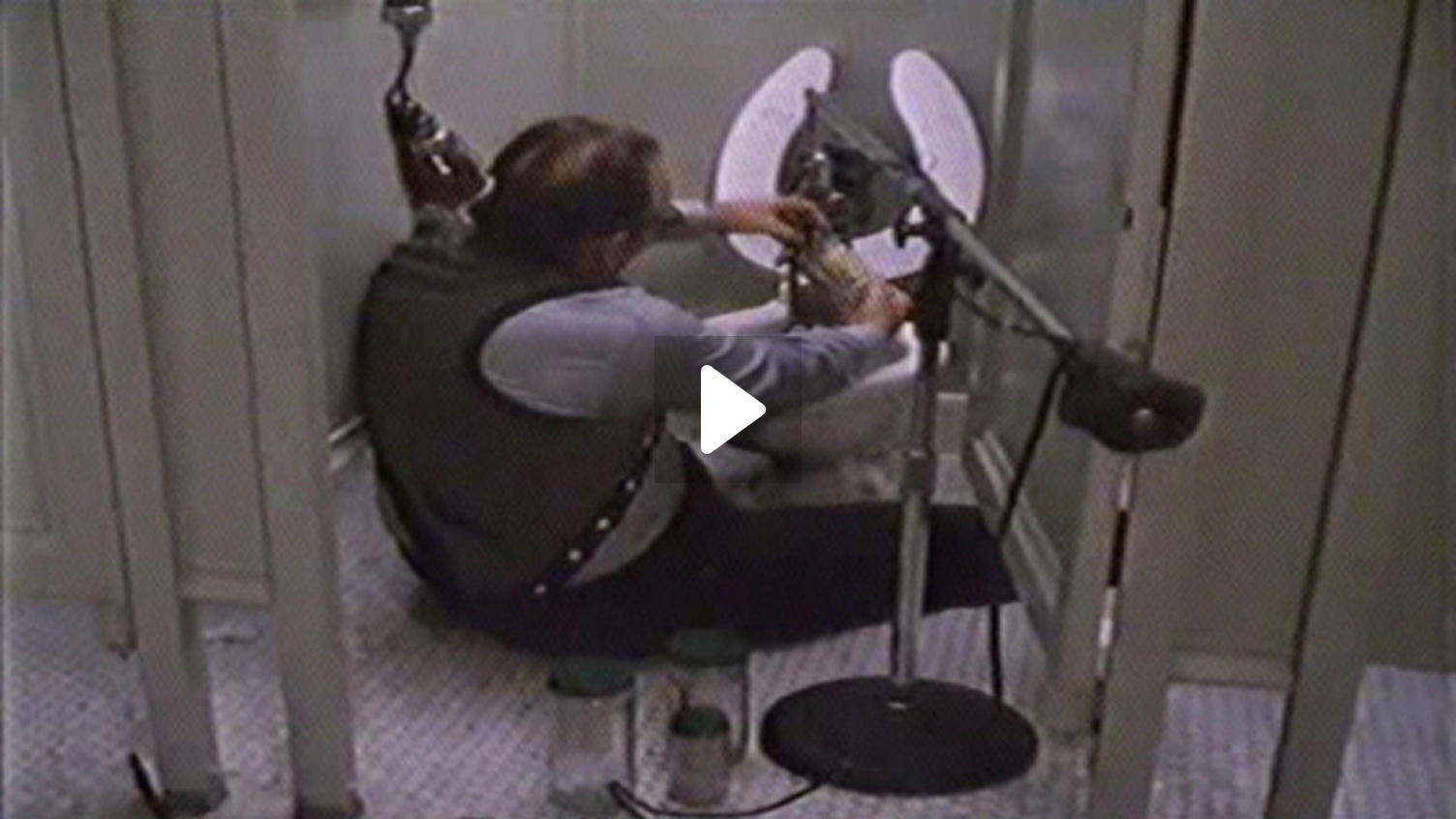
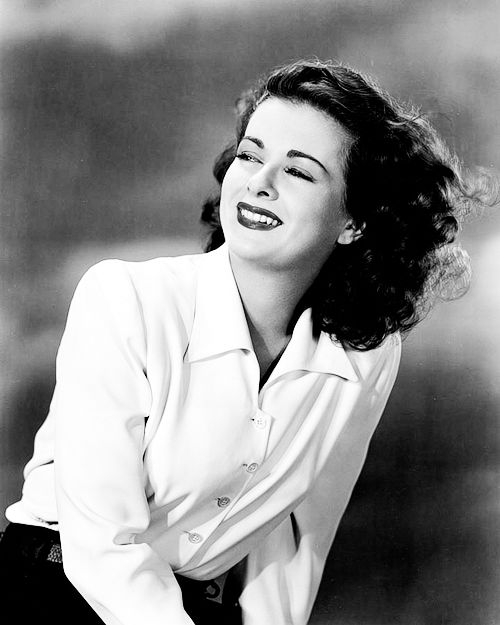
If you’re looking for some films to give you a flavor of radio at its most exciting and mystery-inspiring, check out Charlie Chan in the Wax Museum (1940), Abbott and Costello’s Who Done It? (1942), Danger on the Air (1938), The Hucksters (1949), That’s Right, You’re Wrong (1939), The Big Broadcast of 1938, Playmates (1941) The Frozen Ghost (1945), Radioland Murders (1994 – George Lucas directing, no less), and The Scarlet Clue (1945). For a sardonic look at the effects of Orson Welles’s broadcast of War of the Worlds, have a chuckle at Hullabaloo (1940); and for a (mostly) more serious look, watch The Night That Panicked America (1975). Image of Orson Welles directing: Broadcasting play: https://musingsofamiddleagedgeek.blog/2022/10/07/the-night-that-panicked-america-1975-is-a-little-seen-tv-movie-about-the-greatest-halloween-prank-ever-played/ Screen shot of soundman and toilet from The dvd The Night That Panicked America,CBS Studios, (c) 2014 Image of Melinda Mullins from AMC Movie Magazine. Image of Joan Bennett, Dusty, and Jessica Minton, author’s collection Back to Home Page |
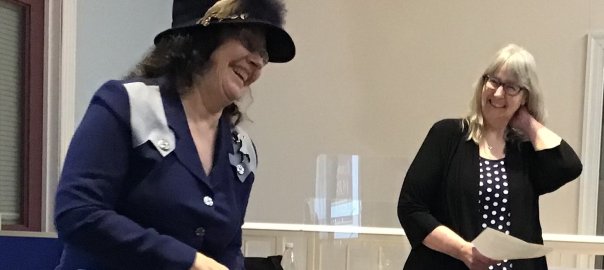

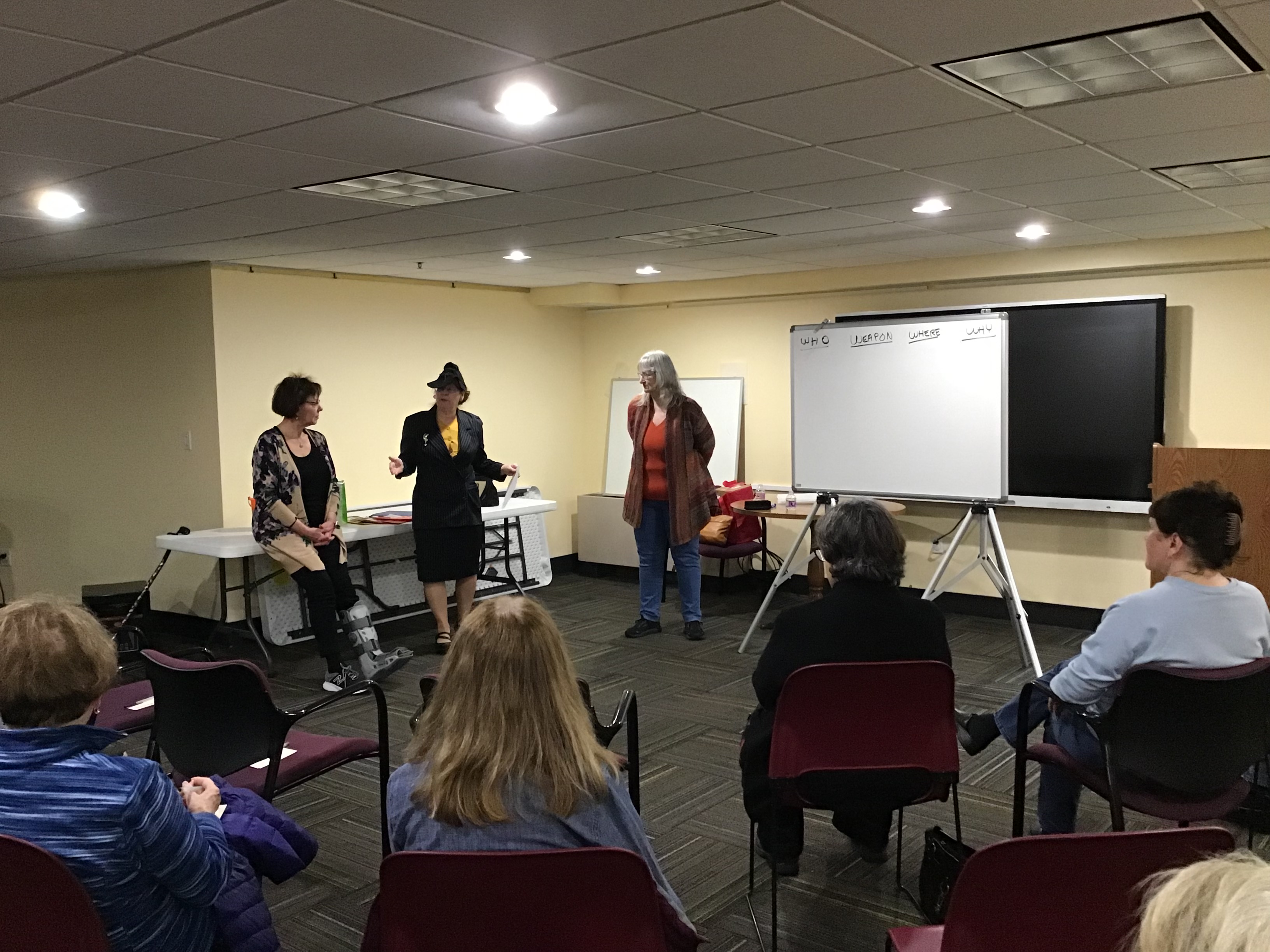
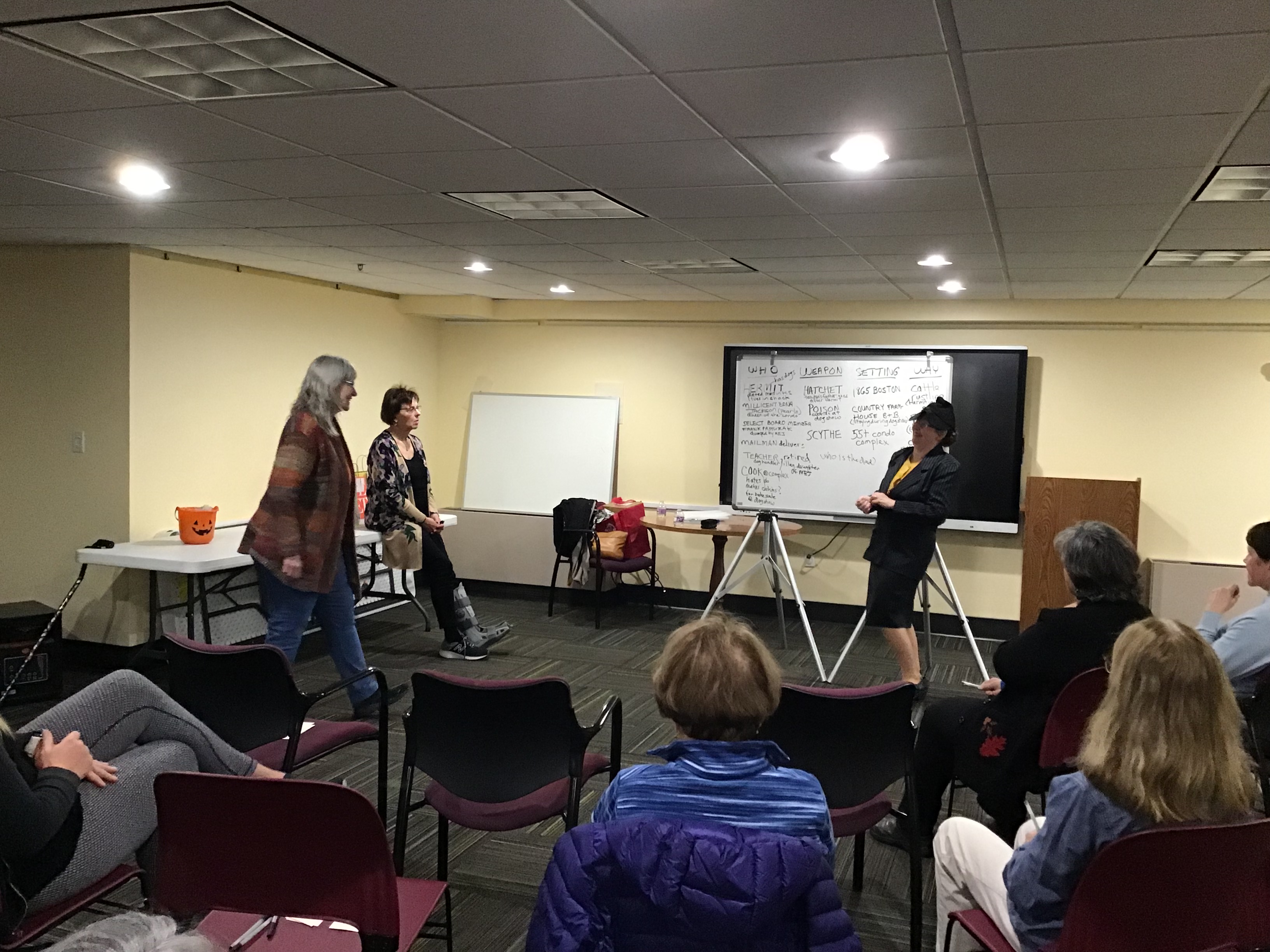
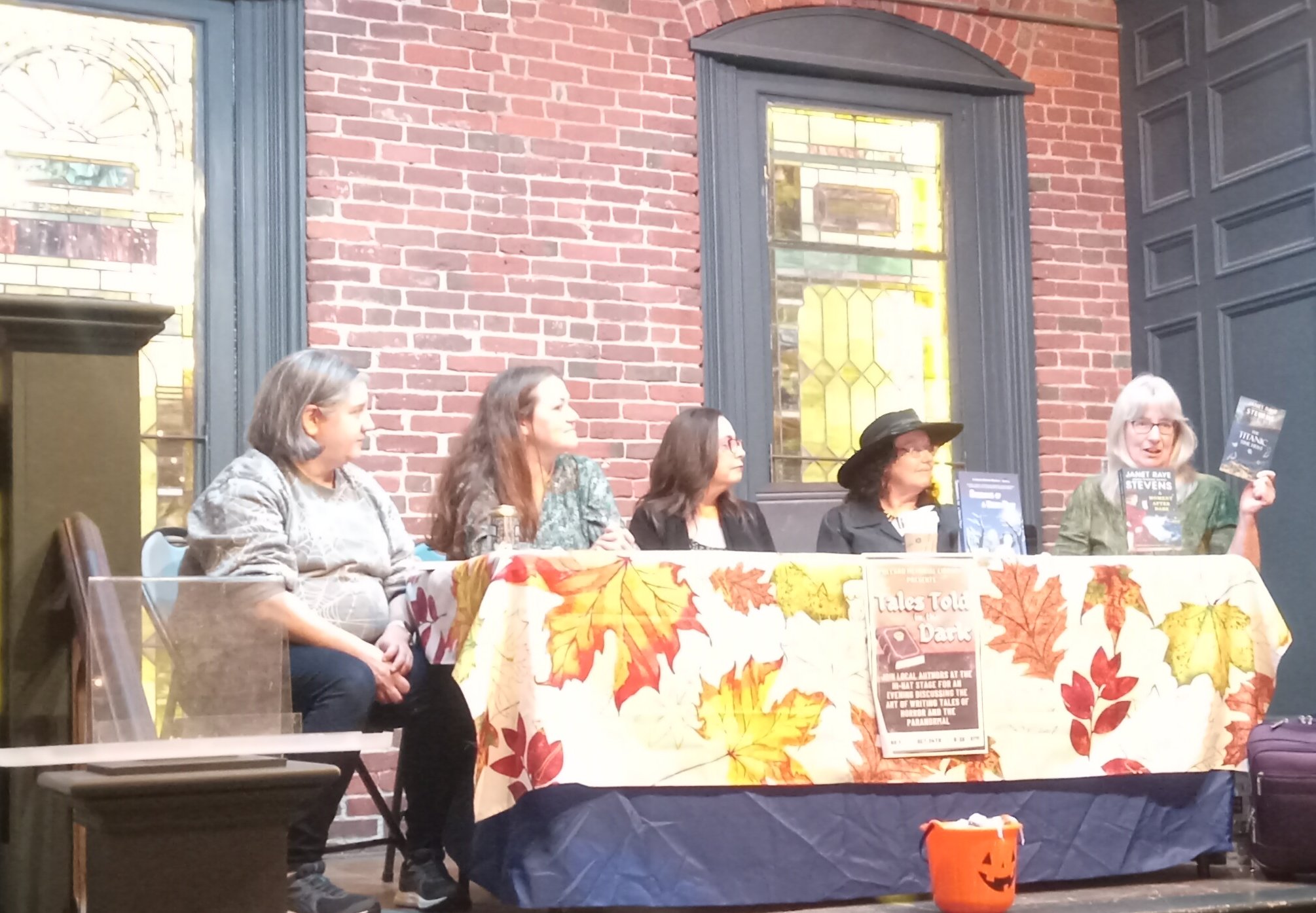
I first met sister-author Janet Raye Stevens when my friend Lisa Lieberman (another mystery Janet and I both love the 1940s, especially the era’s sharp and challenging mysteries, which inspire our own writing. We are especially taken by the “smart-talking gals” populating 1930s-40s mysteries, neither femme fatale not babyish innocent: a woman who has been around, learned the ropes, but has not lost her integrity.
However, you can’t talk about the influence of movie smart-talking gals without showing some clips, can you? For fun, we showed a clip from a 1938 Nancy Drew movies, where a teenage Nancy not only recognizes a kidnapping and tracks kidnappers in her car, only thwarted when her car has a flat – which she changes herself without missing a beat. Sisters were doing it for themselves in 1938, and we talked about how the wave of independence continued through the 1940s, in real and reel life.
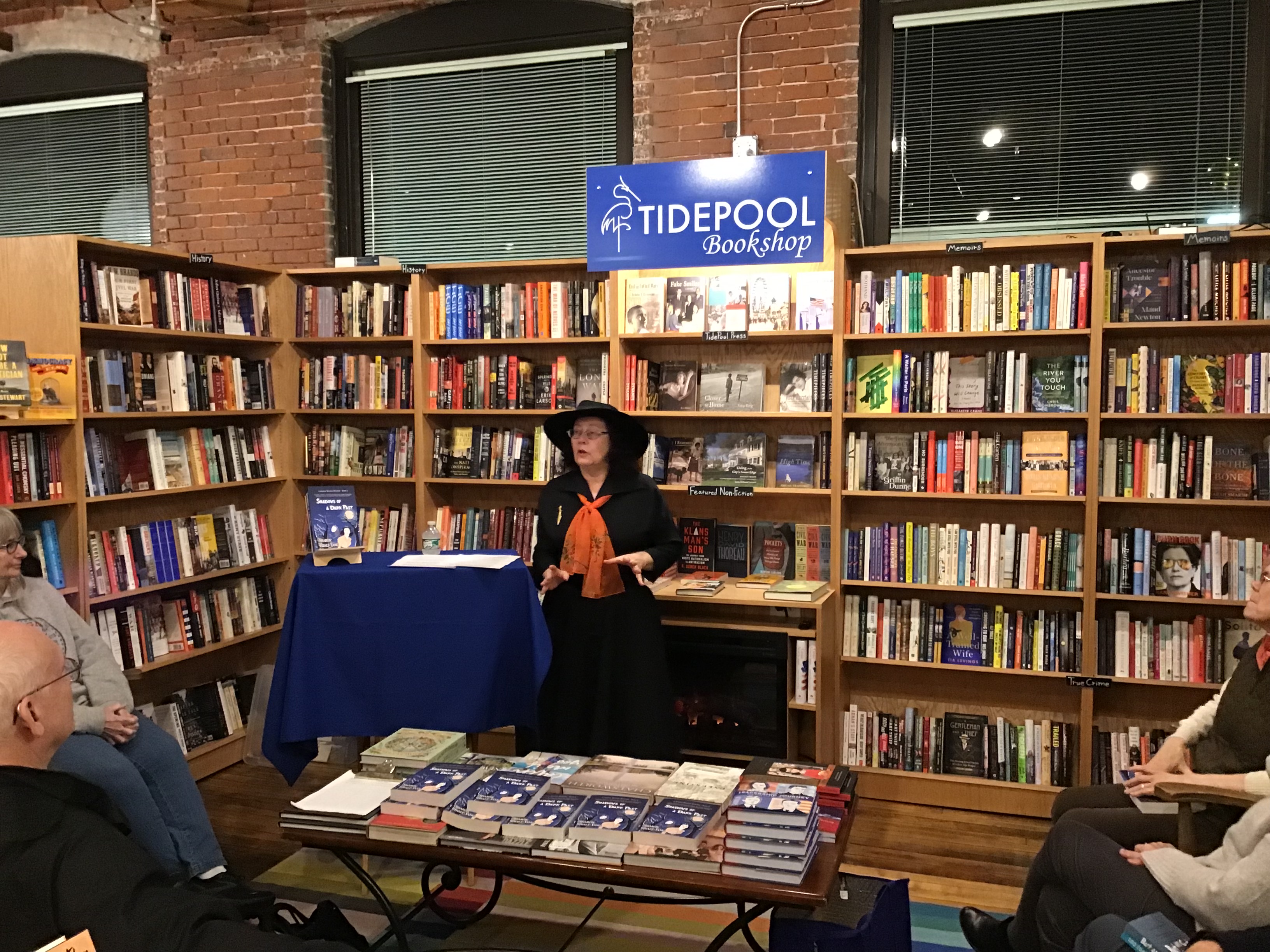
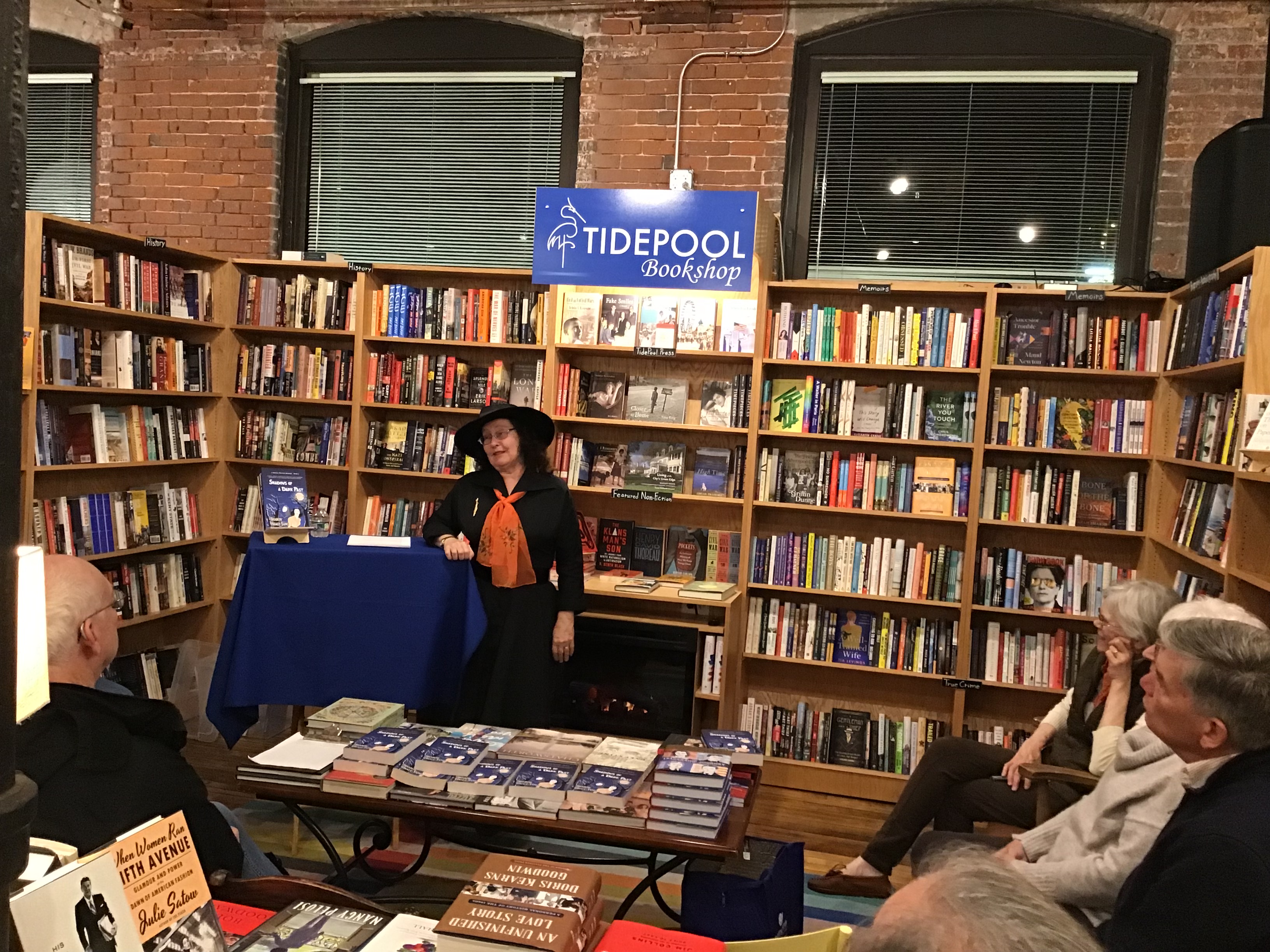
So, if you think this evening sounded like fun, get in touch with Janet (janetrayestevens@gmail.com) or me (syang@worcester.edu) and maybe we can make an appearance at a library, senior center, or other venue near you. (P.S. Yang made my suit based on an actual 1940s suit that I own!) |

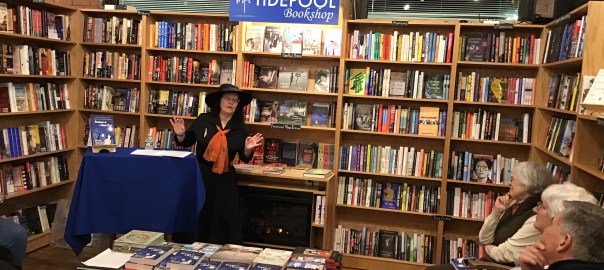
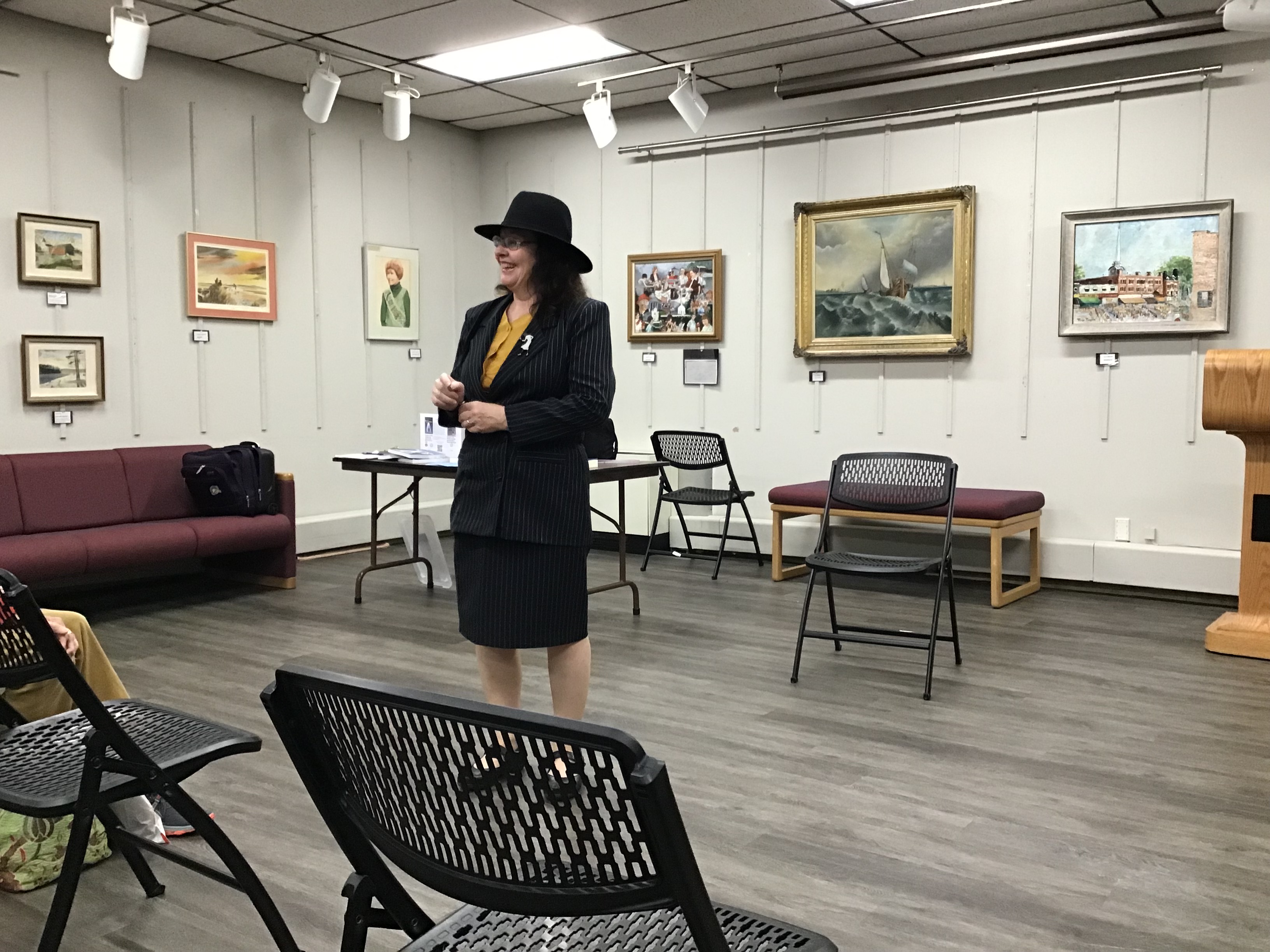
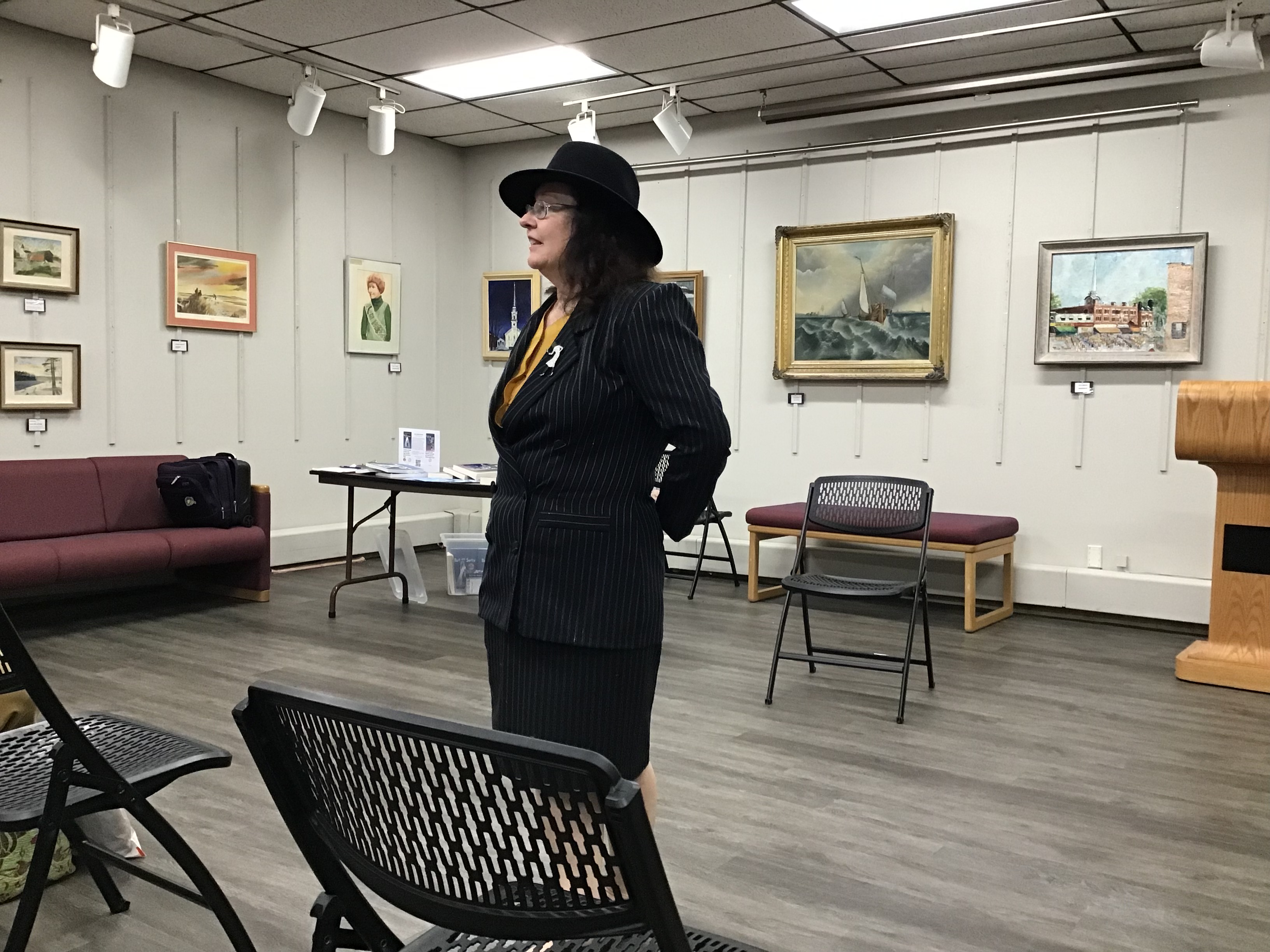
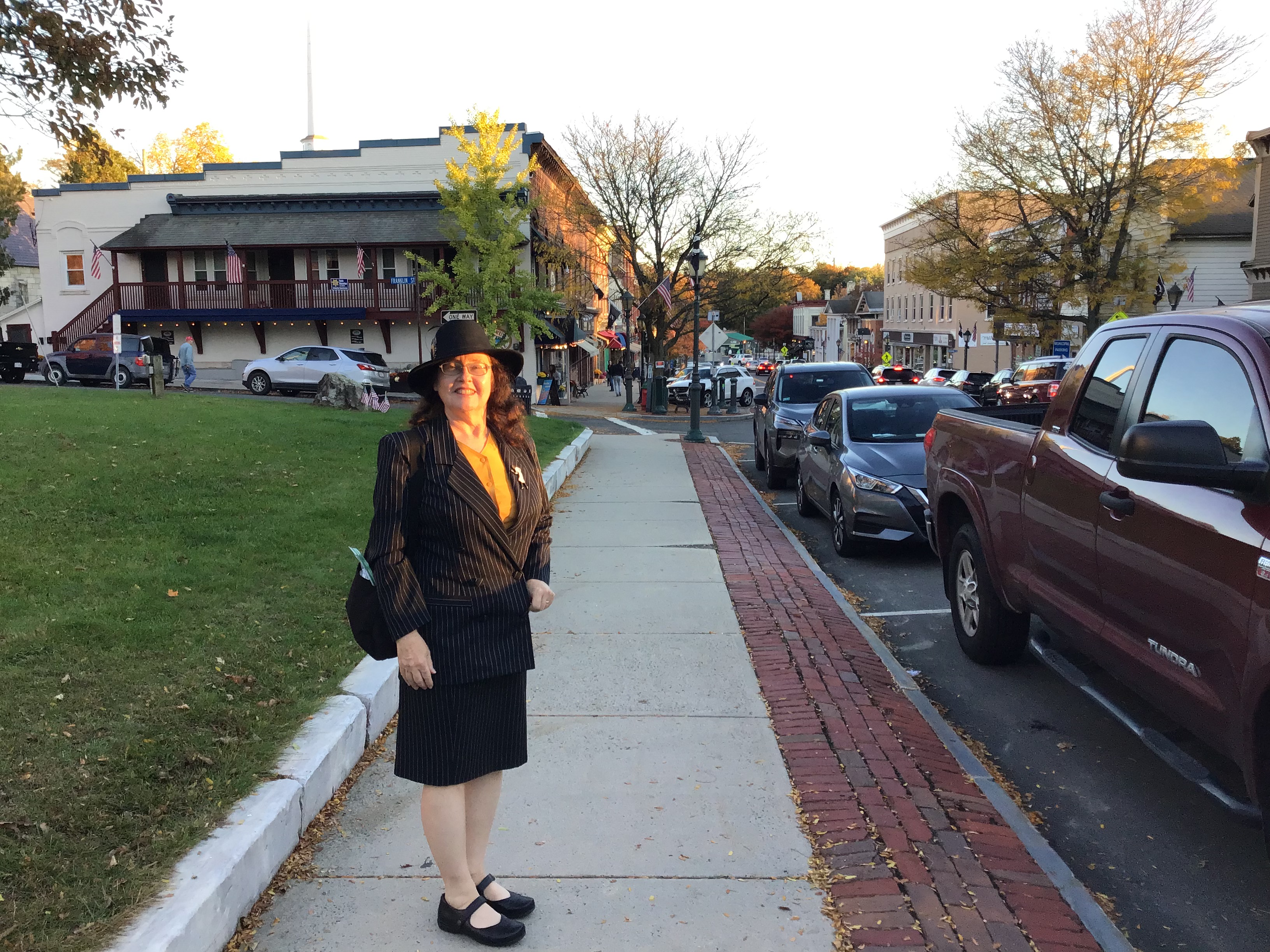
Since some of the Covid issues have waned, I’ve started going back to doing in-person author readings. Friday, October 14th, I had the good fortune to do an event at the Lee Library in Lee,  Massachusetts. What a wonderful day! Lee is in the western part of Massachusetts, so my husband and I had an exciting drive through all the gorgeous fall foliage to arrive at our destination. Lee is a neat little town with a main street of equally neat shops, and in an antique store I found a 1940s movie magazine with pictures of favorite stars. The main Massachusetts. What a wonderful day! Lee is in the western part of Massachusetts, so my husband and I had an exciting drive through all the gorgeous fall foliage to arrive at our destination. Lee is a neat little town with a main street of equally neat shops, and in an antique store I found a 1940s movie magazine with pictures of favorite stars. The main  street has lots of tasty restaurants. We had our lunch at The Starving Artist Cafe, where they craft the yummiest sandwiches and street has lots of tasty restaurants. We had our lunch at The Starving Artist Cafe, where they craft the yummiest sandwiches andcrêpes. They made a pumpkin latte that was absolutely perfect – not all sugary and fake whipped cream, but good coffee, the flavor of pumpkin spice, and steamed milk. We sat outside at the street seating on a warm October day and enjoyed the small-town scenery, great food, and trees dressed in their autumn flames and oranges.  After a stroll amongst the shops and a peek at some of the gorgeous Victorian houses in town, we went to the library for my talk. You can see what a beautiful old building the library is. When visiting the town earlier, I was taken with the building and thought, “I’d like to do a talk here.” Well, I contacted Jodi Magner at the library, and she was tremendously welcoming and enthusiastic at the prospect of my doing an event. She told me that they loved mysteries in that town! After a stroll amongst the shops and a peek at some of the gorgeous Victorian houses in town, we went to the library for my talk. You can see what a beautiful old building the library is. When visiting the town earlier, I was taken with the building and thought, “I’d like to do a talk here.” Well, I contacted Jodi Magner at the library, and she was tremendously welcoming and enthusiastic at the prospect of my doing an event. She told me that they loved mysteries in that town!
Say, how do you like the pin-stripe black suit and the black fedora? I thought the gold blouse was just right to add fall color. Should I have brought along a gat? I’m hoping to go back in the summer, after the fourth novel comes out: Shadows of a Dark Past. Maybe I’ll see you there!
|
|

|
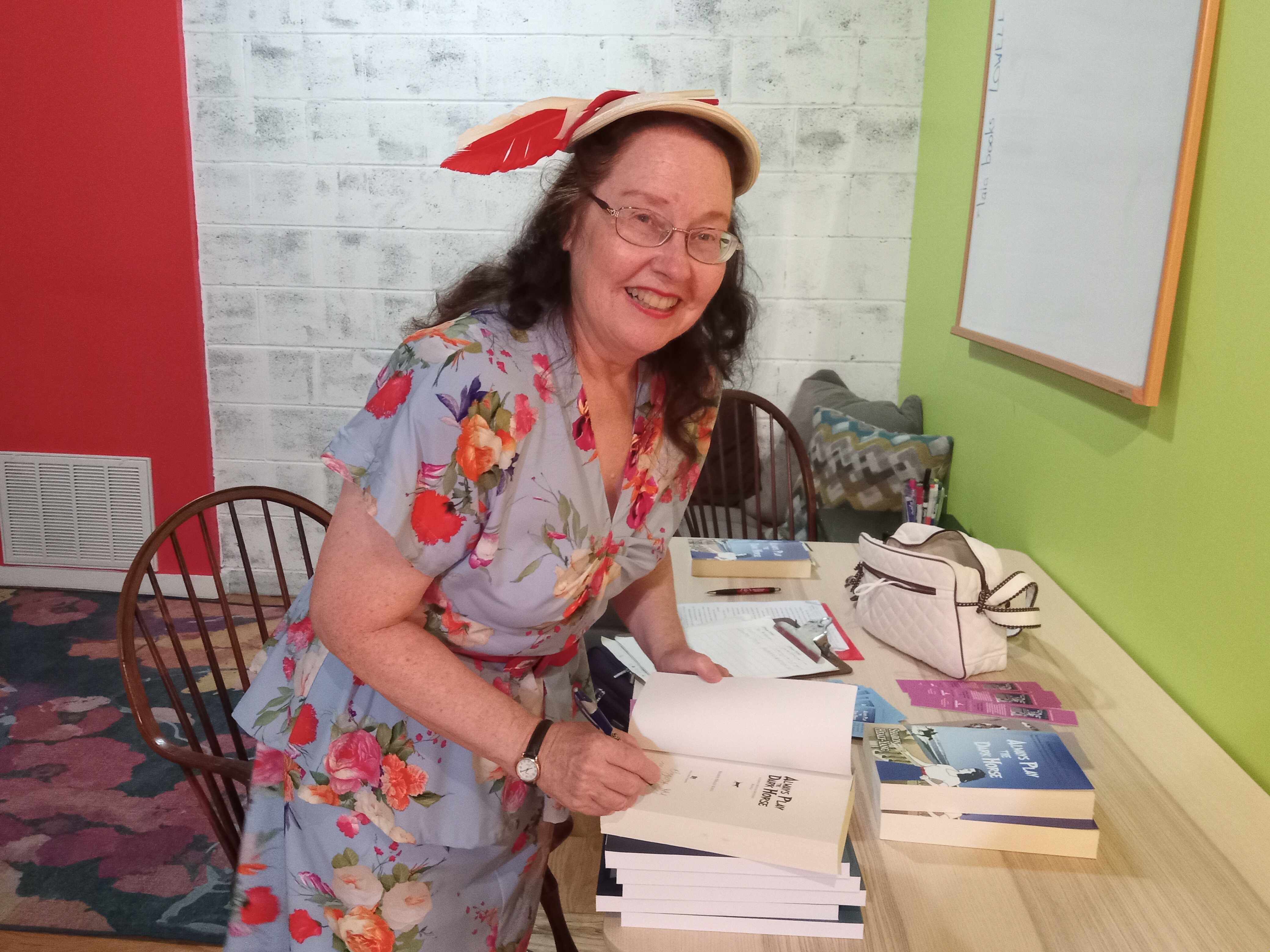
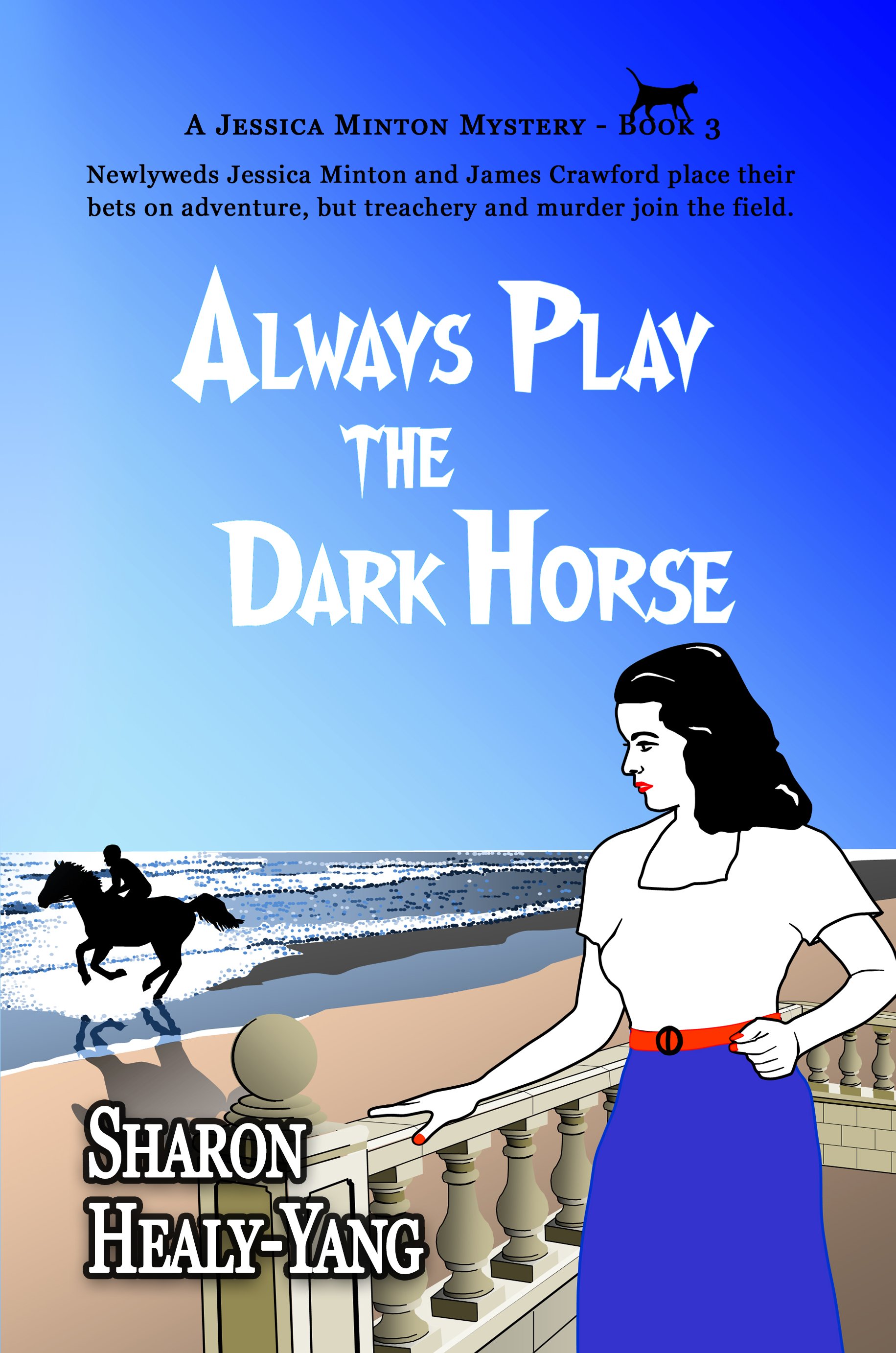
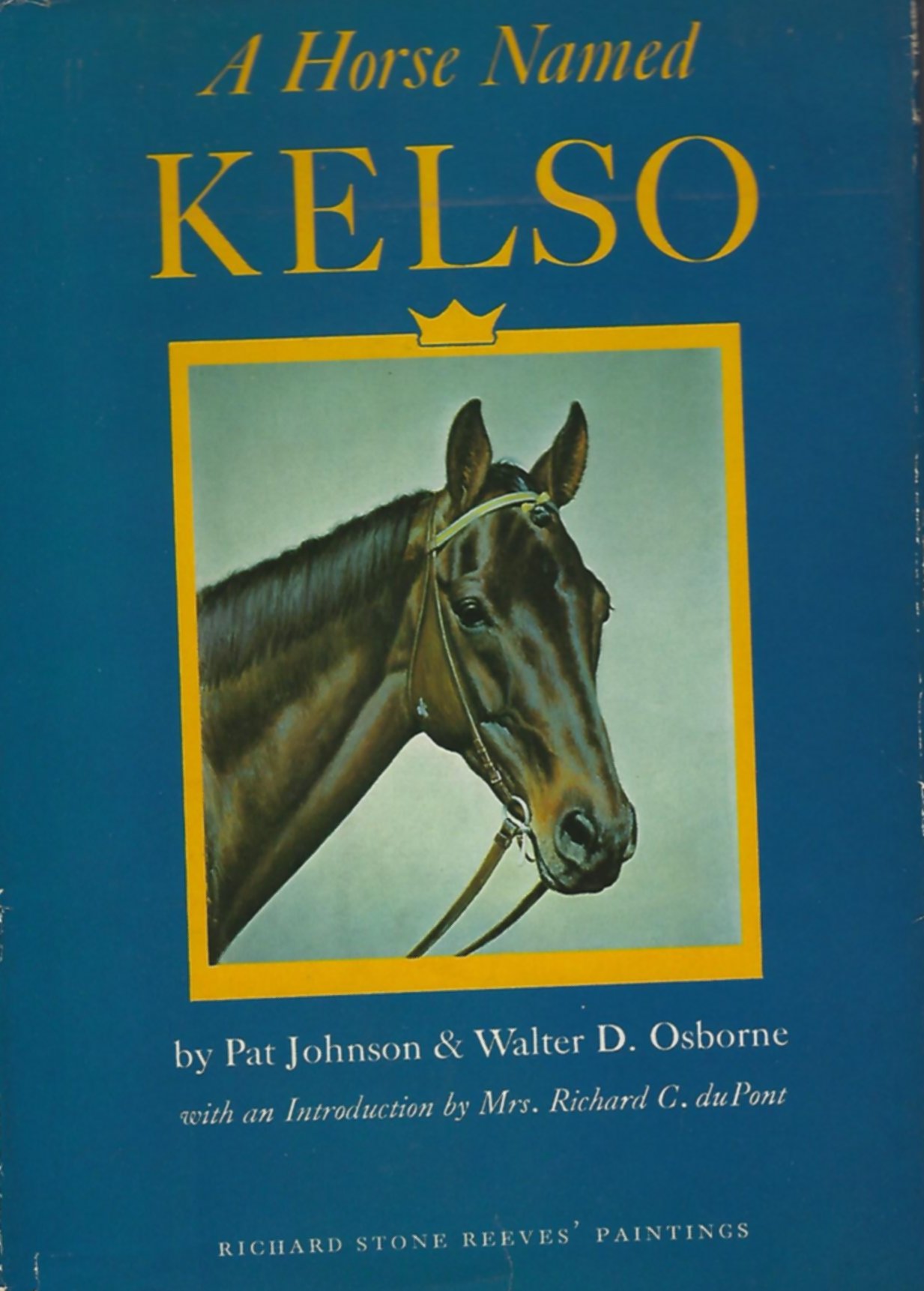
 I’ve been a horse-racing aficionado since 1966, when I started watching the Triple Crown races on TV. My pick was Amberoid, who finished eleventh in the Derby, moved on up to third in the Preakness, then blasted home first by 2 1/2 lengths in the Belmont Stakes. Sorry Kaui King on crimping your Triple Crown bid. So it’s been lots of fun for me to bring my favorite sport into play in Always Play the Dark Horse. For verisimilitude, I drew on some real race horses’ interesting quirks when creating the equine players of my story. I’ve been a horse-racing aficionado since 1966, when I started watching the Triple Crown races on TV. My pick was Amberoid, who finished eleventh in the Derby, moved on up to third in the Preakness, then blasted home first by 2 1/2 lengths in the Belmont Stakes. Sorry Kaui King on crimping your Triple Crown bid. So it’s been lots of fun for me to bring my favorite sport into play in Always Play the Dark Horse. For verisimilitude, I drew on some real race horses’ interesting quirks when creating the equine players of my story.
Another champion handicap horse, equally determined but far less free with his chompers, was Devil His Due was a racer of the 1990s who looked as if he could have played the title role in Walter Farley’s Black Stallion series. Unusual for a champion stallion, he was not retired early but ran into his sixth year. Also unusual, he was sound enough to never have run on Lasix. I was even lucky Our black stallion was also famous for a little escapade with the IRS, a version of which makes it into
Sources for information and Images on each of the thoroughbreds. If you believe the posting of an image here violates your copyright, please contact me and I will remove it. No violation of copyright intended. Amberoid photo: Turf and Sport Digest Cover, September 1966 Equipoise Kelso Devil His Due |
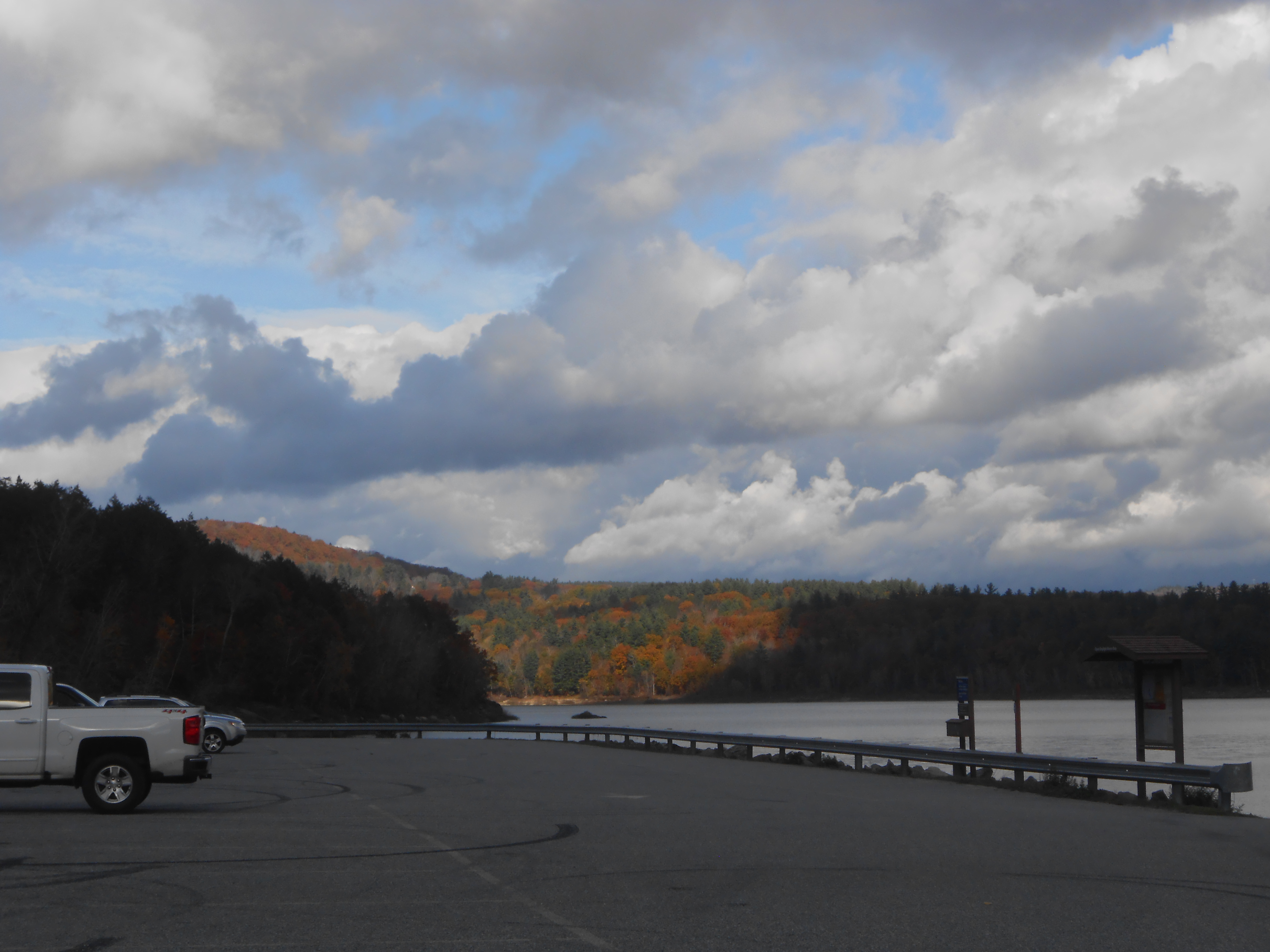
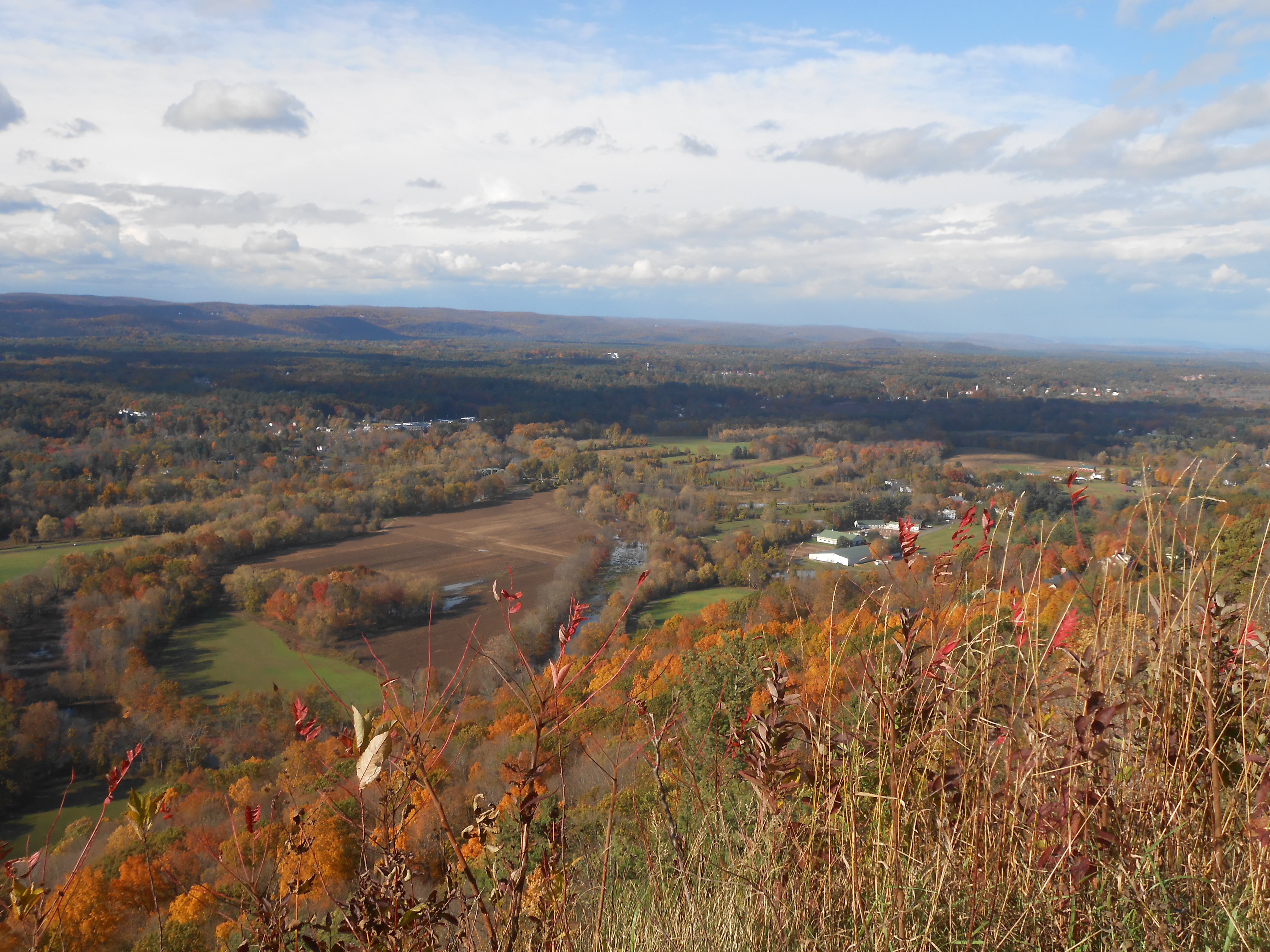
Here we are with only two days left to November, closing out autumn.
|
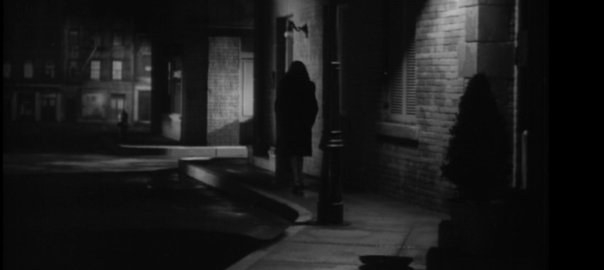
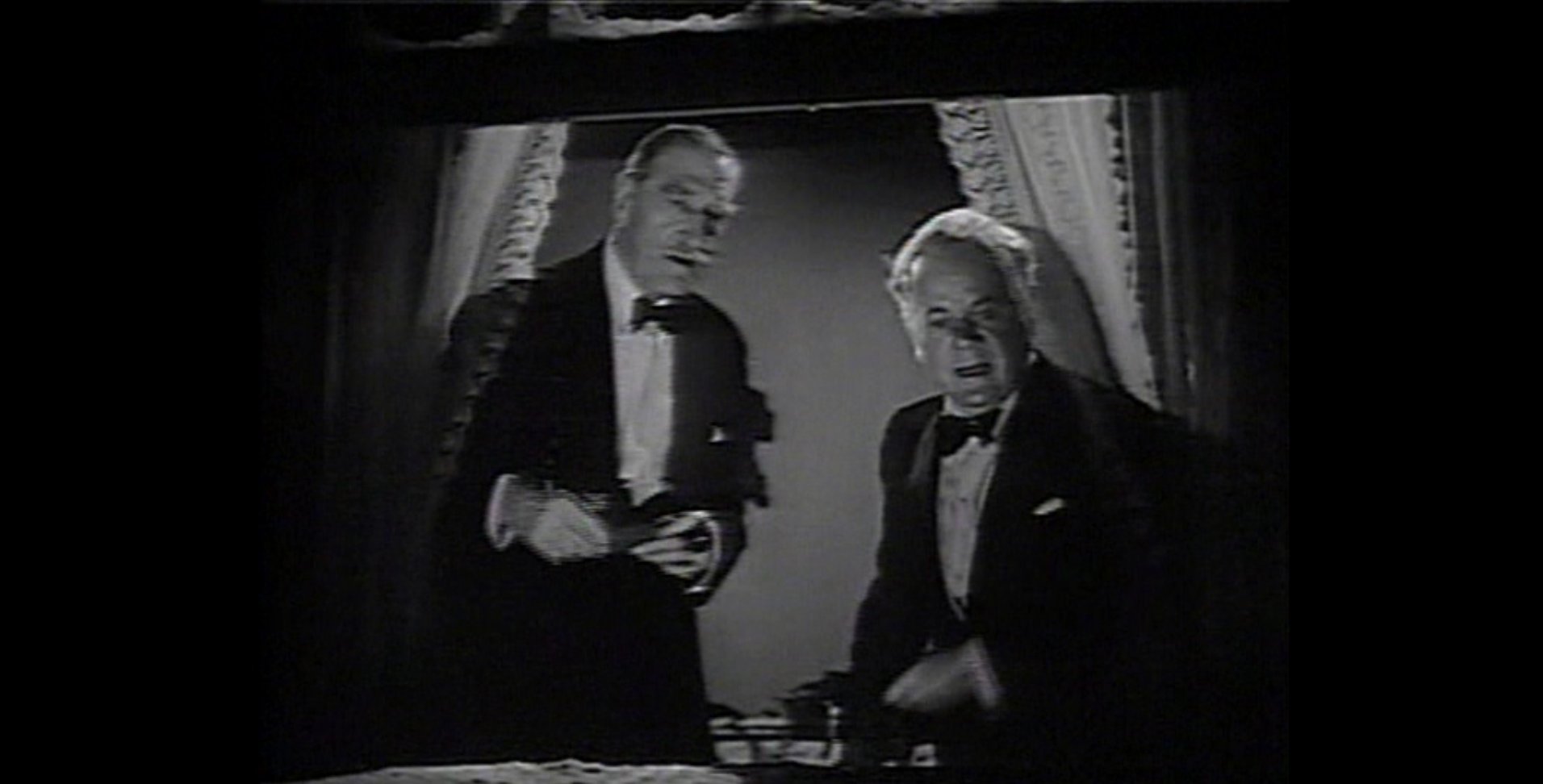
Growing up watching films from the ’30s, 40’s, and 50s, often in the dark hours of
|





































 Sharon Healy-Yang
