|
|

I recently saw this meme in my feed on FaceBook and said to myself, “Oh, how painfully true!”
|

“Casting Shadows, Part Two”
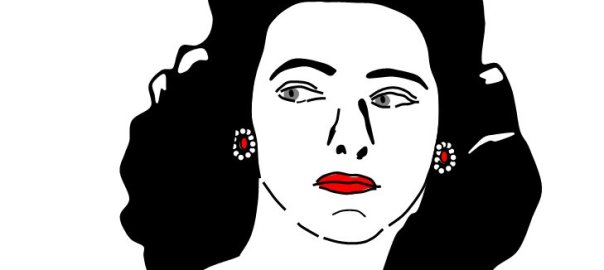
Jeanne Rivers and Madame Wanda are two ladies who may or may not be whom they seem.
Madame Wanda – Wanda Hendrix brings more than a first name to Shadows’ medium. Apple- Next entry, a look at more of Jessica’s colleagues from the Wellstone Mystery Hour. Casting Shadows, Part OneShadows of a Dark PastJessica Minton MysteriesHomeImages-Claude Rains Photo from John Engstead. Star Shots: Fifty Years of Pictures and Stories by One of Hollywood’s Greatest Photographers. New York: EP Dutton, 1978. p. 185. -Jean Brooks in white trenchcoat: Wikipedia public domain, https://en.wikipedia.org/wiki/Jean_Brooks#/media/File:Jean_Brooks_1940s_fan_photo.jpg -Jean Brooks in plaid jacket public domain: https://commons.wikimedia.org/wiki/File:Jean_Brooks_in_The_Falcon_in_Danger_1943.png?uselang=en#Licensing -Wanda Hendrix photo, Author’s collection
|

“Casting Shadows, as It Were”In the past, I’ve posted on how “casting” characters as if they were played by (mostly) classic era actors in my earlier Jessica Minton mysteries helped me flesh out their characters. Now that Shadows of a Dark Past is out, I thought you might enjoy reading about the inspirations for the folks Jessica, Liz, and James encounter on the mysterious Birdsong Island. So, let’s begin!When you’re writing a ghost story à la Val Lewton/Edgar Ulmer/ Joseph Lewis, it only makes sense that some of your characters be inspired by star players from those films. So, with whom to start? Why not the inspiration for the haunted scientist/widower of Shadows, Vitus Blasko?Who is a prime prospect to play a man whose obsession with his work cost
|
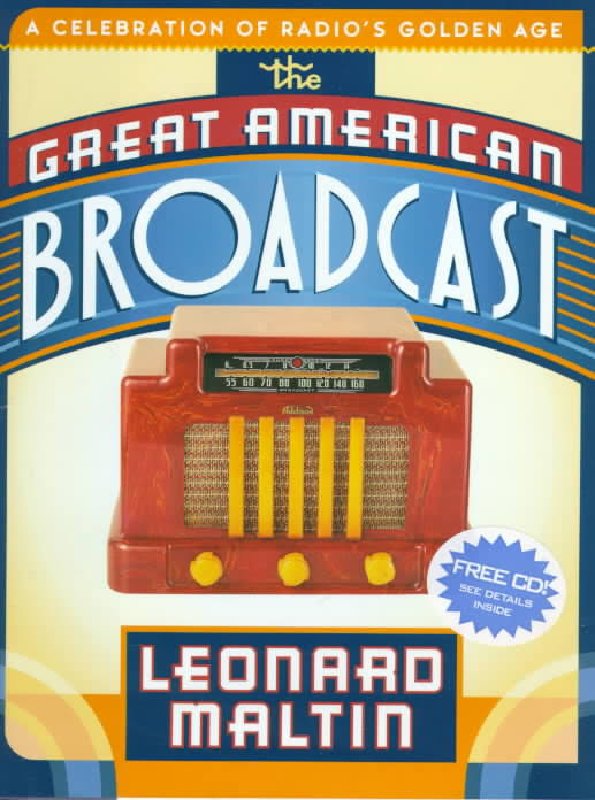
In my first novel, Bait and Switch, heroine Jessica Minton starts out as a moderately successful stage  actress. So why did I switch her from the stage to the radio as I continued the series with Letter from a Dead Man? Well, there are two reasons. First of all, radio work gave Jessica more free time to join her sister Liz in unraveling mysteries. However, the second reason is far more interesting. I’ve always been fascinated by the imaginative entertainment radio provided Americans for almost five decades. The more I delved into how shows were written and produced; what made some actors excel and others bomb when playing to an audience over the airwaves; the way audiences were engaged, even enthralled, by the “theatre of the mind,” the more possibilities I could see this environment inspiring in a mystery. actress. So why did I switch her from the stage to the radio as I continued the series with Letter from a Dead Man? Well, there are two reasons. First of all, radio work gave Jessica more free time to join her sister Liz in unraveling mysteries. However, the second reason is far more interesting. I’ve always been fascinated by the imaginative entertainment radio provided Americans for almost five decades. The more I delved into how shows were written and produced; what made some actors excel and others bomb when playing to an audience over the airwaves; the way audiences were engaged, even enthralled, by the “theatre of the mind,” the more possibilities I could see this environment inspiring in a mystery.
My first awareness of radio entertainment of the classic 1920s-50s came from old movies of the ’30s As I got older, read more, and watched movie and TV portrayals of radio with a deeper understanding, I learned more about the intricacies of production – including writing, directing, One source that especially galvanized my interest was Rupert Holmes’s Remember WENN (the real
And short stories or novels were brought alive for us as well – especially Orson Welles’s infamous trick more that treat, War of the Worlds. Both situations inspired me to think about what fun it
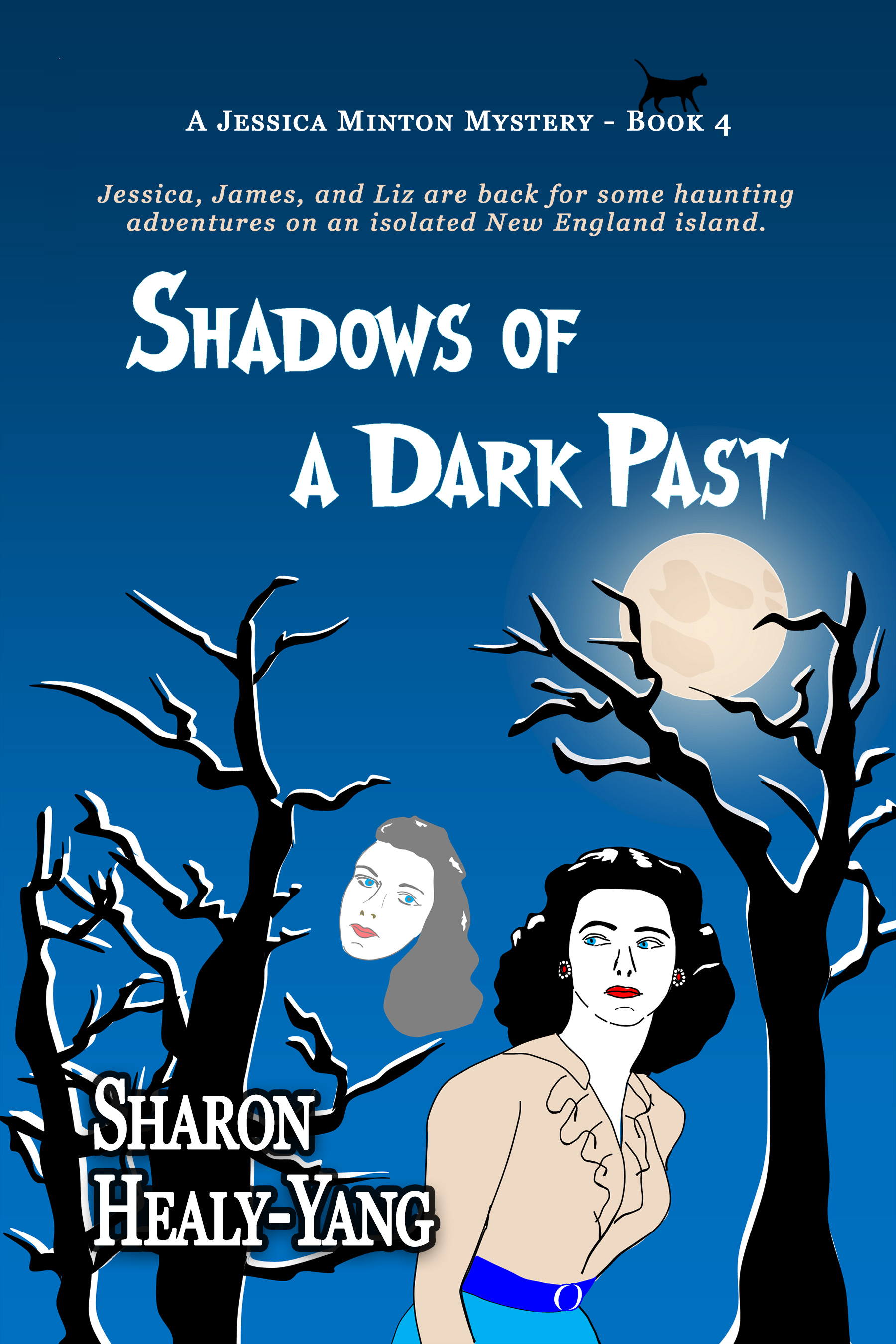
In Jessica’s most recent adventure, Shadows of a Dark Past, I’ve centered the story around her work In a book still in the outline stage, the plot revolves around Jessica’s work in the studio with some
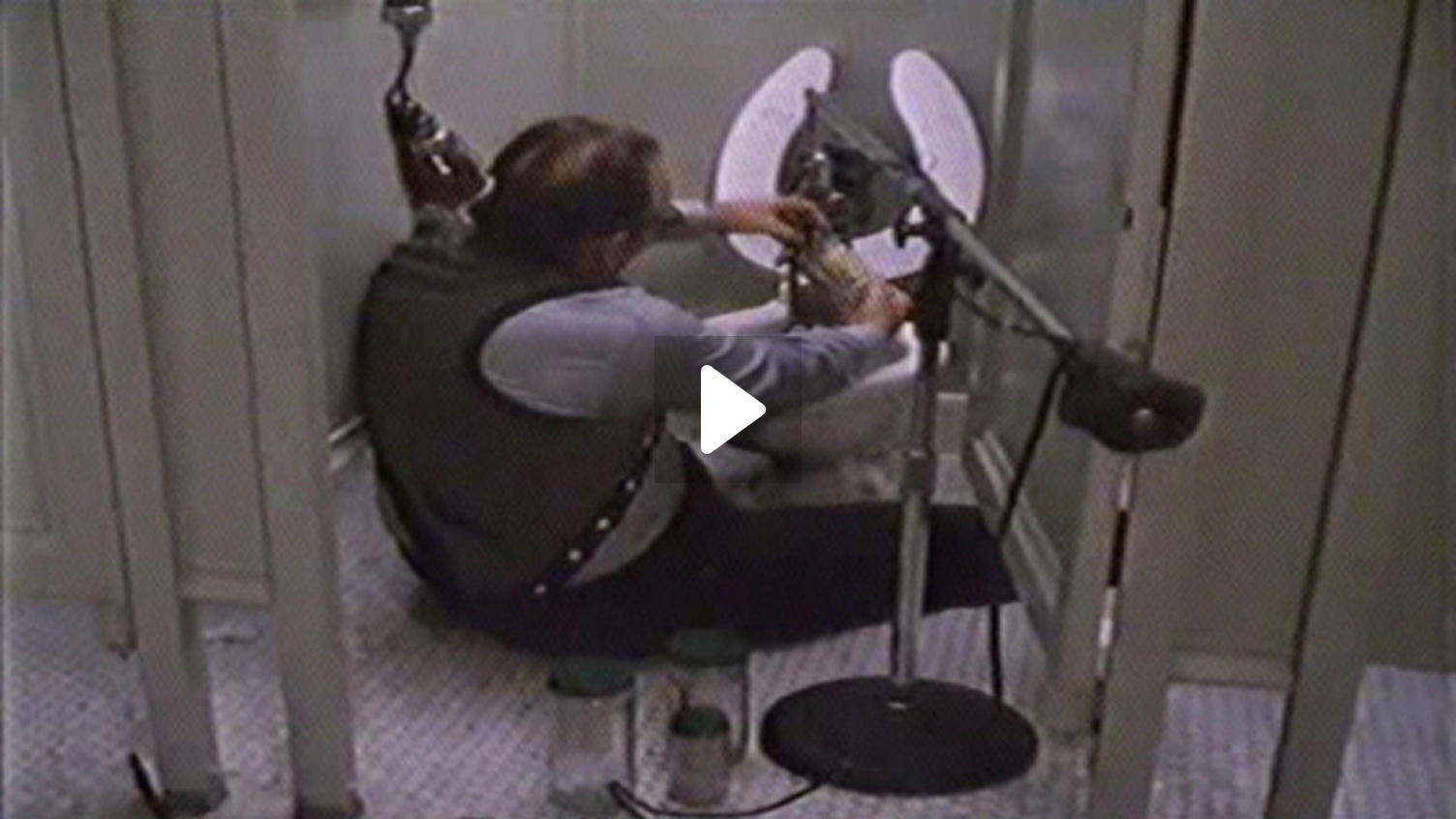
If you’re looking for some films to give you a flavor of radio at its most exciting and mystery-inspiring, check out Charlie Chan in the Wax Museum (1940), Abbott and Costello’s Who Done It? (1942), Danger on the Air (1938), The Hucksters (1949), That’s Right, You’re Wrong (1939), The Big Broadcast of 1938, Playmates (1941) The Frozen Ghost (1945), Radioland Murders (1994 – George Lucas directing, no less), and The Scarlet Clue (1945). For a sardonic look at the effects of Orson Welles’s broadcast of War of the Worlds, have a chuckle at Hullabaloo (1940); and for a (mostly) more serious look, watch The Night That Panicked America (1975). Image of Orson Welles directing: Broadcasting play: https://musingsofamiddleagedgeek.blog/2022/10/07/the-night-that-panicked-america-1975-is-a-little-seen-tv-movie-about-the-greatest-halloween-prank-ever-played/ Screen shot of soundman and toilet from The dvd The Night That Panicked America,CBS Studios, (c) 2014 Image of Melinda Mullins from AMC Movie Magazine. Image of Joan Bennett, Dusty, and Jessica Minton, author’s collection Back to Home Page |
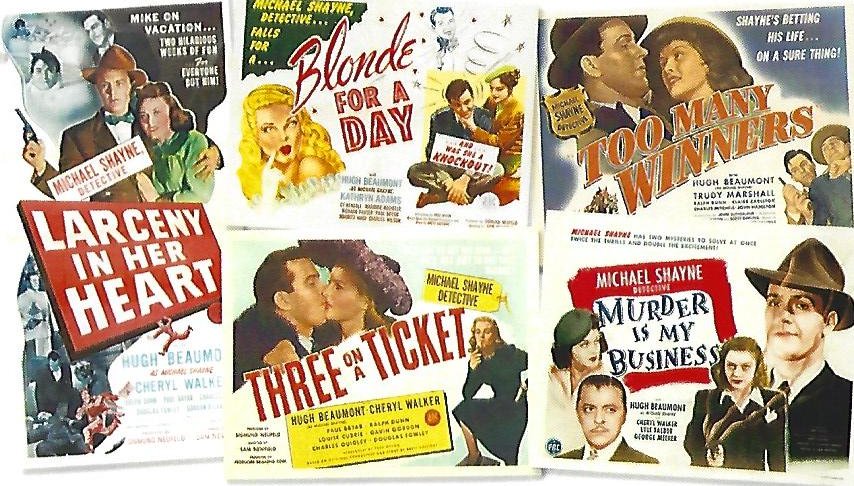
 Beaumont didn’t always play a homicidal, narcissistic maniac in his noir career. In two low-budget series he actually played a detective. Still, even in this role, he wasn’t exactly on the side of the angels. When PRC took over the Michael Shane series from Twentieth-Century Fox, Beaumont replaced Lloyd Nolan in the title role. Nolan’s Shayne, though nobody’s fool, was something of a lovable lug. Beaumont’s Shayne was much too acerbic to be lovable, much less a lug of any kind, tossing off such gems as, “C’mon, look at the girl. Don’t be afraid of waking her up. She’s dead.” He tackles two spoiled children of a recently murdered father by telling the girl to “shut up” her lip, shoving around the son, then turning back to the daughter and calling her a “spoiled, brainless brat.” Not exactly the reasoned chats with Wally or the Beaver in the study (Murder Is My Business, 1946). Beaumont didn’t always play a homicidal, narcissistic maniac in his noir career. In two low-budget series he actually played a detective. Still, even in this role, he wasn’t exactly on the side of the angels. When PRC took over the Michael Shane series from Twentieth-Century Fox, Beaumont replaced Lloyd Nolan in the title role. Nolan’s Shayne, though nobody’s fool, was something of a lovable lug. Beaumont’s Shayne was much too acerbic to be lovable, much less a lug of any kind, tossing off such gems as, “C’mon, look at the girl. Don’t be afraid of waking her up. She’s dead.” He tackles two spoiled children of a recently murdered father by telling the girl to “shut up” her lip, shoving around the son, then turning back to the daughter and calling her a “spoiled, brainless brat.” Not exactly the reasoned chats with Wally or the Beaver in the study (Murder Is My Business, 1946).
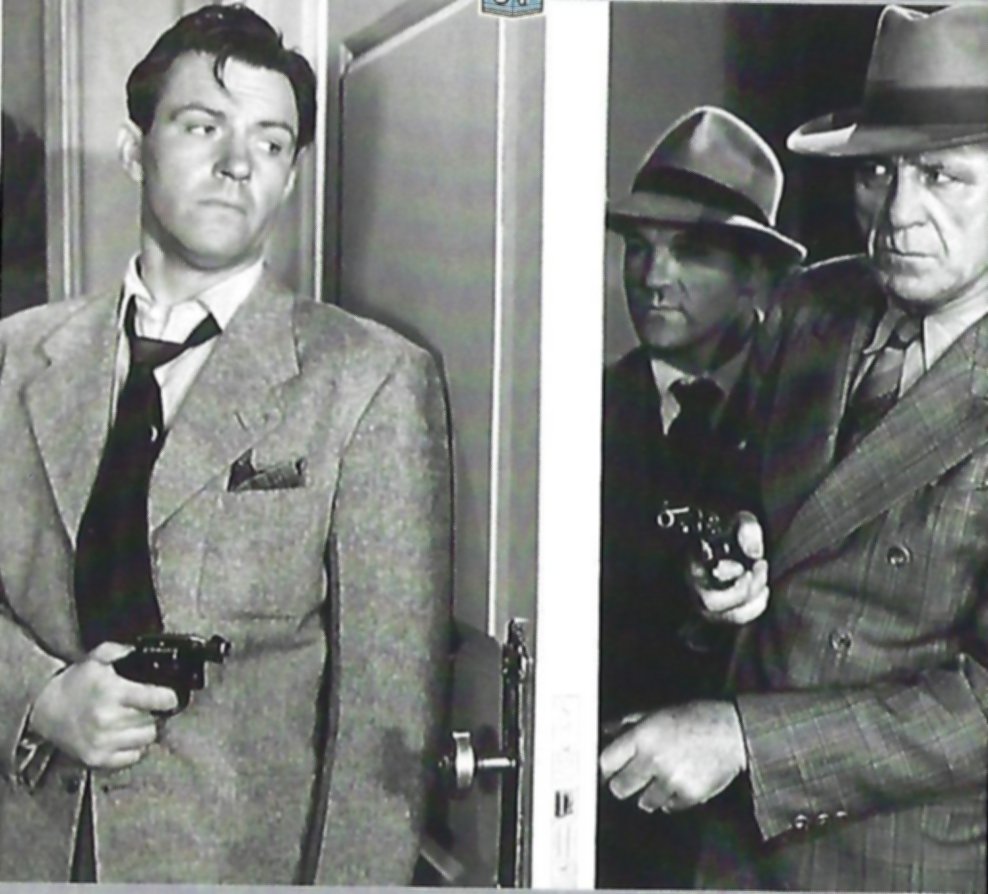
This Mike Shayne certainly isn’t as lawless as the Steves, Kennys, and Scots in Beaumont’s psychotic In Hugh Beaumont’s other PRC detective series, about the only thing Dennis O’Brien has in common O’Brien’s cases bear out his less than sterling self-appraisal as he repeatedly gets himself into hot water by agreeing to front a crooked manager’s bets against his own fighter; playing escort for a young woman under the pay of an unsavory lawyer he knows is up to no good; and taking money from a priest to help an escape convict elude capture after blowing Alcatraz, amongst other unsavory cases (Roaring City, Danger Zone, and Pier 23 (1951), respectively.
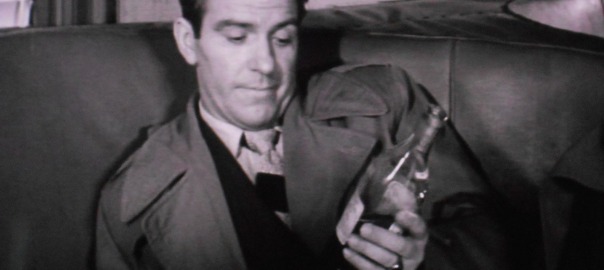
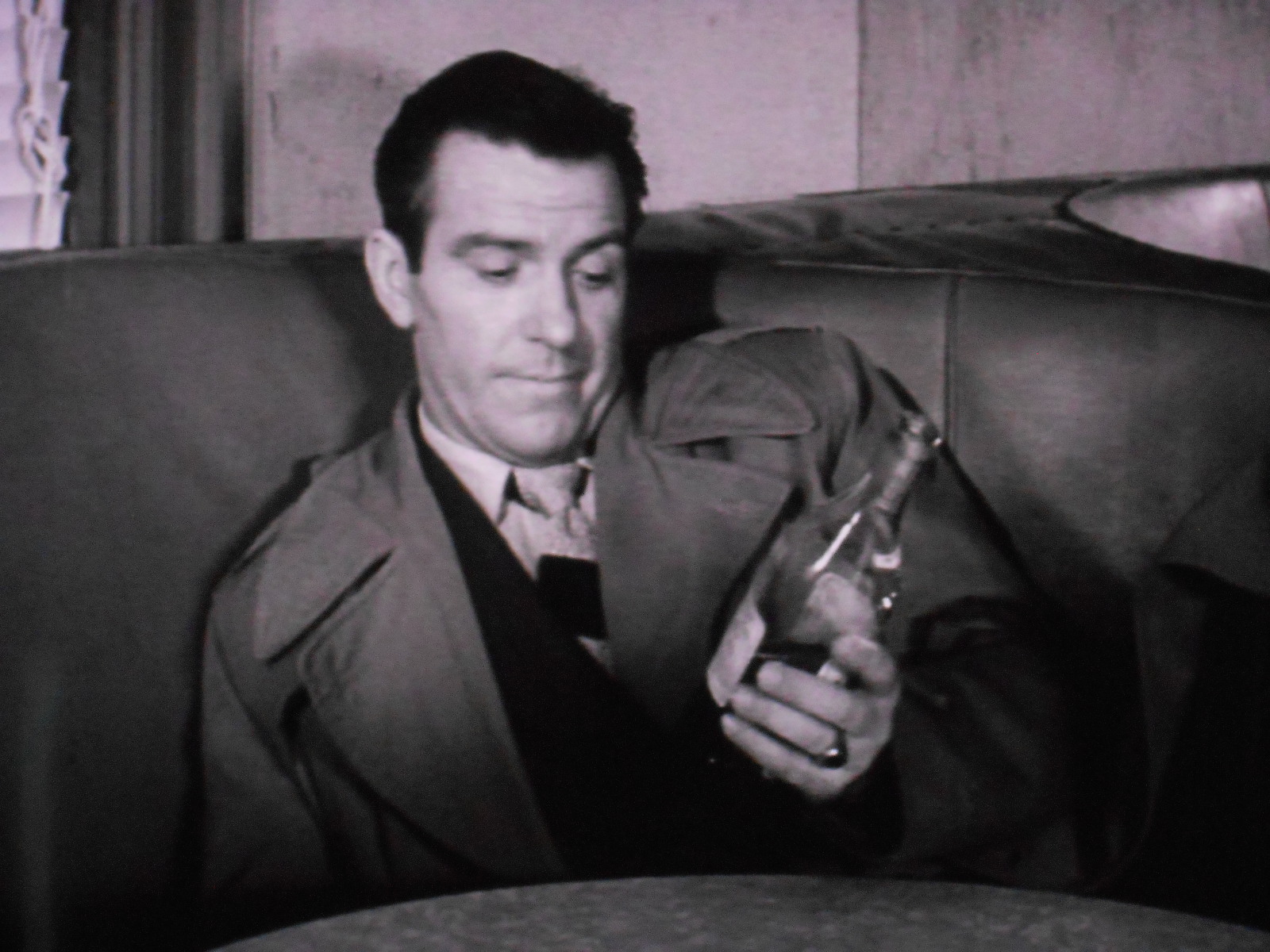
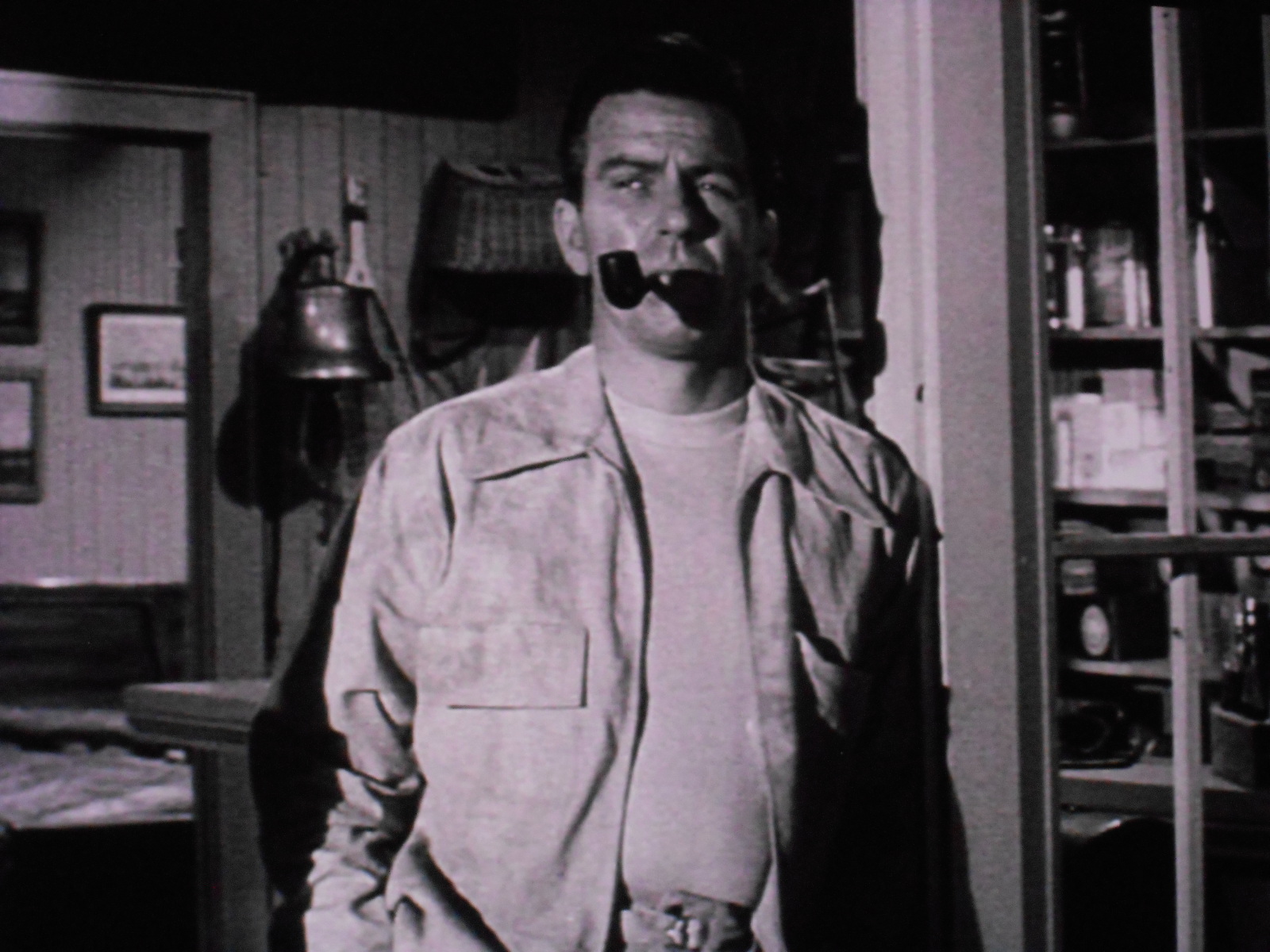
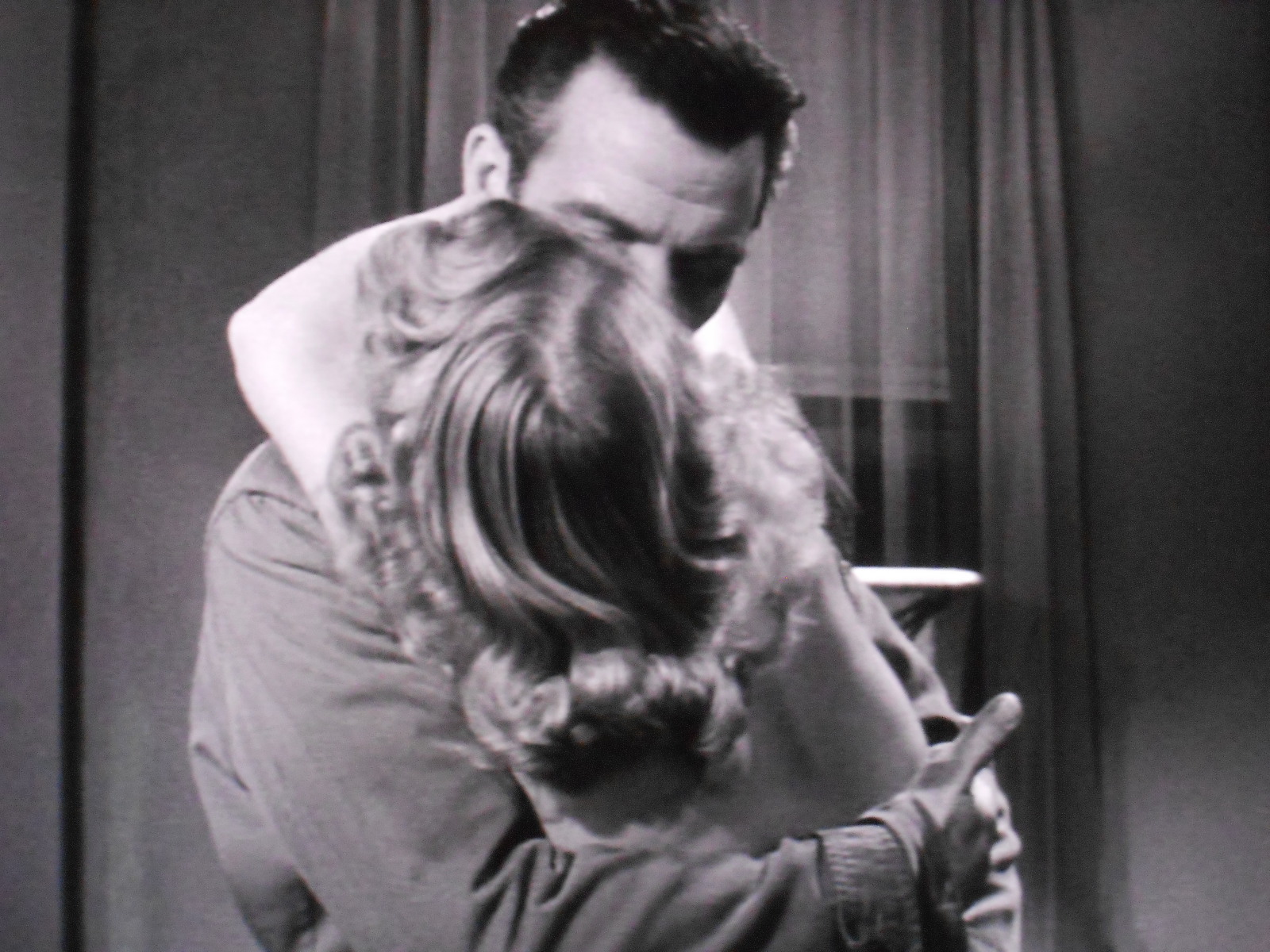
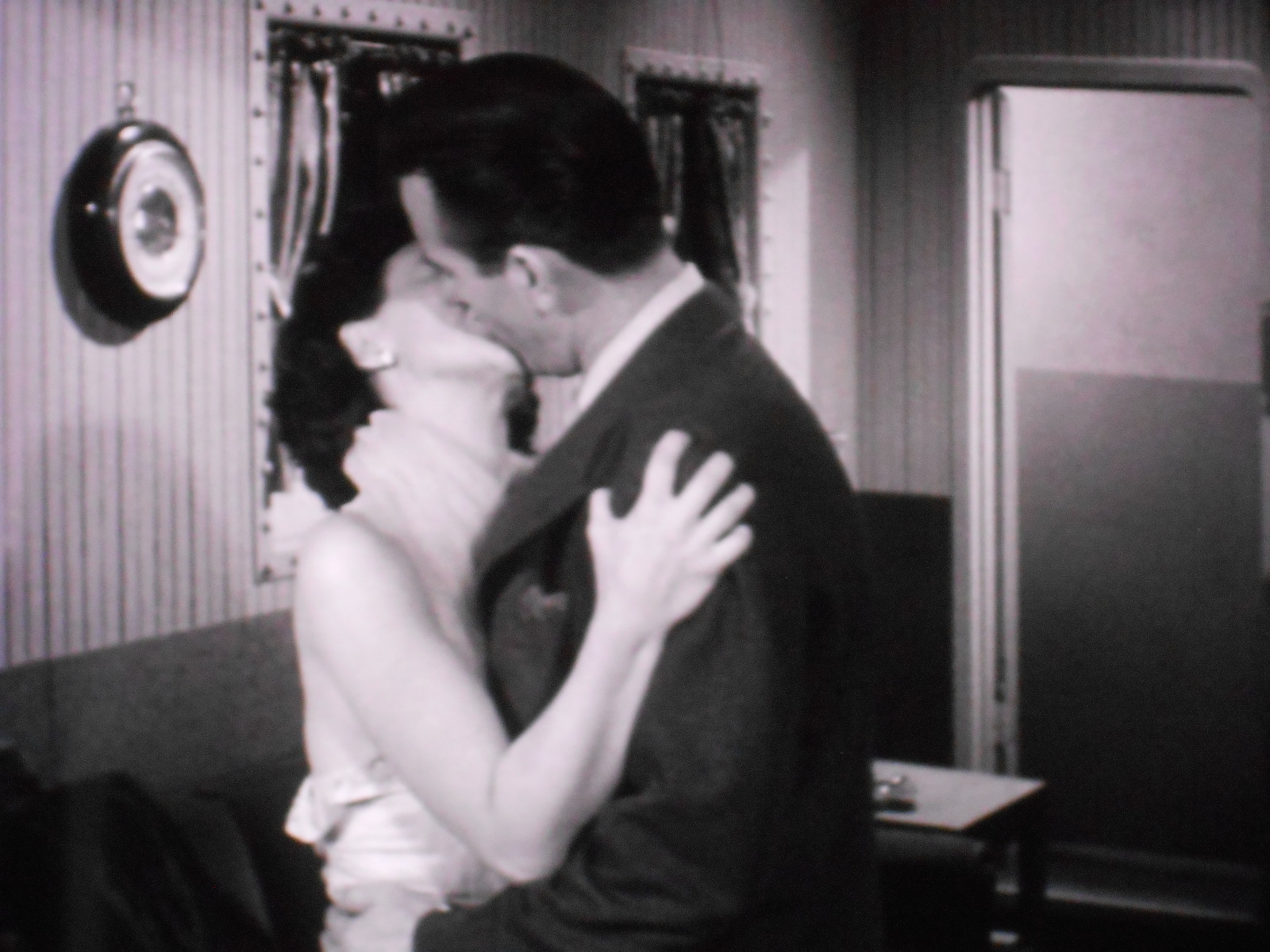
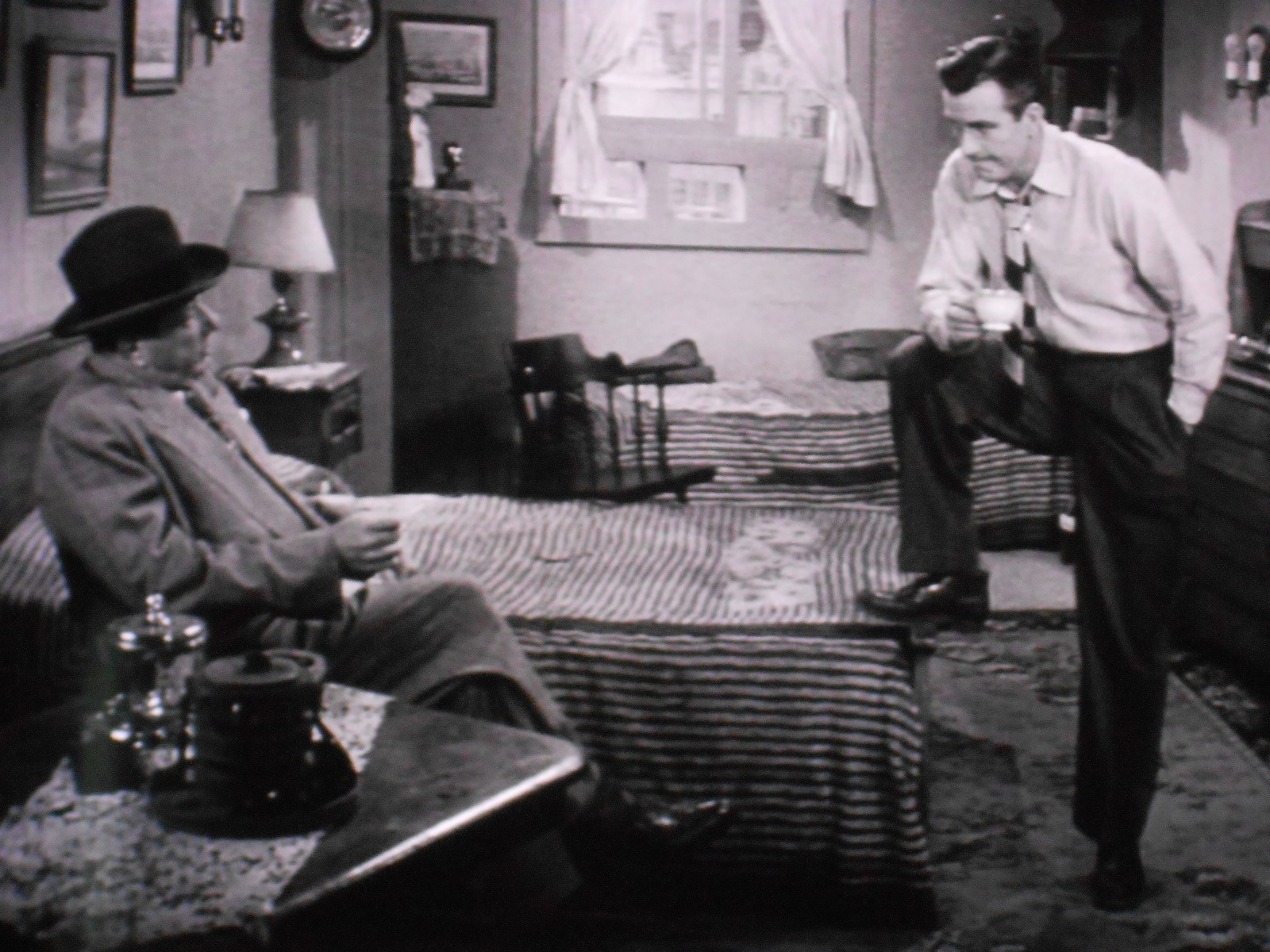
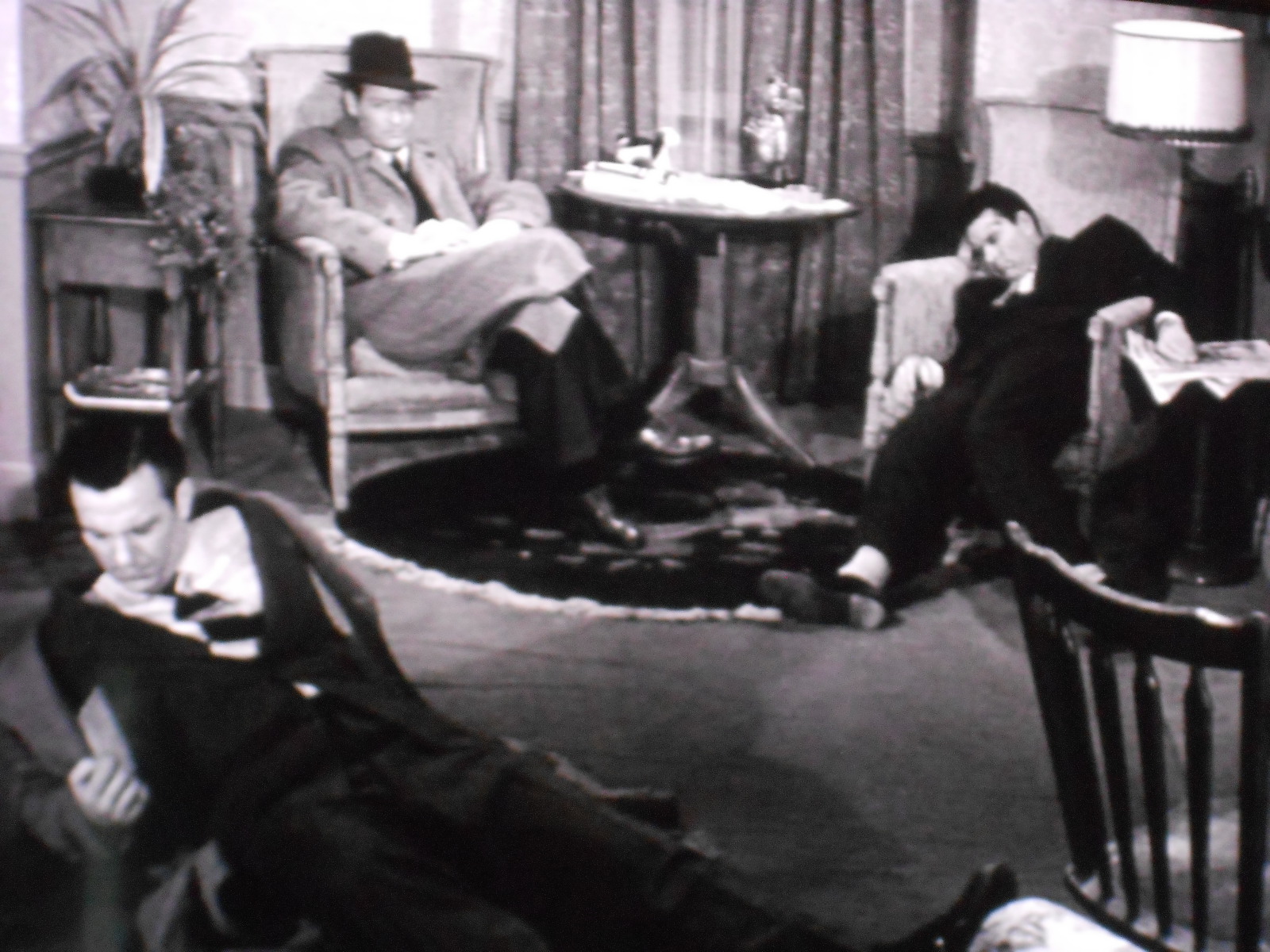
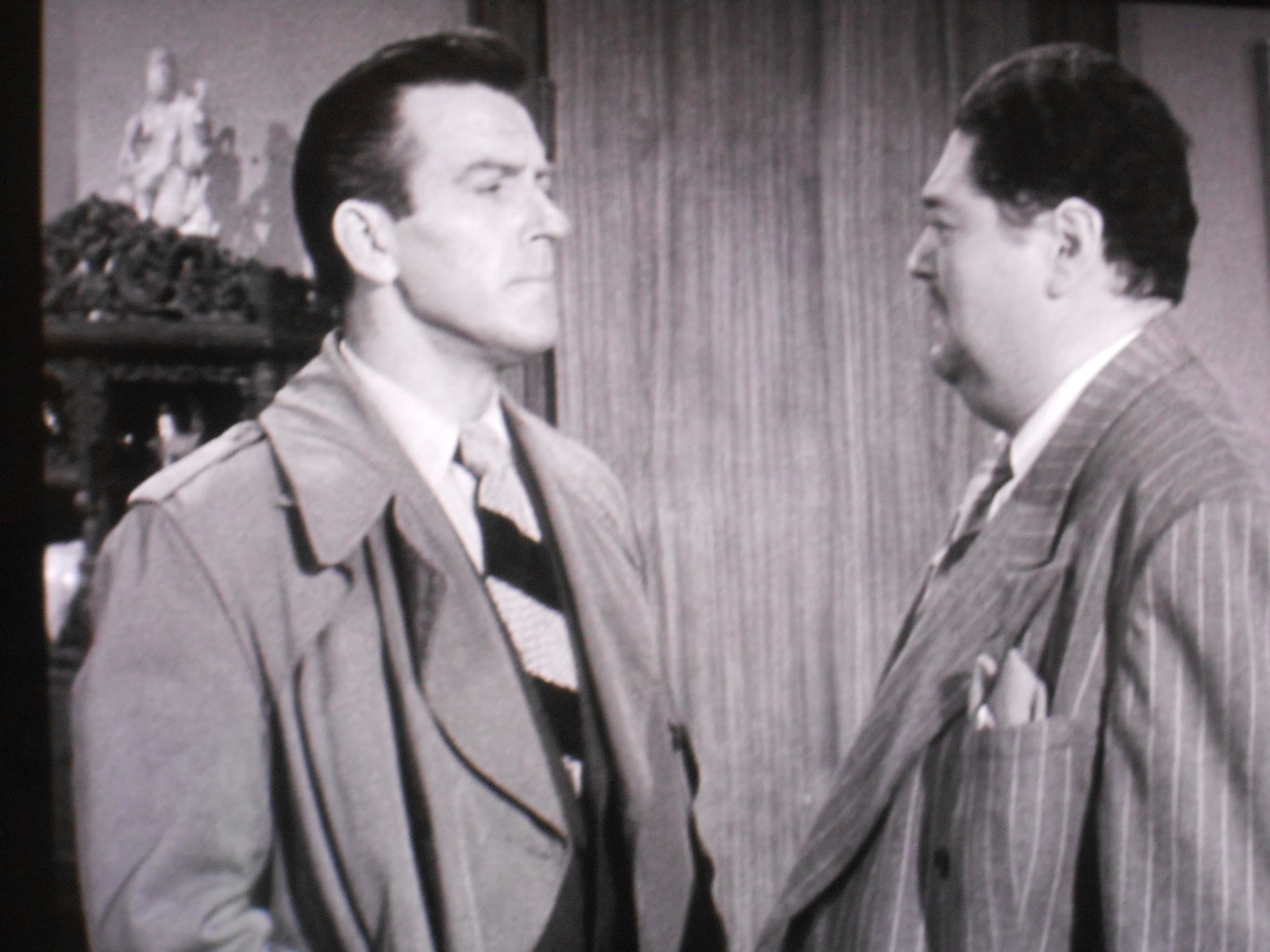
Denny has two regulars in the film. There’s side man, The Professor, who as O’Brien puts it, “prefers glasses to classes,” and the former filled with bourbon, scotch, or whiskey. Then there’s Inspector You’d also think Dennis would learn, too. Every time he turns his back – often while he’s smooching some deceptive dame – he gets cracked on the noggin and sent to la-la land, only to wake up next to a corpse and a freshly arriving Inspector Breugger. This photo is just a day in the life of O’Brien, Breugger, and the corpse du jour.
Now, our detective still isn’t a complete dope. He always gets his man – or dame, as the case may be. He even is quick with a quip. When Breugger asserts, “I got an idea,” Denny cracks, “Did it hurt?” Or there’s his cynical assessment of his part of San Francisco where “[a] set of morals won’t cause any more stir than Mother’s Day in an orphanage.” Beaumont gives us a private dick who may be on the seedy side, but his trenchant cynicism establishes that he knows he lives in a world that’s amoral to the core.
So, low-brow, psychotic, or somewhere in between, Hugh Beaumont is a champ at playing the noir anti-hero deeply engrained in the world he inhabits. What noir performances by Beaumont would you add to this list?
– Images 1 & 2 of the Mike Shayne films from the Classic Flix dvd covers, copyright 2019, ClassicFlix.com – Screen Shots from Danger Zone, Pier 23, and Roaring City from the Kit Parker Collection of Film Noir, vols. 7-9., Copyright VCI Entertainment, 2008. author’s Collection
Check out “King of Noir Anti-Heroes, Part 1” |

Lady on a Train is more comedy than mystery; however, it possesses some nice dark touches that  give its holiday setting a noir flavor. The opening title cars starts us off with the blacks and greys, stark lines, and and dusky darkness of falling night so characteristic of noir. The essential plot gives us Nicki Collins (Deanna Durbin), a sassy San Francisco heiress, witnessing a murder from her compartment window as her train pauses before chugging into New York’s Grand Central Station shortly before Christmas. The image through her window is perfect noir. An old man give its holiday setting a noir flavor. The opening title cars starts us off with the blacks and greys, stark lines, and and dusky darkness of falling night so characteristic of noir. The essential plot gives us Nicki Collins (Deanna Durbin), a sassy San Francisco heiress, witnessing a murder from her compartment window as her train pauses before chugging into New York’s Grand Central Station shortly before Christmas. The image through her window is perfect noir. An old man  arguing with a overcoated and fedored form lowering over him. When the old man angrily turns his back, the menacing figure spots a crow bar on the table, pulls down the window shade without facing the outside, and then bludgeons his victim, visible only through silhouette on the drawn shade. arguing with a overcoated and fedored form lowering over him. When the old man angrily turns his back, the menacing figure spots a crow bar on the table, pulls down the window shade without facing the outside, and then bludgeons his victim, visible only through silhouette on the drawn shade.  All just before the train pulls out and rushes toward the station. All just before the train pulls out and rushes toward the station.
Of course, no one really believes Nicki when she tries to sound the alarm, not fussy factotum Edward
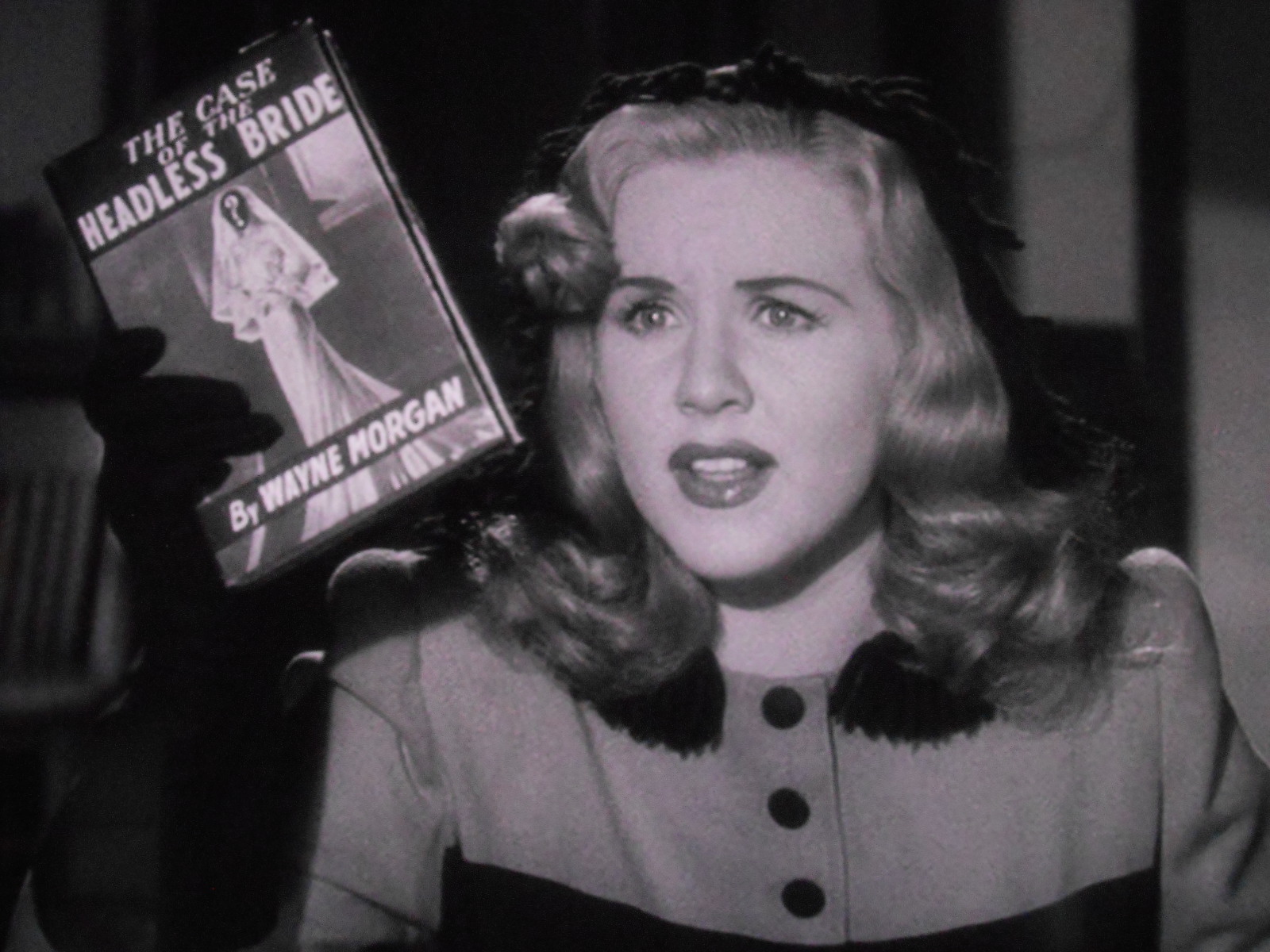
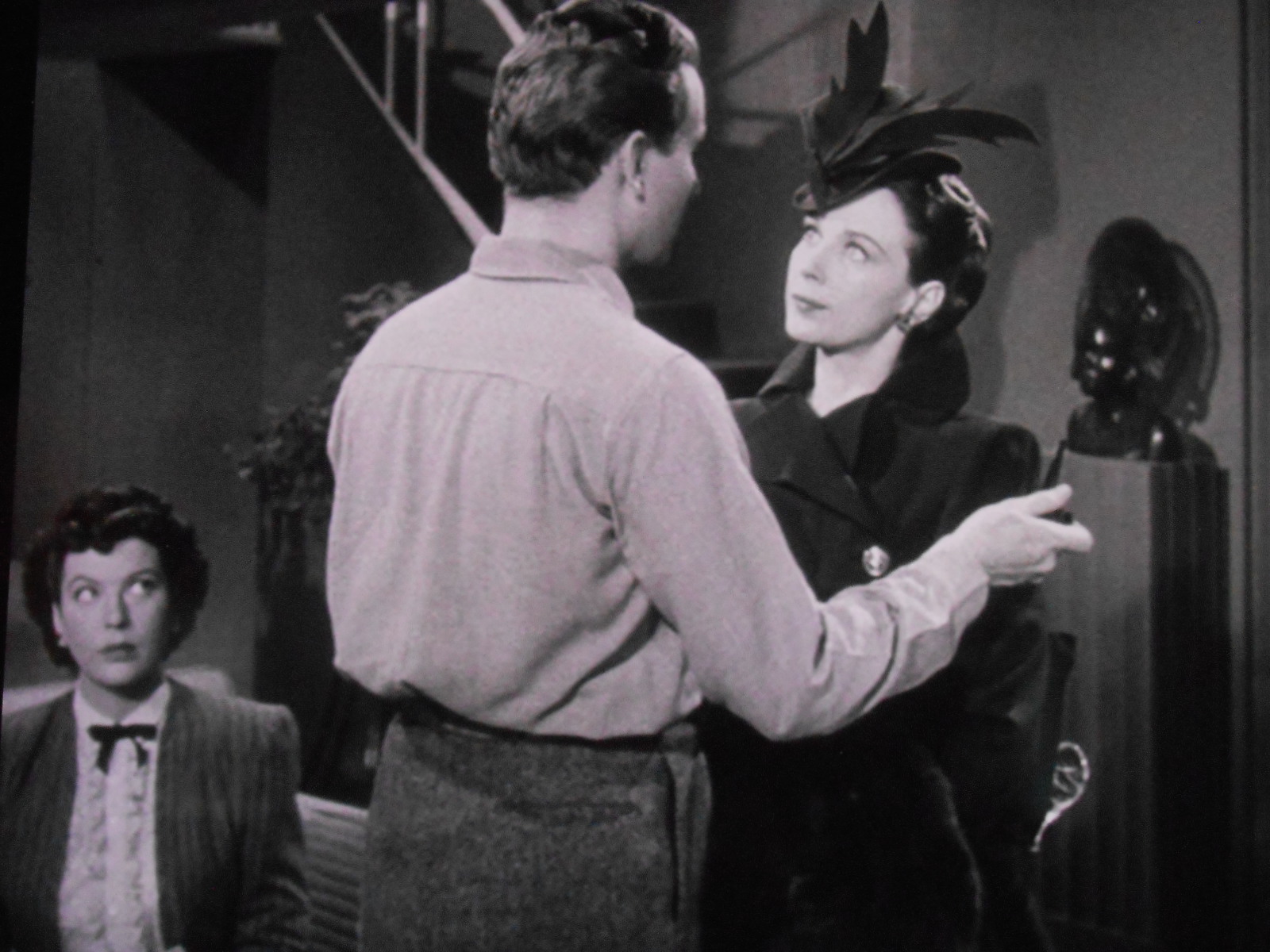
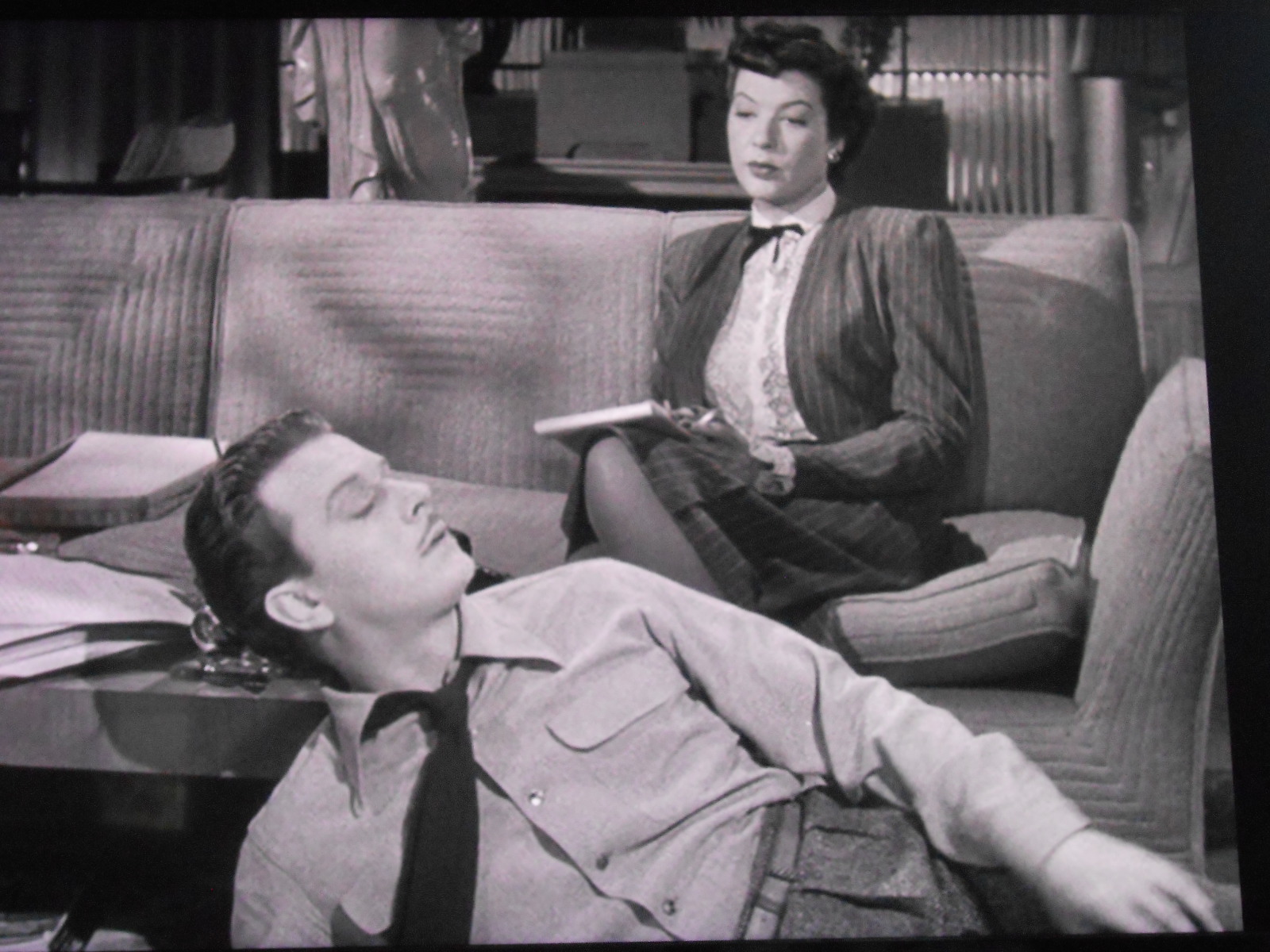
So, what is our undaunted heroine’s next step? Why, track down that mystery author, Wayne Morgan, to help her solve the crime. Played by David Bruce, the author does not appreciate her throwing this strange tale in his lap and expecting him to solve the murder – especially since she hounds him by interrupting his meeting with his fiancee and then tracking the writer and fiancee to
One particular sequence squarely fits the noir motif when Durbin inadvertently lets slip as she rides
The mystery author does arrive on the scene to save our heroine; however, his doing so brings chuckles as well as anxiety over the result. So, how is this playful take on noir a Christmas movie? Well, we did see that Nicki arrives near Christmas Eve, and there are trees all over the place in this one – including the one that allegedly did in our murder, correction, our first murder victim. Lots of snow as well. Maybe the best connection is the lovely version of “Silent Night” that Durbin sings to her Dad over the phone. Check it out here. Anyway, it’s a nifty noir to drive away the holiday blues. If you want to see Durbin do full on Christmas Noir (more noir than Christmas, though), check out her and Gene Kelly playing against type in Christmas Holiday. Screen shots by author from the film Lady on a Train, Universal films, copyright 1944.
|
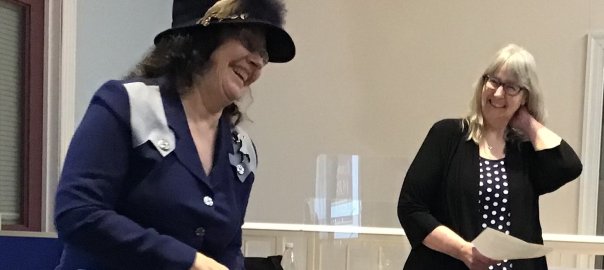

I first met sister-author Janet Raye Stevens when my friend Lisa Lieberman (another mystery Janet and I both love the 1940s, especially the era’s sharp and challenging mysteries, which inspire our own writing. We are especially taken by the “smart-talking gals” populating 1930s-40s mysteries, neither femme fatale not babyish innocent: a woman who has been around, learned the ropes, but has not lost her integrity.
However, you can’t talk about the influence of movie smart-talking gals without showing some clips, can you? For fun, we showed a clip from a 1938 Nancy Drew movies, where a teenage Nancy not only recognizes a kidnapping and tracks kidnappers in her car, only thwarted when her car has a flat – which she changes herself without missing a beat. Sisters were doing it for themselves in 1938, and we talked about how the wave of independence continued through the 1940s, in real and reel life.
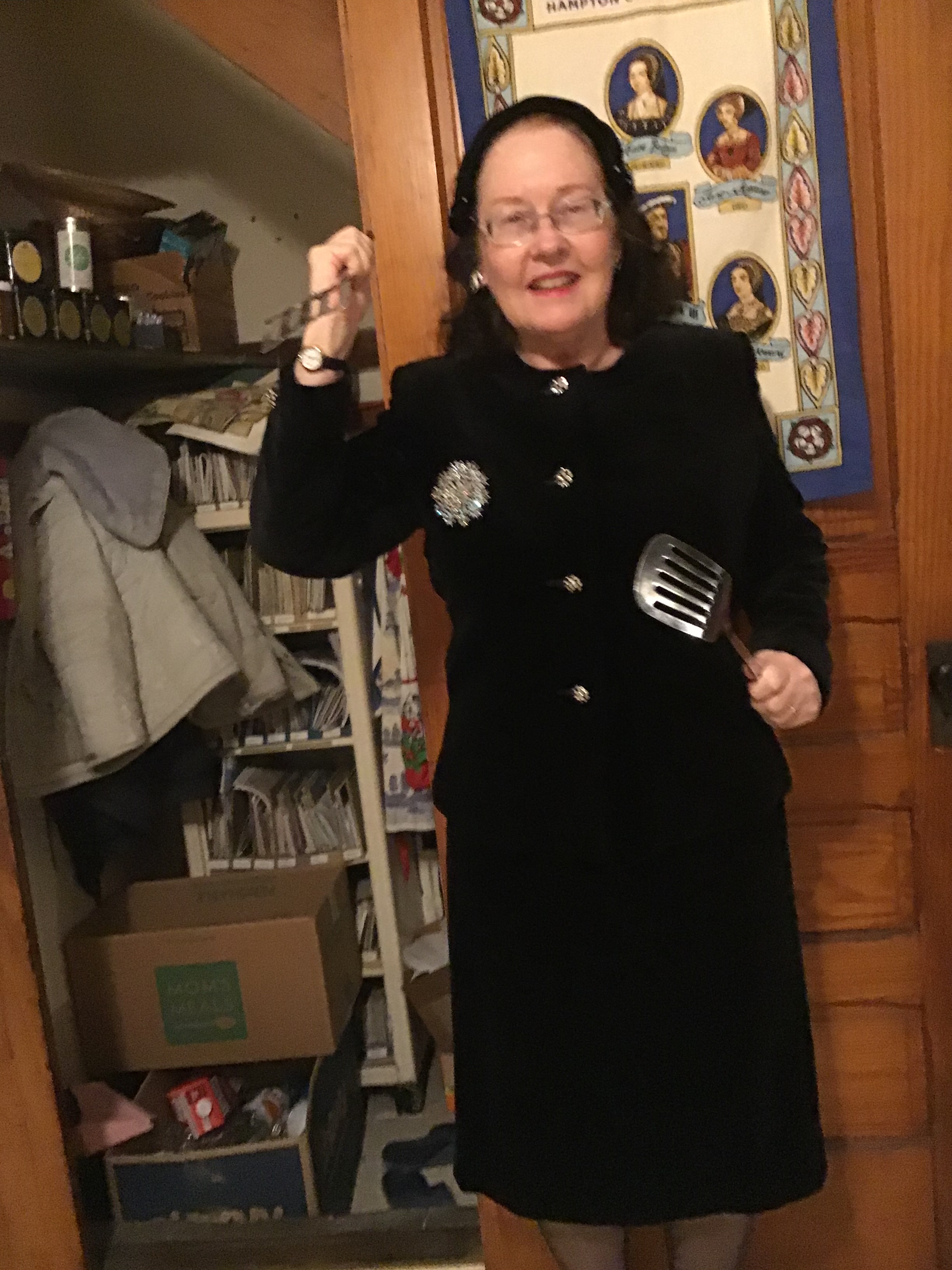
So, if you think this evening sounded like fun, get in touch with Janet (janetrayestevens@gmail.com) or me (syang@worcester.edu) and maybe we can make an appearance at a library, senior center, or other venue near you. (P.S. Yang made my suit based on an actual 1940s suit that I own!) |

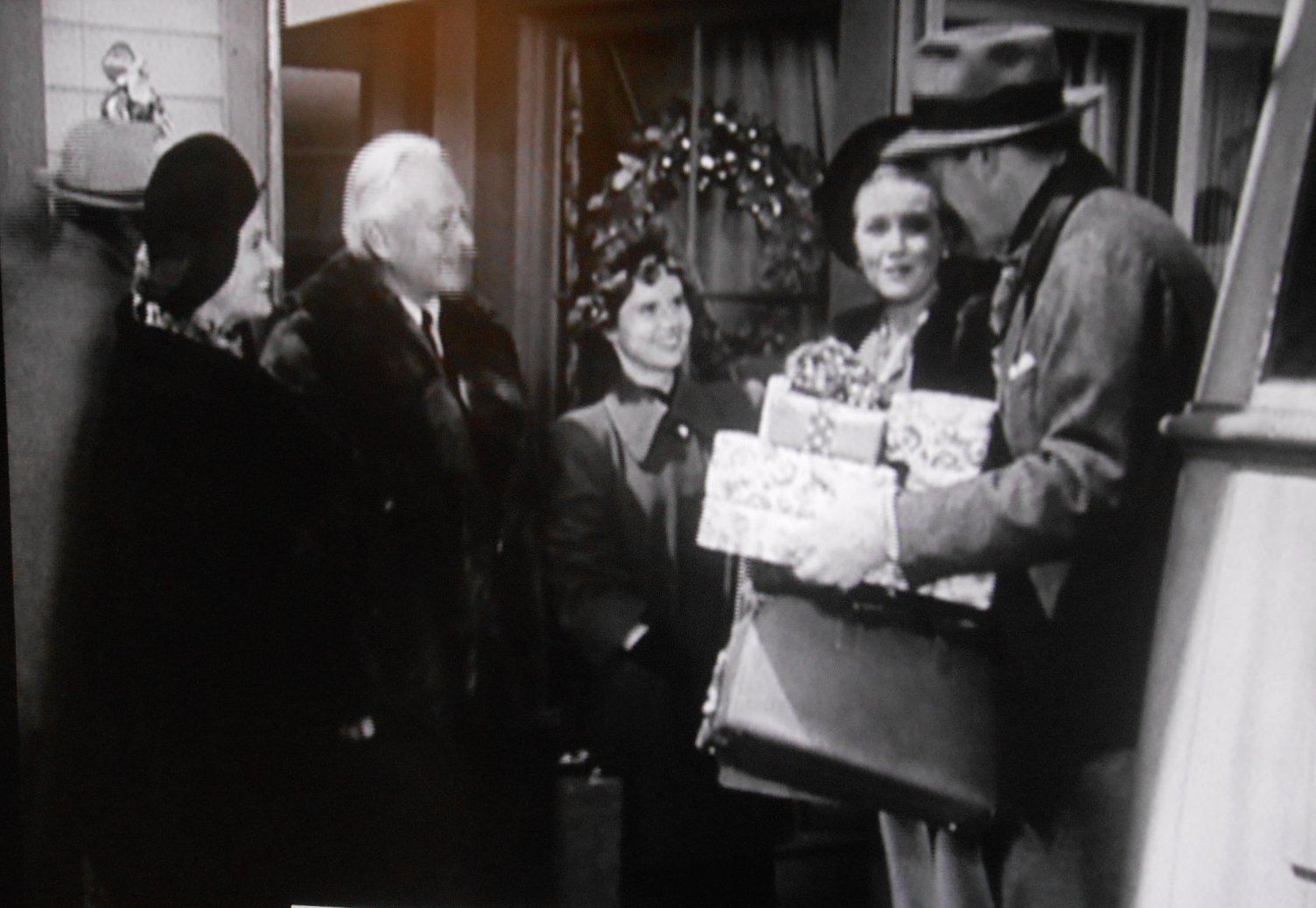
Set in December, with all the holiday trimmings in view, Cover Up is definitely a Christmas movie. Yet, its title clearly implies a noir universe where ulcerous secrets are smoothly skinned over by 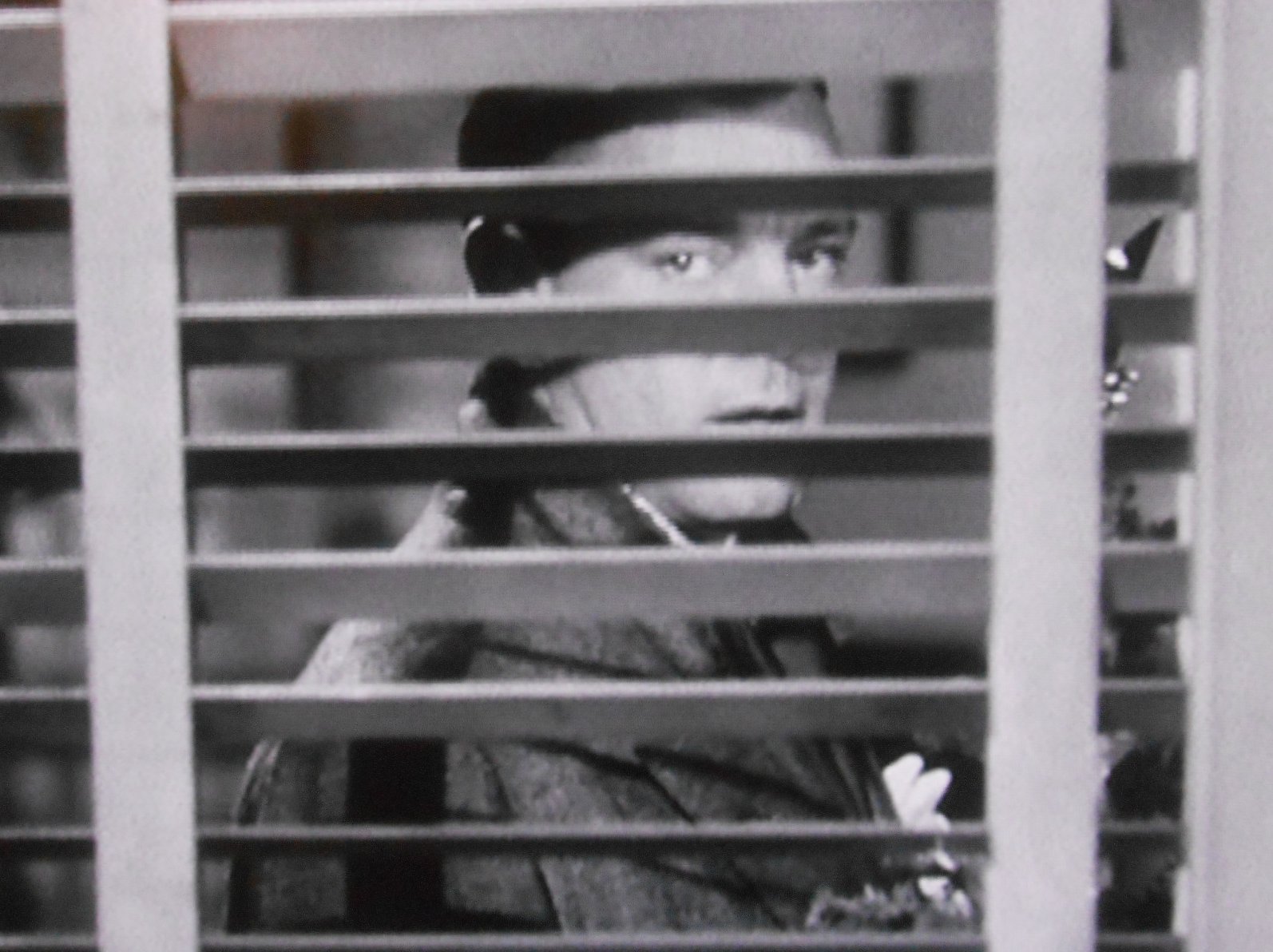 patterns of social respectability. In the film, Dennis O’Keefe plays an insurance investigator sent to a small town at Christmas time to investigate whether the death of a policy holder was truly suicide. O’Keefe’s his repertoire of skeptical, somewhat hard bitten, though sometimes sympathetic noir protagonists (The Leopard Man, Raw Deal,T-Men, Walk a Crooked Mile), sets us up for a symbolic stripping away holiday cheer hiding dark secrets. patterns of social respectability. In the film, Dennis O’Keefe plays an insurance investigator sent to a small town at Christmas time to investigate whether the death of a policy holder was truly suicide. O’Keefe’s his repertoire of skeptical, somewhat hard bitten, though sometimes sympathetic noir protagonists (The Leopard Man, Raw Deal,T-Men, Walk a Crooked Mile), sets us up for a symbolic stripping away holiday cheer hiding dark secrets.
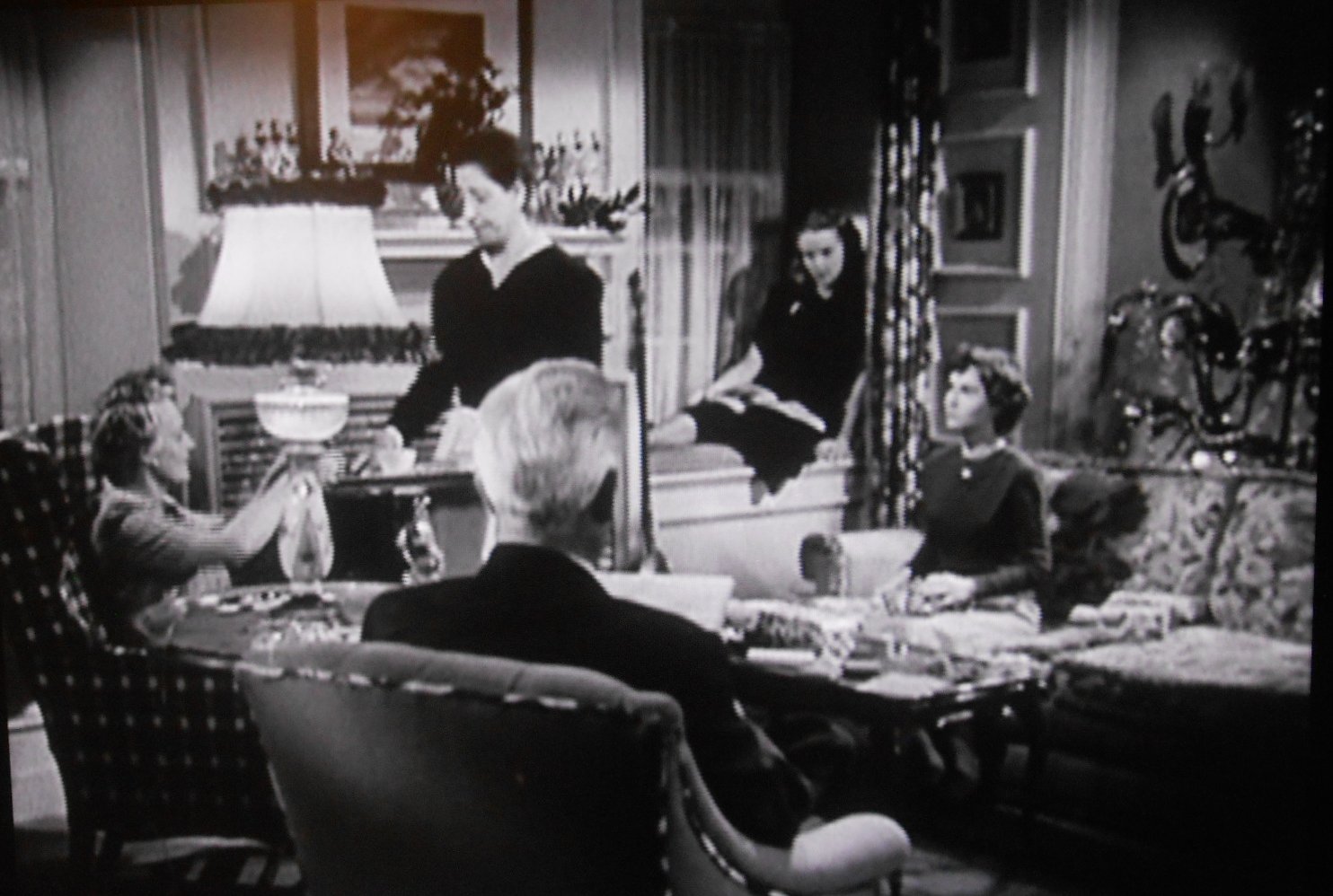
Investigator Sam sees this family as not just a haven of goodwill but a magnet drawing out the generosity and friendliness he keeps hidden beneath a protective layer of sharp cracks and skepticism. He shows up on the Weatherby doorstep, not merely planning to kibbitz and take out Anita on a date. He is thoughtful enough to bring a compact as an early Christmas present for the younger sister so she won’t feel slighted. He even impresses skeptical Hilda as an acceptable
In this moment, though, we can see the corruption skinned over by good fellowship seeping through. The doctor, at first, is mysteriously absent, then is revealed to be dead, discovered in his out-of-town home by the sheriff. Significantly, this scene of camaraderie in solstice celebration ends All the characters Sam faces in his investigation become almost impossible to pin down. The family that had seemed to offer him the warmth and stability he’d never had, he finds cannot be trusted, their dependability, at times even their morality, twisted and tangled by loyalties, fears, or ignorance. Mr. Weatherby, supposedly a paragon of the town and representative of its order, becomes a major suspect in the murder of Phillips. Anita, the smart young woman whose wit and warmth had led Sam to see her as a beacon of hope
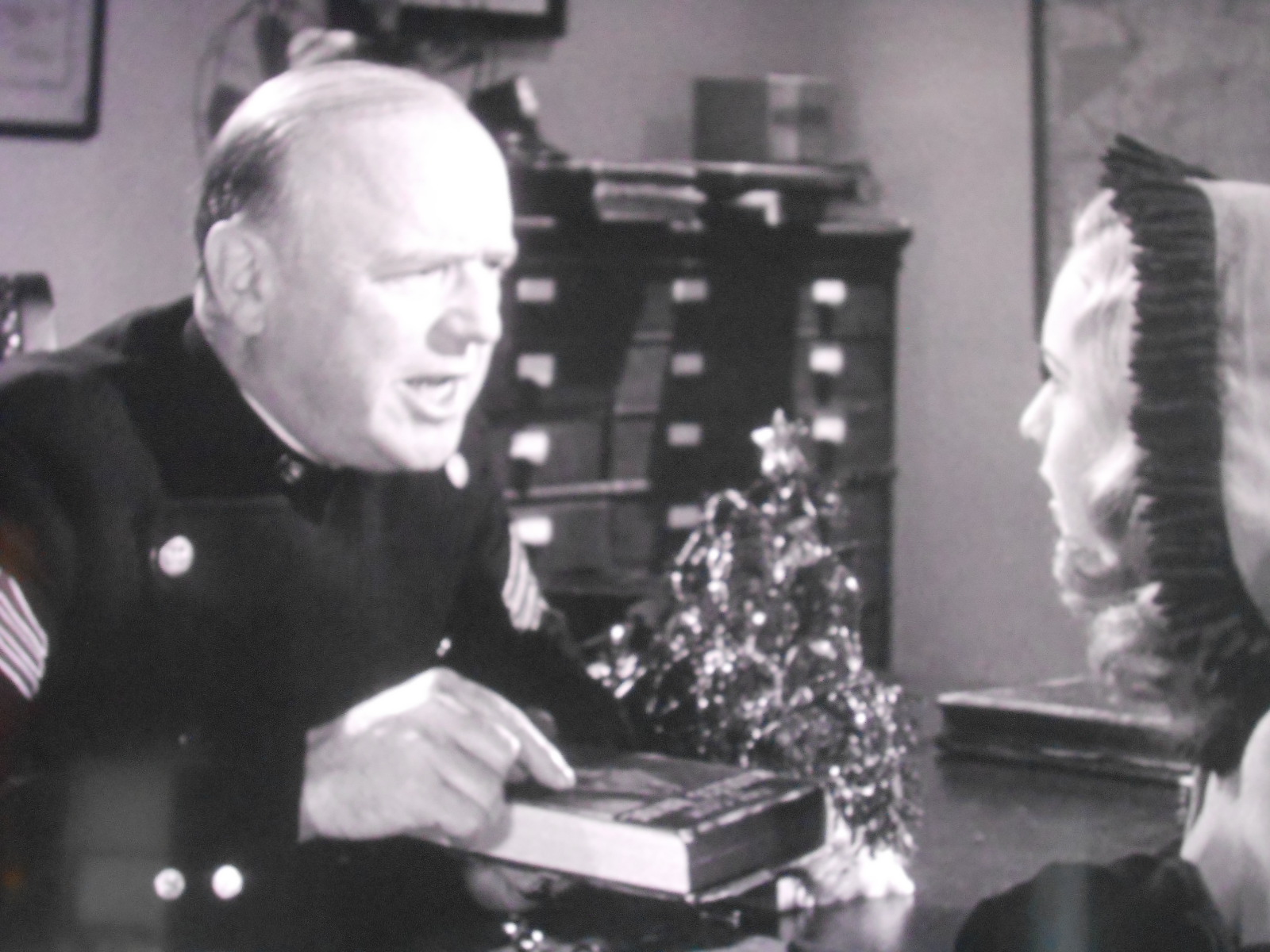
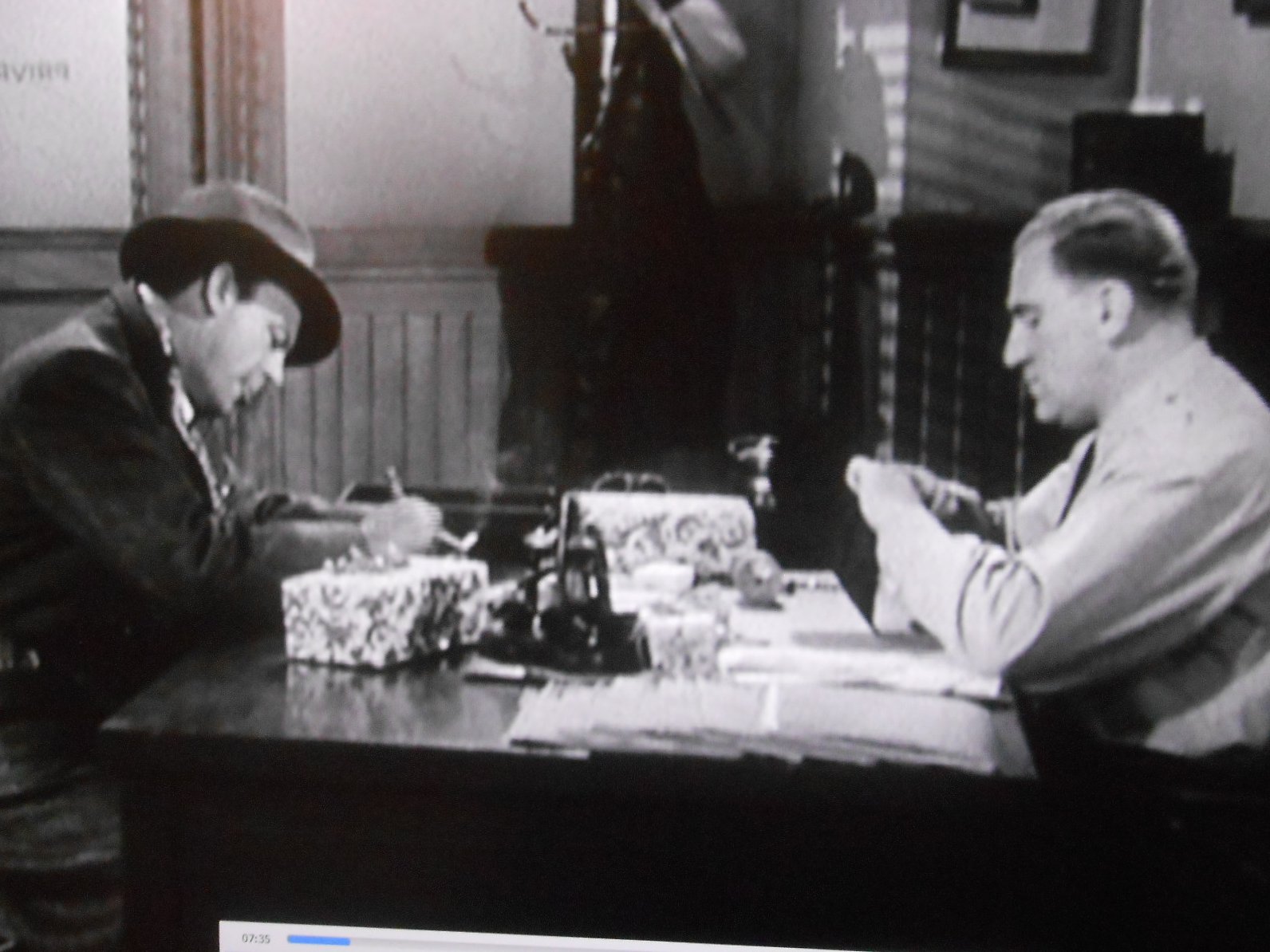
Maybe the most interesting of all is William Bendix’s Sheriff Best. Is the name ironic? The “best” at what, one wonders, watching him: Deception? Double-dealing? Murder, itself? How should an audience read the town’s master of law and order when with affable obduracy he insists on his suicide verdict despite all the evidence that Sam demonstrates add up to murder? Casting Bendix keeps audiences guessing by playing on the concept of the availability heuristic. For Bendix is as well-known in the noir universe as much for his lovable tough guys (The Web, Race Street, Detective Story) as for his vicious thugs (The Dark Corner, The Glass Key, The Big Steal). These two medium closeups of Sheriff Best capture both incarnations of the Bendix noir personae.
Finally, Sheriff Best’s setting up subtle roadblocks to the investigator’s attempts to uncover the truth, as well as his tone of laid-back affability, just suggesting steely threat, then back to easy charm, heightens uncertainty over which noir Bendix holds the power of law controlling the town. This image from the first meeting of sheriff and investigator, where they sit down to parry verdicts
How does the film end? Well, that would be telling. I wouldn’t want to spoil it for you. Let’s just say that things are not always as they seem, that the film looks for wiggle room in what the law demands and what is fair, in what you can expect of human beings. “Merry Christmas” was never such an ironic closing to a movie – I think!
|

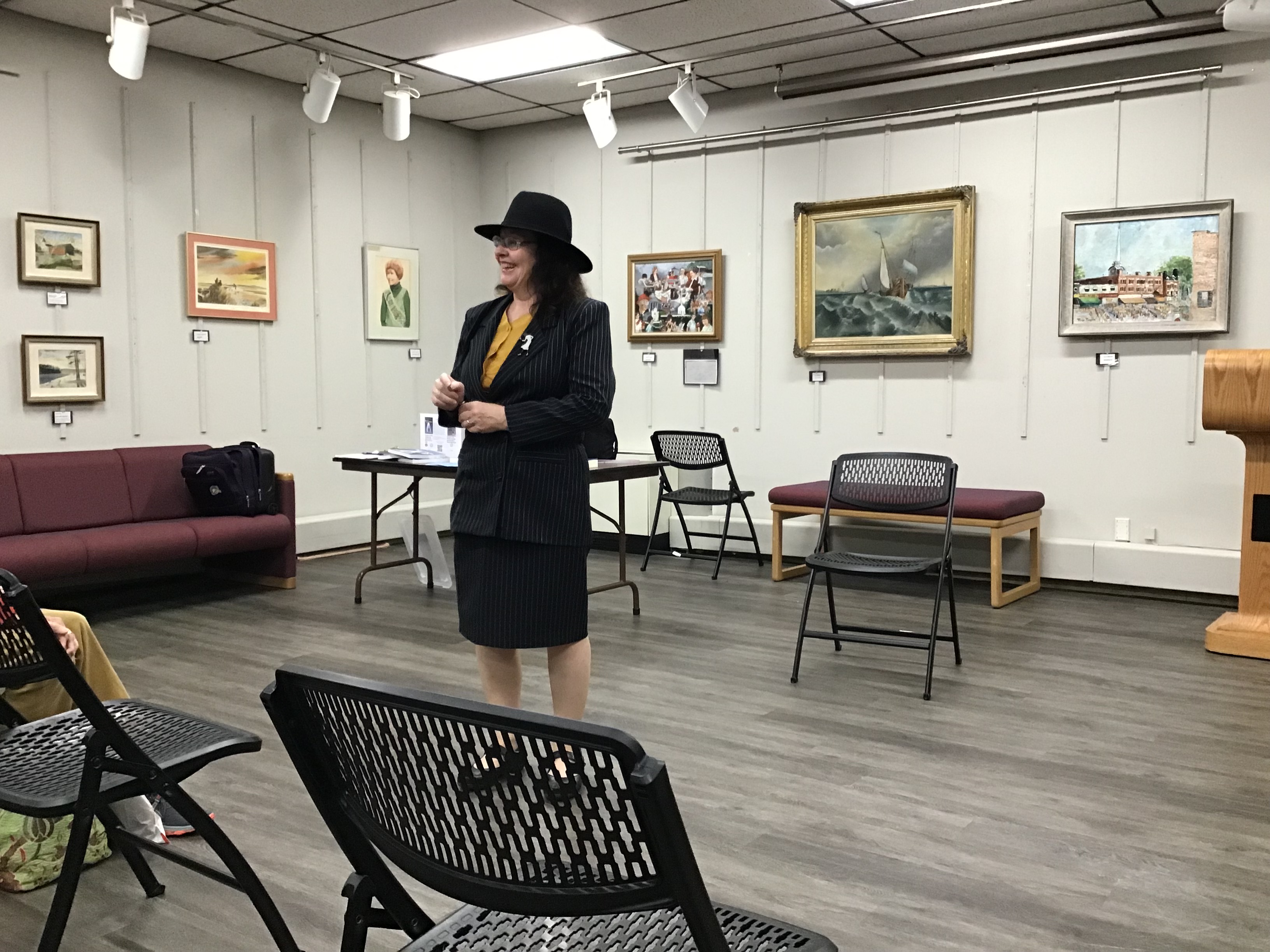
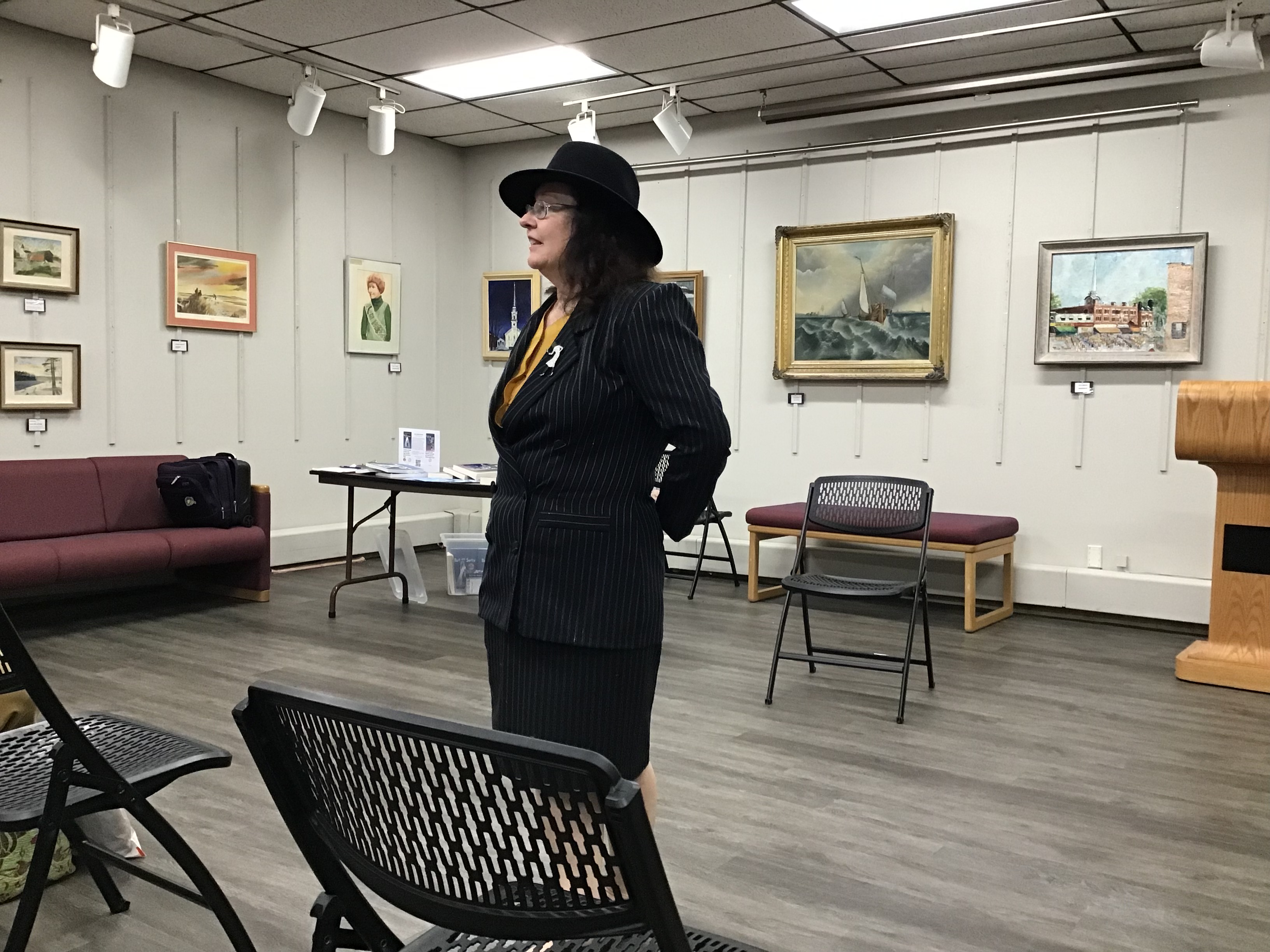
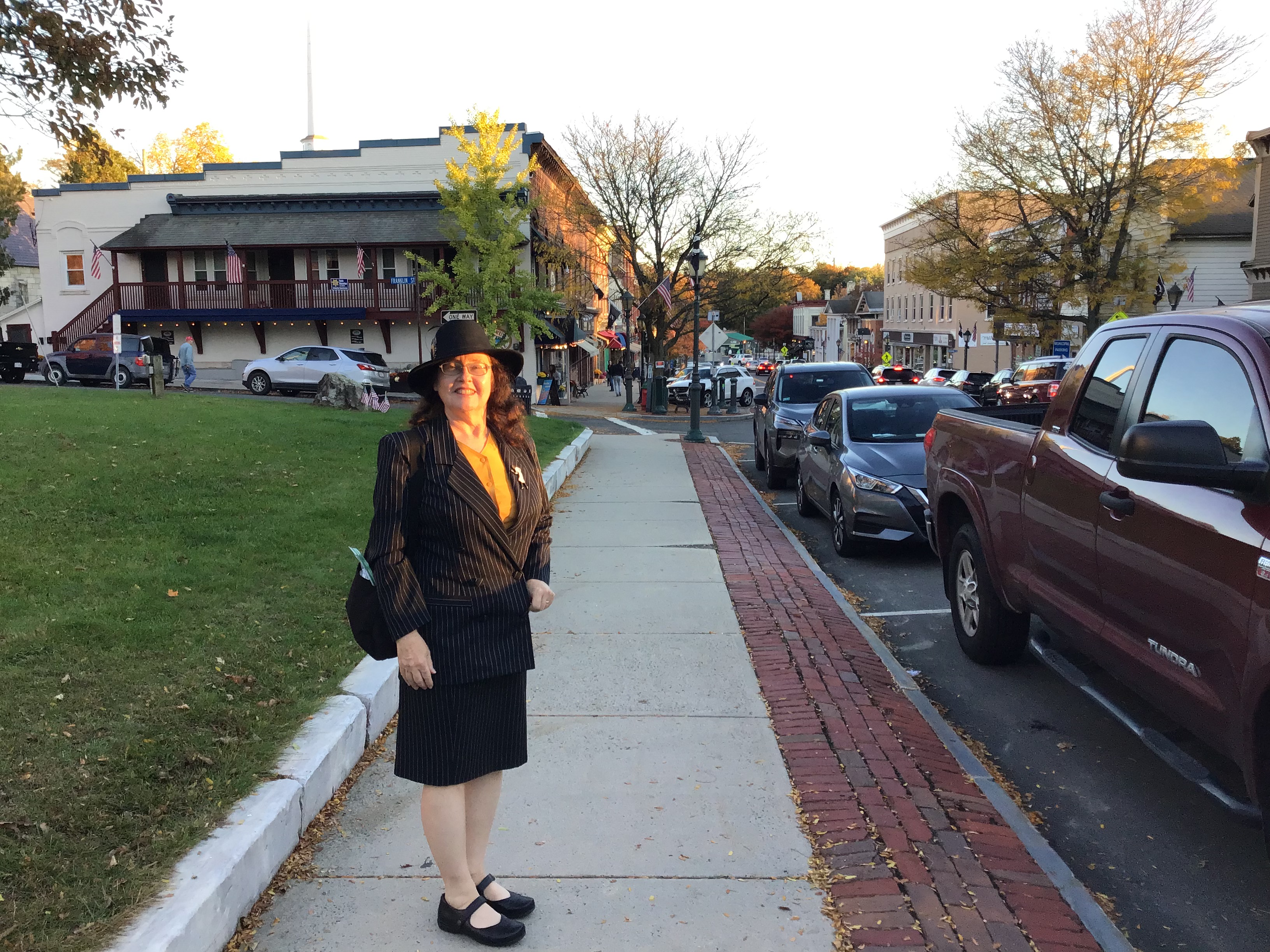
Since some of the Covid issues have waned, I’ve started going back to doing in-person author readings. Friday, October 14th, I had the good fortune to do an event at the Lee Library in Lee,  Massachusetts. What a wonderful day! Lee is in the western part of Massachusetts, so my husband and I had an exciting drive through all the gorgeous fall foliage to arrive at our destination. Lee is a neat little town with a main street of equally neat shops, and in an antique store I found a 1940s movie magazine with pictures of favorite stars. The main Massachusetts. What a wonderful day! Lee is in the western part of Massachusetts, so my husband and I had an exciting drive through all the gorgeous fall foliage to arrive at our destination. Lee is a neat little town with a main street of equally neat shops, and in an antique store I found a 1940s movie magazine with pictures of favorite stars. The main  street has lots of tasty restaurants. We had our lunch at The Starving Artist Cafe, where they craft the yummiest sandwiches and street has lots of tasty restaurants. We had our lunch at The Starving Artist Cafe, where they craft the yummiest sandwiches andcrêpes. They made a pumpkin latte that was absolutely perfect – not all sugary and fake whipped cream, but good coffee, the flavor of pumpkin spice, and steamed milk. We sat outside at the street seating on a warm October day and enjoyed the small-town scenery, great food, and trees dressed in their autumn flames and oranges.  After a stroll amongst the shops and a peek at some of the gorgeous Victorian houses in town, we went to the library for my talk. You can see what a beautiful old building the library is. When visiting the town earlier, I was taken with the building and thought, “I’d like to do a talk here.” Well, I contacted Jodi Magner at the library, and she was tremendously welcoming and enthusiastic at the prospect of my doing an event. She told me that they loved mysteries in that town! After a stroll amongst the shops and a peek at some of the gorgeous Victorian houses in town, we went to the library for my talk. You can see what a beautiful old building the library is. When visiting the town earlier, I was taken with the building and thought, “I’d like to do a talk here.” Well, I contacted Jodi Magner at the library, and she was tremendously welcoming and enthusiastic at the prospect of my doing an event. She told me that they loved mysteries in that town!
Say, how do you like the pin-stripe black suit and the black fedora? I thought the gold blouse was just right to add fall color. Should I have brought along a gat? I’m hoping to go back in the summer, after the fourth novel comes out: Shadows of a Dark Past. Maybe I’ll see you there!
|
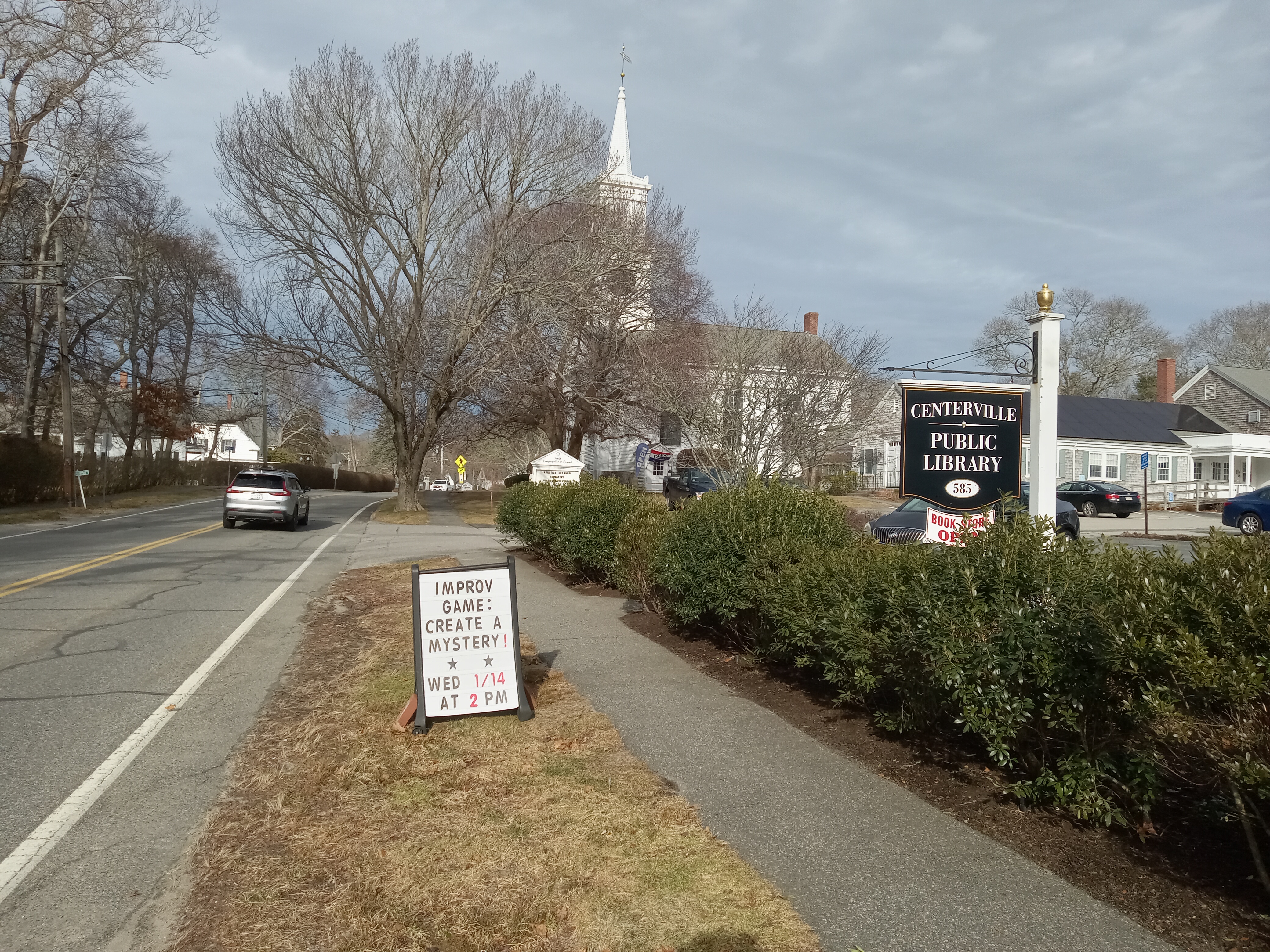
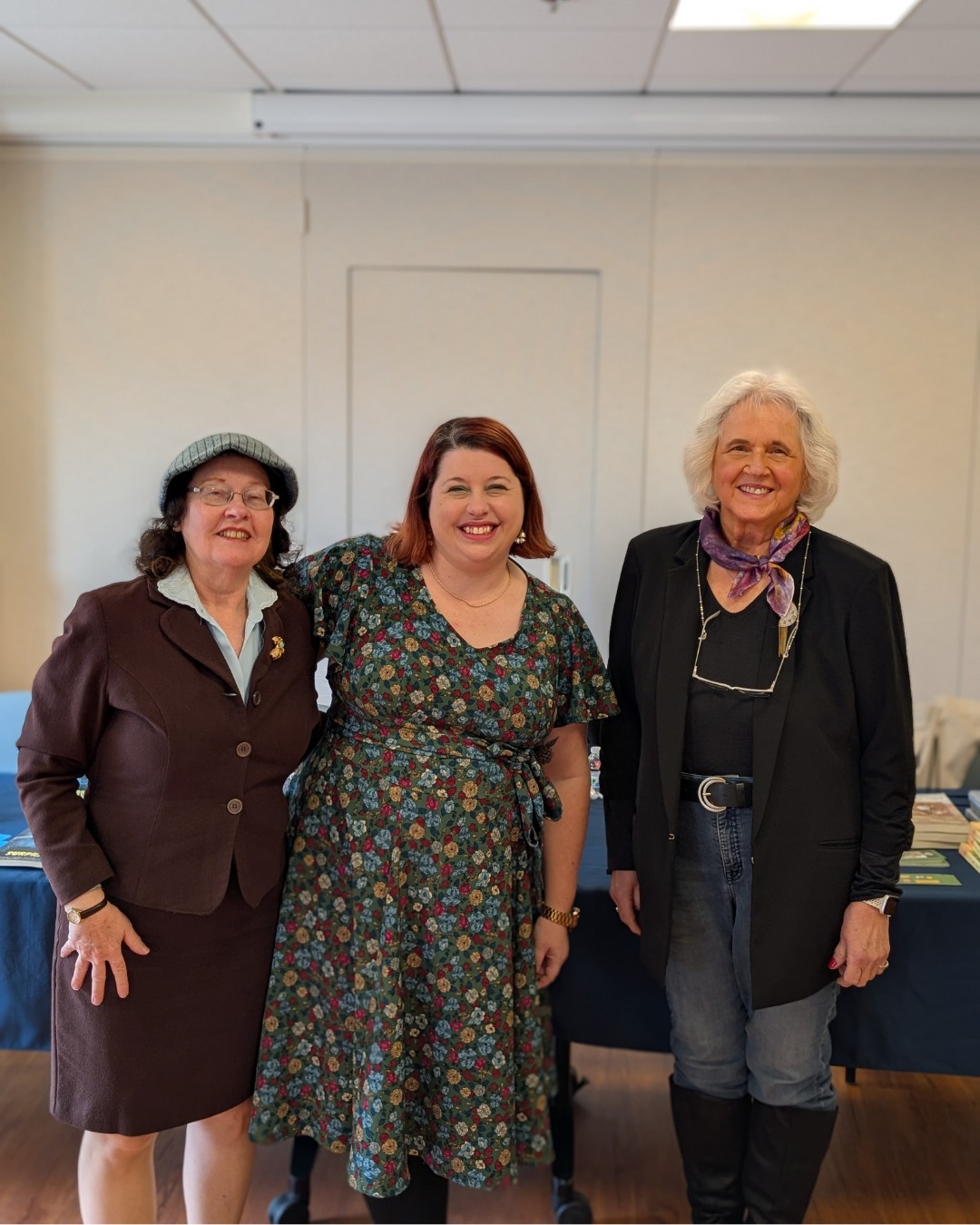
































 Sharon Healy-Yang


