Category Archives: Film Actors

Casting Shadows, Part Two

“Casting Shadows,  Part Two”


Philip Carlyle –  The master of the Carlyle Estate where the Wellstone Mystery Hour is making its remote broadcast, Philip Carlyle has opened his home and the secrets of its past to answer the mystery behind the disappearances of Felicia Blasko and his brother Bill Carlyle.  An engineer and businessman by profession, Philip still nurses the soul of a poet and musician, while holding secrets of his own concerning Felicia.  Embodying Philip requires a man of power, incisive wit and vision, as well as a sympathetic sense of artistry ‒ someone whose fascination with Jessica Minton rings more sad than creepy.  Claude Rains is my choice.  Think of the urbanity and authority of his Victor Grandison in The Unsuspected and the sly, mordant humor in Casablanca’s Inspector Renault.  Then there’s his incisive and forthright authority as Now Voyager’s Dr. Jaquith, tempered by his wry humor and genuine, though never soppy, compassion. Also think about the vulnerable passion of Paul Verin in The Man Who Reclaimed His Head, a quality that burns beneath the wall of authority in Job Skeffington of Mr. Skeffington. That’s the complexity of Philip Carlyle.


Jeanne Rivers and Madame Wanda are two ladies who may or may not be whom they seem.


Jeanne Rivers is the housekeeper for Philip Carlyle in the mansion that Felicia haunts.  She’s a top sergeant making the place run like clockwork, even managing to banish the indomitable Liz Minton from kitchen gossip fests with the help. Her wit can be acerbic, but she can show warmth and good humor when she’s helpful ‒ a woman of practical advice.  She also has ties to the mansion’s tragic past that could open up its secrets. ­A fine choice to inspire Jeanne is Jean Brooks, leading lady of the RKO B-division.  Brooks has demonstrated a dry and clever wit in such films as The Leopard Man, The Falcon in Hollywood, and The Falcon and the Co-eds. Falcon Tom Conway can’t get by without her popping up somewhere! Further our Ms. Brooks is no stranger to a cinematic world of shadows.  A veteran of Val Lewton’s dark tales, in addition to playing a smart-talking gal in The Leopard Man, Brooks also portrayed the haunted Jacqueline in The Seventh Victim.


Madame Wanda – Wanda Hendrix brings more than a first name to Shadows’ medium.  Apple-cheeked and merry-eyed, Hendrix played comedy deftly in films like Miss Tatlock’s Millions and The Admiral Was a Lady.  Thus, Madame Wanda shatters the stereotypes of film mediums as otherworldly, mysterious, and at times even sinister.  Our stylishly outfitted Madame Wanda is quick with a quip to challenge and defeat skepticism about her capabilities, especially from the suspicious Liz Minton and Gerry Davis.  Still, Wanda’s description of her powers and her conjuring of a voice from beyond the pale demonstrate her bona fides for connecting with the supernatural.  Preparing her for the darkness of Shadows, in My Own True Love and Ride the Pink Horse  Hendrix moves through a post-war world now darkened by bitterness, vengeance, and corruption.

Next entry, a look at more of Jessica’s colleagues from the Wellstone Mystery Hour.

Casting Shadows, Part One
Shadows of a Dark Past
Jessica Minton Mysteries
Home
Images

-Claude Rains  Photo from John Engstead. Star Shots: Fifty Years of  Pictures and Stories by One of Hollywood’s Greatest Photographers. New York:  EP Dutton, 1978. p. 185.

-Jean Brooks in white trenchcoat:  Wikipedia public domain, https://en.wikipedia.org/wiki/Jean_Brooks#/media/File:Jean_Brooks_1940s_fan_photo.jpg

-Jean Brooks in plaid jacket public domain:  https://commons.wikimedia.org/wiki/File:Jean_Brooks_in_The_Falcon_in_Danger_1943.png?uselang=en#Licensing

-Wanda Hendrix photo, Author’s collection


Live! And on the Air!: Shadows of a Dark Past!

In my first novel, Bait and Switch, heroine Jessica Minton starts out as a moderately successful stage actress.  So why did I switch her from the stage to the radio as I continued the series with  Letter from a Dead Man?  Well, there are two reasons.  First of all, radio work gave Jessica more free time to join her sister Liz in unraveling mysteries.  However, the second reason is far more interesting.  I’ve always been fascinated by the imaginative entertainment radio provided Americans for almost five decades. The more I delved into how shows were written and produced; what made some actors excel and others bomb when playing to an audience over the airwaves; the way audiences were engaged, even enthralled, by the “theatre of the mind,” the more possibilities I could see this environment inspiring in a mystery.

My first awareness of radio entertainment of the classic 1920s-50s came from old movies of the ’30s through ’50s that I watched on TV as a child – a very young child.  I loved the excitement of actors and musicians, quiz contestants, and newscasters performing before live audiences.  I was so influenced by what I saw that I was close to six or seven before realizing that the music I heard on the radio was not being performed live at the local radio studio. Until that epiphany, I had been dearly puzzled by how the Beatles and Supremes could get from Lowell to Lawrence, MA in a matter if minutes! 

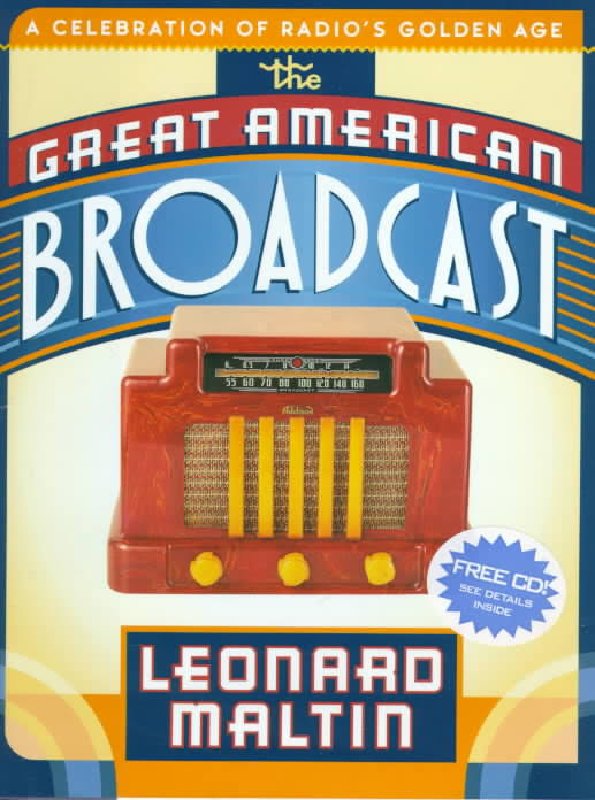
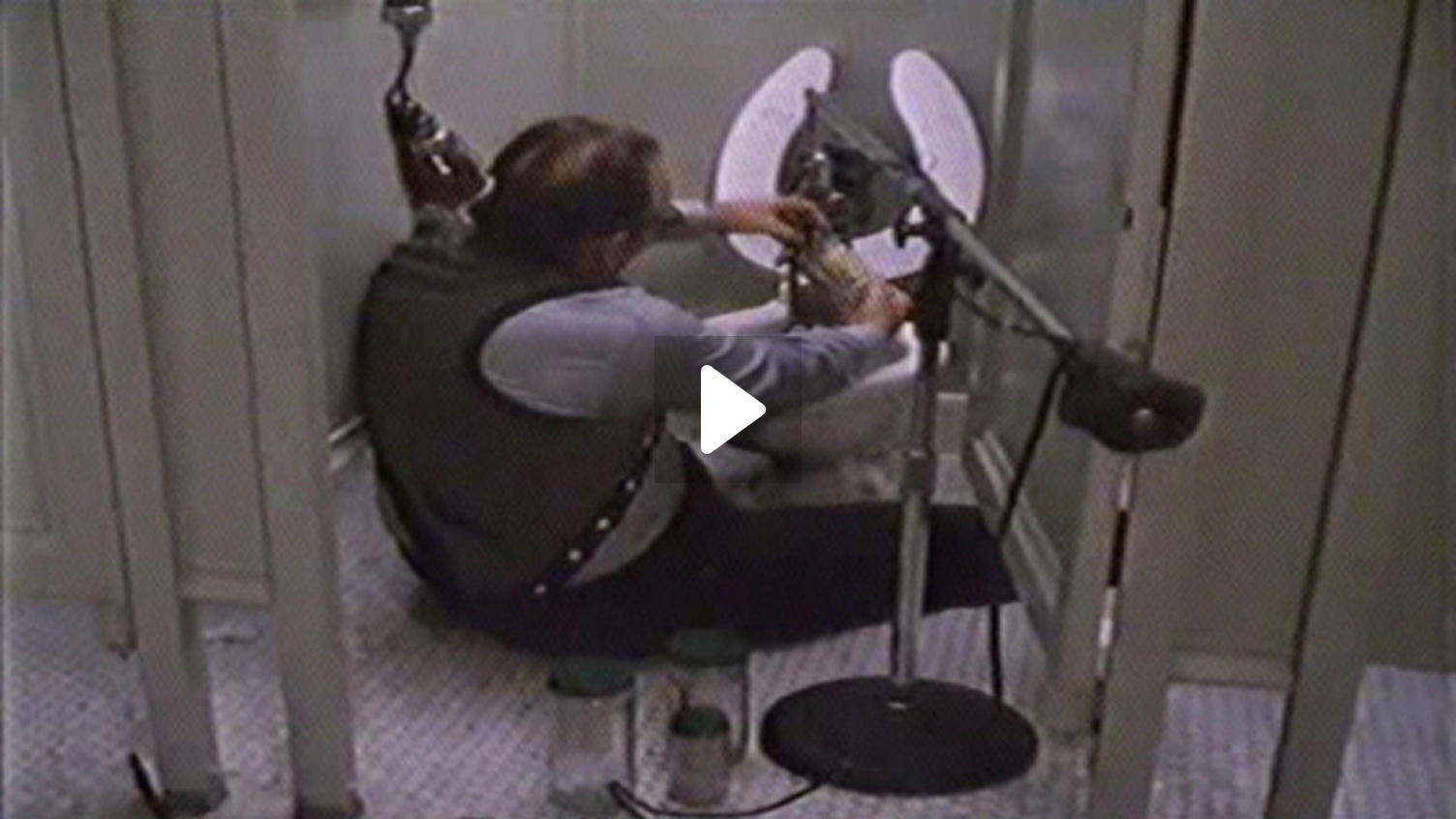
As I got older, read more, and watched movie and TV portrayals of radio with a deeper understanding, I learned more about the intricacies of production – including writing, directing, acting, and sound effects creation, which made me even more fascinated.  Books such as The Great American Radio Broadcast, Terror on the Air, Suspense, Inner Sanctum Mysteries, and The I Love a Mystery Companion  revealed to me the behind the scene creation of programs such as Inner Sanctum, Lux Radio Theatre, Suspense, and I Love a Mystery, to name a few – from initial inspiration and pitching of a show to sponsors, to the intense schedule for writing and rehearsing, to actors’ perspective on radio performing, to audience reactions.  I was especially intrigued by how special sound effects, combined with an audience’s willing imagination, were such a powerful force in creating reality:  coconut shells became pounding hooves, a stabbed melon was transformed into a fatally impaled human, a flushing toilet could be modified to become space invaders’ horrific weapons, or a heart beat might be created with a rubber sponge, a turn table, and a stylus (Maltin 108)!  Of course, there were also the ultra realists like Jack Webb whom Leonard Maltin reveals created the sounds of passing cars on Los Feliz Blvd. at 2:30 a.m. by having a sound man go out and record passing cars at 2:30 a.m. on Los Feliz Blvd. (Great American Radio Broadcast 100).

One source that especially galvanized my interest was Rupert Holmes’s Remember WENN (the real first original AMC series).  This delightful program traced the adventures of a Mid-West small-town girl who makes it to the big city (sort of), Pittsburgh, and starts as writer but soon finds the hectic demands of the station moving her swiftly into the roles of director; producer; business manager; and, occasionally, actress.  With humor that is sometimes whimsical, but always clever, Remember Wenn joyfully captures the seat-of-your-pants spirit at a radio station that characterized how this medium entertained and delighted audiences.

Whether in Remember Wenn or in the books I read, I especially loved learning how actors had the pleasure of playing an enormous catalogue of roles because we created their characters in our minds on the inspiration of their voices.  That’s how a short, chubby chap could become a strapping western marshal or a middle-aged man could mentally materialize as a kindly old grandmother in the theatre of our minds!  Or we got to “see” our favorite actors playing roles they never had a chance to have a crack at on the screen.  For example, as a Joan Bennett fan, I was delighted to catch her deftly cracking wise in Rosalind Russell’s part in Hired Wife or seductively manipulating Burt Lancaster in Barbara Stanwyck’s role in Double Indemnity

And short stories or novels were brought alive for us as well – especially Orson Welles’s infamous trick more that treat, War of the Worlds.  Both situations inspired me to think about what fun it would be to take some of my favorite horror or mystery stories or even movies and imagine them as venues for Jessica to strut her thespian stuff.  So, in Dead Man, Jess gets to talk about doing “A Rose for Emily” and “The Dunwich Horror”; in Dark Horse, we have reference to her playing in “The Horla.”


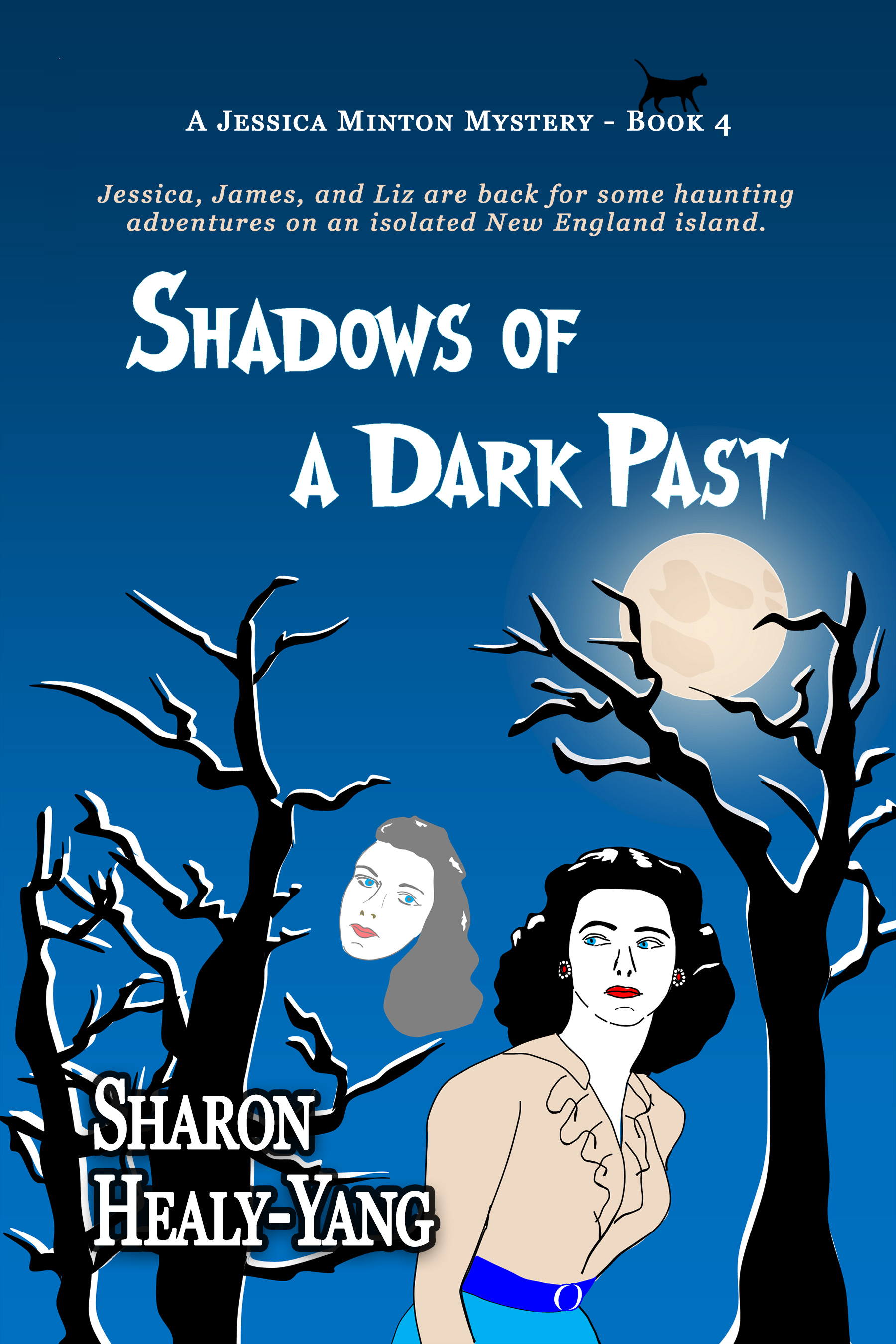
In Jessica’s most recent adventure, Shadows of a Dark Past, I’ve centered the story around her work on a remote broadcast in a haunted New Hampshire mansion (somewhat inspired by Charlie Chan in the Wax Museum). Attempting to drum up ratings, her director/producer Scott plans to reopen the tragedy of a woman’s tragic disappearance, and likely murder, in this mansion twenty years before.  The owner of the mansion, the husband of the woman reputed to be the ghost, her daughter, and others in the town who remember the event have dangerously mixed emotions about the broadcast.  And Jessica finds that she has a disturbing connection to the woman in question.  Then there’s the Hound of Hell. The topper is when things go horribly wrong in a séance recorded for later transmission.

In a book still in the outline stage, the plot revolves around Jessica’s work in the studio with some members of the writing team who are dangerously not what they seem. It’s Dusty who sets the plot in motion! So, don’t change that station!  I plan to bring you more exciting installments of the adventures of Jessica, Liz, James, and Dusty in and out of the studio!


If you’re looking for some films to give you a flavor of radio at its most exciting and mystery-inspiring, check out Charlie Chan in the Wax Museum (1940),  Abbott and Costello’s Who Done It? (1942), Danger on the Air (1938), The Hucksters (1949), That’s Right, You’re Wrong (1939), The Big Broadcast of 1938, Playmates (1941) The Frozen Ghost (1945), Radioland Murders (1994 – George Lucas directing, no less), and The Scarlet Clue (1945).  For a sardonic look at the effects of Orson Welles’s broadcast of War of the Worlds, have a chuckle at Hullabaloo (1940); and for a (mostly) more serious look, watch The Night That Panicked America (1975).

Image of Orson Welles directing:  Broadcasting play:  https://musingsofamiddleagedgeek.blog/2022/10/07/the-night-that-panicked-america-1975-is-a-little-seen-tv-movie-about-the-greatest-halloween-prank-ever-played/

Screen shot of  soundman and toilet from The dvd The Night That Panicked America,CBS Studios, (c) 2014

Image of Melinda Mullins from AMC Movie Magazine.

Image of Joan Bennett, Dusty, and Jessica Minton, author’s collection

Back to Home Page

King of Noir Anti-Hero: Part 2

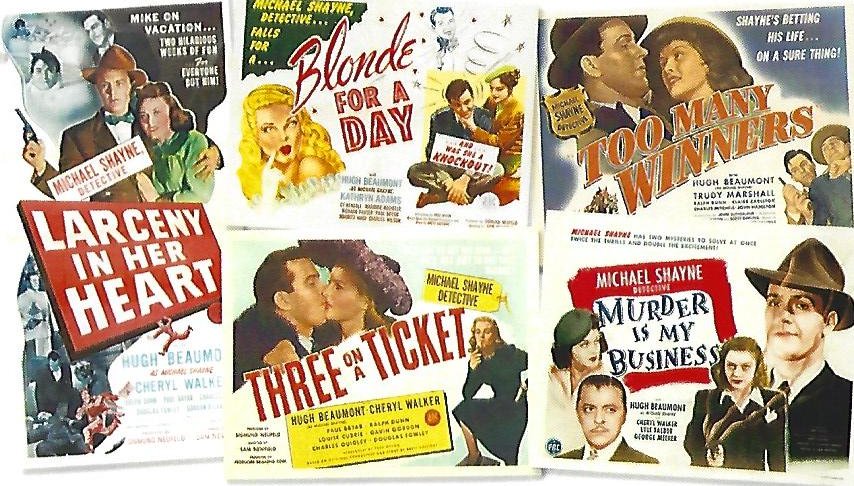
Beaumont didn’t always play a homicidal, narcissistic maniac in his noir career.  In two low-budget series he actually played a detective.  Still, even in this role, he wasn’t exactly on the side of the angels.  When PRC took over the Michael Shane series from Twentieth-Century Fox, Beaumont replaced Lloyd Nolan in the title role.  Nolan’s Shayne, though nobody’s fool, was something of a lovable lug.  Beaumont’s Shayne was much too acerbic to be lovable, much less a lug of any kind, tossing off such gems as, “C’mon, look at the girl.  Don’t be afraid of waking her up.  She’s dead.”  He tackles two spoiled children of a recently murdered father by telling the girl to “shut up” her lip, shoving around the son, then turning back to the daughter and calling her a  “spoiled, brainless brat.”  Not exactly the reasoned chats with Wally or the Beaver in the study (Murder Is My Business, 1946).

This Mike Shayne certainly isn’t as lawless as the Steves, Kennys, and Scots in Beaumont’s psychotic repertoire, but he’s not exactly playing according to Hoyle when it comes to dealing with the law.  His Shayne enlists his newspaperman pal to help him move the body of a murdered girl left in his apartment on a frame job so the police will find the body elsewhere and include him out of any pesky investigations (Murder Is My Business).  This guy just doesn’t want to be bothered and certainly has no respect for the cops. For example he warns the lead detective to “back your monkeys off me,” then warns those monkeys, “Don’t stick you nose outside the door unless you want to get it shot off” (Larceny in Her Heart, 1946).

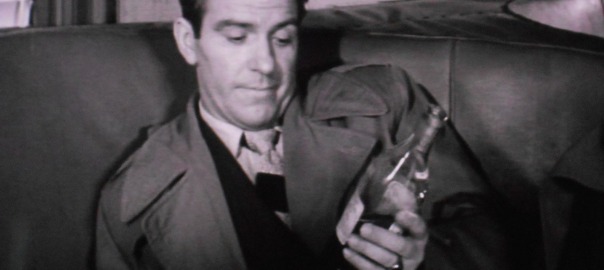
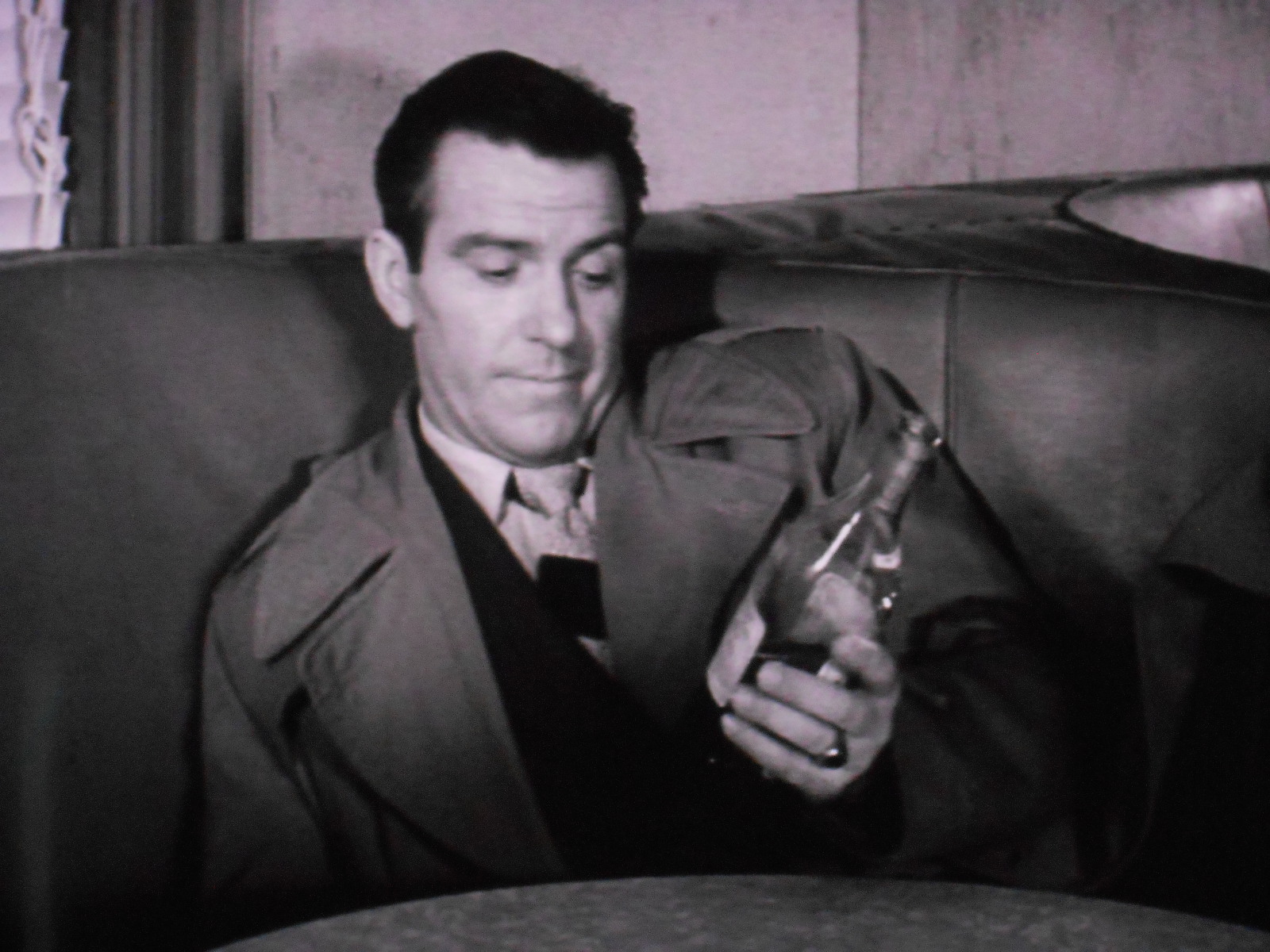
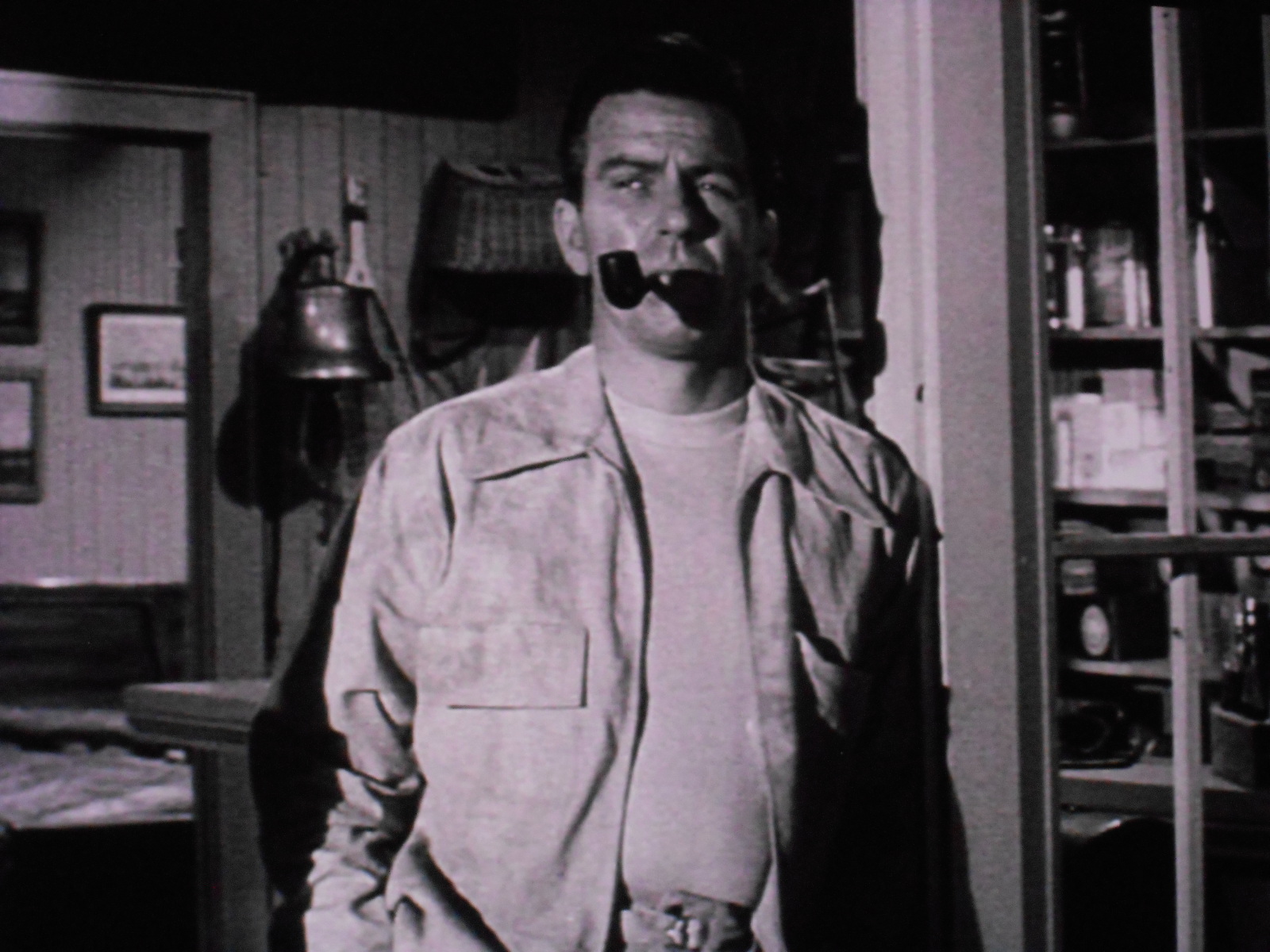
In Hugh Beaumont’s other PRC detective series, about the only thing Dennis O’Brien has in commonwith Ward Cleaver is that they both smoke a pipe.  That said, Denny would rather snuggle up to a bottle of bourbon in a seedy bar with his souse helper, The Professor (more on him later).  If Beaumont’s Mike Shayne was somewhat left of the law, this character barely peeks in as he passes its room.  Even a seedy guy says to O’Brien, “Anybody’s a bum at the right price.  I hear yours is $200” (Roaring City, 1951).  O’Brien confirms this assessment at the beginning of each of the three films in the series when he says while lounging in front of the run-down, two-room shack he shares with The Professor on Pier 23 (aka a “crummy layout,” Danger Zone, 1951), “[A]s long as I get paid, I can’t be responsible for the guys who hire me” (Roaring City).

O’Brien’s cases bear out his less than sterling self-appraisal as he repeatedly gets himself into hot water by agreeing to front a crooked manager’s bets against his own fighter; playing escort for a young woman under the pay of an unsavory lawyer he knows is up to no good; and taking money from a priest to help an escape convict elude capture after blowing Alcatraz, amongst other unsavory cases (Roaring City, Danger Zone, and Pier 23 (1951), respectively.

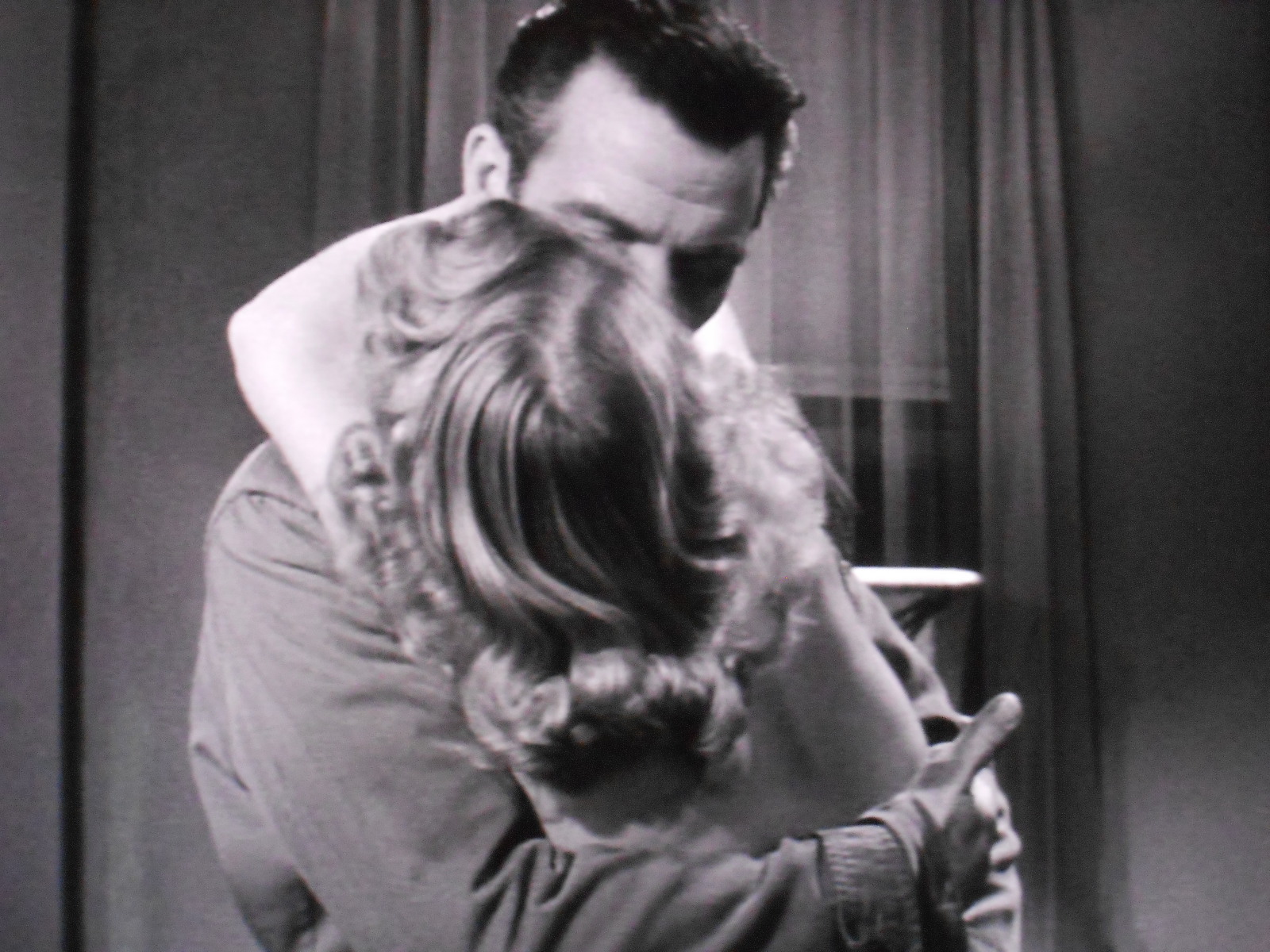
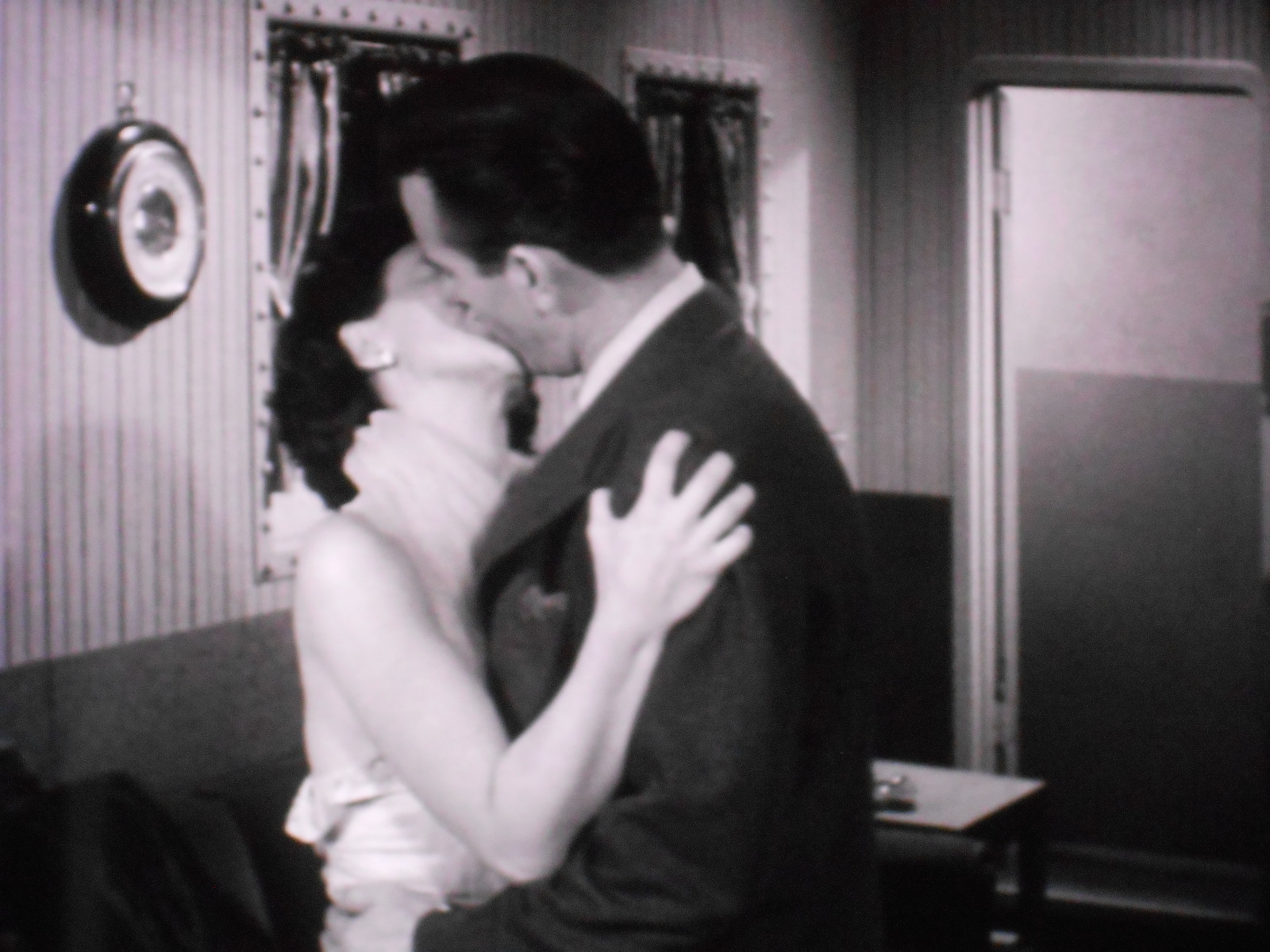
Additionally, where Beaumont’s Shayne might have done some looking but was basically loyal to secretary/girlfriend Phyllis, O’Brien pretty much tom-catted his way through three films, containing two stories each.  Eyeing some chicks in bullet-bras, he comments, “Yes, sir, the town [San Francisco] has some good points” (Danger Zone).  In every film, he’s sucking face with at least one gal per story – that’s at least six gals per series.  His lips must be mighty tired of puckering!  June would not approve.  Watch out Gwen Rutherford!

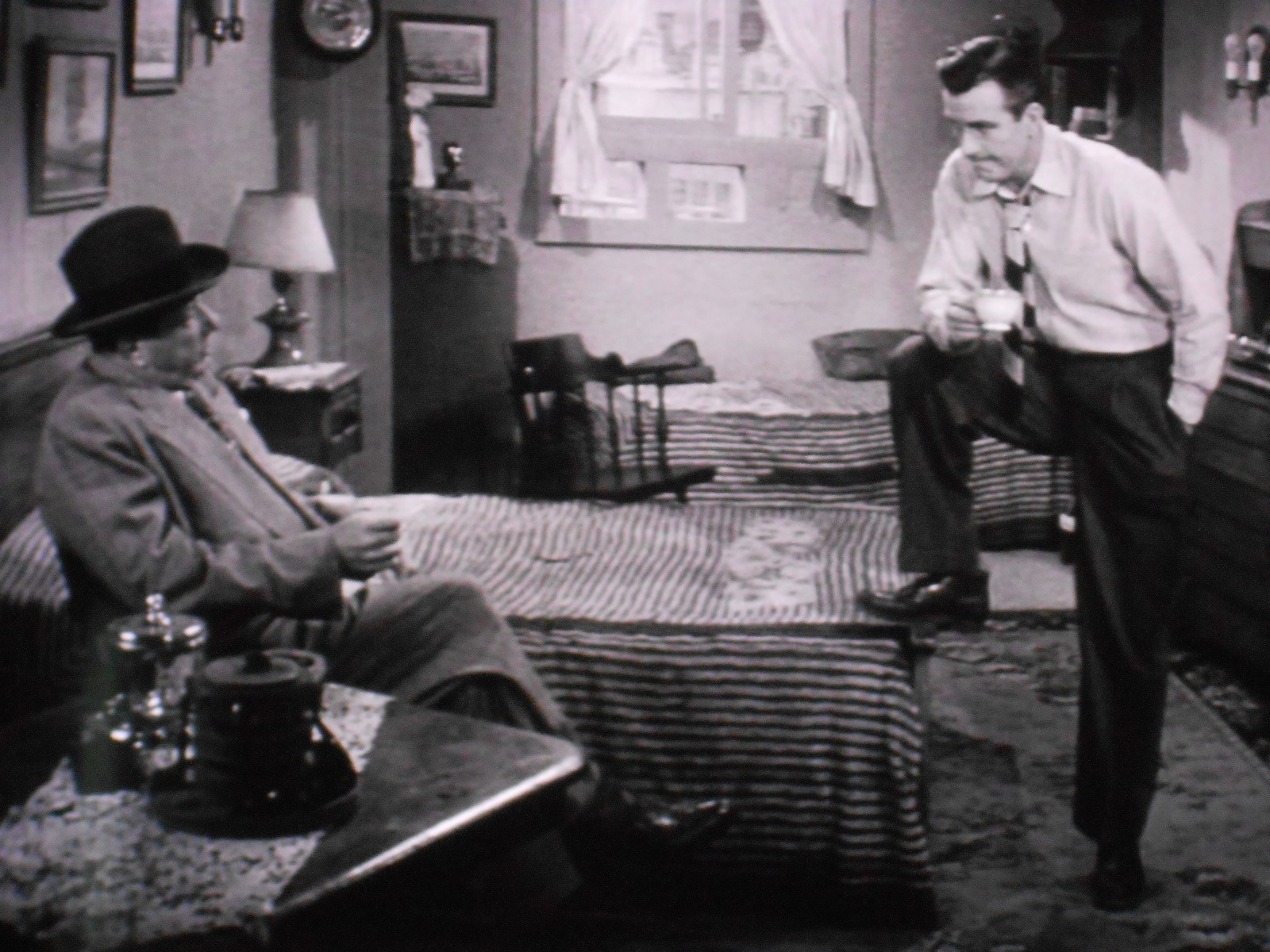
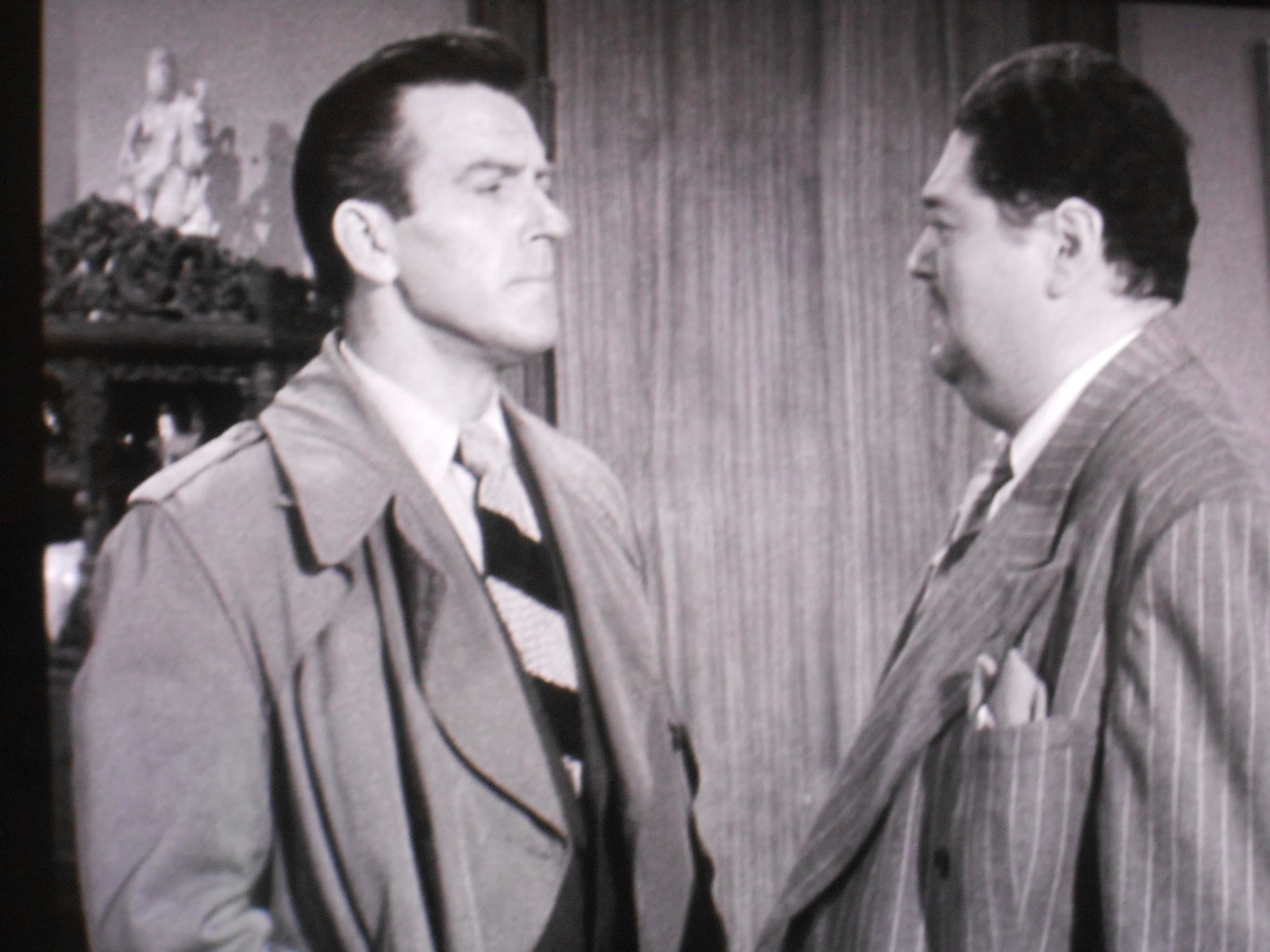
Denny has two regulars in the film.  There’s side man, The Professor, who as O’Brien puts it, “prefers glasses to classes,” and the former filled with bourbon, scotch, or whiskey.  Then there’s Inspector Breugger, his nemesis on the police force, who’s always suspecting O’Brien of murder – mostly because he’s always finding Denny unconscious in the near vicinity of a corpse –whom he never turns out to have killed.  You’d think the inspector would have learned before he got through six stories in three films.

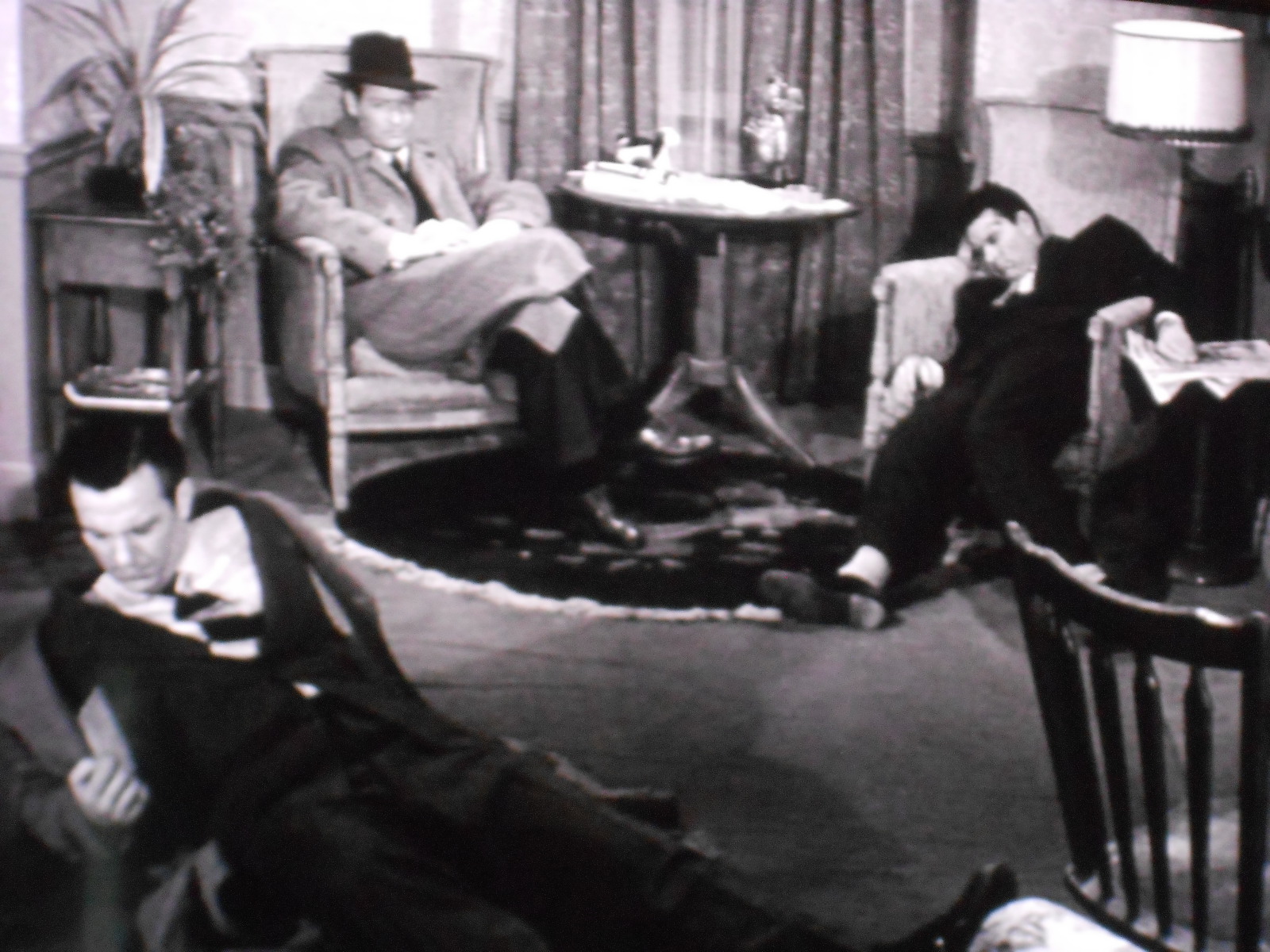
You’d also think Dennis would learn, too.  Every time he turns his back – often while he’s smooching some deceptive dame – he gets cracked on the noggin and sent to la-la land, only to wake up next to a corpse and a freshly arriving Inspector Breugger.  This photo is just a day in the life of O’Brien, Breugger, and the corpse du jour.

Now, our detective still isn’t a complete dope.  He always gets his man ­– or dame, as the case may be.  He even is quick with a quip.  When Breugger asserts, “I got an idea,” Denny cracks, “Did it hurt?”  Or there’s his cynical assessment of his part of San Francisco where  “[a] set of morals won’t cause any more stir than Mother’s Day in an orphanage.”  Beaumont gives us a private dick who may be on the seedy side, but his trenchant cynicism establishes that he knows he lives in a world that’s amoral to the core.

So, low-brow, psychotic, or somewhere in between, Hugh Beaumont is a champ at playing the noir anti-hero deeply engrained in the world he inhabits.

What noir performances by Beaumont would you add to this list?


– Images 1 & 2 of the Mike Shayne films from the Classic Flix dvd covers, copyright 2019, ClassicFlix.com

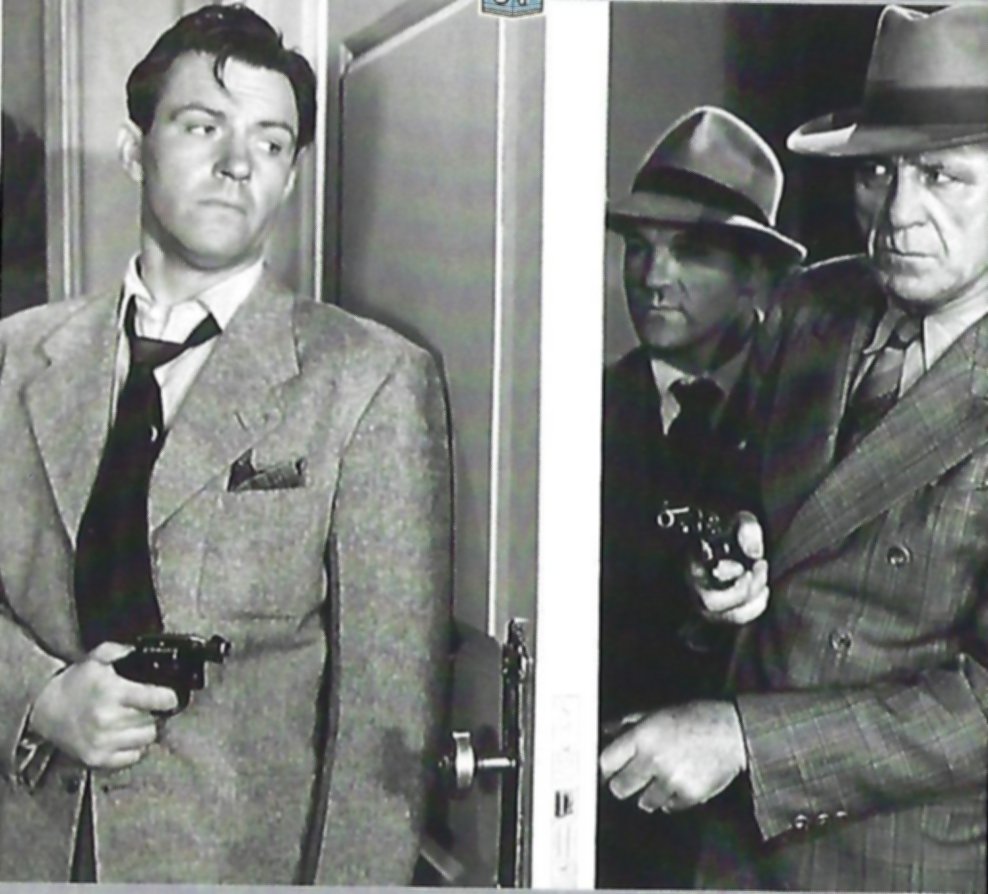
– Screen Shots from Danger Zone, Pier 23, and Roaring City from the Kit Parker Collection of Film Noir, vols. 7-9., Copyright VCI Entertainment, 2008.  author’s Collection


Check out “King of Noir Anti-Heroes, Part 1”

She Can Do It! And so Can Janet and I!

I first met sister-author Janet Raye Stevens when my friend Lisa Lieberman (another mystery author) asked me to join her and Janet to do a ZOOM program on the importance of clothing and fashion in the development of our mid-century mysteries.  This was my initial chance to read Janet’s Beryl Blue time cop series and her stand alone, A Moment After Dark.  I was hooked.

Janet and I both love the 1940s, especially the era’s sharp and challenging mysteries, which inspire our own writing.  We are especially taken by the “smart-talking gals” populating 1930s-40s mysteries, neither femme fatale not babyish innocent:  a woman who has been around, learned the ropes, but has not lost her integrity.

We loved the sharp wit and clever cracks of the likes of Joan Bennett, Claire Trevor (when they were playing on the side of the angels), Lynn Bari, Lauren Bacall, Ella Raines and many others.  We especially loved how they were usually the ones who set the noir’s anti-heroes straight, pulled together and made sense of the disparate threads of clues, and weren’t above skirting conventions and the law to see fairness prevail.  So, it should come as no surprise to anyone who knows us and our smart talking heroines Jessica Minton (me) and Beryl Blue and A Moment After Dark’s Addie Brandt (Janet) that we put together our heads and came up with a presentation:  “She Can Do It!  Real/‘Reel’ Women and Mid-Century Mysteries.”

We did our initial run at the Lynnfield Library, thanks to the go-ahead from Assistant Library Director Marita Klements. Our space was a loft area in the former schoolhouse, now library, where we set up a multi-media show.  We started by introducing the fact that with the war, women now had opportunities to put their considerable talents to work in factories, in the air, in battlefield hospitals, etc.

However, you can’t talk about the influence of movie smart-talking gals without showing some clips, can you?  For fun, we showed a clip from a 1938 Nancy Drew movies, where a teenage Nancy not only recognizes a kidnapping and tracks kidnappers in her car, only thwarted when her car has a flat – which she changes herself without missing a beat. Sisters were doing it for themselves in 1938, and we talked about how the wave of independence continued through the 1940s, in real and reel life.

Janet and I broke down the presentation into three sections, first showing a clip (talking about it a little), then showing its influence on our development of our heroines by each doing a related reading from her own text that reflected what went on in the scene.  Murder suspect Lynn Bari’s snappy but cool exchange with detective George Raft in Nocturne illustrated a woman with substance, unintimidated by authority. Dark Passage’s Lauren Bacall revealed a gal resourcefully rescuing Humphrey Bogart from persecution by unjust law.  Finally, Anne Shirley, in Murder, My Sweet, showed our gal calling out both men and women who misjudge or threaten her. After reading related, short excerpts from our books, Janet and I explained how these smart-talking gals influenced our heroines

We had a lot of fun, watching our audience get into our writings as we read. (It’s always great when people laugh in the right places!)  It was just as neat to see them enjoy the smart-talking gals tell it like it is, be unflummoxed by adversity – on the screen or on our pages.  We also got thoughtful questions about our research, background on the films and the actresses, and the influence of these films on women’s changed roles during and after the war.

So, if you think this evening sounded like fun, get in touch with Janet (janetrayestevens@gmail.com) or me (syang@worcester.edu) and maybe we can make an appearance at a library, senior center, or other venue near you.

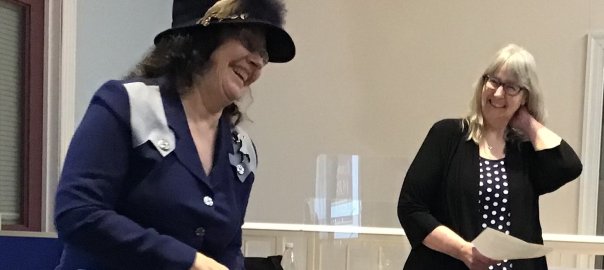
(P.S. Yang made my suit based on an actual 1940s suit that I own!)


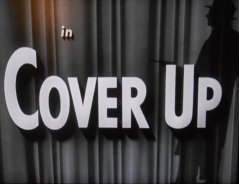
Christmas Noir three: Cover Up

Set in December, with all the holiday trimmings in view, Cover Up is definitely a Christmas movie.  Yet, its title clearly implies a noir universe where ulcerous secrets are smoothly skinned over by patterns of social respectability.  In the film, Dennis O’Keefe plays an insurance investigator sent to a small town at Christmas time to investigate whether the death of a policy holder was truly suicide. O’Keefe’s his repertoire of skeptical, somewhat hard bitten, though sometimes sympathetic noir protagonists (The Leopard Man, Raw Deal,T-Men, Walk a Crooked Mile), sets us up for a symbolic stripping away holiday cheer hiding dark secrets.
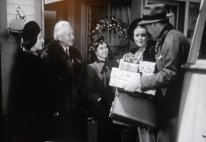
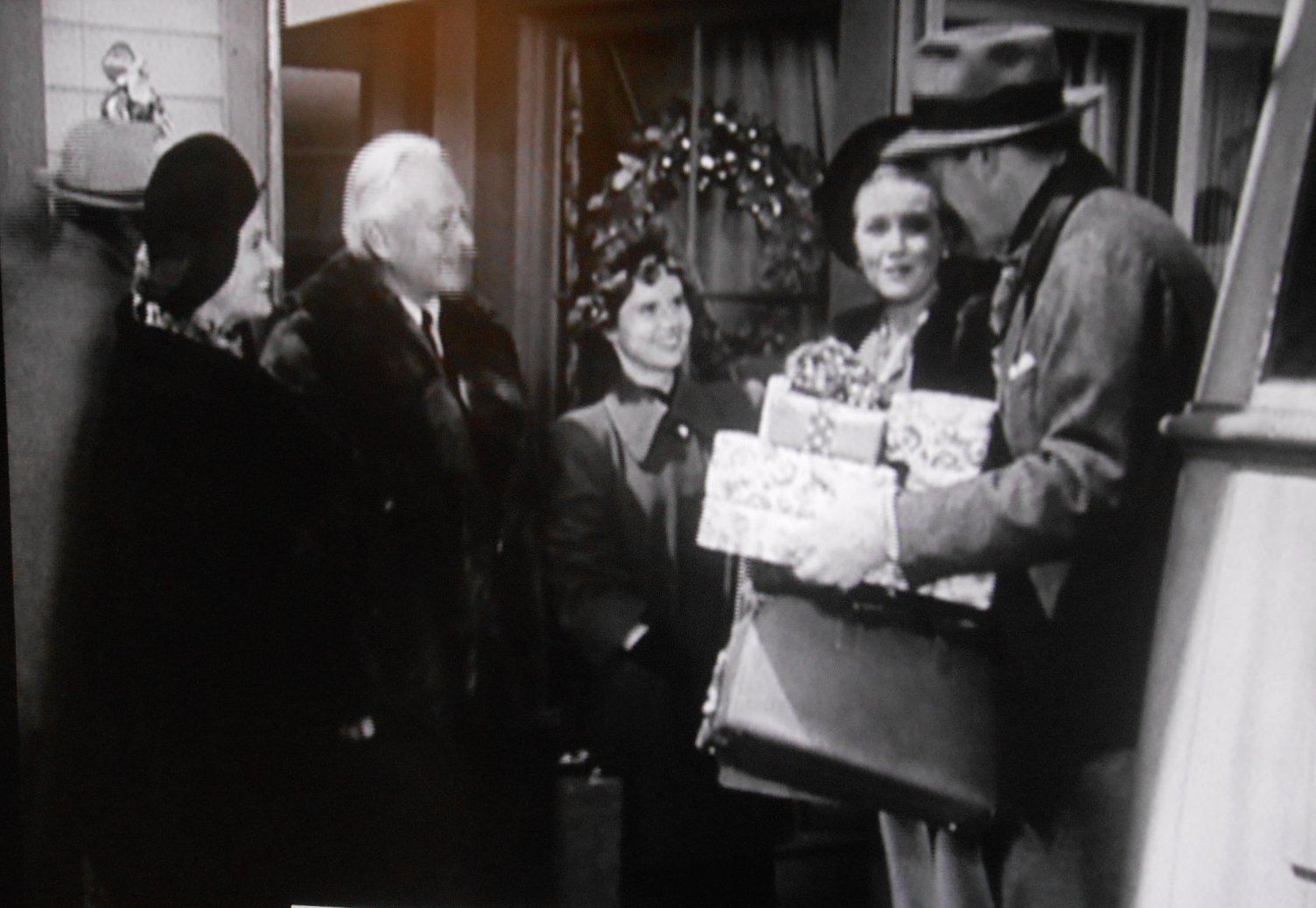
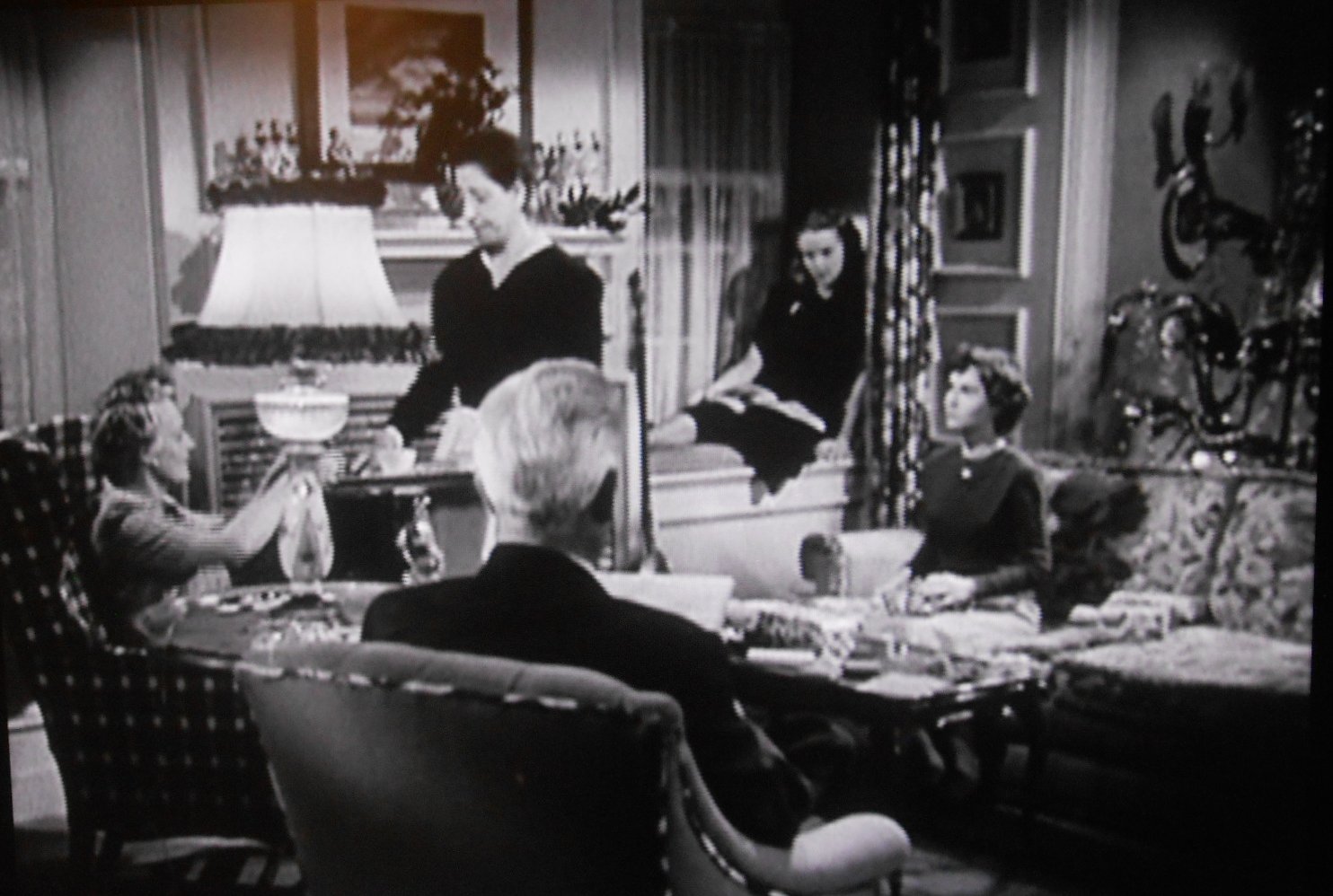
On the surface, the holiday season seems to characterize this small town as an embodiment the idyllic. Right off the bat, we’re immersed in Christmas cheer and fellowship, as the investigator helps a young woman, Anita Weatherby, returning to her family, so packed with presents that they burst from her arms and off the train.  His Christmas good will in helping her is rewarded by her friendly, joking family inviting this helpful stranger to their house.  He accepts their invitation to visit and share in the brightness, warmth, and humor of their home, filled with cheery Christmas decorations.  Still, the family is not cloyingly saccharine, instead, kidding him and one another pointedly but good naturedly. In the same mood, Doro Merandes plays their housekeeper, Hilda, in Margaret-Hamilton-style – not as a Wicked Witch of the West but with salty comments delivered in perfect dead pan.  That Mr. Weatherby, the pater familias, carries the authority of bank president seems to indicate that his warmth, tempered by dry humor, is the characteristic mode of the town.

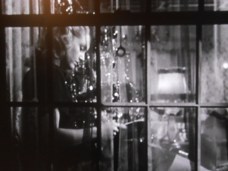
Investigator Sam sees this family as not just a haven of goodwill but a magnet drawing out the generosity and friendliness he keeps hidden beneath a protective layer of sharp cracks and skepticism.  He shows up on the Weatherby doorstep, not merely planning to kibbitz and take out Anita on a date.  He is thoughtful enough to bring a compact as an early Christmas present for the younger sister so she won’t feel slighted. He even impresses skeptical Hilda as an acceptable addition to the family circle.  His attraction to the Christmas warmth of companionship is decisively conveyed as he approaches the house in the dark shadows of late December cold, bowed against the wind, then straightens up and smiles on seeing Anita reading in the window, the lit Christmas tree in the background. In fact their friendly banter marks them as embarking on romantic adventure typical of 1940s comedy/romance.
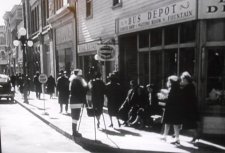
The imagery of the town itself abounds with Christmas warmth.  As the bus carrying Anita and Sam into town from the train station arrives, a Santa Claus is merrily ringing a bell over a pot where he collects donations of holiday charity.  The Weatherby house is bright with daytime sunshine; at night electric lights, Christmas tree bulbs, and flickering hearth light create a comforting contrast to the dark December night.  The rich, warming coats of fur and wool, as well as scarves and gloves, evoke a barrier against winter freezing. There’s even a lovely Christmas tradition of the whole town coming together in celebration when old Dr. Gerrow will light the enormous town Christmas tree and hand out presents to the children.  Light against darkness.
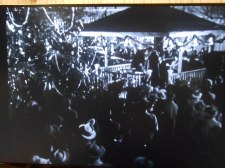
In this moment, though, we can see the corruption skinned over by good fellowship seeping through.  The doctor, at first, is mysteriously absent, then is revealed to be dead, discovered in his out-of-town home by the sheriff.  Significantly, this scene of camaraderie in solstice celebration ends with the faces of disappointed children and the pine tree’s lights flickering against almost enveloping darkness.  Furthermore, as light and warming as are the interiors of the Weatherby home, the night outside where Sam and Anita walk and romance is surrounded by dark shadows and implied cold.  The mansion where Philips died also encompasses Anita and Sam, later Sam, Sheriff Best, and Mr. Weatherby, in shadows that distort, conceal, isolate, and threaten.  In a telling scene, flickers of light in the darkness come to imply perfidy and corruption as the “lovable” maid Hilda resolutely undercuts Sam’s quest for the truth and order by burning a beaver coat that implicates Mr. Weatherby in Phillips’s murder.  Interestingly, the coat no longer suggests protection from hostile nature but implicates the “upright” in crime.  Now suicide is revealed to be murder, while the victim is, himself, revealed to be “a malignant growth strangling the town.”  So, where does justice rest concerning this death?

All the characters Sam faces in his investigation become almost impossible to pin down. The family that had seemed to offer him the warmth and stability he’d never had, he finds cannot be trusted, their dependability, at times even their morality, twisted and tangled by loyalties, fears, or ignorance.  Mr. Weatherby, supposedly a paragon of the town and representative of its order, becomes a major suspect in the murder of Phillips.

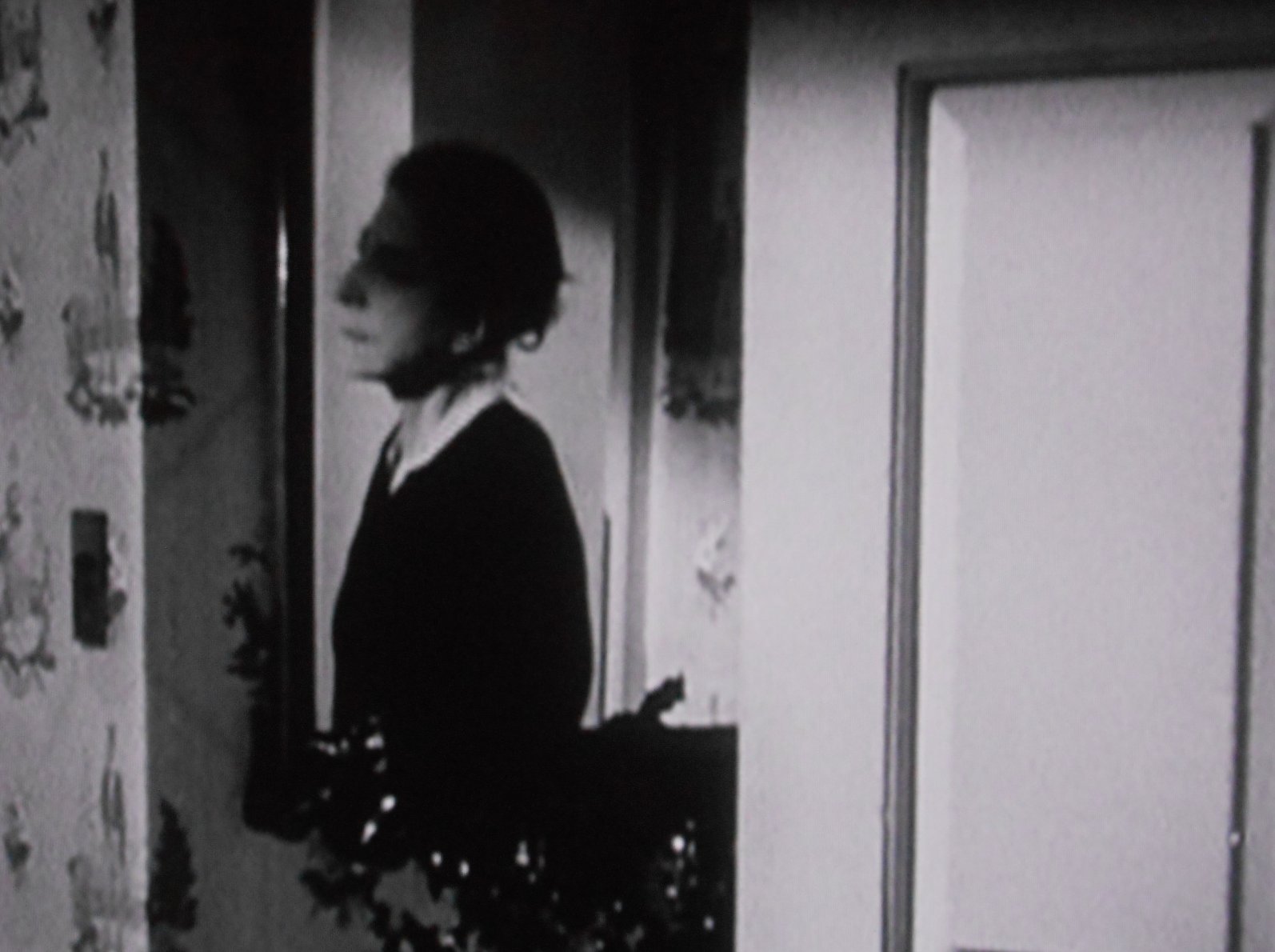
Anita, the smart young woman whose wit and warmth had led Sam to see her as a beacon of hope for belonging, betrays his trust in order to protect her father. In fact, the reflection of her in a mirror as she hides from Sam after obstructing justice to protect her father reverses the earlier image of her as the beacon guiding him to human relations.  Here, rather than being before him, she lurks behind him as he stands uneasily sensing something is wrong, threatening.  Though both images were linked to glass, where previously the clear panes revealed her as at peace and content, now she is both more distant, existing as only a reflection, and one step removed, hidden from him, the heavy door and the lines of the mise en scène reinforcing their isolation.
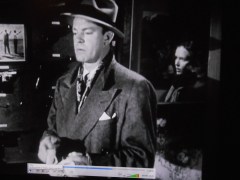
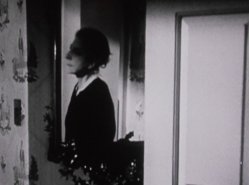
The salty but lovable maid, who had seemed to welcome Sam into the family in her own reserved way, also lurks unobserved and one step removed in the mirror where she hears of Sam’s threat to her family.  She also thwarts his search for truth to protect her clan when she  unabashedly destroys evidence that would lead him to the truth and lies to his challenge, looking him dead in the eye.

Maybe the most interesting of all is William Bendix’s Sheriff Best.  Is the name ironic?  The “best” at what, one wonders, watching him: Deception? Double-dealing? Murder, itself?  How should an audience read the town’s master of law and order when with affable obduracy he insists on his suicide verdict despite all the evidence that Sam demonstrates add up to murder? Casting Bendix keeps audiences guessing by playing on the concept of the availability heuristic. For Bendix is as well-known in the noir universe as much for his lovable tough guys (The Web, Race Street, Detective Story) as for his vicious thugs (The Dark Corner, The Glass Key, The Big Steal).

These two medium closeups of Sheriff Best  capture both incarnations of the Bendix noir personae.


Finally, Sheriff Best’s setting up subtle roadblocks to the investigator’s attempts to uncover the truth, as well as his tone of laid-back affability, just suggesting steely threat, then back to easy charm, heightens uncertainty over which noir Bendix holds the power of law controlling the town.

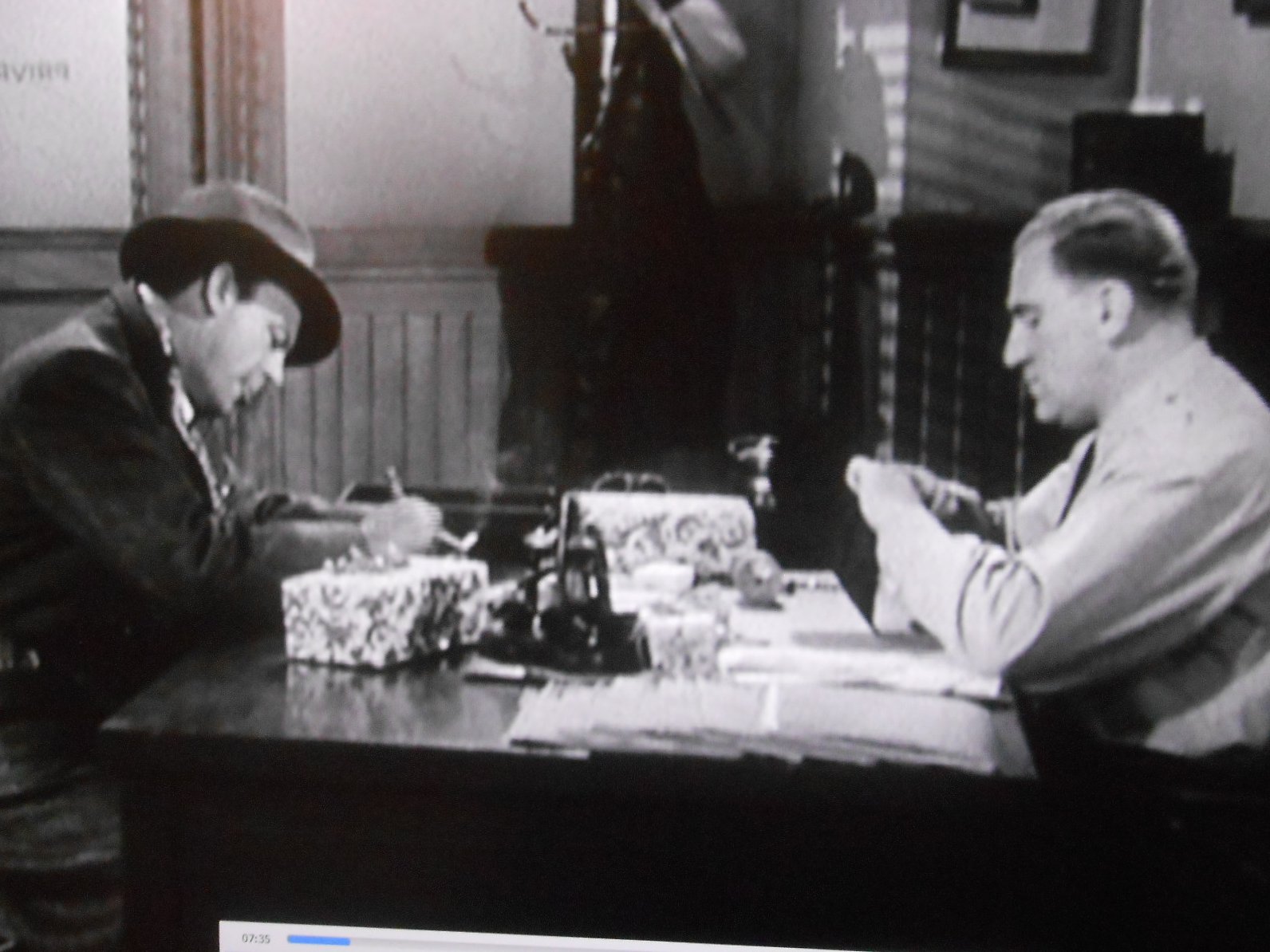
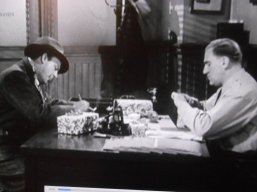
This image from the first meeting of sheriff and investigator, where they sit down to parry verdicts back and forth brings this point home.  They are seated on opposite sides of a desk, like opponents in a chess match.  The Christmas presents  between the two in the shot do not bond them in seasonal amity, but form a barrier between opposing forces – visually emphasizing a subversion of “Christmas fellowship” as much as the men’s amiable sounding but antagonistic verbal sparring and both refusing to face the other. A wreath above and between them, just out of shop, reinforces this point. Even more sinister, in the denouement, a tone of easy good will coats but does not hide the two men’s opposition.  When Sam pleasantly checks Best by pointing out that neither has ascendancy because both carry concealed guns, Best chillingly checkmates him with the easy and reasonable delivery of his assertion that if Sam shoots him it’s killing “a law man,” but “If I [the sheriff] get you with my gun . . .it’s just a lot of votes in the next election.”
Dennis O’Keefe’s place in the noir universe as hard-bitten outsider trying to belong without sacrificing integrity makes him an apt proxy for the audience looking for order and stability in an uncertain and corrupt world. His character’s confrontation with Bendix’s sheriff in the shadows of the murder mansion where he’d planned to lure the murderer into a trap creates a disconcerting, even haunting embodiment of the danger of noir uncertainty. All on Christmas Eve. Interestingly, when the sheriff first enters, the visuals throw us off balance by placing Best more in the light and shadowing Sam, the seeker of truth, in a threatening, sneaky pose in the shadows. Which of the two antagonists can we trust?  Is Sam literally and figuratively in the dark? Is he bringing darkness into the Christmas world or revealing what was there all along? This use of shadows enveloping the men as the scene progresses creates a space of confusion and doubt that mirrors the uncertainty of reality as Sam raises suspicions and presses for honest answers, and the sheriff seeks to control that truth for unclear ends, gradually unveiling indirectly what may or not be honest.

How does the film end?  Well, that would be telling.  I wouldn’t want to spoil it for you.  Let’s just say that things are not always as they seem, that the film looks for wiggle room in what the law demands and what is fair, in what you can expect of human beings.  “Merry Christmas” was never such an ironic closing to a movie – I think!


Return of the Native: My Author Event at Lala Books in Lowell

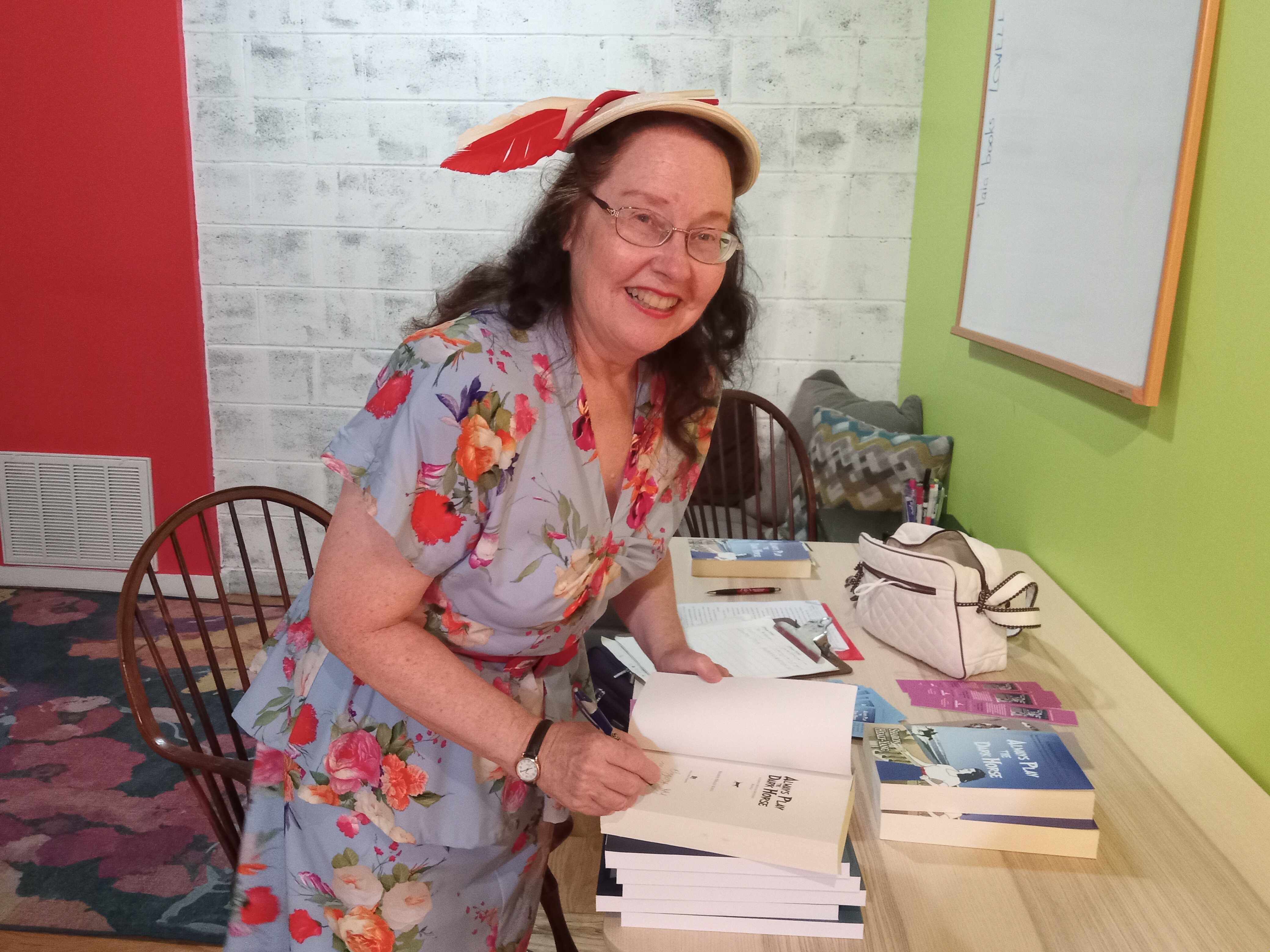
I had a wonderful experience going back to my hometown of Lowell, Mass. to do an author event at Lala Books.  This is a lovely bookstore on Market Street (189  Market,  to be exact), filled with an extensive catalogue of fiction and nonfiction – with a large local author section, where I fit in.  Well, we know I also fit in as a mystery writer.  The store is roomy and pleasant, and I had a cozy corner to do my event.
The event went great!  I got to talk about how I’ve always been a story teller, even scaring the other little kids on the block with ghost stories when I, myself, was but a nipper.  I also got to talk about the influence of black and white  film noir mysteries and films of hauntings and the supernatural.  It was fun to connect Bait and Switch, Letter from a Dead Man, and Always Play the Dark Horse to specific films that influenced their creation.  As always, I had fun talking answering questions about the writing process and publishing. I especially appreciated when one listener told me that reading Bait and Switch reminded him of watching old films with his Dad. I was so happy that everyone seemed to get a kick out of the excerpt I read from Dark Horse – I kept them in suspense!
The audience was, indeed,  wonderful! I saw many old friends, including one gal I hadn’t seen since we were little kids and my parent moved our family to another neighborhood.  I deeply appreciate all the friends who came out to support me, and tell me how much they love my mysteries – especially my descriptive style.  It’s also great to make new friends and bring in new readers. And I did sell some books, too!  By the way, do you like the dress?  Yang made it based on a 1940s Simplicity pattern.  The hat is one of my favorites!
Lauren and her daughter Thea did an admirable job setting up the event and supporting me when I was there.  Thanks, so much to you!  If you live in the Lowell area, be sure to drop in and do some book shopping. Christmas is coming!  All three of my novels are available at Lala Books.  Don’t forget, they have some neat events as well.

Smart Talking Gal #4: Susan Hayward

Susan Hayward

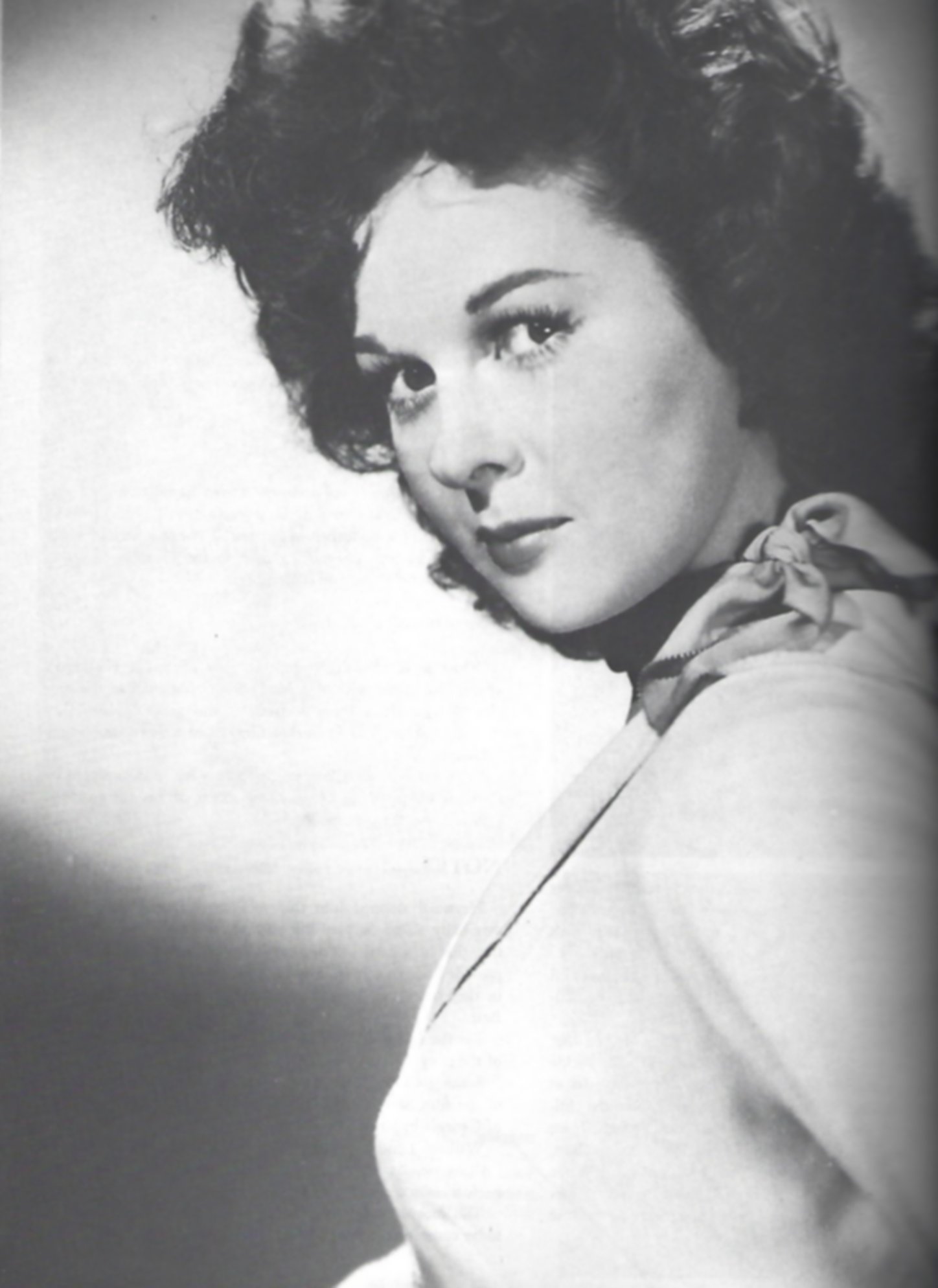
One of my favorite of all the smart talking gals is that lady with the baby face, biting talk, and magnificent mane of auburn hair, Susan Hayward.  Hayward started out specializing in types meaner and more inventively spiteful than a pack of Heathers:  Sis Hopkins, Adam Had Four Sons, And Now Tomorrow, I Married a Witch, and Forest Rangers.  She persecuted the dickens out of Judy Cannova, Ingrid Bergman, Loretta Young, Veronica Lake (the real witch), and Paulette Goddard.  Yet she had something that almost made you root for her.  Actually, many of us probably were rooting for her in Forest Ranger, where she set out to fix Paulette’s wagon after the latter unknowingly stole boyfriend and big dope Fred MacMurray.  More than one critic found unbelievable the feisty Susan wimping out in the midst of fire so Paulette could prove herself by saving her.
Filmmakers came to see that spark of something special in Hayward, upgrading her to roles where she might connive but still definitely win our admiration for her smarts and heart.  That snappy wordplay, that piercing insight into the heart of things, that defiant glare and tilt of her auburn-crowned head were combined with tenderness and integrity that had to be earned.  The men impelled to this Susan aren’t allured by a femme fatale but drawn by her strength, clear sight, and straight talk.  In They Won’t Believe Me, she snares philanderer Robert Young, but insists on a commitment to match her own .  Deadline at Dawn shows her tossing off cracks as a dancehall girl blowing away creeps, outfoxing a deceptive dame, and going toe-to-toe with gangsters. Still she ends up helping a näive sailor on leave who’s gotten himself caught in a murder frame.  She may dismiss him as “only a baby,” but she sticks around to show him the ropes and clear his name.  Then, Robert Montgomery in The Saxon Charm finds her too much for his slick, con artist charm when she coolly stands up to him and calls out his phoniness for her writer husband.
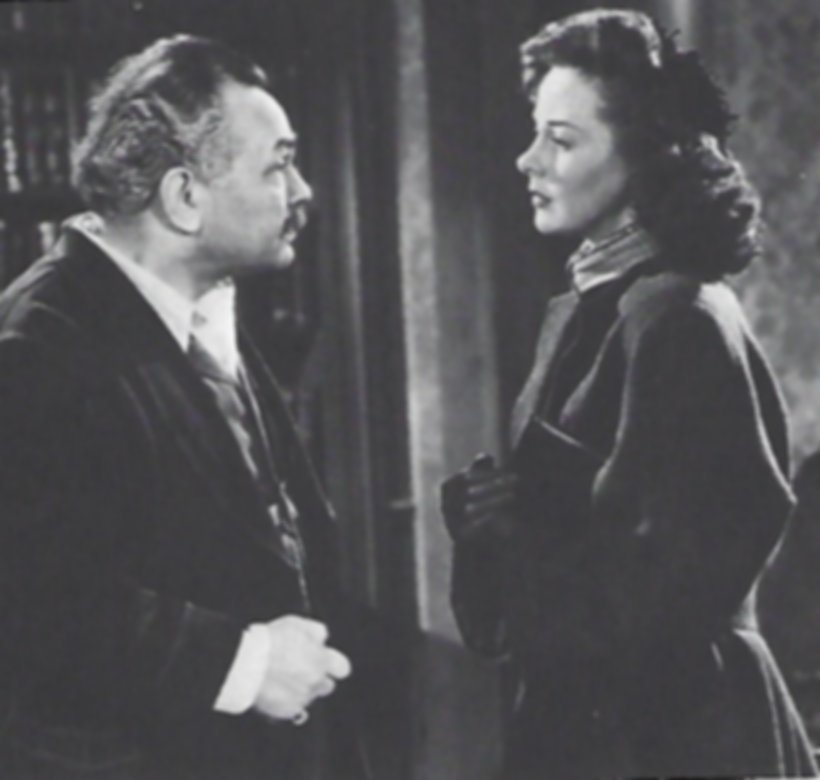
Three Hayward films that especially show that tough and smart look good on a gal are House of Strangers (1949), Rawhide (1950), and Top Secret Affair (1957).  In the first film, Hayward may initially seem to be your typical vamp, sporting slinky sequins and silks, lush red tresses, and clever with her cracks, especially when she temps tough-guy lawyer Richard Conte away from his Italian banking family and docile fiancée.  However, she’s the best thing that ever happened to him, getting him away from a family that has always been a hotbed of resentments and manipulations. When Conte goes to prison for trying to bribe a juror to save the father he’s defending for fraud, the fiancée promptly ditches him for one of his brothers.  Completely blind to having brought on his fall through oppression and disrespect of his other sons, the father (Edward G. Robinson), feeds the imprisoned Conte a steady diet of hatred and vengence in letters.  Our Susan sees right through things and marches straight past the portals of the father’s hollow mansion, to give Edward G. Robinson hell for destroying that son.  Finally, it’s her tough love that inspires Conte to leave behind his self-devouring family.  In fact, she’s independent enough to follow through on her promise to leave for good – his choice whether to wise up and join her.  One of my favorite of her lines comes early in their relationship. Conte tries to keep her in her place by bragging he’s too much for her to handle. Defiantly she retorts,  “Nothing hurts me.  That’s one of my complications.”
Rawhide is an especial favorite of mine.  In the mid-1800s, Susan is traveling cross- country by stage, on her own, with her toddler niece.  When at one stop she’s told a recent jailbreak makes it too dangerous for a woman to be allowed to go on with the stage, she not only refuses to disembark, but it takes two guys (including Tyrone Power) to get her off that stage.  Our Red is some determined woman.  Later, she insists on taking Powers’ gun with her when she goes for a bath in a hot spring.  He snidely comments, “What are you afraid of, coyotes?” and she shuts him up with, “Yeah, the ones with boots on.”  He tries to imply she’s a weak little lady by challenging if she knows how to use a gun, and our smart talkin’ gal of the West puts the man in his place with cool understatement, “I’ve seen them around.” Susan’s stay gets tougher as the jail breakers take over the waystation, but she is undaunted.  One guy tries to rough her up, and she smacks him good. After the jail breakers shoot Powers’ partner when he tries to escape, she sneers at the leader, “We won’t run away.  We’d hate to get shot in the back.”  She stays cool and strong and smart throughout, taking over from Power in secretly digging a hole in the adobe of the room where they’re being held prisoner. When the knife accidentally flies outside, she grabs the baby and pretends she has to take the kid outside to “do her business.”  That also inspires one of her smart cracks.  To her, “Got to take the baby out,” Zimmerman, the leader growls, “Where?”  She growls right back, “Where do you think?” Best of all, our smart talkin’ gal proves she’s smart actin’ at the end, as she reveals what she meant by “having seen guns around.”  Power is helpless under the gun of lowlife Jack Elam, so she manages to by grab a rifle and plug Elam, saving the day.
Top Secret Affair comes later, in 1957, and there is some talk from Hayward’s Dottie Peele about always wanting to meet a guy she could respect, marry, and have a family with.  Still, the only guy who can go toe to toe with her is Kirk Douglas’s general.  As the top of a media conglomerate that drives public opinion, but mostly for the better (no female Rupert Murdoch, she!), Susan gives us a smart, strong, articulate woman.  A newsreel featuring the general leaves her unimpressed with military propaganda, as she dismisses him with, “Look at him apple polishing the President (FDR).  I bet he voted for Wilkie.” Or “Bang, bang.  Like a kid with a space gun.”  The oversized image of his face doesn’t cowe her as the army might intend, as she instead dismisses him with, “Get back in your tank, turtlehead.”  The director gives us an intriguing cut to emphasize that Dottie Peele is no weak woman to be cowed by military might.  Right after General Goodwin tells his adjutant, “There’s only two kinds of women in this world: mothers and the other kind,” we cut to Dottie saying, “There’s only two kinds of men in this world – and I can handle both of them.”  Of course, the two end up together, but not before they have to plow through misunderstandings and reconciliations, the latter from mutual respect rather than deceit or submission.  Some remarks from Dottie let us know that even if she retires from media in marriage, she’ll not retire from speaking her mind and maybe a plunge into politics, though perhaps indirectly.

All the way to 1972, and our red-haired dynamo is still taking charge with wit, integrity, and insight.  In Heat of Anger, Hayward plays lawyer Jessie Fitzgerald, “the Portia of the Pacific.”  An established defense lawyer who’s not afraid to partner with rebel lawyer James Stacey for defending cantankerous Lee. J, Cobb, Susan is still on her toes, zipping around in her sports car and working the system with verve and smarts.  When the prosecutor attempts to cowe her with a sarcastic, “Your integrity overwhelms me,” she shuts him up with, “Well, I’ll embroider that on a pillow in needlepoint.” Partner Stacey tries to call her on snowing a jury into freeing a murderer, and she sets him straight:  “You win with the best case.  Juries decide.”  If Jessie raises an objection in court, it sticks. If the prosecutor tries to spring newly discovered information about her client in court, she turns it into evidence that could win jury sympathy and respect with, “No more coddling. Straight to the nerve.”  She even beats James Stacey at pool, as well as presses him to come out with what he hates about the client so that he finally gets on board with her.  And you better believe that client Lee J. Cobb, as much as he lumbers over her and snarls his anger, backs down under her steady and determined personality.  Yep, our auburn-haired whirlwind still had it!

Maybe the quip that best sums up Susan Hayward’s smart gal screen personae comes in one of her earlier films, Tulsa (1949).  Her character, Cherokee Lansing, becomes partners in wildcat oil drilling with Robert Preston.  When he calls her by her Native American name, Seenotawnee, her friend Jim Redbird replies, “In Cherokee, it means redhead.”  She correct Jim and says to Preston, “But to you, Mr. Brady, it means boss!”  This smart talkin’ red head will always be boss with us!


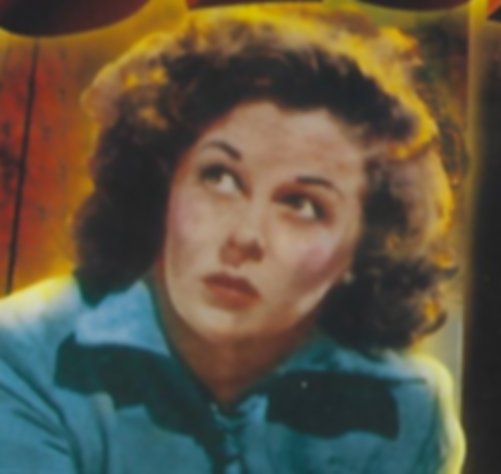
Color Image cover art for Alpha Video (2003)Tulsa
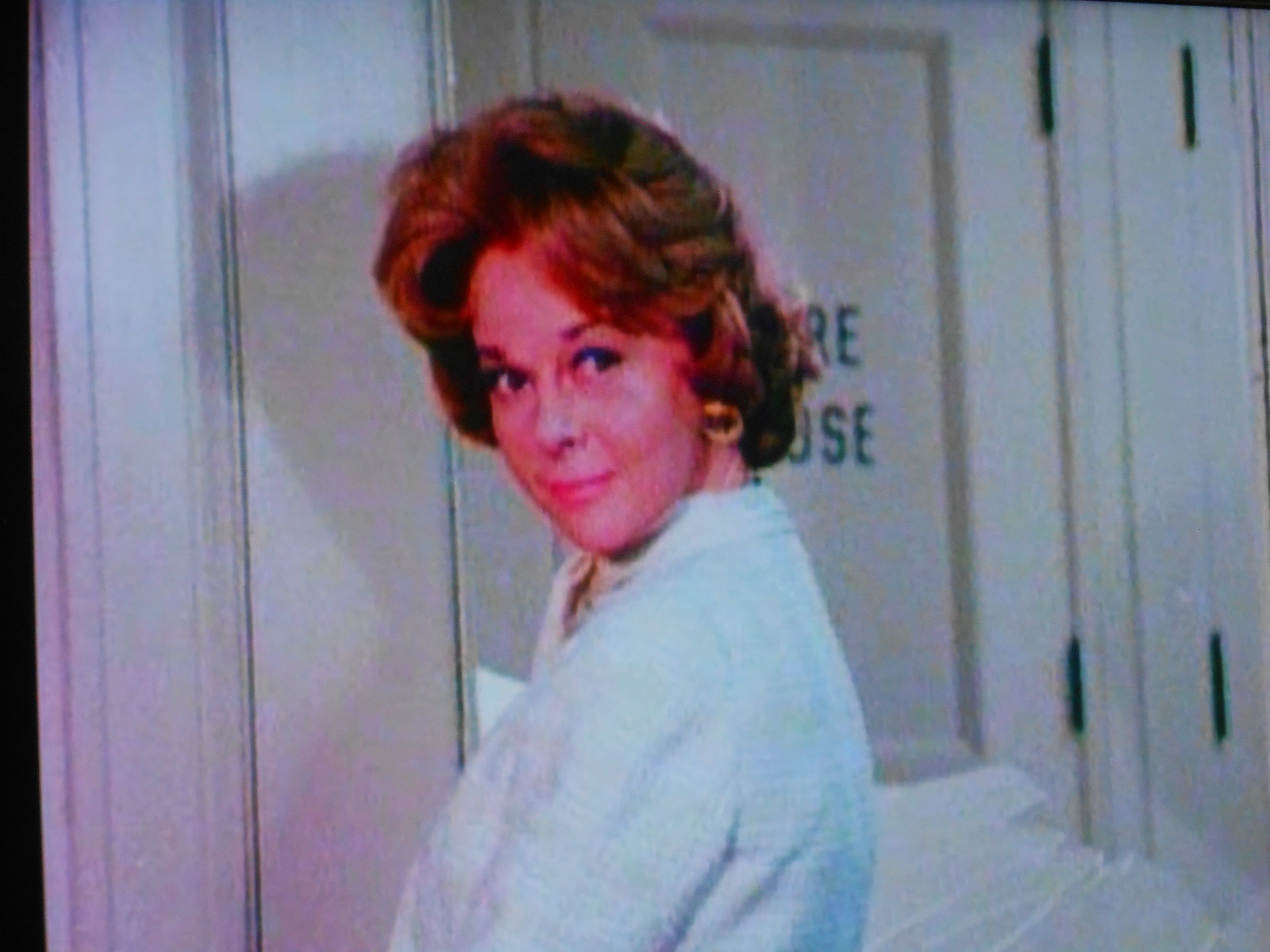
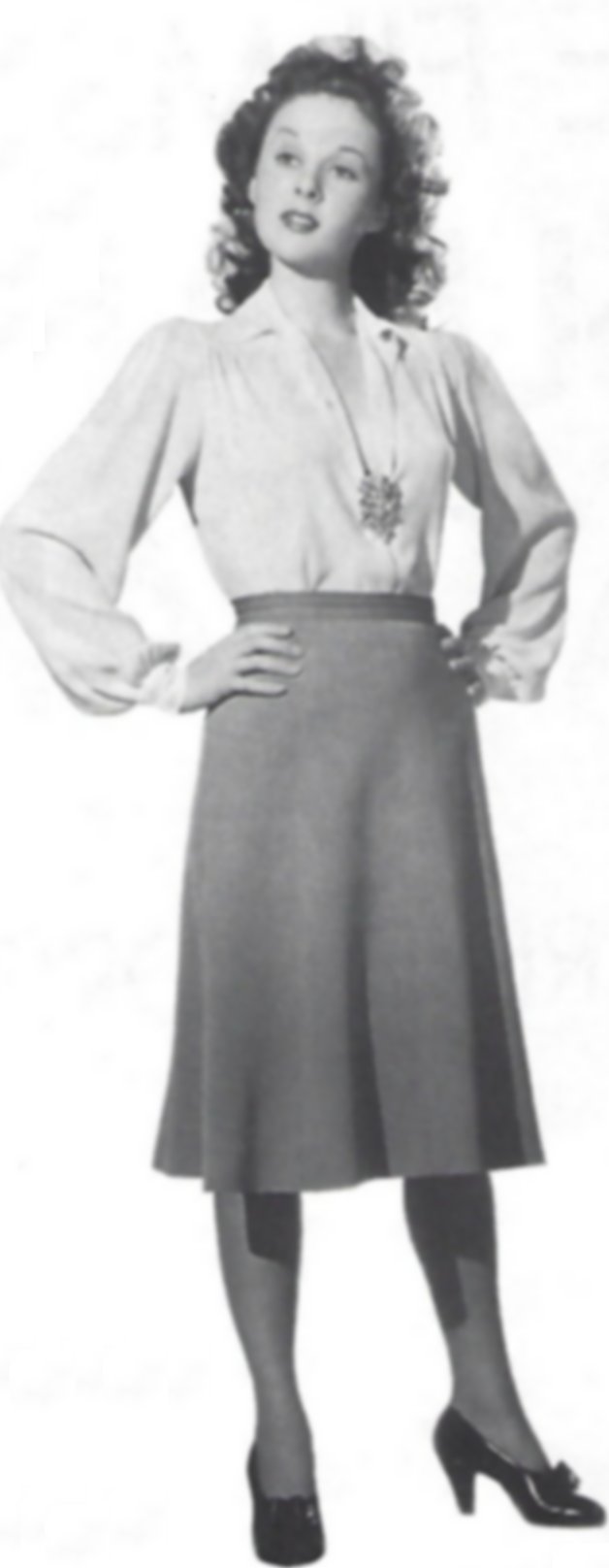
Black and white photographs of Susan Hayward from The Films of Susan hayward (Eduardo Moreno, Citadel Press, 2009)
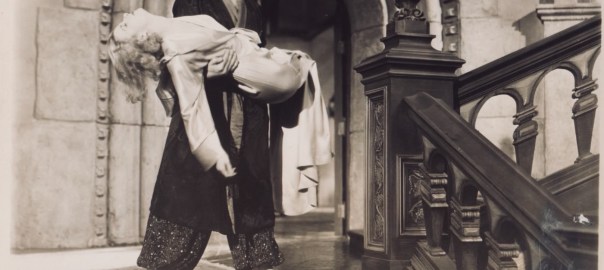
Screen Shots from the following films:  Top Secret Affair (Warner Brothers, 1985, 2009) and Heat of Anger (Quality Video, DSSP, Inc, 2002)


josna's avatarTell Me Another

I suppose I had thought that a person accumulated her experiences over the years and then, when retirement afforded her the leisure to go through her diaries, miscellaneous writings, and correspondence, she would have all that she needed to write her memoirs. I, that is, not she. All those boxes of papers I haven’t organized going back to the year dot, they could all wait until I had the time to go through them. Once I had the time, I had supposed, the floodgates of memory would simply open, and all the flotsam and jetsam of life would more-or-less fall into place. I realize now that I was counting on it. But as it turns out, events are conspiring to present a wholly different picture. 

For one thing, my mind seems to have gone completely blank. After all, over twelve-plus years Tell Me Another has accumulated more than…

View original post 907 more words

Capitolfest ’21: A Joan-O-Rama!

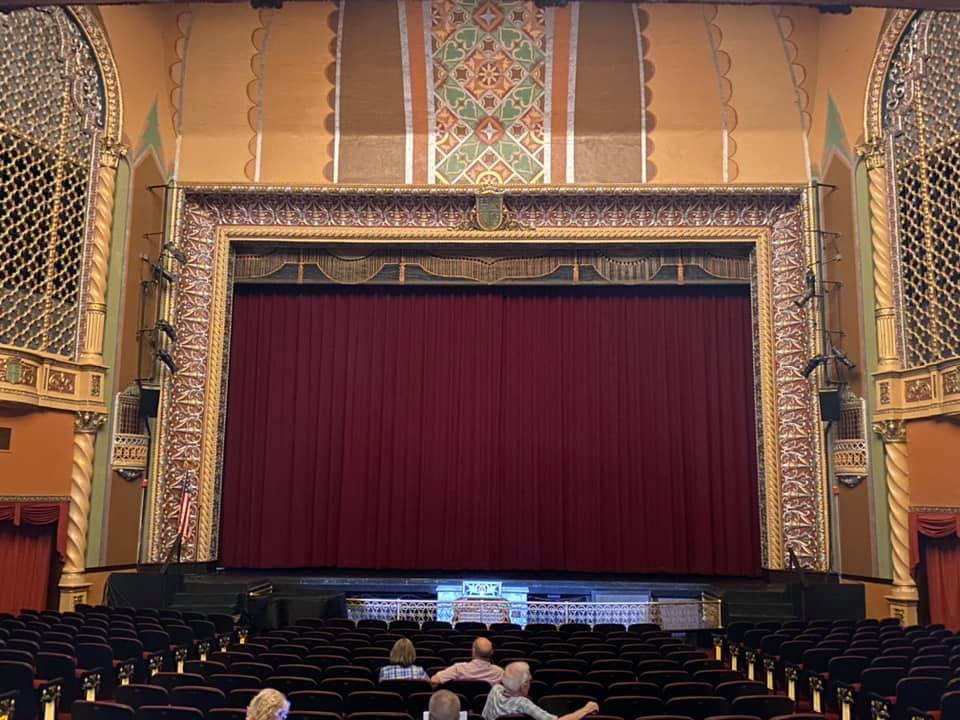
In our first overnight trip away, Yang and I traveled to the renovated Capitol Theatre in Rome, New York for Capitolfest.  This year’s subjects proved irresistible:  the fabulous Bennett sisters, Joan and Constance!  We were fortunate to see the theatre, designed by Leon H. Lempert and first opened in 1928, returned to much of its original art deco glory.  However, our trip was even more of a treat.  Not only did we get to see two Joan Bennett movies from early in her career that I’ve never seen, but we met up with wonderful friends from the Friends of Joan Bennett FB group:  Kayla Sturm and Eve and Edward Lemon!  It was a fun, heart-warming, and exciting experience.

First, let me tell you about the theatre – and share some images with you, too.  Many of these are courtesy of Eve and Kayla.  You can see that the original marquee is not the same, but the outside still has much of the original feel.  Further, once you enter the lobby, you see wonderful polished wood doors and art deco detailing on the walls and ceiling.

The inside is spacious, seating over 1000 people, with plenty of room on the ground floor and in the balcony.  The latter place is where we Bennettphiles sat.  You can see that the screen is huge, just like in the old days that some of us are life-experienced enough to remember.  Other Lowellians, remember the Strand Theatre, with that ginormous chandelier that none of us wanted to sit under – just in case? There’s me in the lower right corner, wearing my hat and my mask.
Note the organ just below and in front of the stage.  The theatre was built in 1928, so silents still would have played there in the infantine era of sound.  Also, people would love to hear pre-show concerts on that organ – before you got to the raffles, the cartoons, the newsreel, the Lower half of the double bill, then the feature.  Here’s a closeup of the organ.  We had a little concert, ourselves, before the start of Weekends Only.  (Note:  both these shots are courtesy of Kayla Sturm.)
Kayla also took a nifty shot of the gorgeous ceiling decor.
She also photographed one  of my favorite things to shoot:  heads in relief.  I wonder who these guys are? To me, they look like Eisenhower, Marx, and Peter Lorre; but I’m probably wrong.
How about this shot by Kayla of the gorgeous arches?
Even the telephone booths were cool!
There were lots of early, pre-Production Code films by Joan and Constance – plus both Joan and Constance doing their bits against the Nazis in Manhunt and Madame Spy, respectively.  Come to think of it, Joan practically made a cottage industry out of taking down goosesteppers:  Manhunt, Confirm or Deny, The Man I Married, The Wife Takes a Flyer, and Margin for Error.  Who needs John Wayne?! (That’s Kayla’s photo of the Manhunt poster).
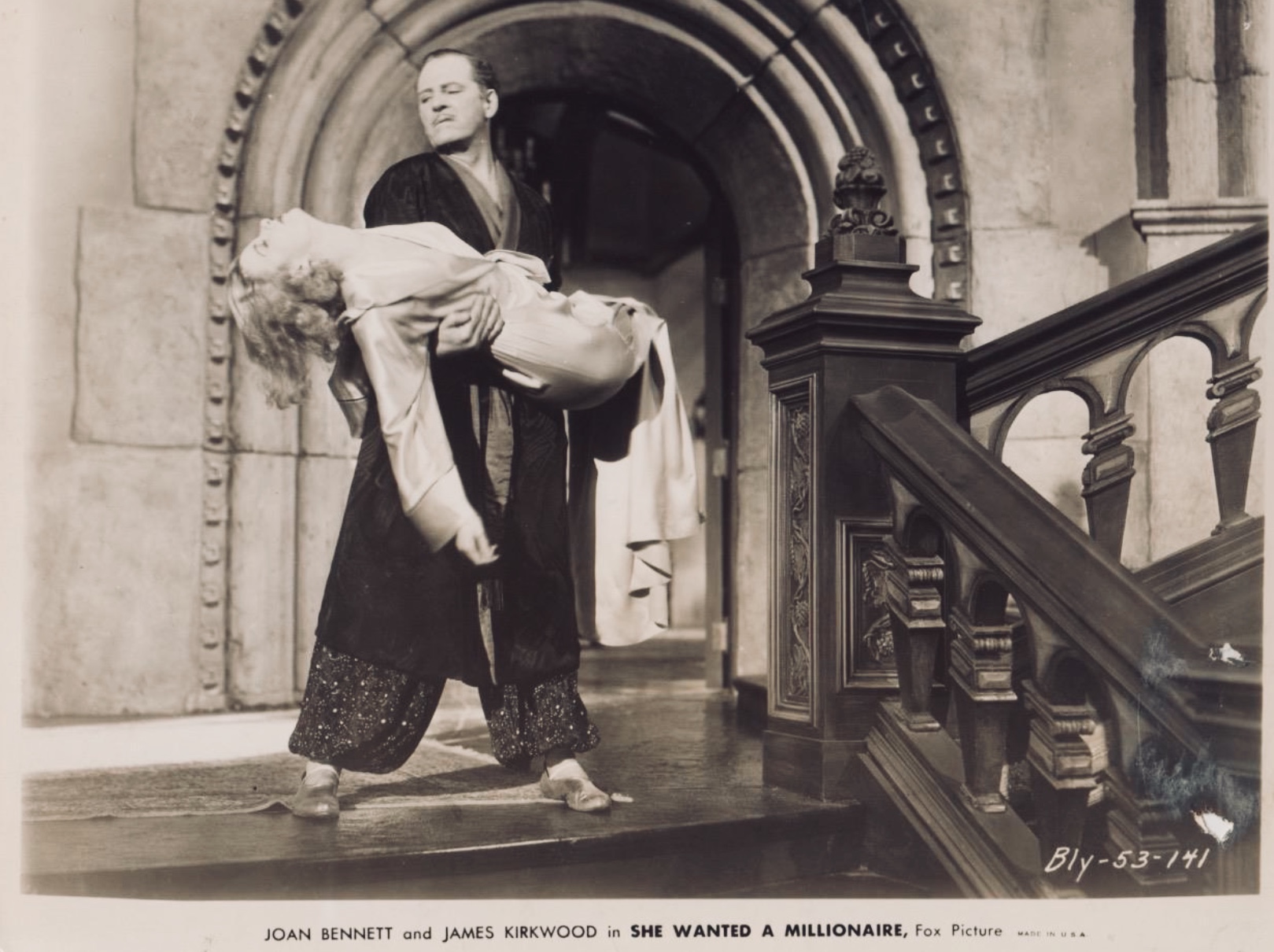
Anyway, Yang and I saw two films I’d never seen before:  She Wanted a Millionaire and Weekends OnlyHush Money had also been on the bill, but Disney forced the festival to pull it in a legal CYA move.  That’s the technical term my lawyer nephew gave me.  God bless UCLA for going to bat for the festival and still getting us these two films.  They were something else.  Millionaire is a humdinger, starting out as a romantic comedy and turning into a Gothic piece with a sadistic husband who lures a naif into marriage, using the typical secret passages, peep holes, and untrustworthy servants in his isolated, creepy mansion, but modernizing Otranto’s castle with high tech (for ’32) listening devices.  His manipulations, viciousness, and violence would give Manfred, Brother Ambrose, and Schedoni a run for their money.  Joan does get up the gumption to hang tough and give her tormentor what for; but, darn it all, they have her faint at a crucial moment.  They just had to go all Victorian, didn’t they? Victorian, with the exception of Margaret Hale in North and South, who has to get hit in the head with a rock to go down for the count.
Weekends Only was interesting and enjoyable.  Joan was a snappy, intelligent gal who grows up fast when her rich-girl paradise crashes and burns with the stock market in 1929.  She’s smart and independent, so she’s is no easy victim to sly seductions or aggressive assertions.  We also can tell that this is a pre-Production Code because it’s clear that when she and artist Ben Lyon fall in love and show that they genuinely care for each other there are a couple of fadeouts that indicate the two aren’t off for a round of pinochle.  Of course, misunderstandings do gum up the romantic works; however, things get resolved in a way that suggests their reconciliation is believable.  And the slick rich guy who wants Joan for his mistress bows out with humor.  The depictions of the loft apartments where Joan and Ben Lyons live hint at an almost pre-noir dreaminess.  Black and white is so evocative.  I do wonder what happened to the two portraits painted for the movie. (Thanks to Eve for the shot of the film’s opening on that delicious big screen!)
Anyway, our crew had a wonderful time.  We enjoyed films together.  Traded Joan gossip.  Got to know one another better.  Had a lovely dinner ensemble after the first movie on Friday afternoon on the outside terrace at the Delta Lake Inn – thanks to Eve’s planning!  Gosh, I had a great time.  I can’t wait for another Joan festival to bring us all back together!

Background on the origins of the Capitol Theatre:  Cinema Treasures  and Capitol Arts Complex Homepage.

Images from Weekends Only and She Wanted a Millionaire from IMDb

Thanks again to Kayla Sturm and Eve Lemon for letting me borrow their photos for this blog.


The Dark Side of the Screen, the Dark Pages of my Novels

Growing up watching films from the ’30s, 40’s, and 50s, often in the dark hours of Seventhbthe night, I was deliciously haunted by the noir-inflected, melancholy, shadowy worlds of Val Lewton films, the eerie displacement of Universal and Columbia horror, and the mind-twisting mysteries exploring the dark side of society and the human heart.  Those were perhaps the major impetus for my desire to recreate shadowy even eerie realms with my own writing. For the chiaroscuro worlds of the mystery and horror delightfully lingered in my imagination.
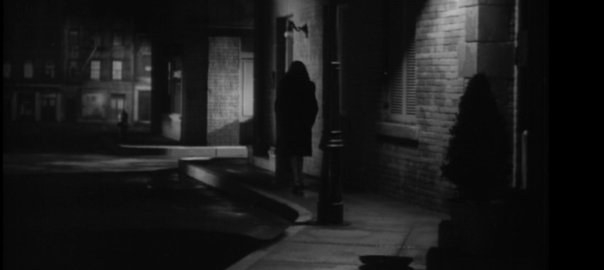
Specific films influence each of my novels.  With Bait and Switch, I was inspired by those exercises in noir that voiced homefront fears of Nazi fifth columnists infecting our security from within.  So, when Jessica Minton finds herself caught in the middle of a espionage plot that is either a gambit to flush out a fifth columnists or a fifth columnist’s plot to trick her into saving his skin, such films as They Live by Night, The Fallen Sparrow, and Confessions of a Nazi Spy inspired my creation of slippery deceptions, unclear loyalties, and sudden death in a world of slick, dark mean streets; fog rolling off the Hudson, through the New York waterfront and the Brooklyn Bridge; crumbling, sinister rows of buildings lowering on the wrong side of town; and deserted theatres.
Of course, I was not inspired merely by the dreamy darkness of these films but by the quick wit and humor peppering many of them.  Perhaps the most influential in that department was All through the Night, a fast-moving tale of Nazi infiltrators inhabiting the stylish but shadowed upper echelons of New York Society – as well as the dark recesses of obscure warehouses and secret panels leading to command centers.  Cutting through that sinister atmosphere is the sharp wit of Humphrey Bogart’s semi-gangster, Gloves Donohue, and his sidekicks played by the fast-talking likes of William Demarest and Frank McHugh.  Of course, there is romance, as well, with a damsel in distress.  I love to spice Bait and Switch with the same sort of irreverent, sardonic humor.  And, though Jessica Minton may find herself caught in distress, she’s hardly a damsel. She holds her own when in danger, though a little help from her vis à vis does come in handy – that and a banana cream pie.
Letter from a Dead Man is more straight noir.  No Nazis, but plenty of intrigue and unexpected conflicts stemming from hidden identities fatally revealed; stolen jade; romantic intrigue; a femme fatale who’s in the chips now (socially and financially) but will do anything to prevent the exposure of her sordid past; a frame job for murder; two tough cops, just this side of jaded; and an F.B.I. agent from Jessica Minton’s past who has his own agenda.  Images and even passages from specific films noirs imbue Dead Man.  The seductive manipulations of Helen Grayle fromMurder, My Sweet inspire the deadly web that Alanna Tewkesbury weaves around the Minton sisters, and those they love, to keep her secrets intact and to get her hands on stolen treasure.  Imagery from The Seventh Victim, Woman in the Window, The Fallen Sparrow, Scarlet Street, and Manhunt live on in the darkened, deserted offices; lonely, rain-slicked streets; deadly lurkers in late-night subways; and even behind the hulking, cold stone of the New York Public Library Lions!
Dead Man is not all darkness.  It’s lightened with the sharp reparté you’d expect from the mouth of a Rosalind Russell, a Joan Bennett, or an Eve Arden.  Plus, there are some truly Lucy-and-Ethel-worthy moments of slapstick, with Jessica and Liz forced to hide in a closet from Alanna and her tough-talking torpedoes, friend Iris leading a room full of party-goers in a madcap conga to cover up an argument between Liz and her boyfriend that will put him at the center of a murder investigation, and Jess donning disguises as a maid to recover a stolen gun and as a shady lady in need of reform to snare a vital witness.
This leads to the third, soon to be released, novel in the Jessica Minton mystery series: Always Play the Dark Horse.  Though this book shares much with its predecessors, there’s a different take on the noir world of mystery, fifth columnists, darkness, and doubt.  Dark Horse is more inspired by the dreamy nature of Jean Renoir’s The Woman on the Beach, Lewis Milstone’s Guest in the House, or Orson Welles’s The Stranger.  Scenes on the Connecticut beach at night; in the foggy advent of a storm; the presence of a mysterious rider on a magnificent black horse along the shore; the battered ghost of a beached ship where forbidden lovers once met; the twisting corridors, warren of offices, dark-paneled rooms, and hidden stone staircase of a college building, all capture the dreamy world of those films, especially Woman on the Beach.  As in Renoir’s film, I found myself caught up in creating a world formed in tune to the haunting mood of Debussey’s music.  The story of dark love, vicious personal conflicts, uncertain loyalties, cruel memories of war’s horrors, and the threat of a Nazi resurgence, however, edge that dream uncomfortably into the realm of nightmare so effectively created in The Stranger and Guest in the House/

That’s not to say you’ll need uppers to get through Dark Horse!  The quick wit and strong sense of camaraderie that I portray in the other novels percolates here as well.  I really enjoyed developing the married relationship between Jessica and James, showing their support and love for each other seasoned with their playful humor.  They may not always get along or be perfectly happy with each other; but, as grown ups, they work things out.  That partnership and humor are what help them resolve their case.  I also enjoyed Jessica’s bond with her friend Rose.  An educated and intelligent working woman (professor) and mother, Rose is a loyal, funny friend who helps Jessica stay ahead of the game.  I always like to show the power of girlfriends in my books!  Last, but never least, where the dog – e.g. Asta – has traditionally been the animal sidekick in mysteries, I once again return Dusty to her feline glory!  She plays a major role in all three novels:  a pal but not a drippy one.  And there ends up being nary a mouse in the cottage by the beach where Jessica and James must do their part against murder, betrayal, and Nazis.

Screen shots from The Woman on the Beach and The Seventh Victim are from the author’s collection.  RKO videos
Still photos from Scarlet Street  and The Woman on the Beach are from the author’s collection
Image of Dusty and images from book covers from the author’s collection
Image from Murder, My Sweet from unknown source
Image of New York City from New York in the Forties, Andreas Feininger (Dover Publications, 1978)
Banana cream pie image courtesy of  https://www.pngkey.com/detail/u2w7u2e6q8e6t4r5_pies-clipart-slice-pie-lemon-meringue-pie-drawing/


Casting Characters, Part 3: Always Play the Dark Horse

Part Three: Always Play the Dark Horse  horse and rider

Now we come to Always Play the Dark Horse, with a cast of characters 106738603_10223680069933821_7022871368887621055_nboth new and familiar.  Rose Nyquist, Jessica’s professor friend, returns from Dead Man, only this time she helps Jessica navigate academic politics at the College at Margaret Point, even joining Jessica and James to face intrigue and murder.  Who better to play this part than the straight-from-the-shoulder, quick-witted Barbara Stanwyck – with a dash of my good friend Kathy Healey, who is also quick-witted and straight-from-the shoulder.
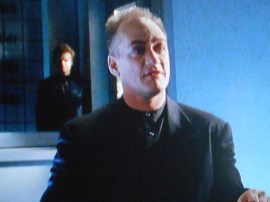
DSCN5749The English Department’s chair is Nigel Cross, a man of powerful character, icy cold control, and a devastating wit to those who try to play cute with him.  With those he respects, though, he seems a square shooter. The perfect inspiration for the character, especially the first part of the description? How about Nigel Bennett, well known as the formidable and cool LaCroix on Forever Knight?
Terry Clarke was Jessica’s college boyfriend many years back, in a relationship that didn’t end well when he opted to look for a gal with the do[ugh]-re-mi to restore his family fortunes.  Now a professor at Margaret Point College, he’s intelligent, capable, witty, and charming enough to balance out his ego, almost.  However, Terry’s also a bit of a ladies’ man, to his wife’s chagrin.  My casting choice was the handsome, young Quentin played by David Selby on Dark Shadows.  That hint of a Southern accent dovetails nicely with Terry’s Virginia horse-country roots. No Quentin-1897 sideburns, though. But those blue eyes, WOW!
Maureen_O'Hara_1950Meanwhile, there’s Carolina Brent Clarke, the wife who resents Terry’s philandering with another teacher who has mysteriously gone missing.  Who should inspire the Virginia belle whom Terry thought he could marry for money, only to discover she had the same misapprehension about him?  Well, I don’t have enough redheads in my stories, so how about the fiery-tressed and -tempered Maureen O’Hara?  I know she usually plays a heroine, but she could go fatale when she wanted.  So I traded in her Irish accent for the faint strains of a Maryland one and let her take the folks at Margaret Point for one hell of a ride!
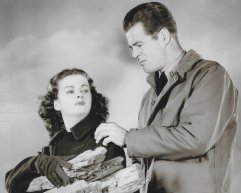
Then, there’s Sailor, aka Phil Novack, the mysterious man who rides theRyan equally mysterious Dark Horse of the title.  A solitary sort, haunted by war memories and perhaps something more, to whom Jessica is drawn by their mutual love of horses.  This becomes dangerous for them both. My inspiration was the craggy-featured, brooding presence that Robert Ryan so beautifully brought to the screen.  Naturally, I’m thinking more of the decent but tortured and confused types he played in The Woman on the Beach or Act of Violence, not the sly, murdering racist in Criss-Cross.

DSCN4673And what inspired my College at Margaret Point?  Ah, that’s interesting.  Over the years, I’ve made many a visit to the campus of UConn at Avery Point.  It’s located on the Long Island Sound, with wonderful grounds, a gorgeous view of the ocean, and an impressive mini-chateau that was once  a wealthy business person’s Branford House.DSCN4684  Now the House holds administrative offices and hosts conferences or even weddings in its magnificent Great Hall, with its first-floor rooms  boasting gorgeous woodwork and carved mantels.  On the second floor is a  small but nifty art gallery.  Although I embroidered on the campus a bit by including stables,  victory gardens, and cozy faculty-cottage housing in my novel,  the fictional Cameron House neatly captures the elegance of Branford House.

Once again, Dusty remains Dusty!  Mice, murderers, and master spies beware! What’s she nabbing now?!

Dustyg

Stay tuned for more blogs to whet your appetite for Always Play the Dark Horse, coming out on August 24th.

DSCN4680
Barbara Stanwyck Image, unknown source
Nigel Bennett Image:  Screen shot, Forever Knight, Sony Pictures Home Entertainment, 2006
Maureen O’Hara Image:  By J. Fred Henry Publications – page 32, Public Domain, https://commons.wikimedia.org/w/index.php?curid=44624486
Images of David Selby, Robert Ryan, Branford House, and Dusty:  Author’s collection

No copyright infringement intended by use of images.  Only educational and entertainment purposes.  Contact me should you feel your copyright has been infringed

Always Play the Dark Horse

Home