“My Smart-Talking Gal Mystery Heroine: A Joan Bennett Birthday Tribute”
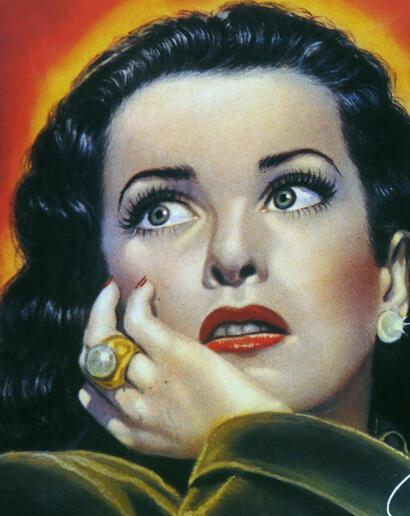
It’s only natural to honor Joan Bennett on her birthday by explaining her powerful influence on my writing. A lot of this influence goes back to my earlier years watching old movies. As a kid, I started out hooked on Bela Lugosi, Boris Karloff, and the rest of the stable of Universal and RKO horror films – God Bless Val Lewton! The mystery and otherworldliness of black and white film, the smart dialogue, the clever twists of plot that other forties and thirties film genres shared with horror lured me into a liminal world like a perpetual deep summer night. I was further captured by classic films’ biting wit, challenging plots, and independent women – especially in what I came to know as film noir. And who showed herself the queen of this world? Above them all, Joan Bennett.

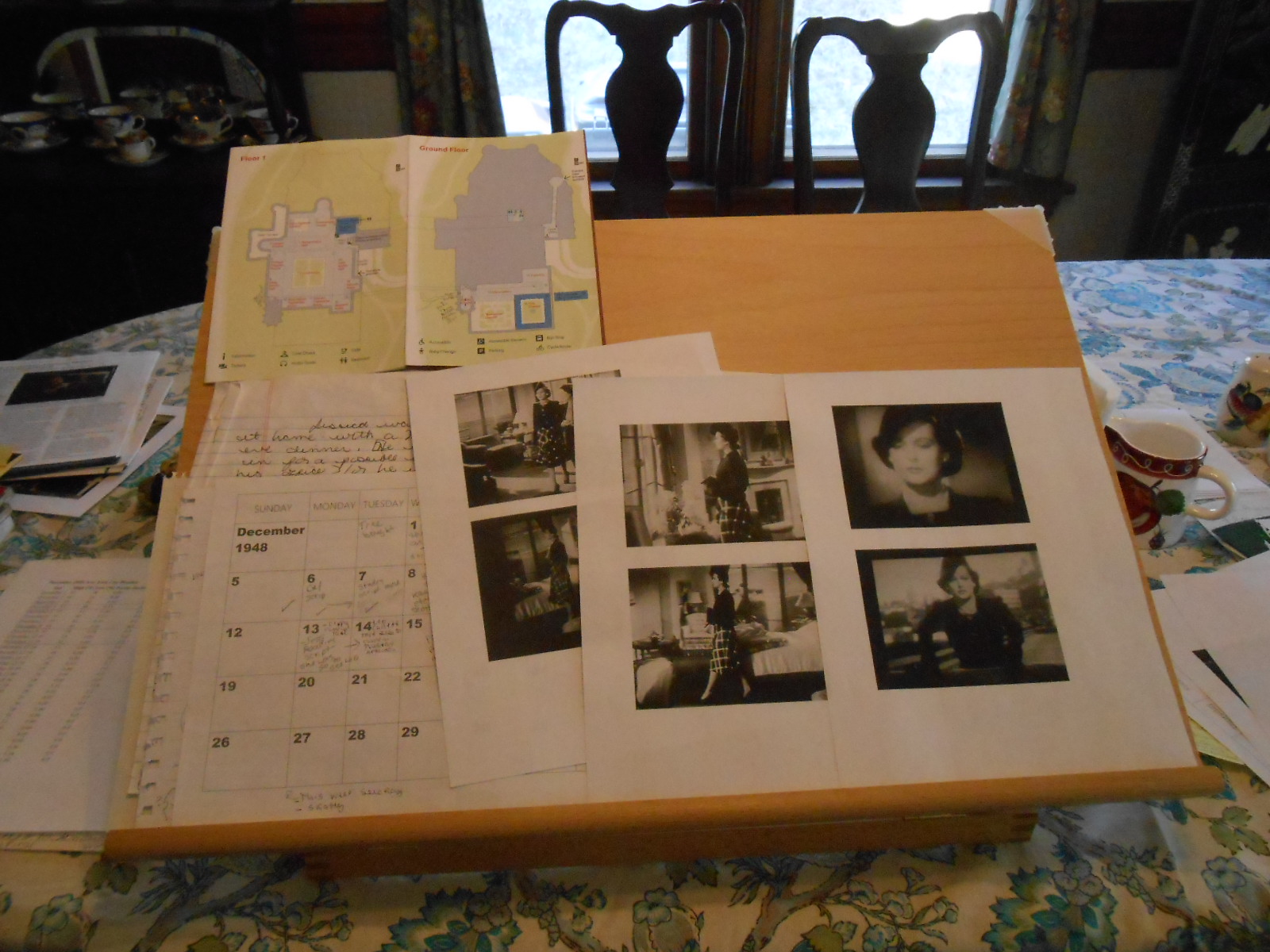
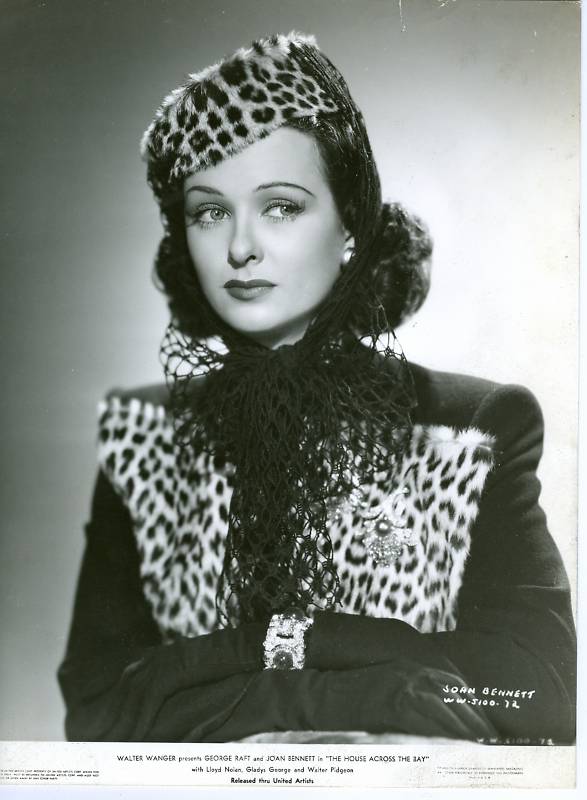
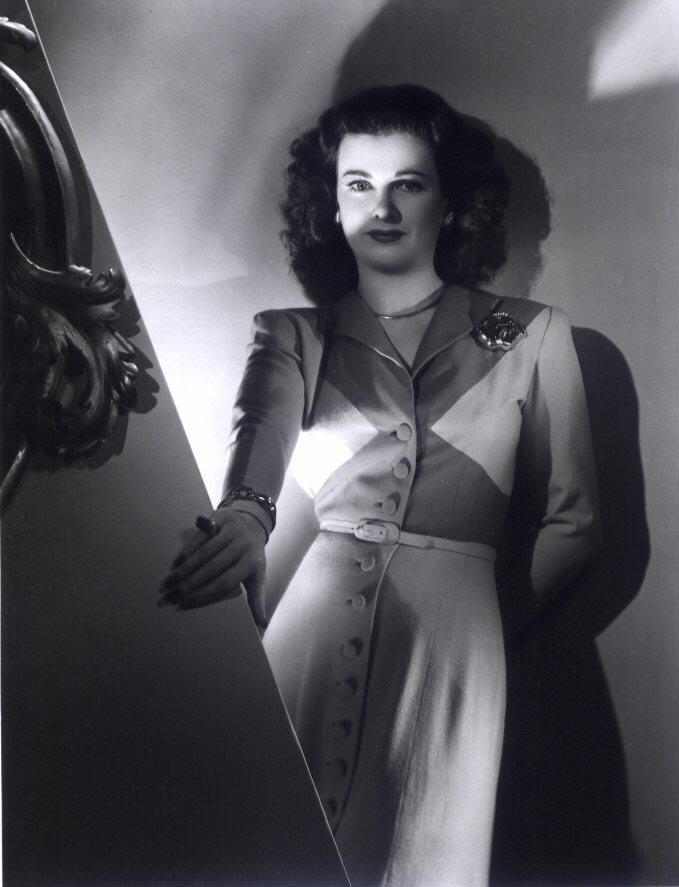
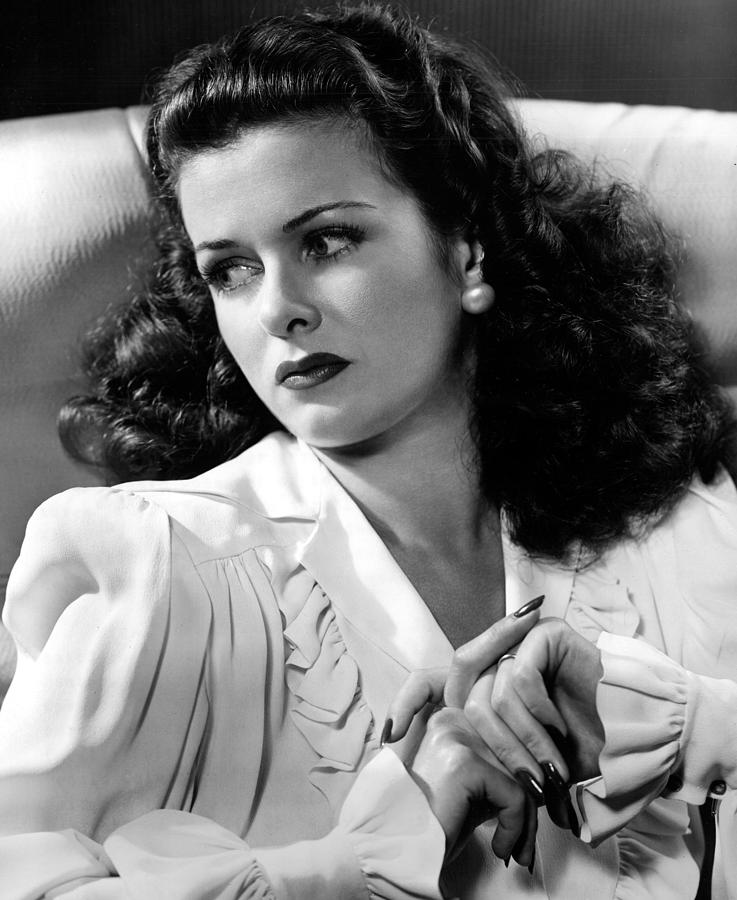
I must admit that I first came really to know Joan when she  appeared in Dark Shadows. Her Elizabeth Collins Stoddard was formidable, reminding me of my mother when I was in deep trouble. How could vampires, werewolves, and witches withstand her powerful, regal stare? Still, like my Mom, there was deep feeling and love for her daughter and her family. However, only in film did I discover Joan displaying one of the traits I loved best about my Mom: that witty, smart-talking-gal sense of humor. In outright comedy, Joan could drop a clever line with style and intelligence, but even in some of her darkest dramas that wit came through. appeared in Dark Shadows. Her Elizabeth Collins Stoddard was formidable, reminding me of my mother when I was in deep trouble. How could vampires, werewolves, and witches withstand her powerful, regal stare? Still, like my Mom, there was deep feeling and love for her daughter and her family. However, only in film did I discover Joan displaying one of the traits I loved best about my Mom: that witty, smart-talking-gal sense of humor. In outright comedy, Joan could drop a clever line with style and intelligence, but even in some of her darkest dramas that wit came through.  What a delight to see her wield that humor to put firmly in their places anyone trying to crush or bamboozle her. In The House across the Bay, she undercuts a smart-mouth chorine who harangued her, “Cheep, cheep, cheep,” with “Where’s the birdseed?” When the obnoxious woman tries to go after her physically, Joan rakes her over the coals with, “Just a minute, Miss Dimwit. I was silly enough to apologize, but now that you want to make something of it, I’ll give you a good reason. You’re a phony, you’ve got a voice like four panes of cracked glass, and about as much appeal as a can of embalming fluid. I could go on, but that ought to give you a rough idea of how I feel about you.” Eight years later, when Paul Henreid tries to disparage her cynicism towards him in The Scar with a deprecating, “You’re a bitter little lady,” she puts him in his place with a world-weary but tough, “It’s a bitter little world, full of sad surprises, and you don’t go around letting people hurt you.” In The Man I Married, Joan’s not even daunted by Nazis, telling her husband-turned-fascist, “Heil What a delight to see her wield that humor to put firmly in their places anyone trying to crush or bamboozle her. In The House across the Bay, she undercuts a smart-mouth chorine who harangued her, “Cheep, cheep, cheep,” with “Where’s the birdseed?” When the obnoxious woman tries to go after her physically, Joan rakes her over the coals with, “Just a minute, Miss Dimwit. I was silly enough to apologize, but now that you want to make something of it, I’ll give you a good reason. You’re a phony, you’ve got a voice like four panes of cracked glass, and about as much appeal as a can of embalming fluid. I could go on, but that ought to give you a rough idea of how I feel about you.” Eight years later, when Paul Henreid tries to disparage her cynicism towards him in The Scar with a deprecating, “You’re a bitter little lady,” she puts him in his place with a world-weary but tough, “It’s a bitter little world, full of sad surprises, and you don’t go around letting people hurt you.” In The Man I Married, Joan’s not even daunted by Nazis, telling her husband-turned-fascist, “Heil 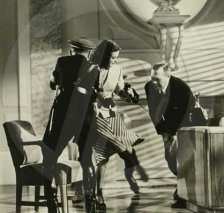 heel,” when he promises to dump her and take their son. Her feistiness isn’t limited to verbiage, either. Take a gander at this picture. heel,” when he promises to dump her and take their son. Her feistiness isn’t limited to verbiage, either. Take a gander at this picture.
Like my Mom, Joan played women of wit, strength, humanity, and confidence – not just what the New York Times dubbed her gallery of “hydrochloric dames.”
So, in my twenties, when I decided to take my writing more seriously than developing Victoria Holt knock-offs or spoofs of Dark Shadows, I turned to 1940s style mysteries to inspire my own adventures of romance, danger, suspense, and wit. Interestingly, as a writer influenced by film, I found I could better create distinct, believable characters by casting them as  actors with whom I was familiar, blending their traits with some of the people I knew (including myself!). I also knew that I didn’t want my heroine to be wimpy, weepy, and inclined to faint in the final reel or pages, which, unfortunately, did often happen on the page or screen in the ’40s and ’50s. Guess whom I saw as perfect for the role of Jessica Minton, a smart, independent, quick-with-a-quip forties gal? Someone who had a sensitive heart and a strong sense of responsibility, but didn’t take guff from anyone – and would smack said guff out of the ballpark with whip smart humor. actors with whom I was familiar, blending their traits with some of the people I knew (including myself!). I also knew that I didn’t want my heroine to be wimpy, weepy, and inclined to faint in the final reel or pages, which, unfortunately, did often happen on the page or screen in the ’40s and ’50s. Guess whom I saw as perfect for the role of Jessica Minton, a smart, independent, quick-with-a-quip forties gal? Someone who had a sensitive heart and a strong sense of responsibility, but didn’t take guff from anyone – and would smack said guff out of the ballpark with whip smart humor.
 Surprise! Surprise!
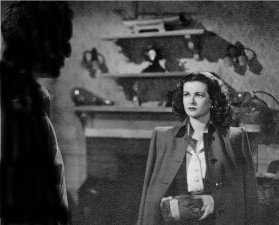
I do see a lot of myself in Jessica – and in Joan’s less nasty roles – or maybe an idealized version of myself, anyway. I know that mischievous banter with those I love and pointed barbs for those I don’t is something I share with Jess, which Joan plays to perfection. However, I doubt that, like Jessica, I’d have the guts to hold onto a mysterious package left by a mysterious and 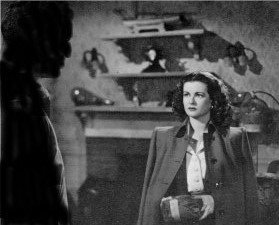 handsome British stranger at the risk of being liquidated by Nazi fifth columnists – to disguise myself as a maid to get into a criminal’s apartment while he’s still there (!) to retrieve a gun used to frame a friend – to grab a gunsel by the lapels and threaten to turn him into a soprano if he ever threatened my cat again – to show up in a shadow-draped room and wittily bargain with a gun-toting femme fatale and her hired gun to trade stolen jade for my friends’ lives – or to slip into a cove and explore a beached and rotting ship while layers of ocean fog swept in around me. I might dare to weaponize a banana-cream pie, but I can’t guarantee my aim would be as good as Jessica Minton’s. I can guarantee you that any fans of our Joanie could picture her carrying off these adventures with verve and wit, though not without human trepidation. handsome British stranger at the risk of being liquidated by Nazi fifth columnists – to disguise myself as a maid to get into a criminal’s apartment while he’s still there (!) to retrieve a gun used to frame a friend – to grab a gunsel by the lapels and threaten to turn him into a soprano if he ever threatened my cat again – to show up in a shadow-draped room and wittily bargain with a gun-toting femme fatale and her hired gun to trade stolen jade for my friends’ lives – or to slip into a cove and explore a beached and rotting ship while layers of ocean fog swept in around me. I might dare to weaponize a banana-cream pie, but I can’t guarantee my aim would be as good as Jessica Minton’s. I can guarantee you that any fans of our Joanie could picture her carrying off these adventures with verve and wit, though not without human trepidation.
 Those of us who love Joan Bennett and appreciate her talents would also, as Sam Fuller writes, see her as “a sensitive actress” enough to also believe her playing Jessica’s distress at being torn between loyalty to an old boyfriend and to a new man who brings her adventure and love; a sister who gets annoyed with her older sibling’s foibles leading them into danger but sticking by her to the end (though not without a smart quip or two Those of us who love Joan Bennett and appreciate her talents would also, as Sam Fuller writes, see her as “a sensitive actress” enough to also believe her playing Jessica’s distress at being torn between loyalty to an old boyfriend and to a new man who brings her adventure and love; a sister who gets annoyed with her older sibling’s foibles leading them into danger but sticking by her to the end (though not without a smart quip or two  exchanged between them); a sweetheart waiting to hear news of a fiancé lost in the war, then a wife supporting her husband’s struggle with memories from that war. And Jessica loves her cat. I know Joan was a dog person, but heck, there’s still part of me in Jessica Minton. So, she’s a cat person! exchanged between them); a sweetheart waiting to hear news of a fiancé lost in the war, then a wife supporting her husband’s struggle with memories from that war. And Jessica loves her cat. I know Joan was a dog person, but heck, there’s still part of me in Jessica Minton. So, she’s a cat person!
Anyway, that’s all I’ve got to say on the subject, but if you’d like to take a peek at some passages from Bait and Switch or Letter  from a Dead Man, click on the links on the titles and have fun picturing Joan working her magic as Jessica Minton. Oh, and by the way, I cast her sister Elizabeth as Rosalind Russell (and my sister-on-law). Can you imagine what a grand ride it would have been to catch Joan and Roz trading quips with each other, then marshaling their humor to take on Nazis, criminally corrupt American aristocrats, femme fatales, underworld crooks, and crooked cops? And I’ve got two more books on the way! Viva Jessica Minton and Joan Bennett! from a Dead Man, click on the links on the titles and have fun picturing Joan working her magic as Jessica Minton. Oh, and by the way, I cast her sister Elizabeth as Rosalind Russell (and my sister-on-law). Can you imagine what a grand ride it would have been to catch Joan and Roz trading quips with each other, then marshaling their humor to take on Nazis, criminally corrupt American aristocrats, femme fatales, underworld crooks, and crooked cops? And I’ve got two more books on the way! Viva Jessica Minton and Joan Bennett!
If you love mysteries on the screen or on the page, especially centered on the golden era, click here to go to my web page where you can find lots of interesting stuff – including my Joan Bennett tribute page!
Photos: Author’s collections
|










.jpg)